
The Mardi Himal Trek is an 11-day guided trek in Nepal's Annapurna region that offers a quieter alternative to the Annapurna Base Camp Trek while delivering spectacular close-up views of Machhapuchhre (6,993 m), Annapurna South, Hiunchuli, and the Annapurna range. The trek reaches its highest point at the Mardi Himal Upper Viewpoint (4,250 m / 13,944 ft) and follows a scenic route through Pothana, Forest Camp, Low Camp, High Camp, and Siding Village. With 5–7 hours of daily trekking, gradual altitude gain, and moderate difficulty, the Mardi Himal Trek is ideal for beginners with good fitness, photographers, and trekkers seeking fewer crowds, authentic tea house experiences, and outstanding Himalayan panoramas.
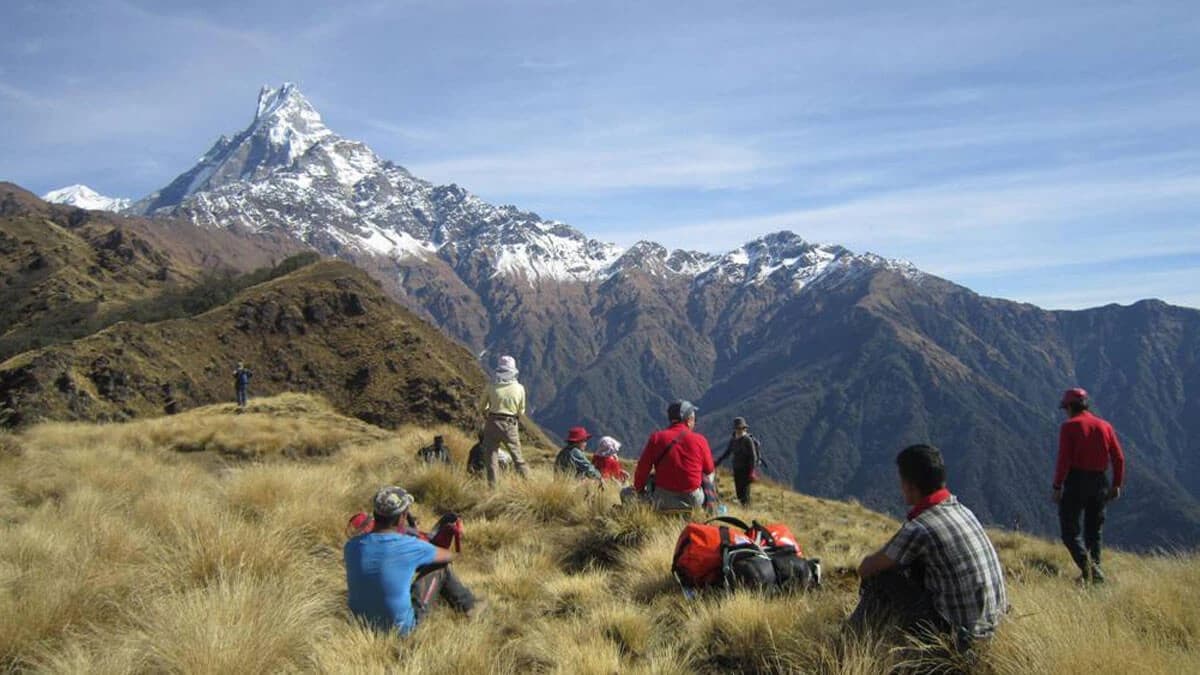
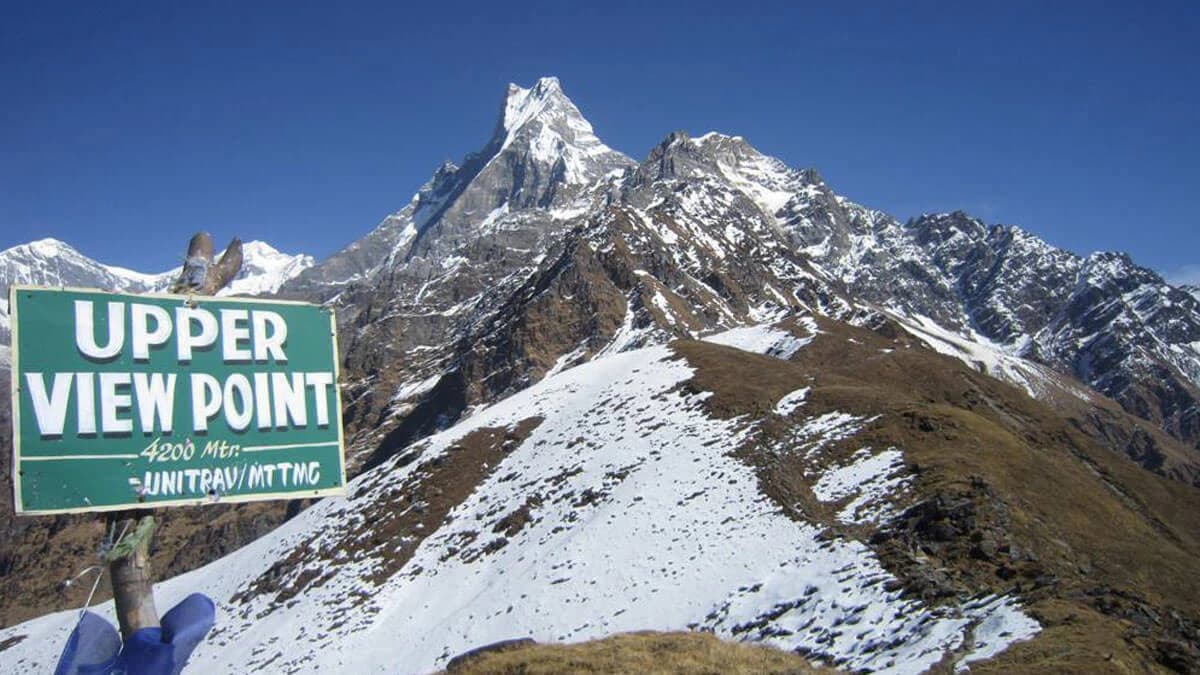
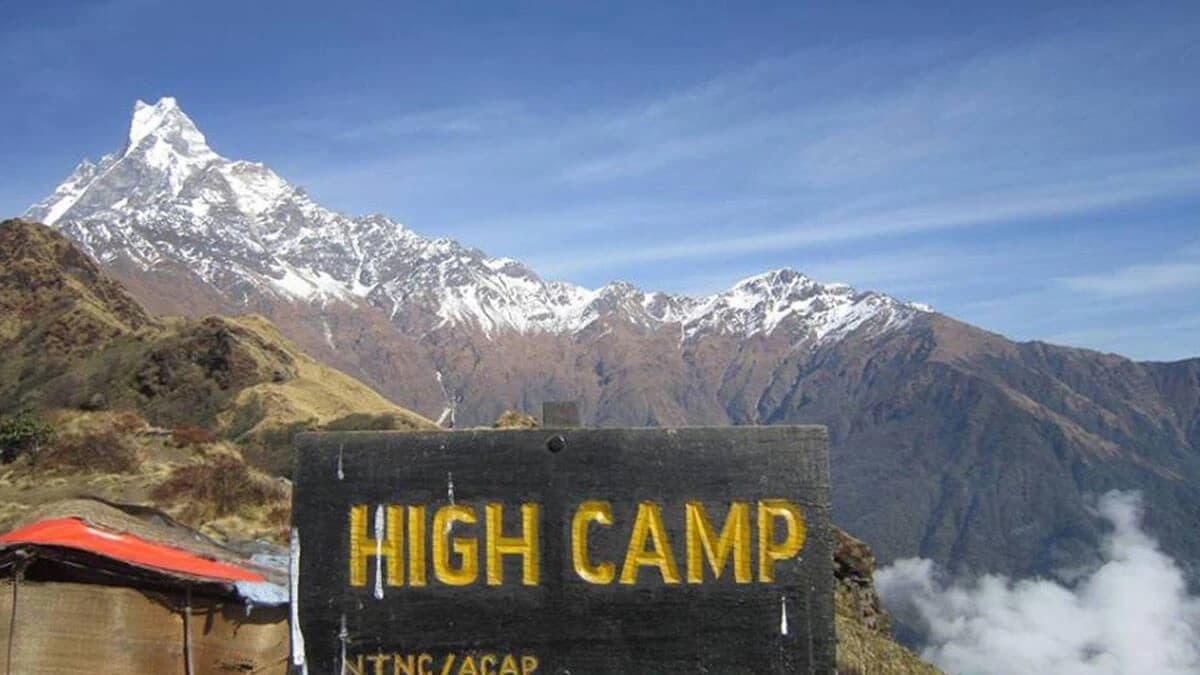
Trip Photos
Mardi Himal Trek - 11 Days
52 reviews in Google Reviews
Duration11 Days
CountryNepal
Trip GradeModerate
Maximum Altitude4,500m
Group Size1-14
StartsKathmandu
EndsKathmandu
Travel StyleTrekking
Best TimeSpring and Autumn
Highlights of Mardi Himal Trek:
- Discover stunning panoramas of the Annapurna range, including Annapurna South, Hiunchuli, and Machapuchare.
- Traverse diverse ecosystems, from lush forests to alpine meadows and rocky highlands.
- Encounter a rich array of flora and fauna, including exotic bird species and wildlife.
- Enjoy serene trails with fewer crowds for a peaceful trekking experience.
- Immerse yourself in the local culture by visiting traditional Gurung and Magar villages
- Witness the perfect, breathtaking scenario of High Camp and Mardi Himal Base Camp
- Capture spectacular landscapes and cultural moments with endless photography opportunities
- Explore the beautiful villages and taste the authentic cuisine
Mardi Himal Trek Overview
The Mardi Himal Trek is one of the most rewarding yet relatively untouched trekking experiences in the Annapurna region. Located east of the Annapurna Base Camp route and north of Pokhara, the trail climbs steadily through lush forests, alpine ridges, and high mountain viewpoints that deliver some of the closest non-technical views of Machhapuchhre (Fishtail).
This 11-day itinerary begins in Kathmandu, travels to the lakeside city of Pokhara, and then follows a carefully paced trekking route starting from Phedi. The trail passes through Pothana, Forest Camp (Kokar), Low Camp, and High Camp before reaching the Upper Viewpoint at 4,250 meters, the highest and most scenic point of the trek.
Rather than rushing trekkers to Mardi Himal Base Camp, this itinerary intentionally avoids the rushed Base Camp push for better safety. The Upper Viewpoint offers wider panoramas, clearer sunrise views, and reduced altitude-related risks, making it a smarter and more sustainable choice for international trekkers. Accommodation during the trek is in locally run teahouse lodges, while hotel stays are provided in Kathmandu and Pokhara. The descent follows a quieter route via Siding and Lumre, allowing trekkers to experience traditional village life before returning to Pokhara and Kathmandu.
"To walk in nature is to witness a thousand miracles"
The preferred months for the Mardi Himal Trek are September to December and February to April. During August and early September, there is a possibility of downpours and avalanches. So, it is riskier and not recommended to trek during these months. Since the roads are not crowded and less steep, novice trekkers and those who have medium fitness levels can choose this trek. You should be able to walk for about 4 – 5 hours per day. You will surely enjoy the friendliness of the local people and the preserved ancient traditions. You will be amused by the kind hospitality of the local people of this region. The guide and the porter will always accompany you and look after your every need. Come along with Recreation Holidays to enjoy the ravishing beauty and be free of the documentation and arrangements. We assure you we will give our best.
Overall, this trek is designed for those who value:
- Safer altitude progression
- Less crowded Himalayan trails
- High scenic payoff without technical difficulty
- Authentic village and lodge experiences
Quick Facts – Mardi Himal Trek
| Feature | Details |
| Duration | 11 Days |
| Highest Point | Upper Viewpoint – 4,250m |
| Difficulty | Moderate |
| Start / End | Kathmandu → Kathmandu |
| Trek Region | Annapurna |
| Accommodation | Hotels (cities) & Teahouse lodges (trek) |
| Meals on Trek | Breakfast, Lunch, Dinner |
| Best Seasons | Spring (Mar–May), Autumn (Sep–Nov) |
| Trek Style | Teahouse trekking |
| Route Highlights | Machhapuchhre close views, ridge walking, rhododendron forests |
Why Choose This Mardi Himal Trek Itinerary?
1. Safer Altitude Strategy
This itinerary avoids the rushed Base Camp push for better safety, allowing proper acclimatization and reducing altitude-related risks without compromising scenery.
2. Upper Viewpoint Experience
At 4,250m, the Upper Viewpoint offers arguably better mountain proximity and wider panoramas than the base camp itself.
3. Less Crowded, More Authentic
Compared to Annapurna Base Camp or Poon Hill, Mardi Himal remains quieter, especially beyond Forest Camp.
4. Gradual Ascent, Logical Descent
The route ascends steadily and descends via Siding and Lumre, minimizing knee strain and fatigue.
5. Cultural & Natural Diversity
From rhododendron forests and alpine ridges to Gurung-influenced villages, the trek offers variety without repetition.
Thinking if you are fit enough for the Mardi Himal Trek?
The Mardi Himal Trek is considered a moderate trek in terms of difficulty, which means it's accessible to individuals with a good basic fitness level. However, like any high-altitude trek, it poses certain physical demands and challenges. A novice or experienced trekker should possess a good level of physical fitness as the trek involves walking for several hours every day across varied terrain, from dense forests to steep mountain paths.
Mental readiness is equally important, along with physical preparedness. A positive mindset throughout the journey is expected for the success of the Mardi Himal trek. If you possess a solid foundation of physical fitness, along with a flexible and adventurous spirit, you are likely well-prepared to enjoy the remarkable experiences the Mardi Himal Trek has to offer.
The trek also offers the opportunity to disconnect from everyday conveniences and immerse oneself in the natural and cultural beauty of the Mardi Himal, which requires an openness to new experiences and a respect for local customs and communities. The internet is not very good in the mountains as you go higher and higher. So, you will be disengaged from the world, which is quite supportive and better for your mental peace. You will be away from your digital world for almost 9 to 10 days. By the end of the Mardi Himal Trek, you surely will be replenished and reborn. You might even lose some weight as you will be walking 6 to 7 hours daily with a balanced meal schedule.
Pre-trek training and preparation, ideally starting at least two months before the trek, can make a significant difference in your trekking experience and enjoyment.
Imagining daily routine while on the Mardi Himal Trek?
On the Mardi Himal Trek, each day unfolds in a rhythm designed to maximize the trekking experience while accommodating the demands of high-altitude walking. Your day typically begins early, with the stirring sounds of the Himalayas beckoning you to start anew. After freshening up, you gather for a hearty breakfast, fueling up on a mix of local and Western fare, essential for the day's exertion. Enjoy the cool morning air and the crisp clarity of the mountain views. The trek's pace is steady but measured, allowing for ample breaks to hydrate, rest, and capture photographs of the breathtaking scenery. Meeting other trekkers en route gives inspiration to reach Mardi Himal.
Lunch around noon provides a well-deserved pause, often in a teahouse along the route, where you can enjoy traditional Nepali dishes and recharge for the afternoon's trek. The journey resumes, leading you through changing landscapes, from dense forests to alpine meadows, each step bringing new wonders.
By mid to late afternoon, you arrive at the day's destination, a teahouse in one of the picturesque villages, where you have time to relax, explore, and soak in the surroundings before dinner. The communal evening meal is a golden chance to connect with fellow trekkers and share experiences.
Following dinner, your guide will brief you on the next day’s route, setting the stage for another day of adventure. The villagers are amiable and kind-hearted. They are very generous and friendly to mingle with. Enjoying traditional foods, learning about local lifestyles, and understanding their culture are part of the Mardi Himal Trek. Nights on the Mardi Himal Trek are for rest, reflection, and anticipation of the next day's journey, under the serene watch of the Himalayan stars.
This balanced daily routine of physical and mental peace, marked by the rhythm of trekking, resting, and communal living, is punctuated by the natural beauty and cultural richness of the Mardi Himal Trek, making each day a memorable part of the trekking experience.
Take a note: "The Mountains always teach you the meaning of patience, determination, and perseverance"
Mardi Himal Trek cost 2026
Mardi Himal Trek is specially designed for trekkers who have time constraints and need a perfect budget outing. While booking this trek, you have add-on options as well. The price for the Mardi Himal Trek starts from USD 640 per person, depending on the group size, and might go up to USD 880 per person. Here is a table for the Mardi Himal Trek price range. Please contact us if any questions.
| No. of trekkers | Package Cost | 2026/2027 Booking |
| 1 | USD 880 per person | Contact Us |
| 2-4 | USD 690 per person | Contact Us |
| 5-9 | USD 660 per person | Contact Us |
| 9+ | USD 640 per person | Contact Us |
Note: Please remember the price difference mentioned in the table is for group and private-based tours depending upon your choices and preferences.
Is This Trek Right for You?
Best Fit If You:
-
Can walk 5–7 hours per day
-
Want a moderate Himalayan trek without technical climbing
-
Prefer safer altitude pacing over extreme elevation
-
Value scenery, solitude, and authentic village stays
Not Ideal If You:
-
Want to summit a base camp purely for altitude records
-
Expect luxury accommodation in the mountains
-
Are looking for a very short (3–5 day) trek
What Makes the Mardi Himal Trek Special?
-
Close-up views of Machhapuchhre, one of Nepal’s most iconic peaks
-
Ridge walking with continuous Himalayan panoramas
-
Forest camps with homestay-style hospitality
-
A quieter alternative to heavily trafficked Annapurna routes
-
A well-balanced itinerary designed for safety, enjoyment, and realism
Is the Mardi Himal Trek Right for You?
Trekker Segmentation (Beginner → Advanced Profiles)
This 11-day Mardi Himal Trek is designed to accommodate a wide range of trekkers by combining gradual altitude gain, logical pacing, and a safer Upper Viewpoint objective. Use the guide below to see where you fit.
1. Beginner Trekker (Good Fitness, First Himalayan Trek)
😎 Confidence Level: High (85–90%)
Ideal if you:
-
Have no prior high-altitude trekking experience
-
Can walk 5–6 hours per day on mixed terrain
-
Are comfortable with basic teahouse accommodation
-
Prefer a safer altitude profile over aggressive summit pushes
Why this itinerary works for beginners:
-
Gradual ascent with no sudden altitude jumps
-
Overnight stays are well-spaced before reaching 4,250m
-
Focus on Upper Viewpoint instead of rushed Base Camp
-
Professional guide support throughout
👍 Recommended: This itinerary is one of the best beginner-friendly treks in the Annapurna region for fit first-timers.
2. Intermediate Trekker (Some Trekking Experience)
😎 Confidence Level: Very High (90–95%)
Ideal if you:
-
Have completed treks up to 3,000–4,000m
-
Can walk 6–7 hours per day comfortably
-
Enjoy ridge walking and sustained ascents
-
Want strong mountain views without technical difficulty
Why intermediate trekkers enjoy Mardi Himal:
-
Excellent ridge sections between Low Camp and High Camp
-
Longer, scenic trekking days without excessive strain
-
One high sleeping night at 4,250m for altitude exposure
-
Less crowded trails compared to ABC or Poon Hill
👍 Recommended: A highly rewarding moderate trek with excellent scenery-to-effort ratio.
3. Experienced Trekker (High-Altitude Exposure)
😎 Confidence Level: Moderate–High (75–85%)
Ideal if you:
-
Have prior experience above 4,500m
-
Have crossed high passes or completed longer Himalayan treks
-
Value scenery and route quality over altitude numbers
What to expect as an experienced trekker:
-
Trek difficulty will feel moderate rather than challenging
-
Upper Viewpoint delivers outstanding close-range mountain views
-
Less technical challenge, more scenic immersion
Note: If your primary goal is extreme altitude or technical challenge, this trek may feel relaxed. However, it excels in landscape quality and solitude.
4. Senior Trekker (Slower Pace, Safety-Focused)
😎 Confidence Level: High with Proper Planning (80–85%)
Ideal if you:
-
Prefer steady walking days over long, strenuous pushes
-
Value altitude safety and itinerary logic
-
Are trekking with a private guide or small group
Why this itinerary suits senior trekkers:
-
No forced Base Camp summit day
-
Gradual elevation gain
-
Option to walk at a flexible pace
-
Comfortable lodge spacing
👍 Recommended: One of the safer Annapurna-region treks for senior trekkers with good health.
5. Solo & Female Travelers
😎 Confidence Level: Very High (90%+)
Why this trek works well:
-
Well-established trail with regular lodges
-
Strong guide presence throughout
-
Friendly village environments
-
Lower crowd pressure compared to major routes
👍 Recommended: Excellent choice for solo travelers seeking safety, scenery, and cultural exposure.
Accommodation on the Mardi Himal Trek
Accommodation on the Mardi Himal Trek is teahouse-based during the trek and hotel-based in cities. Comfort levels improve in towns and become simpler as altitude increases, this is expected and accurately reflected in the LQI (Lodge Quality Index) used in the itinerary.
Kathmandu & Pokhara (Hotel Stays)
-
Standard: Comfortable tourist-class hotels
-
Rooms: Private, twin or double sharing
-
Facilities: Attached bathroom, hot shower, Wi-Fi
-
Purpose: Rest, recovery, and logistics before/after trekking
On the Trek (Lodges / Teahouses)
| Location | Typical LQI | What to Expect |
| Pothana | ★★★☆☆ | Clean rooms, shared bathrooms, good meals |
| Forest Camp (Kokar) | ★★☆☆☆ | Homestay-style lodges, communal kitchen |
| Low Camp | ★★☆☆☆ | Basic rooms, heated dining area |
| High Camp | ★★★☆☆ | Larger lodges, heated dining room |
| Upper Viewpoint | ★★☆☆☆ | Basic shelter, cold nights |
| Siding Village | ★★★☆☆ | Warmer climate, village hospitality |
Key Notes
- Rooms are typically twin-sharing
- Bathrooms are shared at most trekking lodges
- Heating is usually available only in dining areas
- Electricity and charging are limited at higher elevations
Food & Meals During the Trek
Meals are prepared fresh at teahouses and are designed to be energy-dense, warm, and simple, ideal for trekking at altitude.
What’s Included
-
Trek Days: Breakfast, Lunch, Dinner
-
City Days: Breakfast only (as per itinerary)
Typical Trekking Menu
-
Staples: Dal bhat (rice, lentils, vegetables), potatoes, noodles
-
Breakfast: Porridge, eggs, Tibetan bread, pancakes
-
Lunch/Dinner: Rice meals, pasta, soups, momos (availability varies)
-
Warm Drinks: Tea, ginger lemon, hot water (often extra cost)
Altitude Reality
-
Menu choices reduce with altitude
-
Cooking takes longer especially above Low Camp
-
High-carbohydrate meals are encouraged for energy and acclimatization
Dietary Needs
-
Vegetarian options are widely available
-
Vegan/gluten-free options are limited at higher camps advance notice helps
Drinking Water & Hydration
Staying hydrated is critical on this trek, especially from Low Camp upward.
Water Options
-
Boiled water: Available at lodges (small fee)
-
Bottled water: Available but increasingly expensive with altitude
-
Refill + Purify (Recommended):
-
Carry a reusable bottle
-
Use purification tablets or a filter
-
Best Practice
-
Drink 3–4 liters per day
-
Avoid untreated stream water
Warm fluids help with cold and altitude comfort
Culture & Local Communities
The trail passes through traditional settlements influenced by Gurung and hill communities, offering quiet cultural encounters without commercialization.
Village Life Highlights
-
Pothana & Forest Camp: Small mountain settlements with family-run lodges
-
Siding Village: Traditional rural lifestyle, agriculture-based economy
Cultural Etiquette
-
Ask before photographing people or homes
-
Dress modestly in villages
-
A simple “Namaste” goes a long way
Teahouses are often family-run, and staying here directly supports local livelihoods.
Flora, Fauna & Natural Landscape
The Mardi Himal route showcases a clear ecological transition as altitude increases.
Vegetation Zones
-
1,000–2,500m: Subtropical forests (oak, maple, bamboo)
-
2,500–3,500m: Dense rhododendron forests (spectacular in spring)
-
3,500m+: Alpine scrub, open ridgelines, rocky terrain
Wildlife (Occasional Sightings)
-
Danphe (Himalayan Monal) – Nepal’s national bird
-
Mountain birds and small mammals
-
Livestock (yaks, goats, sheep) near higher camps
Scenic Highlights
-
Continuous ridge views of Machhapuchhre
-
Sunrise panoramas from High Camp and the Upper Viewpoint
-
Quiet forest trails with minimal foot traffic
Permits Required for the Mardi Himal Trek
All trekkers must carry the following permits to legally trek in the Annapurna region. These are mandatory and checked at multiple points on the route.
Required Permits
-
Annapurna Conservation Area Permit (ACAP)
-
Mandatory for entry into the Annapurna region
-
Revenue supports conservation and local communities
-
-
TIMS Card (Trekkers’ Information Management System)
-
Ensures trekker registration and route monitoring
-
Important for safety tracking in case of emergencies
-
Permit Notes
-
Permits are issued before the trek and must be carried at all times
-
Random checks occur near trailheads and villages
-
Your guide manages the verification process on the trail
Safety Systems & Risk Management
This 11-day Mardi Himal Trek is intentionally designed to prioritize safety through gradual altitude gain, conservative pacing, and clear decision points.
Why This Itinerary Is Safer
-
Avoids rushed ascent to Base Camp
-
Highest point limited to Upper Viewpoint (4,250m)
-
Long descents split over two days
-
Built-in rest through moderate ALS distribution
On-Trek Safety Measures
-
Trek led by a licensed, experienced guide
-
Continuous monitoring of trekker condition
-
Immediate descent protocols if symptoms appear
-
Clear evacuation access via Pokhara side (Lumre / Siding)
Altitude Awareness
Altitude-related issues can begin above 2,500m, particularly from Low Camp onward. Common early symptoms include:
-
Headache
-
Loss of appetite
-
Fatigue
-
Disturbed sleep
Key Rule: Report symptoms early, do not ignore mild signs.
Emergency Evacuation
-
Helicopter evacuation is available if required
-
Travel insurance covering high-altitude trekking and evacuation is mandatory
-
Evacuation decisions are made jointly by the guide and company protocol
Note: Evacuations are rare on this route due to conservative altitude planning.
Fitness Requirements (Who Can Do This Trek?)
Overall Difficulty: Moderate
This trek is suitable for fit beginners and intermediate trekkers who prepare properly.
Daily Physical Demand
-
Walking time: 5–7 hours per day
-
Terrain: Forest trails, ridgelines, stone steps, alpine paths
-
Longest physical day: Upper Viewpoint ascent + descent days
Recommended Preparation
Begin preparation 4–6 weeks before departure:
-
Regular walking or hiking
-
Cardio training (stairs, cycling, swimming)
-
Basic leg and core strengthening
Experience Requirement
-
Prior high-altitude trekking not mandatory
-
Mental preparedness and steady pacing are more important than speed
Who Should Be Cautious
-
Travelers with unmanaged heart or lung conditions
-
Those uncomfortable with basic mountain lodging
-
Anyone unwilling to walk several hours daily
Weather & Best Season for the Mardi Himal Trek
Weather in the Annapurna region varies by season and altitude. The Upper Viewpoint zone can experience rapid changes.
Best Seasons
1. Spring (March–May)
-
Stable weather
-
Clear mountain views
-
Rhododendron forests in bloom
-
Moderate temperatures
Recommended for: First-time trekkers, photographers
2. Autumn (September–November)
-
Best overall visibility
-
Dry trails and crisp mornings
-
Excellent sunrise conditions
Recommended for: All trekkers seeking ideal conditions
3. Other Seasons (With Considerations)
Winter (December–February)
-
Cold nights, possible snow above High Camp
-
Clear days but harsher conditions
-
Suitable for well-prepared trekkers only
Monsoon (June–August)
-
Heavy rain, slippery trails
-
Limited visibility
-
Leeches in forest sections
Not recommended
What’s Included in the Package
The Mardi Himal Trek – 11 Days package is designed to be transparent and comprehensive, covering all essential services required for a safe and well-organized trekking experience.
Included Services
Airport Transfers
-
Arrival and departure airport transfers in private transport
Accommodation
-
4 nights hotel accommodation:
-
2 nights in Kathmandu
-
2 nights in Pokhara
-
-
Accommodation on BB (Bed & Breakfast) basis
-
Twin-sharing teahouse accommodation during the trek
Meals During the Trek
-
7 Breakfasts, 7 Lunches, and 7 Dinners
-
Meals provided as specified in the itinerary only
Permits & Taxes
-
All required trekking permits and entrance fees (ACAP & TIMS)
-
All local and government taxes
Guide & Staff Support
-
Licensed English-speaking trekking guide
-
Guide with first-aid knowledge and medical kit
-
Comprehensive insurance for trekking staff
-
All staff salaries covered
Ground Transportation
-
Shared jeep transfer from Lumre village to Pokhara
-
Tourist bus ticket from Pokhara to Kathmandu
Additional Services
-
Farewell dinner in Thamel, Kathmandu
-
Achievement certificate (upon request)
-
Complimentary luggage storage during the trek
-
Departure airport transfer service
What’s Not Included
The following expenses are not included in the package cost and should be planned separately:
Visa & Entry
-
Nepal entry visa fee
-
Two passport-size photographs for visa processing
Insurance
-
Personal medical and travel insurance
-
(Must cover high-altitude trekking and emergency evacuation)
Personal Expenses
-
Beverages (soft drinks, alcohol, tea/coffee outside meals)
-
Mineral/bottled water
-
Hot showers
-
Laundry services
-
Mobile charging, Wi-Fi, internet usage
Porter Service
-
Porter service not included
-
Available at USD 180 per porter
-
Maximum load: 20–25 kg
Meals Not Listed
-
Any meals not specified in the itinerary
-
Meals in Kathmandu and Pokhara (except those mentioned)
Flights
-
International airfare to and from Nepal
Tips & Gratitude
-
Tips for guide and staff (customary and expected)
Gear & Packing Guide (Upper Viewpoint–Focused)
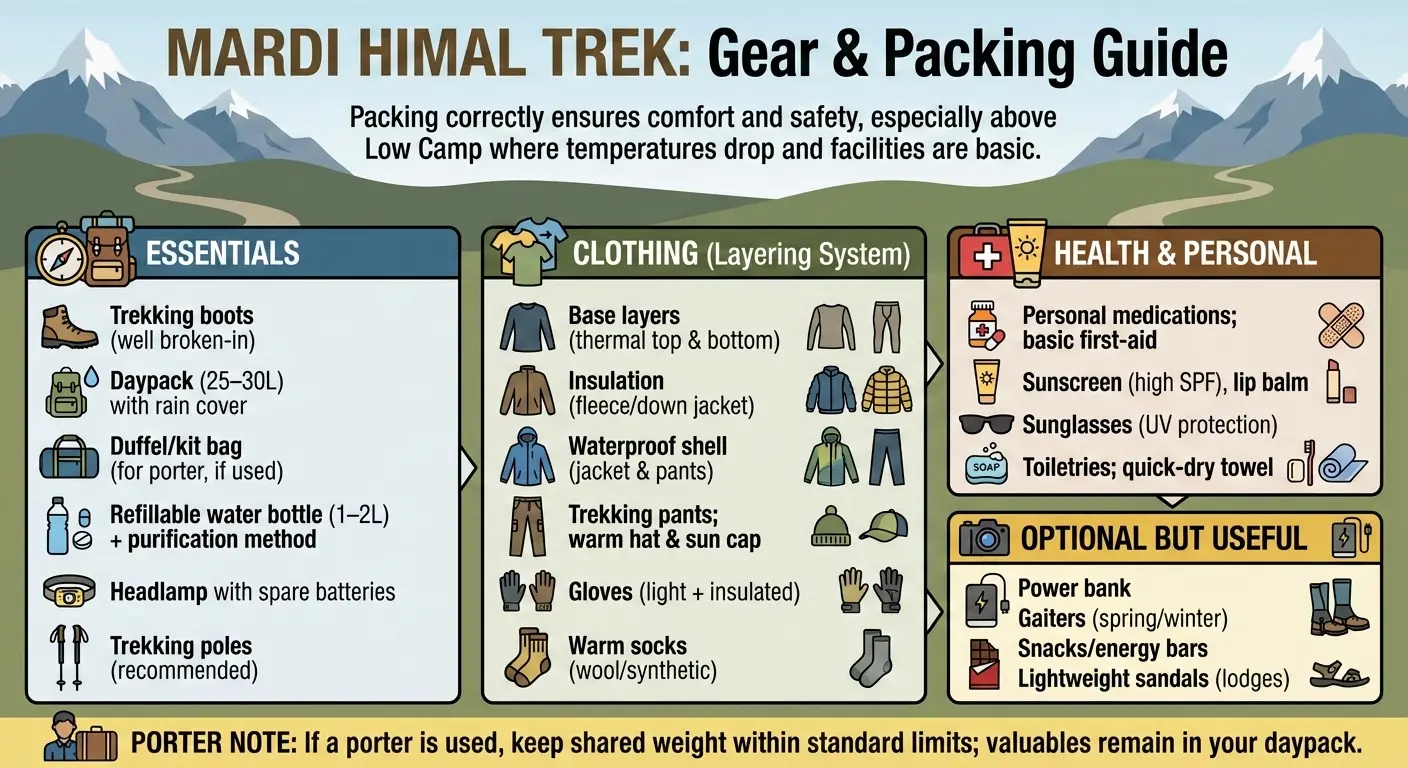
Packing correctly ensures comfort and safety, especially above Low Camp where temperatures drop and facilities are basic.
Essentials
-
Trekking boots (well broken-in)
-
Daypack (25–30L) with rain cover
-
Duffel/kit bag (for porter, if used)
-
Refillable water bottle (1–2L) + purification method
-
Headlamp with spare batteries
-
Trekking poles (recommended)
Clothing (Layering System)
-
Base layers (thermal top & bottom)
-
Insulation (fleece/down jacket)
-
Waterproof shell (jacket & pants)
-
Trekking pants; warm hat & sun cap
-
Gloves (light + insulated)
-
Warm socks (wool/synthetic)
Health & Personal
-
Personal medications; basic first-aid
-
Sunscreen (high SPF), lip balm
-
Sunglasses (UV protection)
-
Toiletries; quick-dry towel
Optional but Useful
-
Power bank
-
Gaiters (spring/winter)
-
Snacks/energy bars
-
Lightweight sandals (lodges)
Porter Note: If a porter is used, keep shared weight within standard limits; valuables remain in your daypack.
Evacuation Probability Table – Mardi Himal Trek (11 Days)
The Mardi Himal Trek is considered a low-to-moderate risk trek when followed with a gradual itinerary and professional guidance. This table outlines realistic evacuation likelihood, based on altitude zones, terrain, and common health factors.
Evacuation Risk by Trekking Zone
| Trekking Section | Altitude Range | Common Risk Factors | Evacuation Probability | Nearest Evacuation Point |
| Kathmandu and Pokhara | 800 to 1,345m | Travel fatigue, dehydration | 🟢 Very Low (<1%) | Kathmandu or Pokhara hospitals |
| Phedi to Pothana | 1,000 to 1,900m | Heat, overexertion | 🟢 Very Low (<1%) | Road access at Phedi |
| Pothana to Forest Camp | 1,900 to 2,550m | Mild fatigue, minor injuries | 🟢 Low (1–2%) | Deurali or Landruk trail junction |
| Forest Camp to Low Camp | 2,550 to 2,990m | Early altitude symptoms | 🟢 Low (2–3%) | Low Camp heli pickup zone |
| Low Camp to High Camp | 2,990 to 3,580m | AMS onset, cold exposure | 🟢 Low – 🟡 Moderate (3–5%) | High Camp heli pickup zone |
| High Camp to Upper Viewpoint | 3,580 to 4,250m | AMS, headache, nausea | 🟡 Moderate (5–8%) | High Camp heli pickup zone |
| Upper Viewpoint to Siding | 4,250m down to 1,885m | Knee strain, fatigue | 🟢 Low (2–3%) | Jeep road access at Siding village |
Mardi Himal Trek - 11 Days Itinerary
Expand All
Day01
Distance:
Travel Time: Airport transfer
Elevation Gain: +0 m
ALS: ★☆☆☆☆
LQI: ★★★★☆Terrain: Urban roads
Highlights:
-
Arrival assistance at Tribhuvan International Airport
-
First impressions of Kathmandu Valley
Guide Tips:
-
Rest well after your flight
-
Light walking only; avoid strenuous activity
Accommodation: Hotel
Day02
Distance: ~200 km
Travel Time: 6–7 hrs (tourist bus / private vehicle)
Elevation Gain: +0 m (transfer day)
ALS: ★☆☆☆☆
LQI: ★★★☆☆
Terrain: Highway / paved roads
Highlights:
-
Scenic countryside drive
-
Rivers, hills, and rural settlements
-
Evening at Phewa Lake lakeside
Guide Tips:
-
Choose an early departure for clearer views
-
Hydrate well and prepare gear for trekking
Meals: Breakfast
Accommodation: Hotel
Day03
Distance: ~10 km trek
Trek Time: 4–5 hrs
Elevation Gain: +1,060 m
ALS: ★★☆☆☆
LQI: ★★★☆☆
Terrain: Stone steps, forest paths, village trails
Highlights:
-
First Himalayan foothill walk
-
Terraced farmland and forest scenery
Guide Tips:
-
Walk slow and steady, this sets the rhythm for the trek
-
Use trekking poles on stone steps
Meals: B, L, D
Accommodation: Lodge
Day04
Distance: ~9 km
Trek Time: 5–6 hrs
Elevation Gain: +660 m
ALS: ★★★☆☆
LQI: ★★☆☆☆
Terrain: Dense rhododendron, oak, maple & hemlock forest
Highlights:
-
Enter Annapurna forest zone
-
Homestay-style lodge experience
Guide Tips:
-
Keep layers handy; forest zones can be humid
-
Eat well, energy demand increases from this point
Meals: B, L, D
Accommodation: Lodge
Day05
Distance: ~7 km
Trek Time: 4–5 hrs
Elevation Gain: +440 m
ALS: ★★★☆☆
LQI: ★★☆☆☆
Terrain: Forest trail, gradual ridge ascent
Highlights:
-
First close views of Machhapuchhre
-
Quieter, less-traveled trail section
Guide Tips:
-
Drink at least 3–4 liters of water
-
Avoid rushing, altitude begins to matter here
Meals: B, L, D
Accommodation: Lodge
Day06
Distance: ~6 km
Trek Time: 4–5 hrs
Elevation Gain: +590 m
ALS: ★★★★☆
LQI: ★★★☆☆
Terrain: Ridge walking, alpine terrain
Highlights:
-
Panoramic views of Annapurna South & Hiunchuli
-
Larger lodges with heated dining area
Guide Tips:
-
Order meals early due to altitude cooking time
-
Keep warm after sunset
Meals: B, L, D
Accommodation: Lodge
Day07
Distance: ~5 km
Trek Time: 3–4 hrs
Elevation Gain: +670 m
ALS: ★★★★☆
LQI: ★★☆☆☆
Terrain: Exposed ridge, steep alpine path
Highlights:
-
Sunrise over Machhapuchhre & Annapurna range
-
Highest and most scenic point of the trek
Guide Tips:
-
Start early for stable weather
-
Walk slow; short steps conserve oxygen
Meals: B, L, D
Accommodation: Lodge
Day08
Distance: ~12 km
Trek Time: ~6 hrs
Elevation Loss: −2,365 m
ALS: ★★★☆☆
LQI: ★★★☆☆
Terrain: Steep descent, forest and village trails
Highlights:
-
Dramatic landscape change
-
Warm village atmosphere
Guide Tips:
-
Use poles to protect knees
-
Stretch well after arrival
Meals: B, L, D
Accommodation: Lodge
Day09
Distance: ~6 km trek + drive
Trek Time: 3–4 hrs | Drive: ~2 hrs
Elevation Loss: −1,050 m
ALS: ★★☆☆☆
LQI: ★★★☆☆
Terrain: Village paths, jeep track
Highlights:
-
Gurung & Brahmin villages
-
Return to Pokhara comfort
Guide Tips:
-
Keep rain gear accessible in lower elevations
-
Celebrate trek completion responsibly
Meals: B, L
Accommodation: Hotel
Day10
Distance: ~200 km
Travel Time: 6–7 hrs
Elevation Gain: +0 m
ALS: ★☆☆☆☆
LQI: ★★★☆☆
Terrain: Highway
Highlights:
-
Final countryside drive
Guide Tips:
-
Keep valuables in daypack during travel
Meals: Breakfast
Accommodation: Hotel
Day11
ALS: ★☆☆☆☆
Highlights:
-
Airport transfer assistance
Guide Tips:
-
Arrive at the airport at least 3 hours before departure
Meals: Breakfast
Is the proposed itinerary suitable for you?If you are looking for a custom itinerary, please feel free to reach out to our team of professionals at any time.
Customize TripMardi Himal Trek - 11 Days Route Map

Altitude Chart

Trip Service Details
Includes
- Airport transfers in private transport
- 4 nights Accommodation in Kathmandu(2 night) and Pokhara (2night) on BB basic
- Twin sharing accommodating during the trek
- 3 Meals(7B/F,7L, and7D) during the trek as mentioned in the itinerary
- All the local and government taxes
- All the permits, entrance fees
- English-speaking guide with first aid knowledge and medical kit
- Comprehensive insurance for the field staff and their salary
- Sharing JEEP to Pokhara from Lumre village (Mardi Himal Trek endpoint)
- Tourist Bus Ticket to Kathmandu from Pokhara
- Achievement certificate upon request
- Farewell dinner in Thamel, Kathmandu
- Complimentary luggage storage during the trek
- Departure airport transfer service
Excludes
- Nepal Entry Visa fee with 2 copies of Passport size photos
- Medical and Travel Insurance
- Personal expenses: beverages, mineral water, hot showers, laundry, mobile charging, internet, etc.
- Porter service during the trek (USD 180 per porter, 20-25 KG max.)
- Meals that are not specified in the itinerary
- International air tickets
- Tips and gratitude (Expected)
Add-ons & Options
- Sightseeing tour in Kathmandu: A short tour around Kathmandu, depending upon your choice (half day or full day) can be done. You will visit Swayambhunath Stupa, Pashupatinath temple, Kathmandu Durbar Square, and many more. The Kathmandu Valley tour is refreshing as you get the chance to encounter the historical and cultural aspects of Nepal. The guided tour in Kathmandu will cost USD 100 per person.
- Sightseeing tour in Pokhara: Before or after your trek, spend some time exploring Pokhara, known as the gateway to the Annapurna region. You can visit cultural sites such as the World Peace Pagoda, Bindhyabasini Temple, and the old bazaar. Additionally, you can take a boat ride on Phewa Lake and enjoy the serene atmosphere. The guided tour in Pokhara will cost USD 110 per person.
- Private transportation: If you wish to hire private transport for your comfort and coziness, it can be arranged adding a little extra cost.
- Porter service: Our Mardi Himal Trek package does not include porter services, providing you with the flexibility to choose if you wish to avail of them. For those who are interested, the porter service for the entire Mardi Himal Tek is estimated at USD 180 per person., breaking down to about USD 20 per day.
Dates & Availability
October 2026
November 2026
December 2026
January 2027
February 2027
March 2027
April 2027
May 2027
June 2027
July 2027
September 2027
October 2027
November 2027
December 2027
January 2028
February 2028
March 2028
April 2028
May 2028
June 2028
July 2028
Additional Info
Primary Reasons for Evacuation on Mardi Himal
Evacuations, when they occur, are rare and precautionary, not emergency-driven in most cases.
Most Common Causes
-
Moderate Acute Mountain Sickness (AMS)
-
Persistent headache or nausea above High Camp
-
Severe fatigue or dehydration
-
Knee or ankle strain during long descents
-
Sudden weather deterioration (rare but possible)
Why Evacuation Risk Is Lower on This Itinerary
This 11-day Mardi Himal Trek intentionally minimizes evacuation probability through:
-
Upper Viewpoint cap (4,250m) instead of rushed Base Camp push
-
Gradual altitude gain over multiple days
-
No sudden sleeping altitude jumps
-
Two-stage descent (Upper Viewpoint → Siding → Lumre)
-
Easy helicopter access from Siding/Lumre if required
In professional terms, this itinerary is considered preventive rather than reactive.
Evacuation Method (If Required)
-
Primary evacuation: Helicopter (weather permitting)
-
Evacuation zones: High Camp, Upper Viewpoint area, Siding Village
-
Decision authority: Trek guide in coordination with company protocol
-
Cost coverage: Traveler’s insurance (mandatory)
Why Book This Mardi Himal Trek
-
Safer Upper Viewpoint altitude strategy
-
Gradual pacing with clear ALS/LQI transparency
-
Less-crowded Annapurna trails
-
Authentic teahouse experiences
-
Professional guide support end-to-end
Ready to Plan Your Trek?
-
Check Availability for your preferred season
-
Request Seasonal Pricing (transparent, no surprises)
-
Talk to a Trek Expert for customization or prep advice
Mardi Himal Trek - 11 Days Gallery


Mardi Himal Trek - 11 Days FAQs
It's considered moderate in difficulty. While physically demanding due to daily long walks and elevation gains, it's achievable with proper preparation.
A guide isn't mandatory but highly recommended for safety, navigation, and gaining insights into local culture and nature.
You'll need an Annapurna Conservation Area Permit (ACAP) and a Trekkers' Information Management System (TIMS) card.
Yes, most teahouses offer charging facilities for a small fee, but bringing a portable power bank is wise.
Acclimation is always necessary. It is the key to successful trekking. It particularly occurs above 2,500 meters. Always keep yourself hydrated, get ample rest for your sore body and legs, and maintain your walking pace. If you feel any symptoms of altitude sickness, do not hesitate to inform your trekking guide.
Carrying cash during the Mardi Himal Trek is always recommendable. You might have to pay for your hot showers or Wi-Fi or charge your electronic devices. A minimum of USD 100 to 150 would suffice for the entire trek.
Yes, a family tour is preferable. Get your children trained for walking a few hours, and teach them to adjust to environmental changes with higher elevations.
Yes, of course. Prepare for your adventure by incorporating simple daily exercises and short hikes into your routine; book with us now to kick-start your preparation journey.
Yes, please. You can extend as many days as you want to. Please let us know so that we can make your arrangements accordingly. Also, it charges extra for extending your stay. We will brief you about it.
Travelers’ Review
Incredible Mardi Himal Trek Experience with Recreation Holidays
I came to Nepal in March 2025 and started my journey by visiting Pokhara. From there, I went to Sarangkot, where I enjoyed a stunning view...
K
Kai Riedel - GermanySeptember 03, 2025
Amazing 11-Day Mardi Himal Trek – Truly Unforgettable!
I think the Mardi Himal trek was one of the most successful and memorable treks I’ve ever done. The 11-day journey was absolutely wonderful I didn’t even...
A
Amir Khoury - IsraelSeptember 02, 2025
Unforgettable Mardi Himal Trek Experience with Recreation Holidays
One day, I saw a post on Instagram featuring the stunning views of Mount Annapurna and Machhapuchhre. As I looked at the post more closely, I...
E
Emmanuel Macron - FranceAugust 01, 2025

Our Similar Trips
Best offbeat trek in Nepal
Featured Trip
Need Help? Call Us.+977 9851001069