
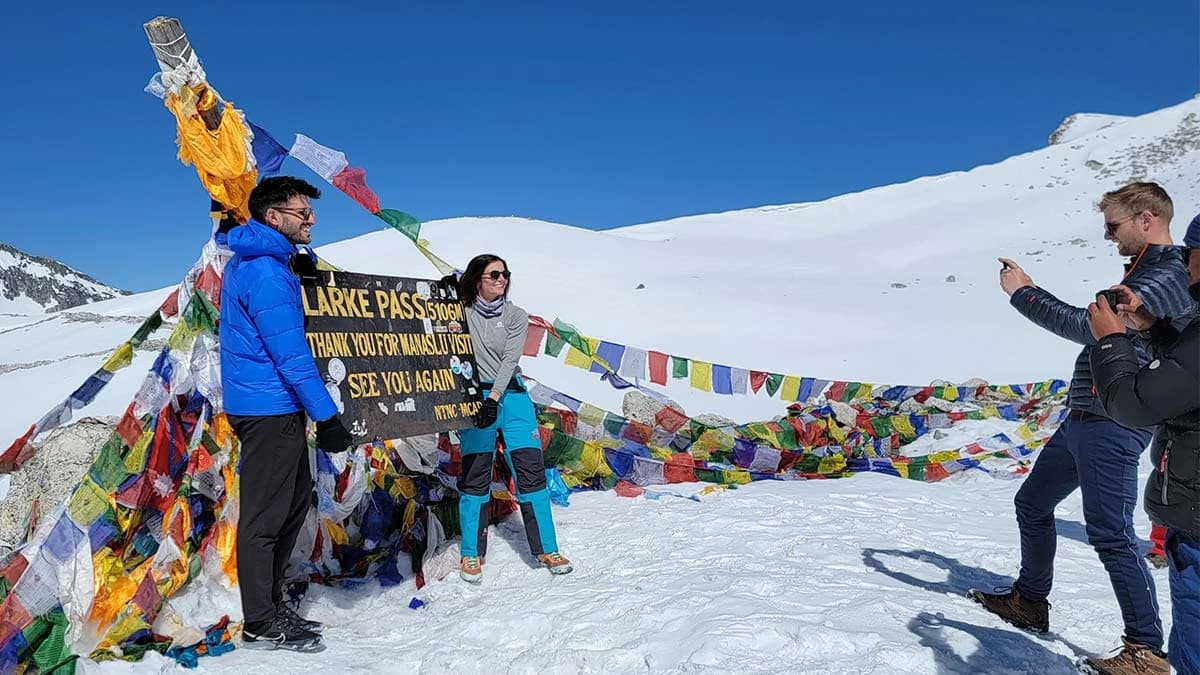
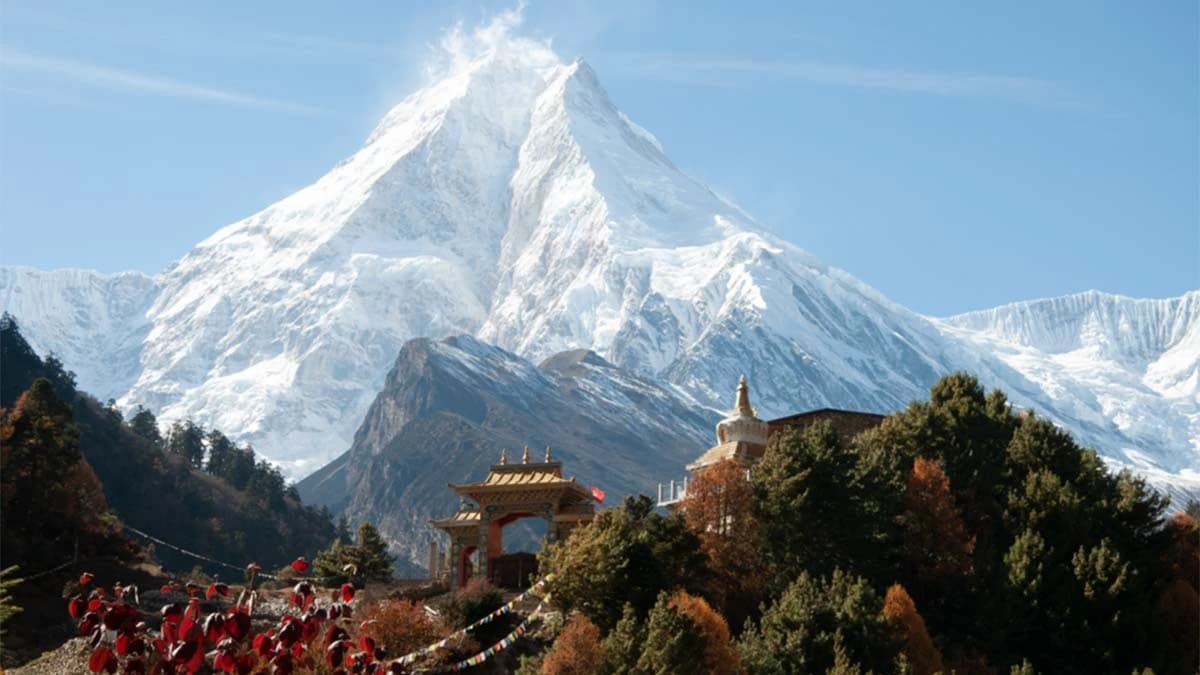
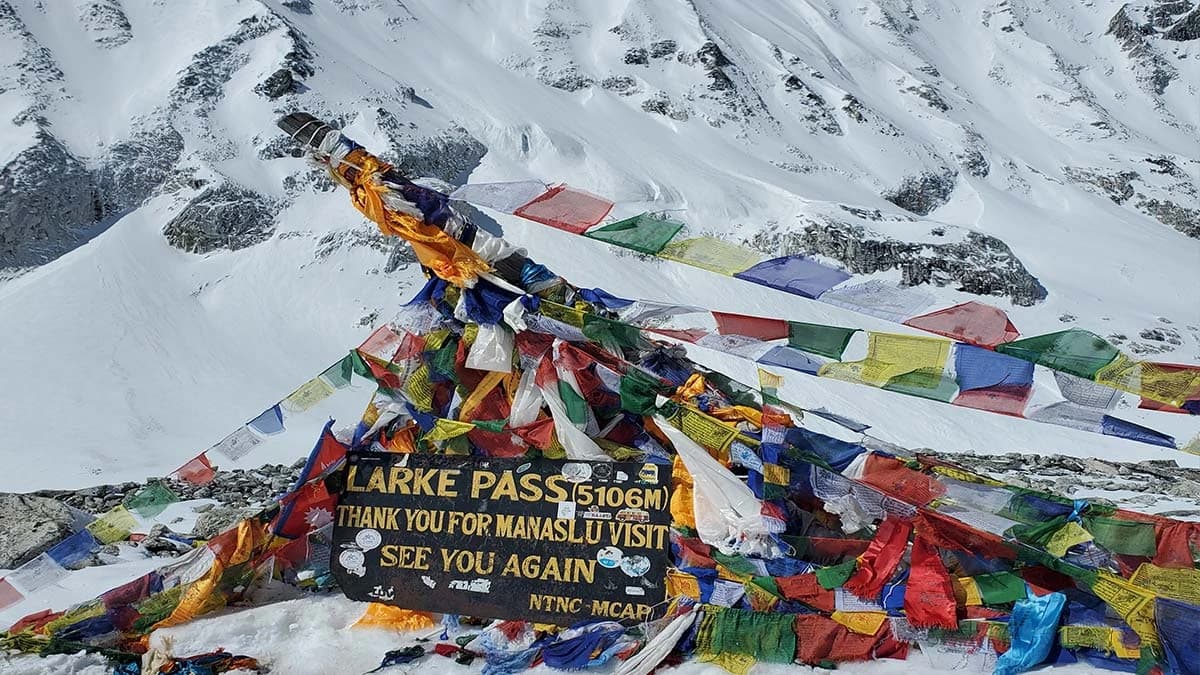
The Luxury Manaslu Circuit Trek is a 16-day premium trekking adventure that combines the remote beauty of the Manaslu Circuit with upgraded accommodation, private transportation, and personalized service. Reaching Larkya La Pass (5,106 m / 16,752 ft), the trek follows the classic route through Machha Khola, Jagat, Deng, Namrung, Shyala, Samagaon, Samdo, Dharamsala, and Bhimthang, surrounded by Mount Manaslu (8,163 m), Himalchuli, Ngadi Chuli, Ganesh Himal, and Sringi Himal. Designed for trekkers seeking greater comfort without sacrificing adventure, this guided luxury trek includes experienced guides, quality lodges where available, acclimatization days, and seamless logistics, making it one of Nepal's finest high-end Himalayan trekking experiences.
Trip Photos
Luxury Manaslu Circuit Trek 16 Days
52 reviews in Google Reviews
Duration16 Days
CountryNepal
Trip GradeModerate
Maximum Altitude5,106m
Group Size2-14 person
StartsKathmandu
EndsKathmandu
Travel StyleTrekking
Best TimeSpring and Autumn
Highlights of the Trek
- Circling around the world’s eighth-highest peak, Mount Manaslu (8,163m), on one of Nepal’s most dramatic trekking trails
- Exploring the traditional Himalayan villages like Jagat, Deng, Namrung, Samagaon, and Samdo, each of which reflects the Tibetan Buddhist heritage
- Opportunities to visit the ancient monasteries such as Pungyen Gompa and Ribung Gompa, where spirituality blends with mountain solitude
- Experience authentic encounters with Tibetan-influenced culture that have embraced the centuries-old traditions
- Crossing the legendary Larkya La Pass (5,160m), one of the highest and thrilling mountain pass in the Himalayas
- Breathtaking panorama of Manaslu, Himalchuli, Ngadi Chuli, Ganesh Himal, Shringi Himal, Annapurna II, Himlung Himal and Cheo Himal,
- Traverse across the stunning landscapes that shift from lush forests and terraced fields to high alpine wilderness and glacial valleys
- Enjoy a luxury trekking experience with upgraded accommodations, private guiding, and personalized services for comfort at altitude
- Discover a remote region still far less crowded than Everest or Annapurna, which offers a true sense of wilderness
Overview
The Manaslu Circuit Trek 16 Days Luxury package offers a rare blend of raw Himalayan adventure and refined comfort. This journey is designed for trekkers who are seeking the challenge of the high-Himalayan adventure without compromising on comfort. Following the trails around Mount Manaslu (8,163m), the world’s eighth-highest peak, this trekking trail passes across the remote valleys, hidden Tibetan-influenced villages, dramatic suspension bridges and the legendary Larkya La Pass (5,160m). While the classic Manaslu Circuit Trek is known for its ruggedness and authenticity, this luxury edition ensures that you will spend your nights in the region’s finest available lodges after long days’ exploration. We have handpicked accommodations along the trail that offer traditional charm with the comforts of the modern world.
Over 16 carefully crafetd days, this Manaslu Circuit Trek itinerary traces ancient salt-trading paths along the Budhi Gandaki River, ascends across the lush subtropical forests and transitions into barren high-altitude landscapes with breathtaking snow-capped giants backdrops. Besides the alluring Himalayan beauty, this trek offers deep cultural immersion. You will pass through villages like Soti Khola, Samagaon, Samdo, and Dharapani, where Tibetan Buddhist traditions remain alive and vibrant. Each stop on this circuit route has been chosen not just for acclimatization but also for its cultural richness. You will have enough time to connect with locals, visit sacred monasteries and experience the Himalayas at its purest and rawest form.
Unlike the standard Manaslu trek, this luxury itinerary elevates your experience with private guided services, premium logistics and upgraded accommodations. We ensure that every day of your journey balances adventure with relaxation. The 16-day Luxury Manaslu Circuit is more than just a trek; it is an exploration of untouched Himalayan beauty wrapped in comfort, perfect for those who want the thrill of remoteness without compromising on quality.
Short Itinerary Plan
Day 01: Arrive in Kathmandu (1,345m) and transfer to hotel
Day 02: Free day in Kathmandu and permit preparation
Day 03: Drive to Machha Khola (930m)
Day 04: Trek to Jagat (1,410m)
Day 05: Trek to Deng (1,800m)
Day 06: Deng to Namrung (2,540 m)
Day 07: Trekking to Shyala Village (3,500m)
Day 08: Trek to Sama Gaon via Pungen Gompa (3,530m)
Day 09: Rest day in Sama Gaon; Acclimatization and excursion
Day 10: Trek to Samdo (3,860m)
Day 11: Rest day in Samdo and excursion to Tibet border viewpoints
Day 12: Trek to Dharamsala (4,470m)
Day 13: Cross Larkya La Pass (5,106m) to Bimthang (3,720m)
Day 14: Trek to Dharapani (1,860m)
Day 15: Drive back to Kathmandu and transfer to hotel
Day 16: International departure
Luxury Manaslu Circuit Trek 16 Days Itinerary
Expand All
Day01
After stepping off the plane in Kathmandu, you will instantly get the opportunity to witness the vibrant chaos of Nepal’s capital. The colorful prayer flags fluttering in the breeze, the smell of incense and street food and the distant outline of hills that wrap around the valley. At the Tribhuvan International Airport (TIA), our representative will greet you and drive you through the bustling streets to your hotel in Thamel.
Depending on your arrival time, you can stretch your legs with a short walk across the narrow alleys packed with trekking shops, spice stores and rooftop cafés. In the evening, there will be a trek briefing, where you will meet your guide and understand the details about the trek.
Day02
This day of your Manaslu Circuit Trek itinerary is all about calm and enjoyable exploration. While your Manaslu Restricted Area Permit, ACAP, and MCAP are being processed, you will take your time to explore this beautiful capital valley. You might start your exploration in Kathmandu from Swayambhunath Stupa (Monkey Temple), climbing its stairway lined with prayer wheels to a hilltop view over the city.
Later, you can wander through the Boudhanath Stupa, Kathmandu Durbar Square and Pashupatinath Temple. After completing the sightseeing of these world-renowned UNESCO Sites, you will drive back to your hotel in Thamel. Here, you can pick up essentials and gear to prep your bag for the rugged trails. This is the last night in city life before you trade the traffic horns for river rapids, prayer flags and the serenity of the Himalayas.
Day03
The road journey leaving Kathmandu kicks off your real adventure. Today, you will drive on the highway that snakes west along the Trishuli River. Along the way, you will pass terraced fields, roadside tea stalls and small towns. Moving further ahead, the road gradually narrows as you head north and soon the Budhi Gandaki River becomes your constant companion.
This day’s driving adventure takes you through Dhading Besi before following a rougher track into the hills. Gradually, villages begin appearing on the roadside that reflect the countryside lifestyle. You will cross Arughat, which was once the main starting point of the Manaslu Circuit Trek. Then, after crossing Soti Khola, the road starts to get bumpier and hugs steep hillsides, crossing suspension bridges. By the time you arrive at Machha Khola, the air feels fresher and the valley narrower. Tonight, you will rest, enjoying the soothing sound of the river flow in the background.
Day04
This is the first day of trekking in your Manaslu Circuit Trek Nepal. The initial steps of the journey takes you along the Budhi Gandaki’s banks, where fields of millet and corn stretch along the banksides. You soon reach Khorla Besi, a small farming village where stone houses cluster around the path. Moving further ahead, the trails lead you to Tatopani, which is popular for its natural hot springs. From Tatopani, the path grows steeper, winds across the hillside and climbs towards Dobhan.
Then, the trail crosses the Budhi Gandaki multiple times on suspension bridges before taking you to Yaru Bagar. As you continue pushing further, you will walk across mani walls carved with Buddhist prayers signaling your arrival into a Tibetan-influenced region. Finally, a stone archway leads you into the Jagat Village. This is a well-organized village with flagstone-paved streets, traditional houses and terraced fields lined alongside the river. Jagat is also the official entry point into the Manaslu Conservation Area; this marks your first step into the protected wilderness.
Day05
Leaving Jagat Village, the trail drops down to the bank of the river before climbing through a series of stone steps that open into Salleri. It is a hillside village that offers panoramic views of the valley. From here, you descend to Sirdibas Village, which is marked by prayer flags and mani walls that signal the stronger Tibetan influence of the upper Budhi Gandaki. After crossing a suspension bridge from here, you will reach large Gurung village of Philim.
This village is known for the school built with Japanese aid and its wide neat streets. Beyond Philim, the trail grows quieter and passes through millet fields and pine forests. You will then cross the tiny hamlets of Ekle Bhatti (lone teahouse) and Pewa. As you continue deeper into the gorge, the path clings to cliffsides, with waterfalls tumbling down the opposite face. Finally, during the final segment of this day’s portion of exploring the Manaslu Circuit Trek map, you will cross another bridge to reach Deng, which is a small but culturally rich village where Tibetan traditions become even more prominent.
Day06
From Deng, the trail crosses the Budhi Gandaki and climbs gently through the hamlet of Rana Gaon, tucked into a forested slope. You then continue moving on the trail along the river and pass the small settlement of Bihi Phedi. Here, mani stones line the trail and you will be able to catch the stunning glimpses of Shiringi Himal on the western side. This day’s trek is a mix of up and down through dense pine forests.
On the stretch ahead, you will cross a suspension bridge to reach Ghap Village. From here, the valley narrows dramatically and the sound of the river echoes through the gorge. Beyond Ghap, the climb steepens and you will walk through a cool forest of fir and rhododendron. If you are lucky, you might spot langur monkeys leaping between branches. Eventually, the stone steps lead up to Namrung Village, a fortified village with a watchtower-style entrance. This high-altitude village offers your first clear views of Manaslu North and Naike Peak, reminding you how close the high Himalayas have drawn.
Day07
Enjoying your stay at Namrung, which feels like stepping into another world with its stone houses, prayer flags and villagers in traditional Tibetan dress, it's time to proceed further with your Manaslu Circuit Trek itinerary. Leaving the beautiful village behind, you will move along the route that steadily climbs through barley fields and forests to reach Lihi Village. Walking further ahead, you pass Sho Village.
The mountains loom ever larger and the air grows crisper as you climb higher. Soon you reach Lho Village. This is one of the most beautiful villages on the route, famous for its Ribung Monastery perched above the settlement. From Lho, the view of Manaslu is simply stunning. After savoring the scenery, your trekking continues through forests and yak pastures until you arrive at Shyala. This is a high-altitude village surrounded on all sides by the amphitheater of peaks, which makes Shyala an unforgettable place to spend the night.
Day08
Your adventure on this day begins with a short, gentle walk across pastures, streams and scattered juniper trees. From Shyala, you will walk across the wide fields and chortens that signal the outskirts of Sama Gaon. But before settling in at this popular rest stop, many trekkers take a detour to the sacred Pungen Gompa, a monastery perched on a ridge with a dramatic view of Manaslu’s south face rising above.
This gompa is quiet, visited by monks and herders and offers one of the best vantage points in the entire region. After returning from the gompa, the trail leads into Sama Gaon. This is the cultural heart of the Nubri Valley, which houses traditional stone houses barley and potato fields, and an ancient monastery. At an altitude over 3,500 meters, Sama Gaon feels remote, timeless and profoundly Himalayan.
Day09
As you have climbed to a major elevation point, this day of your Manaslu Circuit Trek Itinerary is all about rest and acclimatization. Sama Gaon is the perfect destination for it as it is kind of place where you could stay for days. The village itself is fascinating with the clusters of stone houses, fields of barley and potatoes, ancient mani walls and locals who have embraced the Himalayan lifestyle.
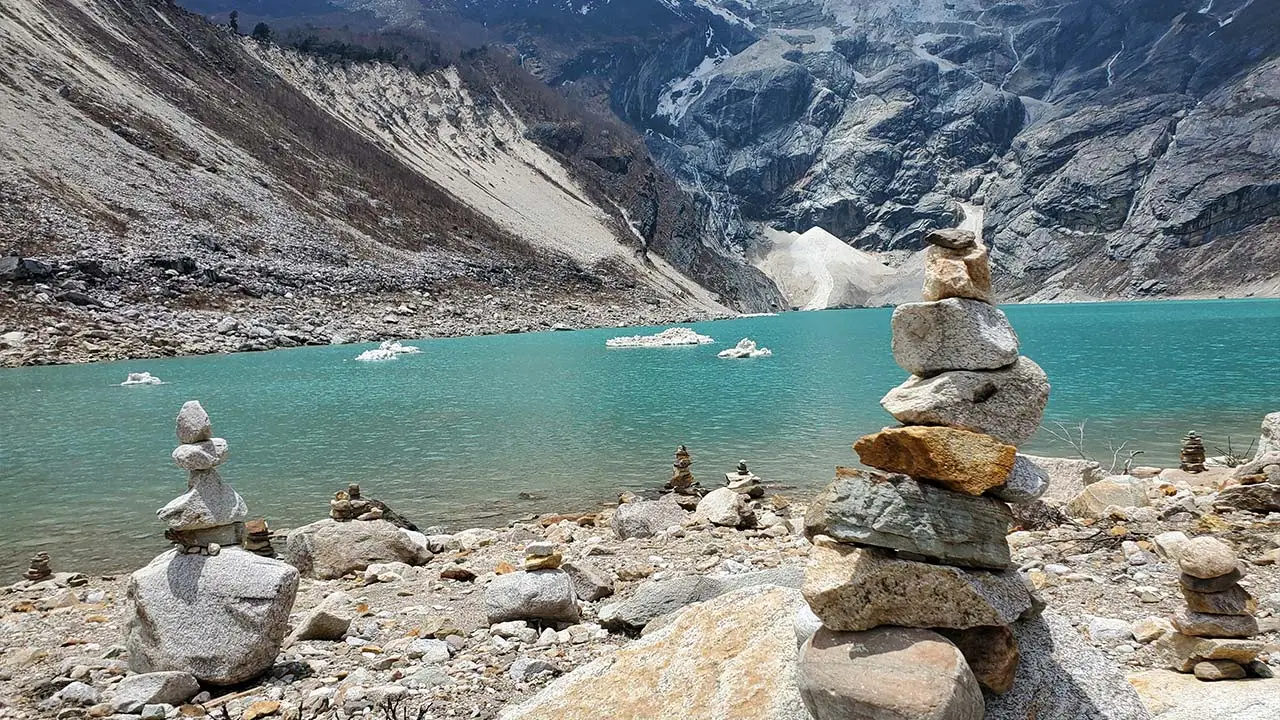
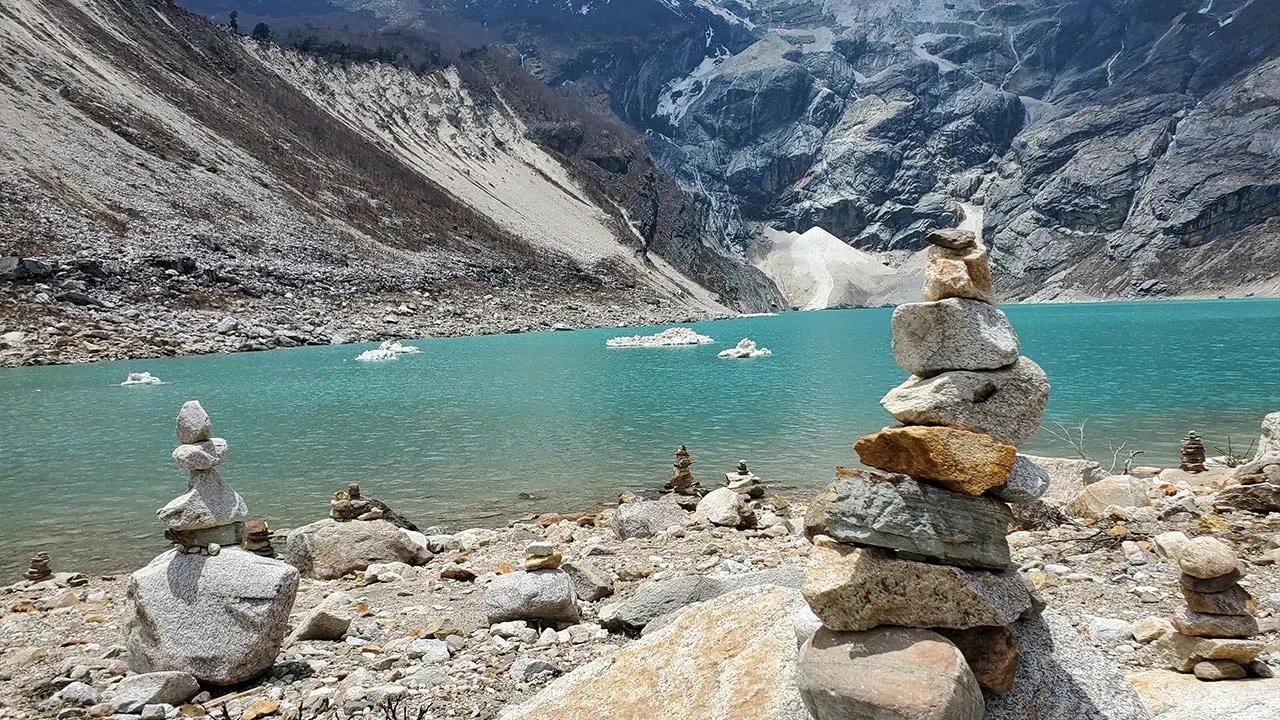
Since this is an acclimatization day, you will take a shorter hike to help the body adjust. A popular option is the climb to Birendra Lake, a turquoise glacial lake set beneath the massive Manaslu Glacier, is one of the ideal destinations. For those with more energy, the trail continues higher towards Manaslu Base Camp (4,800m). From the base camp you can catch the sweeping views of glaciers and towering peaks. After the acclimatization hike, during the later afternoon, you can wander through Sama Gaon, you can also visit the old monastery, sit by spinning prayer wheels and experience the deeply Tibetan character of the Nubri Valley.
This is not just a rest day, it is a day to soak in mountain life at the very heart of the Manaslu Circuit Trek.
Day10
After leaving Sama Gaon, the trail follows yak pastures and mani walls before gradually climbing through alpine meadows. You wull continue walking alongside the river, now smaller but still roaring as it cuts through the valley. Passing the juniper-fringed slopes, you move through small seasonal hamlets like Kermo Kharka which is used by herders in summer. As you climb higher, the views open wider with every step, Manaslu, Naike Peak, and even Himal Chuli shrinking behind as you head north.
After a few hours of walking, the large village of Samdo comes into view, perched on a ridge just a day’s walk from the Tibetan border. Samdo is almost entirely Tibetan in culture; it has flat-roofed houses and you can see prayer flags everywhere. The remoteness is felt here; now, you have entered one of the last true Himalayan frontier villages of the Manaslu region.
Day11
This is another rest day in your Manaslu Circuit Trek itinerary. Samdo Village sits at a high altitude, so another acclimatization stop here will make your journey ahead feel more comfortable. From the village, side trails lead into spectacular landscapes. Trekker’s favorite is the hike towards the Tibetan border, it has a high pass, Rui La, which was once used for the salt trade.
The climb is steady and along the way you will witness herders’ shelters, grazing yaks and views stretching into the barren plateau of Tibet. From the top of the pass, you can see deep into both countries, Nepal on one side with snow peaks, Tibet on the other with dry hills. For a shorter option, you can hike to the surrounding ridges at the outskirts of the village that overlook Manaslu and Samdo Peak. Back in the village, you might notice traders arriving from Tibet, carrying Chinese goods, this high-altitude village is still a crossroads between two worlds.
Day12
The Manaslu Circuit 16 Days trail on this day feels like it’s leading straight into the sky. Leaving Samdo, you will cross a wooden bridge over the Budhi Gandaki, then climb steadily past old mani walls and ruins of trading posts. There are no real villages on this day’s trail, only seasonal yak pastures like Larkya Bazaar, which was once a bustling marketplace. The landscape is stark with rocky hills, scree slopes and mountains looming on all sides.
As you continue to walk further, the trail rises steadily until you reach Dharamsala, this rest stop is also called Larkya Phedi. It is a simple stone shelter that has a few teahouses and serves as the last stop before crossing Larkya La. At 4,470 meters, the air is thin, which can be felt by every movement. Trekkers usually rest early, preparing for the long climb over Larkya La the next morning.
Day13
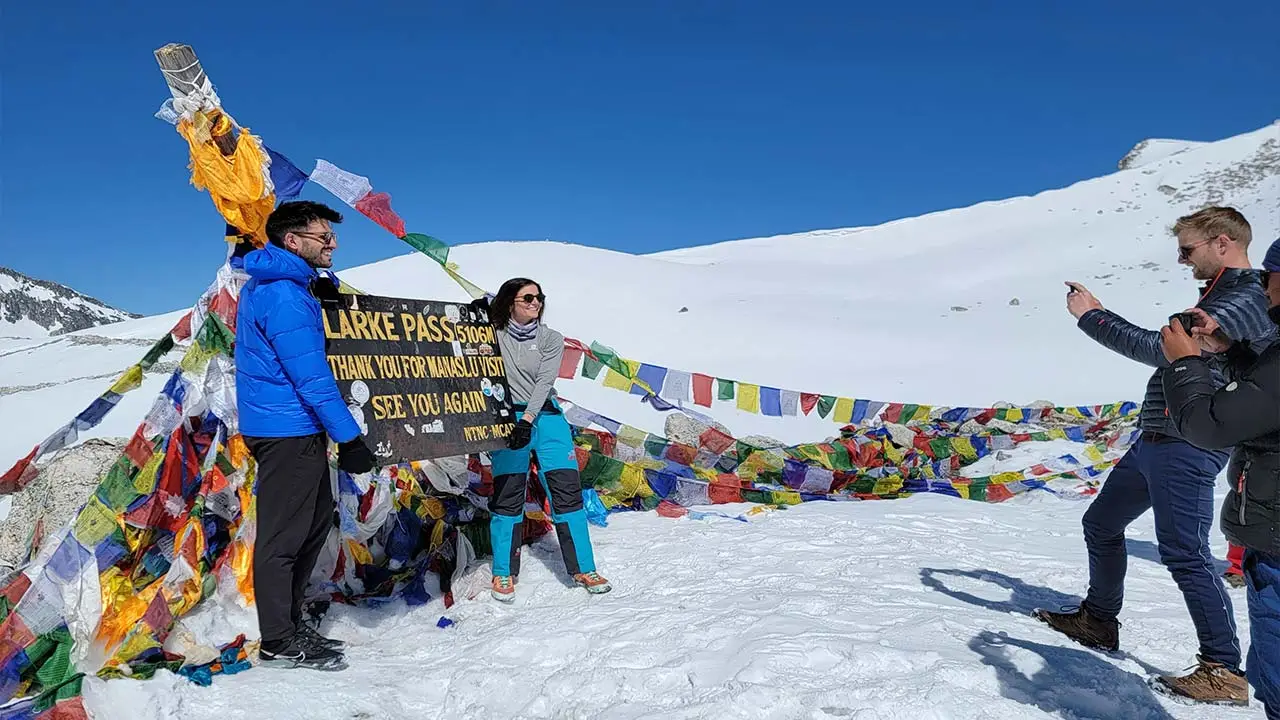
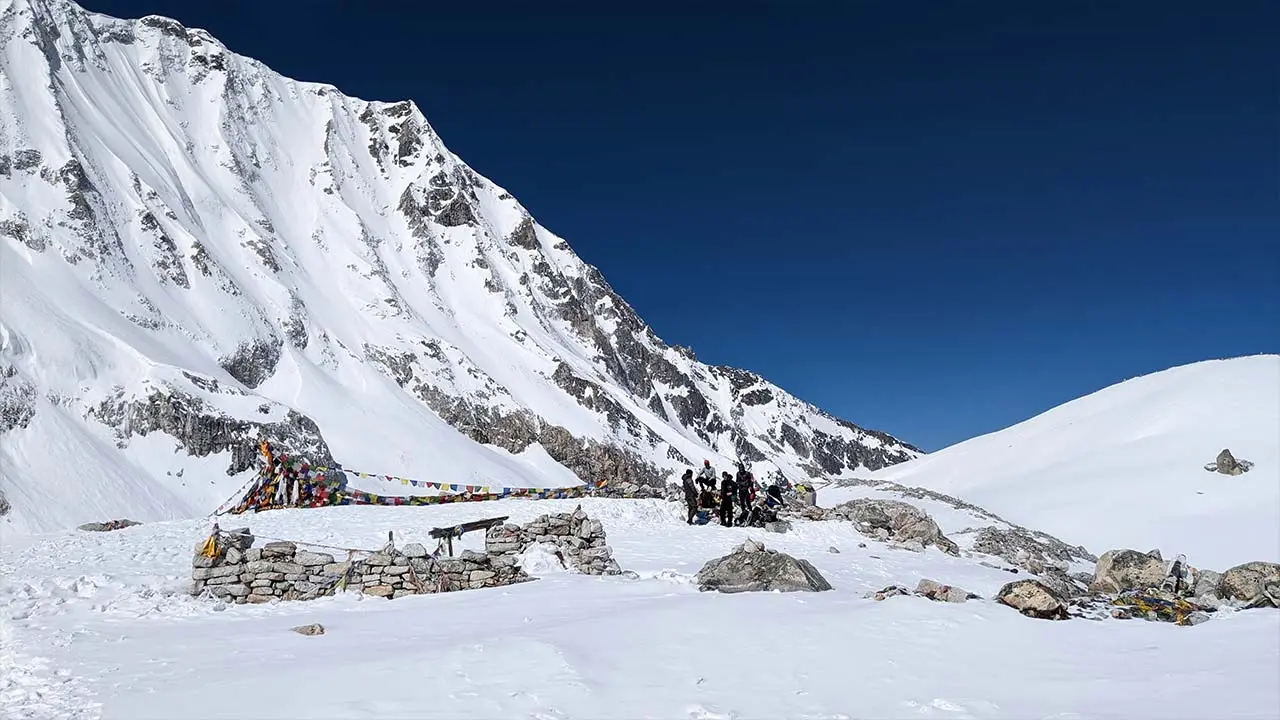
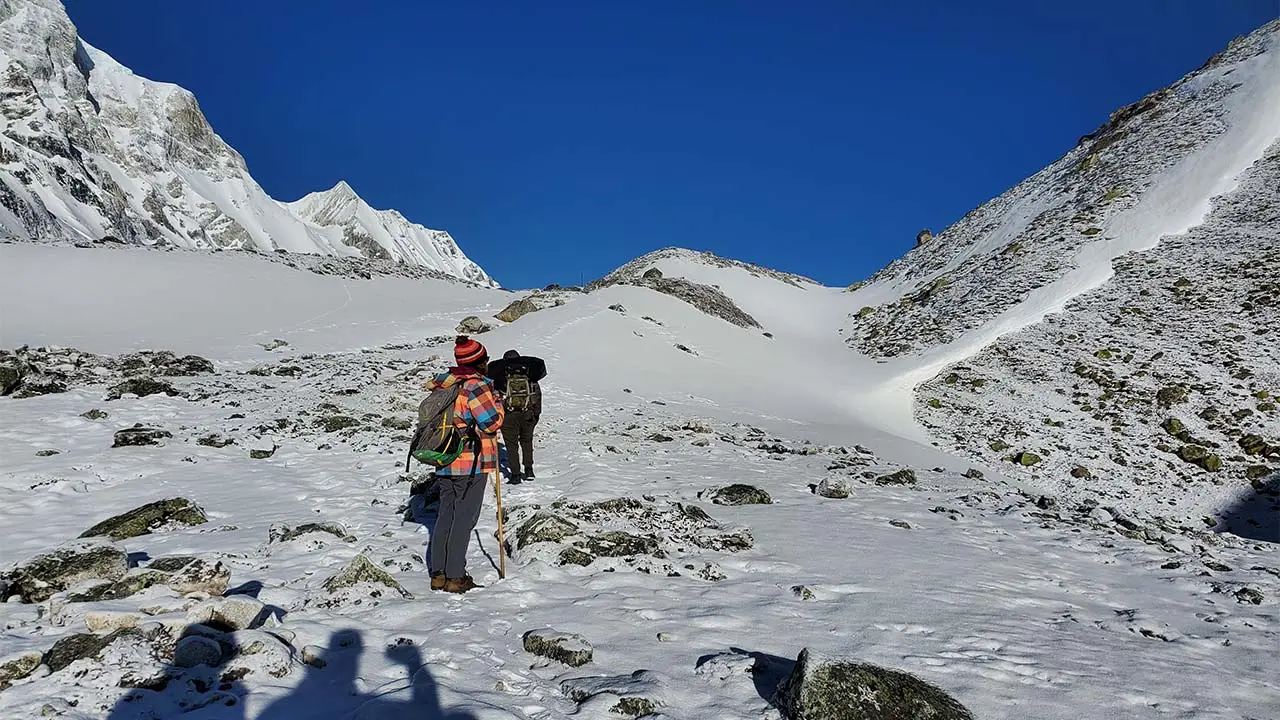
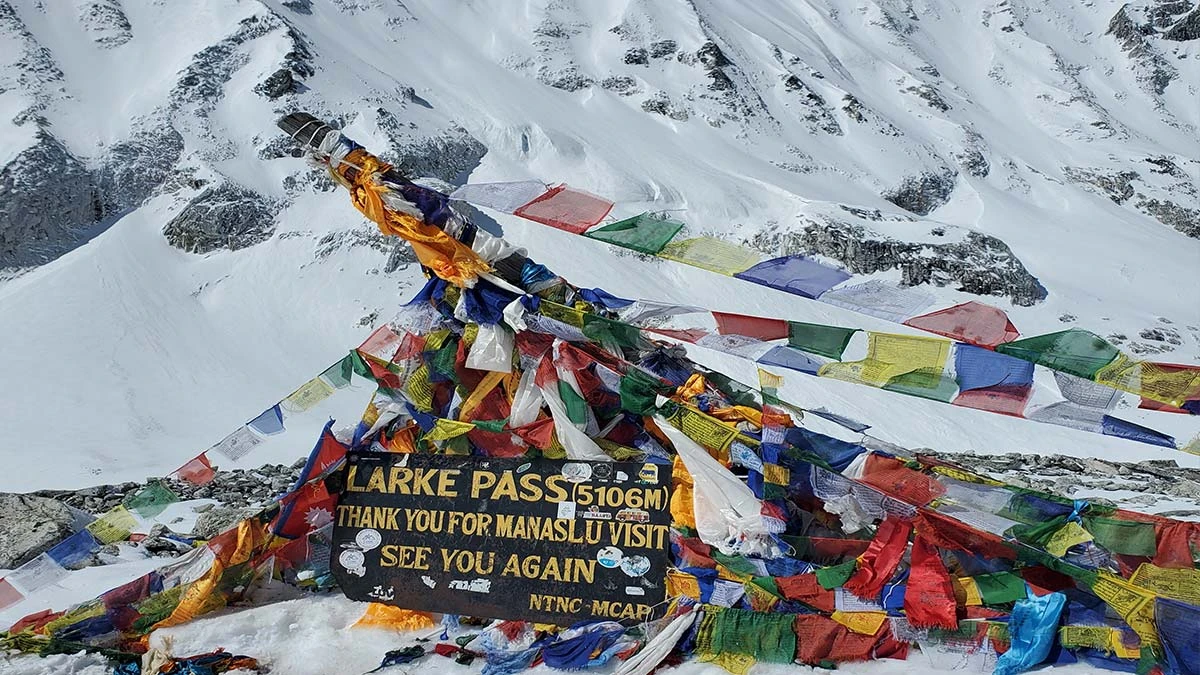
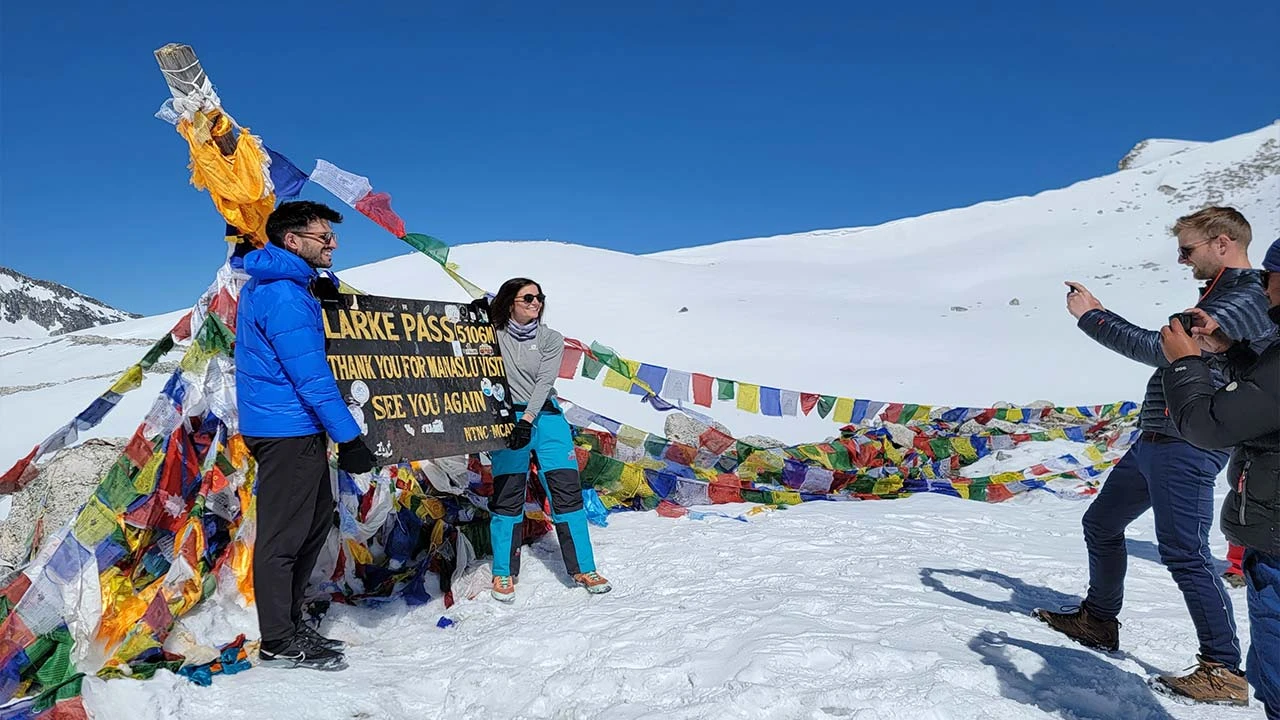
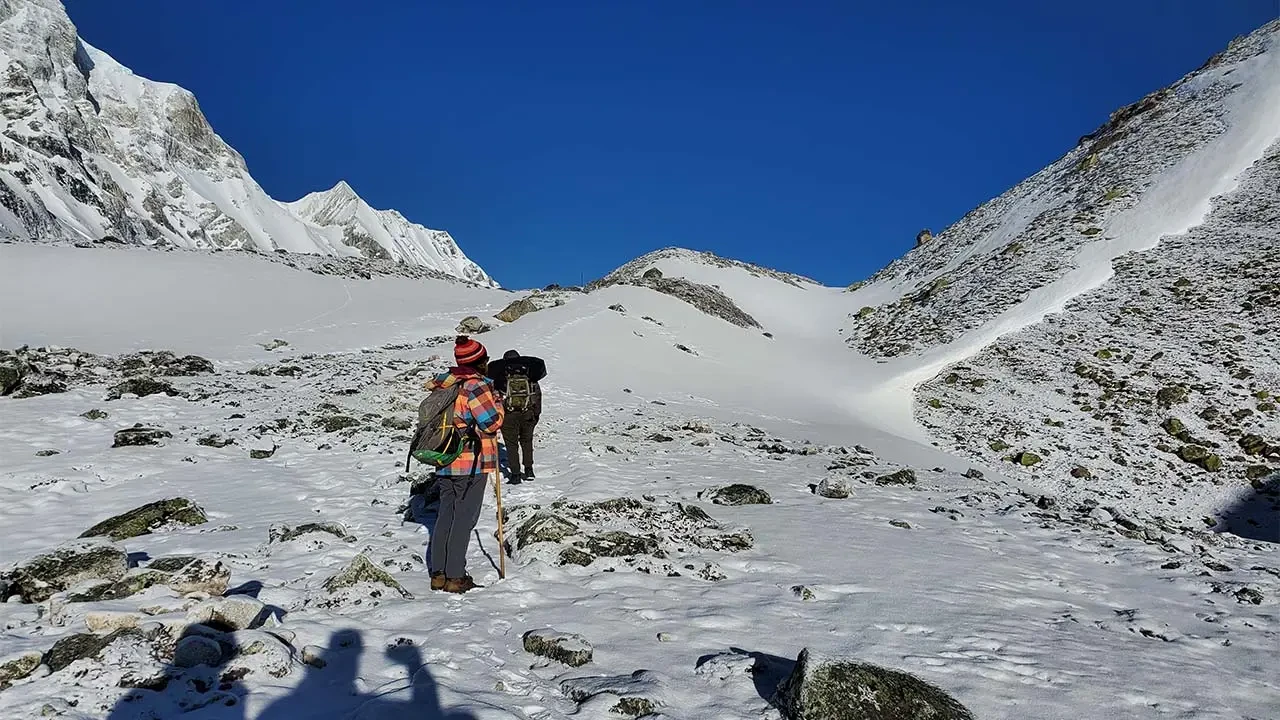
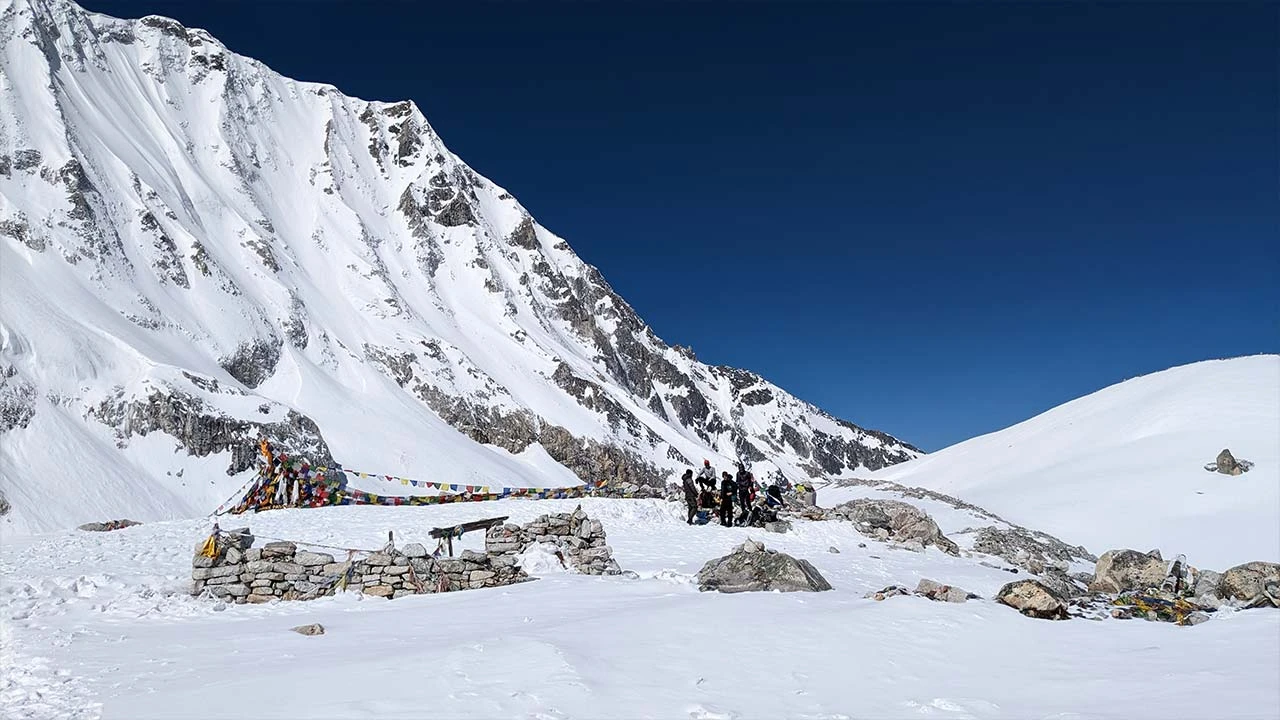
This is the crown jewel part of the Manaslu Circuit Trek in Nepal. This is the day you cross Larkya La Pass, the gateway over 5,100 meters. Today, you will wake before dawn, when the world feels frozen and the peaks glow pink in the first light. The trail from Dharamsala starts steep, zigzagging over rocky terrain and scree slopes, past frozen streams and scattered yak grazing grounds. Prayer flags flutter along the ridge, carried by the icy wind and they guide your every step.
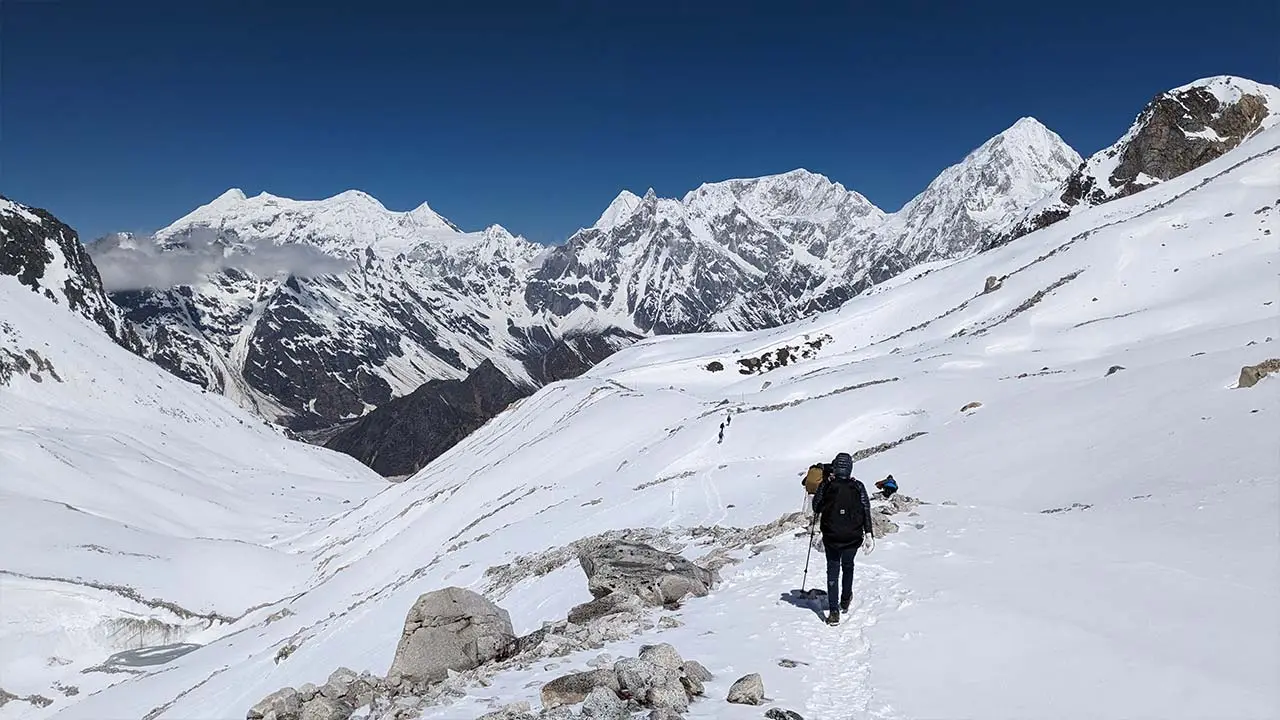
The ascent is challenging and every breath feels precious. After reaching the summit, the view is breathtaking; you can witness an endless panorama of snow peaks: Manaslu, Himlung, Cheo Himal, Kang Guru, Gyaji Kung and the surrounding ridges that stretch into the Tibetan plateau. After soaking in the majesty, your descent begins. The trail drops sharply through rocky valleys and moraine until you reach Bimthang, a peaceful settlement of stone houses with yak pastures surrounding it. This is an ideal place to rest, reflect and celebrate the achievement.
Day14
After completing the circuit route, you begin your return journey on this day. From Bimthang, the trail turns south and descends through forests of pine, rhododendron and oak. You pass small villages along the way, including Ribung and Tal, where mani walls and prayer wheels remind you of the Tibetan influence. The Budhi Gandaki River grows closer and the air becomes warmer as you lose altitude. The descent may feel long, but it is rewarding.
As you continue walking, downhill, the terraced fields reappear and the architecture shifts back from stone Tibetan-style houses to typical Nepali villages. By late afternoon, you reach Dharapani, a bustling village perched on the riverbank. The contrast from the high alpine world of Bimthang to the green valleys here is feels striking. Dharapani is lively, with comfortable tea houses that offer hot food and warm beds, making it a perfect final stop before returning to the capital.
Day15
On this final day on the mountain, your journey begins with a scenic drive back to Kathmandu. You will retrace the winding roads through Syange, Jagat and Arughat, passing the terraced hillsides, rivers and roadside villages that first marked the start of the trek. The vehicle bumps along narrow gorges and river valleys, offering one last glimpse of the Himalayas before you enter the vibrant chaos of the capital.
After arriving in Kathmandu, you will be transferred to your hotel. The evening is free to relax, enjoy a hot shower, maybe dine on traditional Nepali delaicsies and reflect on the Himalayan journey that you have just completed. The Himalayas now live in your memory, each village, bridge and peak vivid in your mind.
Day16
Your Nepal Manaslu Circuit Trek adventure concludes with a transfer to Tribhuvan International Airport for your onward flight. As you head home, you carry with you the complete experience of the Manaslu Circuit. This trek has shown you Nepal’s diversity in both landscapes and people, from the subtropical valleys to alpine glaciers leaving you with memories of adventure, culture and the raw beauty of the Himalayas. Have a safe journey!
Is the proposed itinerary suitable for you?If you are looking for a custom itinerary, please feel free to reach out to our team of professionals at any time.
Customize TripTrip Service Details
Includes
- 4 night's accommodation in 5 star Hotel
- Round Private Transportation from/to Kathmandu (Kathmandu- Machha Khola/ Besisahar - Kathmandu)
- 12 nights' accommodation in a standard tehouse/lodge during the trip
- Full board meals during the trek
- All necessary Trekking Permits (MCAP, MCAP, special permit * Chum Nurbi rular municipality permit)
- Highly experienced, government-licensed, English-speaking trekking guide
- Dedicated porters (2 trekkers, 1 porter, carrying a minimum of 15- 20 kg)
- All staff expenses covered: guide porter wages, insurance, food & accommodation
- All applicable local and government taxes and service charges.
- A comprehensive first aid kit is carried by the guide
- Achievement certificate (available upon request)
Excludes
- International Flight Cost
- Nepalese Visa Fee.
- Travel and Medical Insurance(Mandatory)
- Personal expenses like the Internet, phone calls, beverages, hot shower, bar bills, laundry, battery recharge, etc.
- Emergency evacuation for mishaps or natural calamities, or health issues
- Any other expenses that are not mentioned in the “Services Included” section
- Tips for guide & porter(expected)
- Any emergency evacuation service Cost.
- If you extend the trek to Tsum Valley requires an additional cost for a permit($40), a guide, food, and accommodation.
Additional Info
Manaslu Circuit Trek Best Time
Choosing the right season is key to experiencing the best of Manaslu Circuit Trek. The trail passes through everything from lowland terraced farm and subtropical valleys to high alpine ridges and glacial passes, so the timing of your trek is crucial. The prime trekking months for this circuit route are spring (March to May) and autumn (September to November). In spring, the rhododendron forests burst into bloom, the weather is stable and the skies remain clear. You will be able to enjoy spectacular views of Manaslu and the surrounding giants.
Autumn, on the other hand, follows the monsoon season so the air is crisp, the landscapes are washed fresh and green and the mountain panoramas are crystal clear. This is also one of the major festive seasons in the calendar as it celebrates the biggest festivals in the country like Dashain and Tihar. As for the winter (December to February) it brings a stark beauty with snow-draped valleys and fewer trekkers. But the cold can be intense and Larkya La Pass may become difficult or even impassable.
Likewise, monsoon (June to August) transforms the valleys into lush jungles with cascading waterfalls. However, heavy rain, slippery trails and landslides make it less favorable. So, for most trekkers, spring and autumn strike the perfect balance of safety, comfort and scenery. Undoubtedly, these are the best windows to walk this wild and remote circuit.
Trek Difficulty
The Manaslu Circuit Trek difficulty is at a moderate level. This trekking route is not technical, meaning you will not need ropes, ice axes, or climbing gear for the journey. But it does demand solid fitness, stamina and preparation. The main difficulty of the Nepal Manaslu Circuit Trek comes from long walking days, high altitude, and remote conditions.
On average, you will need to trek for 6 to 7 hours per day, sometimes longer on tougher sections like the climb to Namrung or the crossing of Larkya La Pass (5,106m). The pass crossing day is the most demanding part of the trail, as it involves a long ascent on rugged, often snow-covered trails, followed by a steep descent into Bimthang. Altitude sickness is another factor that the trekkers need to be careful about. The villages like Sama Gaon (3,530m) and Samdo (3,860m) sit high enough to cause altitude-related issues if you rush without preparation. That’s why acclimatization days are built into the itinerary.
The trail itself is mix of stone staircases, narrow cliffside paths above the Budhi Gandaki River, suspension bridges, forest trails and high alpine routes. Don’t take this journey as a casual hike in the backyard. You will need a good level of cardio endurance, leg strength, and mental resilience. That said, thousands of trekkers complete the Manaslu Circuit each year without issues. With proper pacing, acclimatization and the exceptional support of guides and porters, this circuit trek is achievable for anyone with determination, reasonable fitness and an unwavering spirit for adventure.
Accommodation and Food on the Trek
The Manaslu Circuit Trek 16 Days is remote compared to the Everest Base Camp Trek or Annapurna Circuit routes. But you will still find teahouse accommodation in every village along the way. You shouldn’t expect luxury; the rooms are usually simple with twin beds, a mattress, a blanket and a pillow. Toilets are often shared and hot showers (where available) come at a small extra cost. The teahouses in this isolated trail of the Himalayas are basic but cozy.
As for the food in the teahouses, the menus include a mix of local Nepali meals and basic Western dishes. The staple is dal bhat (rice, lentils, vegetable curry and pickles) which keeps you full and energized. Other options include noodles, fried rice, pasta, soups and Tibetan-style bread. Meat becomes less common and is not recommended at higher altitudes since it is carried up without refrigeration. Breakfast usually includes tea or coffee, porridge, chapati, eggs or pancakes. Dinner is served in the warm common dining hall, often heated by a yak-dung stove, where trekkers gather to share stories of their adventures.
While simple, the food and lodging are part of the charm of the Manaslu circuit. You will get get to experience the mountain lifestyle, eat what the locals eat and rest in traditional villages that feel far away from the modern world.
Packing List– What to Bring?
The Manaslu Circuit Trek packing list isn’t just about throwing gear into your duffel bag. In this journey, you are covering terrain that ranges from subtropical valleys at 700 to 900 meters to icy alpine passes above 5,000 meters. That means you will face hot, humid days at lower elevations, chilly evenings in villages like Namrung and Sama Gaon and freezing winds around Larkya La Pass.
This region is remote, with limited supplies once you leave Soti Khola. So, here, being well-prepared is key. Here’s a season-proof, teahouse-based packing checklist designed for spring and autumn, the most popular trekking seasons for the Manaslu Circuit Trek in Nepal.
Clothing
Base Layers
- Moisture-wicking quick-dry t-shirts
- Thermal tops (merino wool or synthetic)
- Thermal leggings for higher altitude nights
- Lightweight trekking shirts with long sleeves
- Trekking shorts for warm days in lower valleys
Mid Layers
- Fleece jacket or pullover
- Insulated synthetic jacket or lightweight down jacket
- Warm vest or sweater for layering
Outer Layers
- Windproof/waterproof shell jacket
- Waterproof trekking pants or softshell pants
- Lightweight poncho or packable rain jacket
Undergarments
- Quick-dry undergarments
- Warm thermal undergarments for nights at higher villages
Accessories
- Sun hat or cap with brim
- Fleece or wool beanie
- Buff or neck gaiter
- Lightweight liner gloves
- Insulated gloves/mittens
- Sunglasses with high UV protection
Footwear
- Sturdy, high-ankle trekking boots (make sure to break them in before the trek)
- Moisture-wicking trekking socks
- Warm thermal socks
- Sports shoes or trainers
- Lightweight sandals or camp shoes
- Gaiters (optional, useful in snow or mud)
Toiletries and Personal Hygiene
- Quick-dry towel
- Toothbrush and toothpaste
- Biodegradable soap and shampoo
- Wet wipes or body wipes (useful when showers aren’t available)
- Sunscreen
- Lip balm with SPF
- Toilet paper (not provided in teahouses)
- Hand sanitizer
- Nail clipper
- Razor and small shaving cream
- Female hygiene products
- Small mirror and comb

Trekking Equipment
- Best Trekking Equipement is Four-season sleeping bag (–15°C comfort rating recommended)
- Sleeping bag liner (for extra hygiene and warmth)
- Trekking poles
- Reusable water bottles or hydration bladder
- Water purification tablets or portable filter
- Lightweight padlock for your duffel bag
- Duffel bag or rucksack for porter load
- Daypack (20 to 30L) for your daily essentials
- Small trash bag for waste
- Basic first aid kit (with Diamox or prescribed altitude meds if needed)
- Sewing kit or repair kit
Electronics and Power Backup
- Power bank (10,000–20,000 mAh recommended)
- Headlamp with spare batteries
- Universal adapter
- Charging cables
- Smartphone or camera with spare memory cards
- Offline trekking maps
- Solar charger or solar power bank (optional but useful)
- Earphones or earbuds
- Kindle or small e-reader for rest days
Optional Extras (But Recommended)
- Energy bars, chocolates, or trail mix
- Electrolyte powders for hydration
- Instant tea or coffee packets
- Playing cards, journal, or a book for evenings
- Lightweight sit pad for rest stops
- Binoculars for spotting peaks and wildlife
- Neck pillow for long jeep drives
Permit Requirement
The Manaslu region is a restricted area of Nepal, so independent trekking here is not allowed. To trek here, you must obtain specific Manaslu Circuit Trek permits and you can only enter with a registered trekking agency and a licensed guide. These rules are in place to control tourism flow, protect the environment and respect the cultural sensitivity of the border region with Tibet.
Here is the list of Manaslu Circuit Trek permits that you will need for this trek:
- Manaslu Restricted Area Permit (RAP)
- Manaslu Conservation Area Project (MCAP) Permit
- Annapurna Conservation Area Project (ACAP) Permit
The RAP Permit of Manaslu costs USD 100 per person in autumn (September to November)for the first 7 days and USD 15 for each additional day. As for other months, (December to August), the cost is USD 75 per person for the first 7 days and USD 10 for each additional day. Both of the conservation areas permit cost around USD 30 per person. For this restricted area route, you must trek with at least two people (plus a licensed guide). Solo trekking is not permitted, but trekking agencies often arrange to group solo trekkers together to meet the requirement.
Training & Preparation
The Manaslu Circuit Trek is not a walk in the park, this is a high-altitude journey that takes you into some of the most remote and rugged landscapes of Nepal. To truly enjoy the experience, it is essential to prepare your body and mind in advance to handle the different aspects of the Manaslu Circuit Trek difficulty. This remote journey in the Himalayas involves long walking days, steep ascents and descents, rocky trails and the challenge of crossing the Larkya La Pass. Add thinner air conditions to that at higher elevations and you will understand why proper training is essential.
For a good level of preparation, you should train at least 8 to 12 weeks before your trek. Your focus during the training should be on building cardiovascular endurance, leg strength, stamina, balance and mental resilience. Regular hikes on hilly terrain with a loaded backpack (5 to 10 kg) are one of the most effective way to train for the trek, as they closely simulate the actual trekking conditions. If you don’t have access to trails, stair climbing, treadmill incline walks and cycling are solid alternatives.
Likewise, strength training is equally important; exercises like squats, lunges, planks, and step-ups help condition your legs and core for the demanding trails. Acclimatization is another key aspect of preparation. While you can’t train your body for altitude at home, you can prepare by maintaining good fitness and understanding how to pace yourself. Or, you can practise acclimatization at a high-elevation region nearby. Furthermore, knowing the symptoms of altitude sickness (headache, dizziness, nausea, shortness of breath) and being prepared to act is part of being trek-ready.
Group Joining and Private Trek
You can experience the Manaslu Circuit Trek 16 Days in Nepal by either joining a group trek or going on a private trek. Each of these approaches offers a different experience. In a group trek, you will be part of a pre-arranged team organized by a licensed trekking agency. This is ideal if you are traveling solo or want the company of other trekkers. The trekking agency will take care of all the logistics, permits, accommodation, transportation and guides. This way, you can focus on walking, enjoying the scenery and connecting with fellow trekkers without worrying about anything.
In overall, the pace is set by the group which can be motivating and you will have support from the guide and porters along challenging sections, especially on long days or the high-altitude crossing of Larkya La Pass. On the other hand, a private trek offers a fully personalized experience. You can decide the pace, rest stops and schedule, which is perfect for families, couples, or small groups of friends. With a dedicated guide and optional porter team, you can linger longer in the traditional villages, explore scenic side trails, or adjust your trek based on weather and fitness. A private trek gives more flexibility and privacy, letting you shape the journey exactly as you like while still having expert support for navigation, permits and safety.
So, whether you choose to join a group or explore the mountain in private setup, both options ensure that you experience the Nepal Manaslu Circuit Trek safely and comfortably.
Customization Option and Flexible Schedules
One of the advantages of doing the Manaslu Circuit Trek 16 Days with Recreation Holidays is that we offer a customization option to suit your preferences, fitness level and schedule. While standard itineraries are designed to balance acclimatization, trekking time and sightseeing, our agency allow trekkers to adjust the route, pace and duration to fit personal needs and enjoy the journey they have dreamed of.
This is an ideal option if you prefer a more relaxed pace, extra rest days in villages like Sama Gaon or Samdo, allowing time to explore local culture, visit monasteries or simply enjoy the Himalayan vistas. Similarly, active trekkers may shorten some village stops or combine shorter days to focus on reaching high points like Larkya La Pass efficiently. For families or groups with varying fitness levels, itineraries can be adapted so everyone stays comfortable and safe without feeling rushed.
Our flexibility option for this circuit route also applies to logistics, pickup and drop-off locations, jeep rides to trailheads and even accommodation choices. Some trekkers may wish to start or end the trek in different villages or extend the trek into side trails to experience hidden valleys, local festivals, or unique viewpoints. We will oversee all of your needs without missing a beat.
Safety and Altitude Sickness
The Nepal Manaslu Circuit Trek is a remote, high-altitude trek, with the highest point at Larkya La Pass (5,106m). The primary risk in this journey is altitude sickness. Trekkers may feel the light symptoms like headache, dizziness, nausea, fatigue, or shortness of breath while ascending to the higher part of the trail. Symptoms can occur anywhere above 3,500 meters, especially if you ascend too quickly without following a proper acclimatization schedule.
To stay safe, you need to follow proper acclimatization calendar, take rest days in high villages like Sama Gaon and Samdo, stay hydrated, eat well and listen to your body. If symptoms worsen, descending immediately is the safest option. Trail conditions and weather are additional factors to consider if you are taking on this circuit route. As the paths can be narrow, rocky, or slippery after rain or snow, you need to understand the trail conditions before choosing the time for the trek. Also, traveling with a licensed guide and porter team is strongly recommended, as these exceptional professionals know the route, can monitor altitude sickness, provide local advice and assist in emergencies.
The medical facilities along the route are limited. Teahouses provide only basic first aid and serious emergencies require evacuation by helicopter (arranged by trekking agency and covered by your insurance). By pacing yourself, acclimatizing properly and following safety guidelines, you can enjoy this wonderful journey in the isolated heart of the Himalayas with minimal risk, safely and confidently.
Internet, Connectivity and Charging on the Trail
The Manaslu Circuit Trek map stretches across the remote parts of the west-central Himalayas. So, mobile connectivity and internet access are limited along the route. In lower villages like Machha Khola, Jagat and Deng your devices may get a weak 3G or 4G signal from popular networks such as Ncell or Nepal Telecom. As you climb higher, especially above Namrung and Sama Gaon, the signal becomes less reliable and often disappears entirely.
In Samdo and near Larkya La Pass, you should expect no mobile connectivity, making these sections ideal for disconnecting but unsuitable if you need constant communication. Likewise, the internet access in teahouses is limited. Some lodges at the lower regions offer Wi-Fi, but speeds are slow and sometimes unreliable. So, it is best to plan any important communications or work before leaving the lower villages.
Similarly, charging your devices in this remote route requires preparation. Many teahouses have electricity for charging, but power may be limited especially during peak evening hours. A high-capacity power bank (10,000 to 20,000 mAh) is highly recommended to keep devices powered throughout the trek. Some trekkers also carry solar chargers as a backup for sunny days.
Porter and Guide
Hiring a licensed guide and porter is mandatory for the Manaslu Circuit Trek 16 Days, as this is a restricted region in the Himalayas. Guides are experienced professionals who know the trail, local culture and high-altitude conditions. They ensure that your trek is safe, well-paced, and properly organized. The guides will take care of permits, navigate tricky sections and monitor your acclimatization. This is especially important when approaching high villages like Samdo or crossing Larkya La Pass (5,106m).
Likewise, porters are available to carry your main luggage on this remote and high-altitude route, usually up to 15–20 kg. This allows you to trek comfortably with just a daypack containing basic essentials for the trek like water, snacks, camera, etc. Having a porter makes long walking days more manageable, especially on steep ascents or rough terrain.
Doing this circuit trek with a guide and porter not only provides safety and convenience but also supports the local economy. These trained professionals bring knowledge of the villages, traditions and trekking conditions, which will add depth and context to your journey that you wouldn’t get while exploring the mountain by yourself.
Travel Visa
For trekking in Nepal, including restricted regions like the Manaslu Circuit, you will require a valid tourist visa to enter the country. Don’t worry, Nepal makes this easy for most travelers with a ‘visa on arrival’ system at Tribhuvan International Airport in Kathmandu, as well as several land border points. This visa process is straightforward, and you can choose the visa duration based on how long you plan to stay in Nepal. Since the Manaslu trek takes around 15 to 16 days, including acclimatization and travel days, it’s recommended to opt for a longer visa to avoid any issues.
Here are the visas that you can apply for the Manaslu Circuit Trek Nepal:
- 15 Days Visa— USD 30 per person
- 30 Days Visa— USD 50 per person
- 90 Days Visa— USD 125 per person
For this remote circuit route, it is better to choose a longer duration visa than to risk running short during your trek. Visa extensions are also available if needed. For example, you can get a 15-day visa extension that costs approximately USD 45 and can be easily processed at the Immigration Office in Kathmandu.
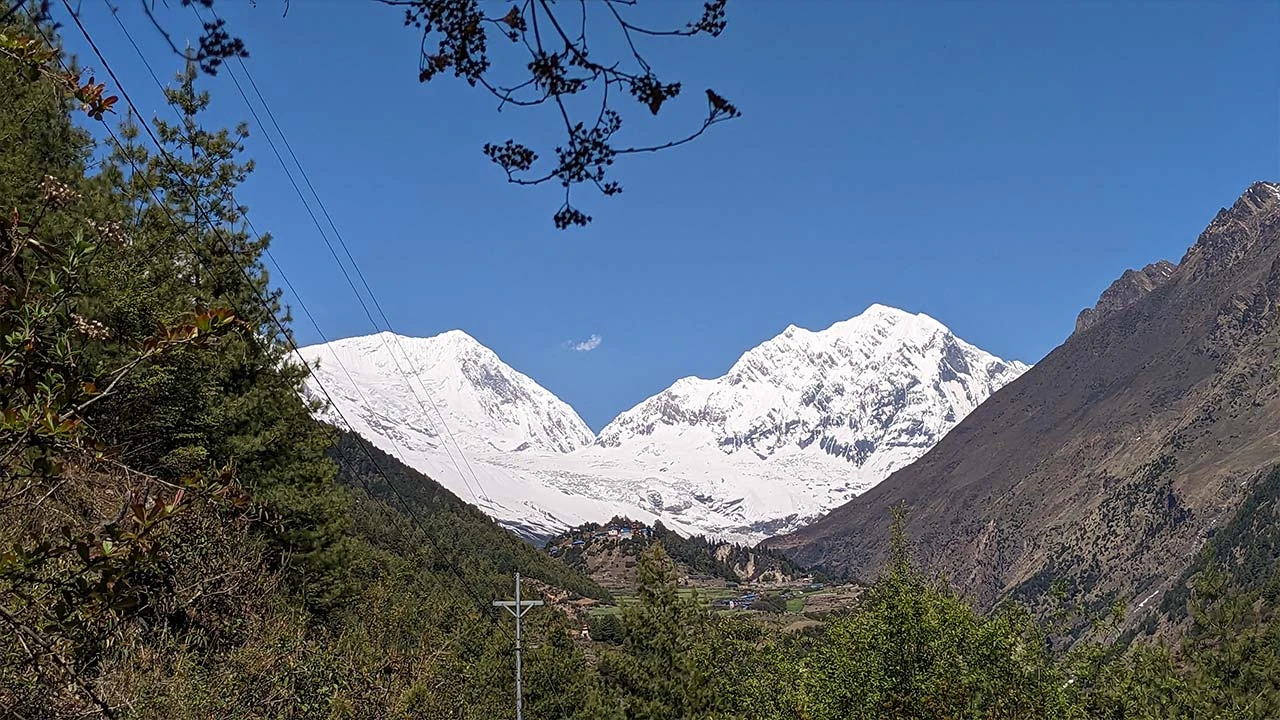
Luxury Manaslu Circuit Trek 16 Days Gallery
Luxury Manaslu Circuit Trek 16 Days FAQs
Mount Manaslu, the eighth-highest mountain in the world at 8,163 meters (26,781 feet), lies in the west-central part of Nepal within the Gorkha District. It is part of the Mansiri Himal range in the Nepali Himalayas and is close to the border with Tibet.
The Manaslu Circuit Trek difficulty is at a moderate level. While it doesn’t involve technical climbing, the long trekking days, steep ascents, rugged trails and the high crossing of Larkya La Pass (5,160m) make the overall journey demanding.
Yes, in many ways, the Manaslu Circuit is considered a tougher trekking journey than the Everest Base Camp trek. The trails are more remote, facilities are basic compared to Everest and the crossing of Larkya La Pass is more demanding than any section of the Everest Base Camp route.
To take part in this remote Himalayan jounrey, you will need a good level of physical fitness. The daily walks can last 6 to 7 hours, often on steep and uneven trails. Thus, cardiovascular endurance, leg strength and stamina are essential. Regular trekking, hiking, or fitness training before the trek will help you manage the difficulty level of the trek.
The highest point of the trek is the Larkya La Pass at 5,160 meters (16,929 feet). The traditional villages along the route, such as Samagaon (3,530m) and Samdo (3,860m), also sit at high altitudes, which makes acclimatization more crucial on this route.
The Manaslu Circuit Trek best time is during spring (March to May) and autumn (September to November). These months bring stable weather, clear skies and stunning mountain views which make your journey comfortable and enjoyable.
No, Mount Everest is not visible from the Manaslu Circuit. Instead, during this trek, you will be rewarded with spectacular views of Manaslu, Himalchuli, Ngadi Chuli, Ganesh Himal, Shringi Himal and Annapurna II.
Both treks are spectacular but offer different experiences. The Annapurna Circuit is more developed, with better facilities and a wider variety of landscapes. The Manaslu Circuit is quieter, more remote and culturally richer, with far fewer trekkers on the trails. If you want an authentic, off-beaten adventure, the Manaslu Circuit Trek is the better choice.
The cost varies depending on comfort level and services. A luxury 16-day Manaslu Circuit trek generally ranges between USD 2,000 to 3,000. The package cost covers for permits, guide and porter services, meals, accommodation and land transportation. Standard budget options are cheaper, but a luxury package ensures comfort in a rugged region with limited facilities.
Our Similar Trips
Best offbeat trek in Nepal
Need Help? Call Us.+977 9851001069