
Experience the Makalu Base Camp Trek, an adventure built for trekkers who want something wilder and more authentic. This journey takes you from warm hill villages into remote high-altitude valleys, passing through quiet Rai and Sherpa communities and vast alpine landscapes. Along the way, you will enjoy wide-open wilderness, simple teahouse stays, and impressive views of Makalu, Everest and the surrounding giants. This trek is raw, rewarding, and truly captures the true spirit of the eastern Himalayas.
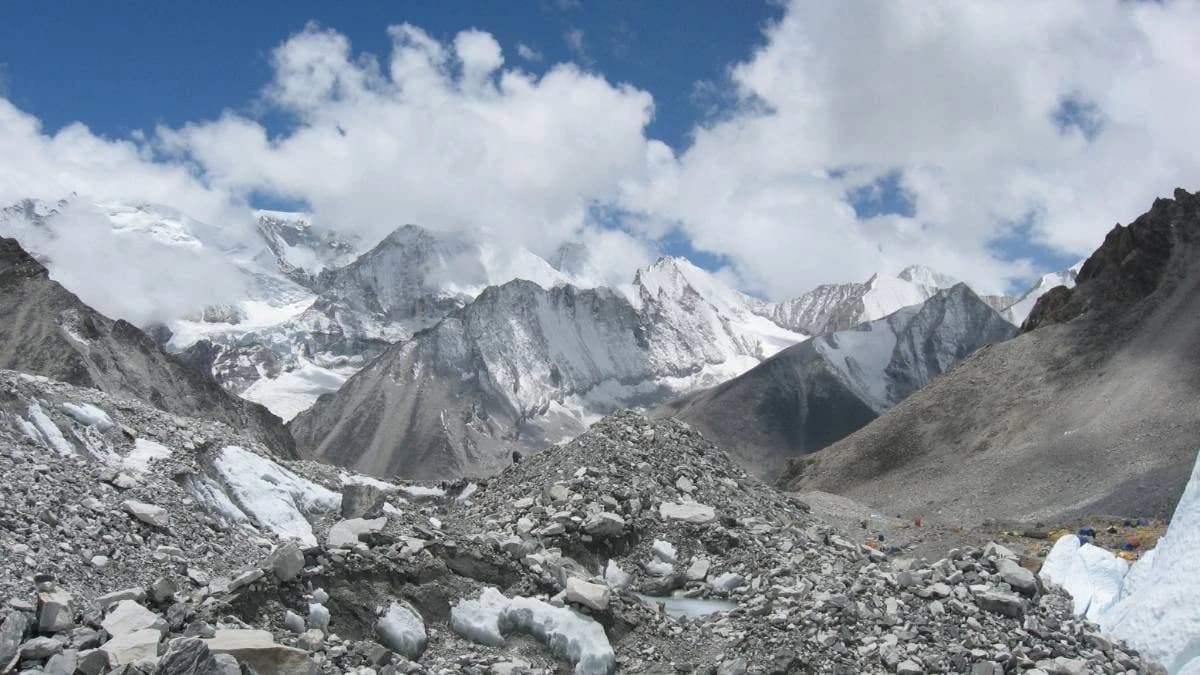
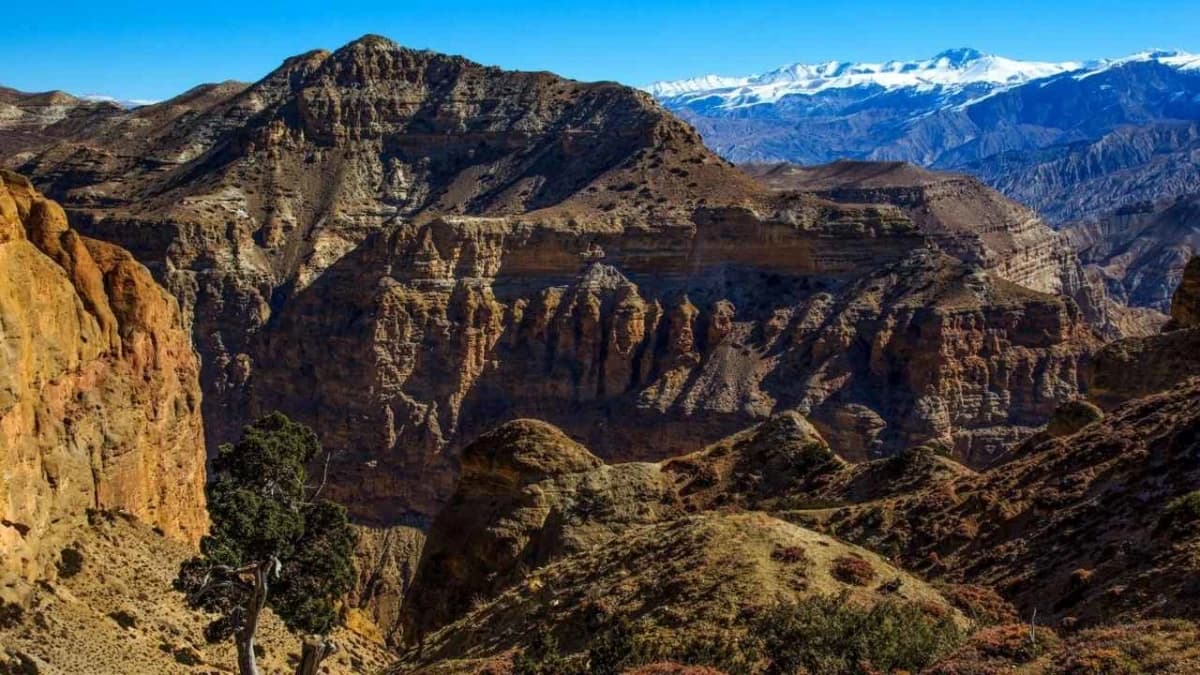

Trip Photos
Makalu Base Camp Trek
52 reviews in Google Reviews
Duration16 Days
CountryNepal
Trip GradeStrenuous
Maximum Altitude4,853m
Group Size2-20
StartsKathmandu
EndsKathmandu
Travel StyleTrekking
Best TimeMarch to May and Mid-September to November
Highlights of Makalu Base Camp Trek
- Opportunity to witness pure wilderness from day one, giving you a true feeling of isolation and raw Himalayan exploration.
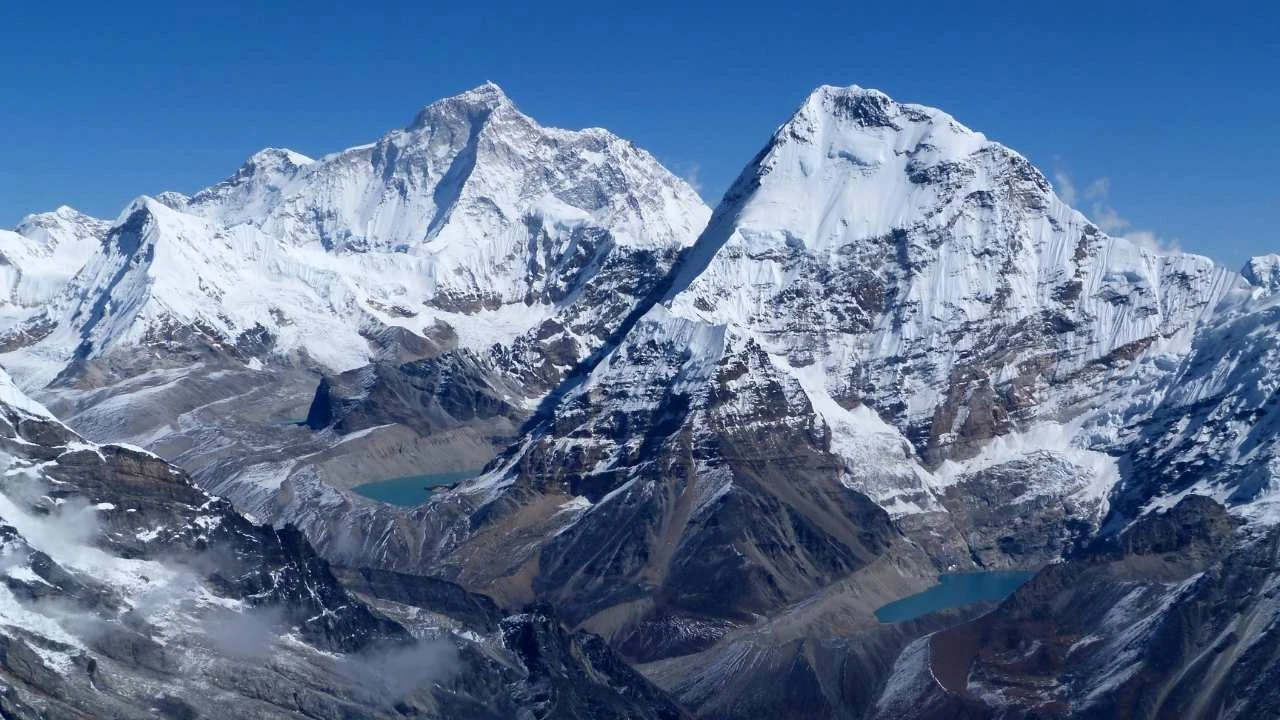
- Close-up views of Makalu, along with Everest, Lhotse, Chamlang, Baruntse and other surrounding peaks that feel sharper, wilder and more dramatic than in the popular commercialized routes
- Traversing across warm subtropical forests that gradually transition into high-alpine valleys and glacial basins, where towering peaks dominate the horizon
- A rare chance to witness the rich biodiversity inside Makalu-Barun National Park, which is home to exotic species of flora and fauna like red pandas, musk deer, Himalayan tahr, Asian wild dogs, Himalayan monal and Satyr tragopan
- Authentic cultural encounters with Rai, Sherpa and Tibetan-influenced communities that offer a glimpse into mountain life that has not been heavily influenced by modernity
- A true expedition-style experience where you will traverse rugged, raw and remote landscapes that are ideal for trekkers who are curious about the wild and unspoiled side of the Himalayas
The Makalu Base Camp Trek is one of Nepal’s demanding and least commercialized high-altitude adventures. If you are looking for a trek that offers raw Himalayan charms, fewer crowds and a genuinely remote experience, this iconic route is exactly that. During the Mount Makalu Base Camp Trek you will not be walking on the mainstream corridor. Instead, you will be entering a region where the infrastructure is basic, trails are rugged and the environment is still in its original form.
This trek takes you into the Makalu-Barun National Park, one of the most diverse protected areas in Nepal. Your Makalu Base Camp Trek route starts from the warm river valleys of the Arun region and steadily stretches across high-alpine basins, wide kharkas and glacial moraines. At the upper section, this trek provides up-close stunning views of Makalu, Lhotse, Everest, Baruntse, Chamlang and other surrounding peaks. What makes the Makalu Base Camp Trek 16 Days valuable is the combination of wilderness, culture and challenge.
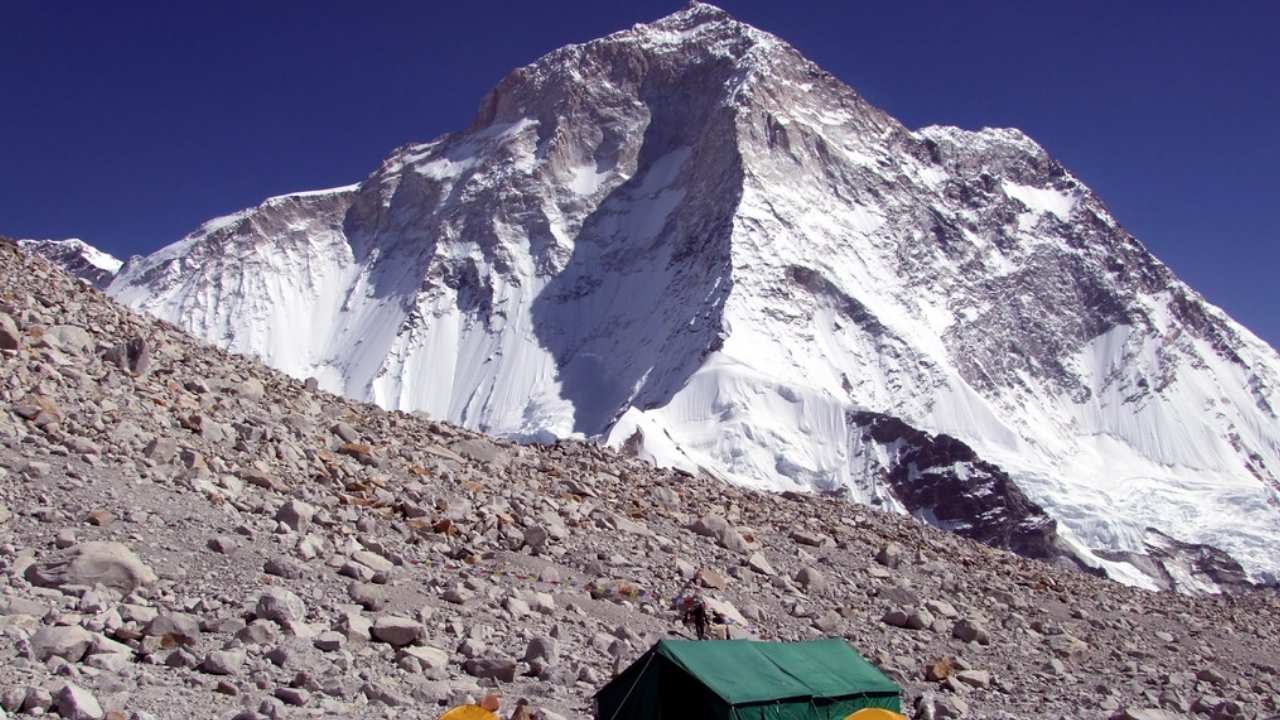
During the trek, you will walk across Rai and Sherpa villages and seasonal highland pastures, observing the lifestyles that are still connected to traditional ways without any major modern influence. This eastern Himalayan trekking adventure also makes you rely more on your physical conditioning, preparation and mental focus, making the overall journey meaningful, memorable and less commercial.
In the end, the Makalu Himal trekking is for the trekkers who want a tougher, deeper and more authentic Himalayan adventure. This is a journey beyond the established commercial trails, which delivers wilderness, authentic culture and world-class mountain scenery that still feels untouched.
Trek Overview
- Duration: 16 days
- Max Altitude: Makalu Base Camp (4,853 m)
- Trek Difficulty: Moderate to Challenging
- Region: Makalu
- Start/End Point: Kathmandu
- Best Seasons: Spring (March to May) and Autumn (September to November)
- Accommodation: Hotel and Teahouse
- Permits Required: Makalu-Barun National Park Entry Permit and Makalu Rural Municipality Permit
Short Itinerary Plan
Day 01: Arrive in Kathmandu (1,400 m) and transfer to hotel
Day 02: Free day for rest and trek preparation in Kathmandu
Day 03: Fly from Kathmandu to Tumlingtar (1,315 m) and drive to Sedhuwa (1,700 m): 50 minutes (flight) and 4 to 5 hours (drive)
Day 04: Trek from Sedhuwa to Tashigaon (2,063 m): 5 hours
Day 05: Trek from Tashigaon to Kauma (2,500 m): 6 to 7 hours
Day 06: Trek from Kauma to Mumbuk (3,500 m): 6 to 7 hours
Day 07: Trek from Mumbuk to Nehe Kharka (3,660 m): 6 to 7 hours
Day 08: Trek from Nehe Kharka to Shershon (4,720 m): 6 to 7 hours
Day 09: Trek from Shershon to Makalu Base Camp (4,853 m): 3 to 4 hours
Day 10: Acclimatization and exploration day at Makalu Base Camp
Day 11: Trek from Makalu Base Camp to Nehe Kharka (3,750 m) to Shipton-La Camp (4,216 m) or Dobate (3,070 m): 5 to 6 hours
Day 12: Trek from Shipton-La Camp/ Dobate to Sedhuwa (1,700 m): 6 to 7 hours
Day 13: Trek from Sedhuwa to Mure (1,980 m): 6 hours
Day 14: Drive from Mure to Tumlingtar (1,315 m): 2 hours
Day 15: Fly from Tumlingtar back to Kathmandu (1,400 m): 50-minute flight
Day 16: International departure
Makalu Base Camp Trek Itinerary
Expand All
Day01
After you arrive at Tribhuvan International Airport (TIA) in Kathmandu, a representative from Recreation Holidays will be waiting to pick you up. After the airport processes, you will board a private vehicle. A short drive from TIA will take you through the busy streets of the capital to your hotel. After check-in, get some rest and in the evening, you can visit our office to gather more info on your trek.
If you have time and energy, you can take your time to explore popular sightseeing destinations nearby. This day is all about settling into the vibrant rhythm of this capital before you take on the tranquil mountain route on the eastern side.
Day02
Before you join the Makalu Base Camp Trek route, you will make all the necessary preparations on this day. In the morning, you can explore the popular UNESCO Sites at the heart of the capital, like Pashupatinath Temple, Boudhanath Stupa, Swayambhunath and Kathmandu Durbar Square. After the sightseeing, you can then make final preparations for your Mount Makalu Base Camp Trek.
Check your packing and make sure that all the essentials are sorted out. Your guide will give you detailed information about the route and environment. The guide will also give insights into how to prepare for the journey ahead. So, don’t skip the briefing session and fire your queries at the expert so you don’t miss out on anything. After all the preparation is done, you can get your well-deserved rest and prepare for the iconic journey starting tomorrow.
Day03
On this day of your Makalu Base Camp Trek itinerary, you will take an early morning flight to Tumlingtar from Kathmandu. The light takes around 50 minutes and you will fly over the lush valleys, rolling hills and winding rivers, enjoying the mesmerizing scenery. Your destination, Tumlingtar, lies in the Arun Valley, one of the deepest valleys in the world, surrounded by subtropical greenery.
After landing at the airport and taking your time to stretch your muscles for a bit, you will start your overland journey toward Sedhuwa. This is the starting point of the Makalu Base Camp Trek. From Tumlingtar, the road first climbs gently toward Khadbari, the administrative center of Sankhuwasabha district. Then begins the gradually winding section which leads toward Manebhanjyang. It is a charming ridge settlement with offers incredible views over the Arun River Valley below.
As you continue your drive, you will pass Chichira, a small Gurung village. From here, the landscape begins to shift from humid lowlands to cooler mid-hill terrain as you approach Num Village. After enjoying a short break at Num, the drive will continue across the deep valleys and rolling hills to reach Sedhuwa, the entrance to the Makalu-Barun National Park.
Day04
Today marks the real beginning of your Makalu Base Camp Trek 16 Days. After enjoying a warm breakfast in Sedhuwa, you will check in at the Makalu-Barun National Park entry post. This day’s exciting trail starts with a gradual climb through farmland and terraced slopes. Along the way, you will pass small Rai and Sherpa villages that are scattered across the hillsides.
You will first walk through Murmidanda, a small farming area with terraced millet and maize fields. From here, the path then descends slightly to cross the Isuwa Khola over a suspension bridge. Then, the trail on the stretch ahead climbs steadily again and winds through dense forests of sal and bamboo. In this stretch of the Makalu Base Camp Trek route, you will come across several small settlements like Narbugaon and Tingbugaon, which are still thriving on their traditional way of life.
As you continue walking upward, the route gradually transitions into a rhododendron and oak forest before opening up near Tashigaon. This beautiful village sits on a hillside surrounded by terraced fields. This is the last stop on the trail before you enter the higher and more isolated region of the Makalu-Barun Valley.
Day05
Leaving Tashigaon Village, you will follow the trail that starts climbing steeply right from the beginning. The path winds through thick rhododendron and oak forest and will offer occasional glimpses of distant peaks through clearings. This is one of the more demanding ascents of the lower section. And the gain in altitude is noticeable here as the air starts to grow thinner.
While moving along the high-altitude route, you will pass through small yak grazing clearings and temporary shelters where herders stay during the summer months. After several hours of steady uphill trekking, the trail starts to level out as you reach Kauma. This is a small open area surrounded by forest. Kauma Village is not a large settlement; it just has a few teahouses and campsites used by trekkers on the way to and from Shipton La.
Day06
On this day of your Makalu Base Camp Trek Itinerary, you will navigate your way across one of the most scenic and challenging parts of the lower route. From Kauma Village, the trail rises steadily across the rhododendron-covered ridges toward Shipton La Pass. As you climb higher, the vegetation begins to thin out and the landscape turns more alpine. Along the route, you will pass Thulo Pokhari and Kalo Pokhari, two small mountain lakes surrounded by rocky terrain.
As you cross the Keke La Pass (around 4,170 m), you will be introduced to a spiritual atmosphere where prayer flags flutter in the wind. The views of Chamlang, Peak 6and Peak 7 are also just breathtaking from the pass. From the pass, the trail drops steeply down the other side. You will enter dense forest again as you approach Mumbuk Village.
This is a small and forested settlement with a handful of basic lodges. Mumbuk sits in a sheltered valley and feels quiet and remote. The sound of the nearby Barun River echoing in the distance and the tranquil atmosphere make you wonder that you might have entered a secluded dimension. Mumbuk is a good place to rest and refuel before heading toward the higher and more rugged eastern Himalayan stretches.
Day07
Your trek on this day, leaving Mumbuk, begins with a steep descent through dense pine and rhododendron forest. The path can be narrow and sometimes slippery, especially in the early hours due to moisture. After about an hour of descent, you will arrive at the bottom of the Barun Valley, where the trail meets the Barun River.
From here, you will follow the river upstream and pass through mixed forest and scattered boulder sections. Along the way, you will also pass small yak grazing pastures and temporary herder huts as you head deeper into the valley. The terrain then gradually opens up as the forest thins and the valley widens. At that moment, the steep cliffs and waterfalls cascading from high above make it feel like a fantasy stretch.
After several hours of gentle but steady walking along the river, you will then finally arrive at Nehe Kharka. It is a broad and open meadow that is surrounded by towering rock faces. There are only a few basic teahouses and stone huts here that are used by yak herders and trekkers. Amidst the serene atmosphere, the striking views of Peak 6 and Peak 7 up close make the journey feel worthwhile.
Day08
The trek from Nehe Kharka to Shershon takes you into higher and more rugged alpine terrain. Your day begins with a warm breakfast and magical sunrise views amidst the towering peaks. As you take on the trekking route, you will follow a gradual ascent alongside the Barun River. You will cross several wooden bridges and rocky stretches as you move further ahead.
As you start climbing higher, the green meadows start to give way to more barren landscapes. The sparse shrubs and scree slopes start to slowly replace the forest. You will also pass a few temporary yak herding areas along the way. Langmale Kharka is a popular one where trekkers often stop for a short tea break or lunch. The higher stretches of the Mount Makalu Base Camp Trek route open wider here and will reward you with striking views of Makalu, Chamlang and Peak 7.
From Langmale, the trail continues with a gradual climb along the valley floor until you reach Shershon Village. This is a small flat area with a few stone huts and teahouses that are used mainly by trekkers heading for Makalu Base Camp. Shershon Village sits in a wide glacial basin and is surrounded by snow-covered peaks, a true and tranquil high-altitude landscape.
Day09
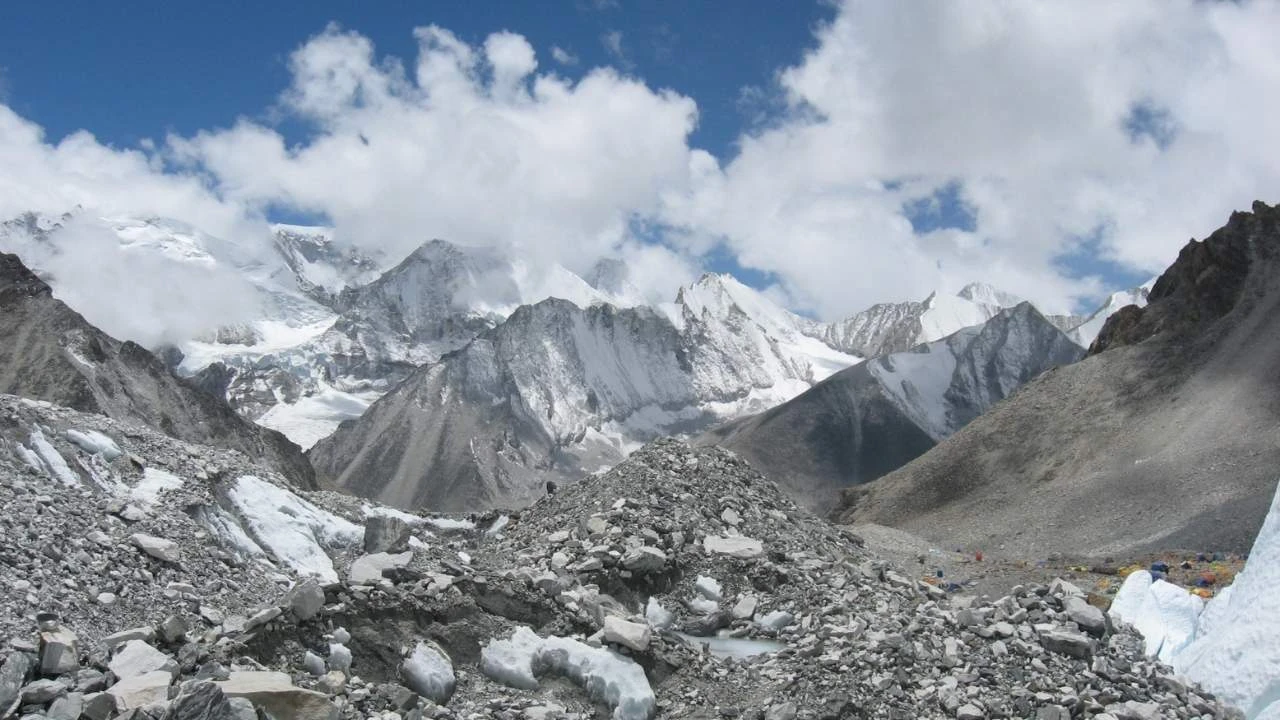
This day’s trekking journey in your Makalu Base Camp Trek Itinerary is shorter. Regardless, it takes you across one of the most stunning destinations in eastern Nepal. Your trekking trail on this day follows the Barun River upstream and gradually climbs across rocky and moraine stretches. On the final stretch, you will traverse across a steady ascent over glacial moraines before joining the wide expanse of Makalu Base Camp.
Reaching the Makalu Base Camp feels rewarding and is an extraordinary experience. At the foothills of the fifth-highest mountain in the world, the panoramic views of Mt. Makalu rise directly above you, along with Baruntse, Peak 6and Chamlang. At the base camp, there are a few simple teahouses which offer basic food and accommodation. After enjoying your lunch, you can take a walk around the camp area or visit the glacier to relish the changing light during the sunset.
Day10
As you have traversed to the heart of the eastern Himalayas, you will take this time to soak in the magical atmosphere. You can hike in the early morning to the nearby viewpoint or ridges to witness the golden light reflecting on the pristine snow of Makalu and other surrounding peaks. You can also walk closer to Barun Glacier for a closer look at the ice formation.
After the hike and taking in the breathtaking beauty so close to the towering giants, you will return back to the base camp. This day will be dedicated to acclimatization, resting and exploring the surrounding areas. You will have enough time to take photographs, meditate, or just simply relax, enjoying the otherworldly beauty beneath the world’s fifth-highest peak.
Day11
After an early breakfast at Makalu Base Camp, you will begin retracing your route down the Barun Valley. The descent back toward Nehe Kharka feels steady and you will have to pass across mix of rocky and grassy terrain. Along the way, you will pass Shershon and Langmale Kharka again before following the trail along the Barun River. This return trip feels faster, but you will still notice how the landscape changes quickly as the altitude drops.
From Nehe Kharka, depending on your pace and how the group feels, you can continue toward Shipton-La Camp or Dobate for the night. During the last stretch, the trail climbs gradually through forested sections before reaching the high ridge near Shipton-La. Trekkers often choose Shipton-La Camp if they want to stay higher. As for Dobate, it is located further below and offers a warmer and more sheltered overnight stop.
Day12
Today, in your Makalu Base Camp Trek Itinerary, is another day of long descent. If you start your trek from Shipton-La Camp, the morning begins with a brief climb before crossing the Keke La Pass. Then you will begin your steady descent through alpine forest and narrow trails leading toward Kauma. From Dobate, the route gradually connects with the same trail below, continuing through Tashigaon and finally down toward Sedhuwa.
This day’s trekking path is mostly downhill, but some short ascents will test your legs as you move through a mix of forest and terraced farms. Along the way, you will pass familiar rest points and teahouses that mark your re-entry into the more populated lower valley. Arriving at Sedhuwa feels like a return to warmth and comfort after a long journey in the high Himalayas. You will notice thicker vegetation, villagesand the sound of the Arun River echoes nearby once more.
Day13
You will leave Sedhuwa after a hearty breakfast and follow an easy trail through terraced fields and small hillside settlements. You will cross suspension bridges over the Arun River and walk through local hamlets such as Chyaksa Danda and Nangre. In the busy seasons, you might witness the farmers tending their crops and children playing around.
Gradually, the route passes through a mix of farmland and light forest before reaching Mure Village. It is a quiet hill village that overlooks the Arun Valley. Mure is a pleasant stop with a few simple lodges and views that stretch across the river gorge. It is a perfect place to relax on your last night of trekking.
Day14
By this day, you have completed the trekking part of the Makalu Base Camp Trekking. After leaving Mure Village, you board a jeep for the drive back to Tumlingtar. The driving road passes through the village of Chyaksa Danda first and then winds past Nangre. A short stop in Manebhanjyang will give you a break for tea or refreshments.
Then, you will continue to drive through Num Village. From here, the road gradually descends toward Tumlingtar, following the stretches of the Arun Valley. After approximately 2 hours of driving, you will reach Tumlingtar, where the trek officially ends. Here you can relax, enjoy a mealand prepare for the flight back to Kathmandu.
Day15
After breakfast in Tumlingtar, you will head to the small local airport for your flight back to Kathmandu. The flight is short, but it gives you a last chance to see the Arun Valley from above. As you head back to the capital, the high mountains of the Makalu-Barun region shrink in the distance and rolling hills and cascading rivers start to appear.
As you land in Kathmandu, you will be transferred back to your hotel. The city feels warmer and livelier after the quiet and serene experience in the mountains. This is your chance to rest, freshen up and reflect on the trek. Depending on your schedule, you can walk around Thamel for a last look at shops, cafes, or pick up souvenirs from local markets before your departure.
Day16
After breakfast, you will be transferred to Tribhuvan International Airport for your flight home. If your flight has been scheduled for the latter part of the day, you can take your time to explore nearby highlights or just simply relish the vibrant buzz. This marks the end of your Makalu Base Camp Short Trek. Our representative will receive you at your hotel, assist you with the check-out process and drop you at the airport depending on your flight schedule.
Is the proposed itinerary suitable for you?If you are looking for a custom itinerary, please feel free to reach out to our team of professionals at any time.
Customize TripTrip Service Details
Includes
- Pick-up from Tribhuvan International Airport
- Flights to Tumlingtar and Kathmandu, including airport transfers
- 3 Nights accommodation (twin sharing) in Kathmandu, 2 nights before and 1 night after the trek, with breakfast
- 3 Meals daily (breakfast, lunch and dinner) during the trek
- Comfortable tea houses/lodges at the best locations in the trekking route (Mostly twin-sharing)
- Government-licensed English-speaking trek leader/ guide and porter to carry your luggage. 9kg is allowed luggage weight per trekker.
- An additional cost of guide and porters such as their allowances, insurance, wages, accommodation, transport, and other necessities like tools, etc.
- Makalu-Barun National Park Entry Permit and Makalu Rural Municipality Permit
- Water purification tablets for safe drinking water
- Free luggage storage at Recreation Holidays store during the trek
- All local taxes as well as all official expenditure
- Farewell dinner in Kathmandu at the end of the trek
- Souvenir - Company's cap
- Airport transfer for your final departure from Nepal
Excludes
- Nepal Entry Visa fees at Tribhuvan International Airport
- International flight fares
- Lunch and Dinner in Kathmandu, before and after the trek
- Extra stay accommodation in Kathmandu due to early arrival, late departure, or early return from the trek.
- Personal expenses - shopping, snacks, bottled water, hot (tea/coffee) and cold beverages, hot shower, alcohol, Wi-Fi, telephone call, battery recharge fee, laundry, extra porters, etc.
- Personal gear and equipment
- Excess baggage charges (Limit is 9 kg per person)
- Travel insurance covering emergency rescue and evacuation (compulsory)
- Tips for guides and porters
- Any additional costs or delays caused due to unforeseen circumstances such as landslide, weather conditions, itinerary modification due to safety concerns, illness, change of government policies, strikes, etc.
- All costs and expenses not listed in "What is included" are excluded.
Dates & Availability
October 2026
November 2026
December 2026
January 2027
February 2027
March 2027
April 2027
Additional Info
When is the Best Time to Do Makalu Base Camp Trek?
The Makalu Base Camp Trek route runs deep into one of Nepal’s least-touched landscapes. This journey has long stretches of wilderness, steep valleys, isolated villages and weather systems that can be unpredictable as you climb here. Thus, the season you choose plays a crucial role in how your journey will turn out to be. Typically, spring (March to May) and autumn (September to November) are considered the two most ideal periods for this journey.
During the spring season, the Makalu region begins to breathe again after months of cold. As you move through the lower forests, you will get a chance to walk under blooming rhododendrons and fresh greenery. Higher up, the snow begins to melt and opens paths to the alpine landscapes. Weather-wise, spring is a friendly season comforted by warm temperatures. The crisp mornings, glowing peaks and the feeling that the whole landscape is resetting itself after winter will be a memorable part of the journey.
As for the autumn season, it is considered the best time for Makalu Base Camp Trek. After the monsoon washes the entire Himalayan corridor, the air is unbelievably clear. This is when the Himalayas look their most sharpest. There is no haze, no moisture, just raw and jaw-dropping outlines of the massive peaks that tower over the valley. Days are stable, skies remain clear and the winds at higher altitudes remain stable. As this fall season is also core for festivals in the country, you will be culturally delighted as you move through the traditional villages.
What About Off-season Trekking?
Although doing the Makalu Himal Base Camp Trekking in off-seasons like winter (December to February) and monsoon (June to August) is also possible, you will have to deal with the extra challenges thrown your way. If you are not an expert in high-altitude trekking, then the off-season challenges can be a bit overwhelming. During winter, the forests turn quiet, the villages thin outand the upper sections freeze into a world of snow.
Also, temperatures drop sharply, especially above 4,000 meters and freezing high wind doesn’t show any mercy. Due to snow and ice, the trail conditions become unpredictable. Many teahouses in the higher region also close as it is too cold to operate. Snowfall can block sections of the trail and passes, making progress slow and unsafe. Likewise, during the monsoon season, the lower sections get drenched, forests fill with leeches and the trails are often muddy and unstable.
Landslides become a real hazard in the river valleys you need to traverse. The sky is also covered by misty corridors with constant cloud cover that obstructs the mountain views. Flights in and out of Tumlingtar frequently get delayed or cancelled due to unpredictable weather. That’s why trekking in the monsoon is not preferred in Nepal due to risks and challenges involved.
Makalu Base Camp Trek Difficulty
If you are planning this off-beaten trekking route, you might be curious to learn about how difficult the Makalu Base Camp Trek is. The Makalu Base Camp Trek difficulty is graded as a moderate to challenging level adventure. The overall journey is tough, not in a dramatic or one-big-challenge kind of way. But it requires a steady grind that you will have to be consistent with throughout the trek. You will have to deal with long trekking days, wild terrain, high altitude and the remoteness of the region. Makalu Himal Base Camp Trek is the kind of endeavour that asks for patience, stamina and a solid mindset.
During this eastern Himalayan adventure, you will be walking deep into one of Nepal’s most untouched landscapes. Here, unlike the more commercialized routes, the path still feels raw and wild. You will follow the stretches across the narrow paths carved into cliffs, forests that cover the trail, stone steps and glacial moraines fending the high-altitude biting wind. Along the way, there are no crowds, no fancy teahouses, and no safety nets like you find on the Everest or Annapurna regions.
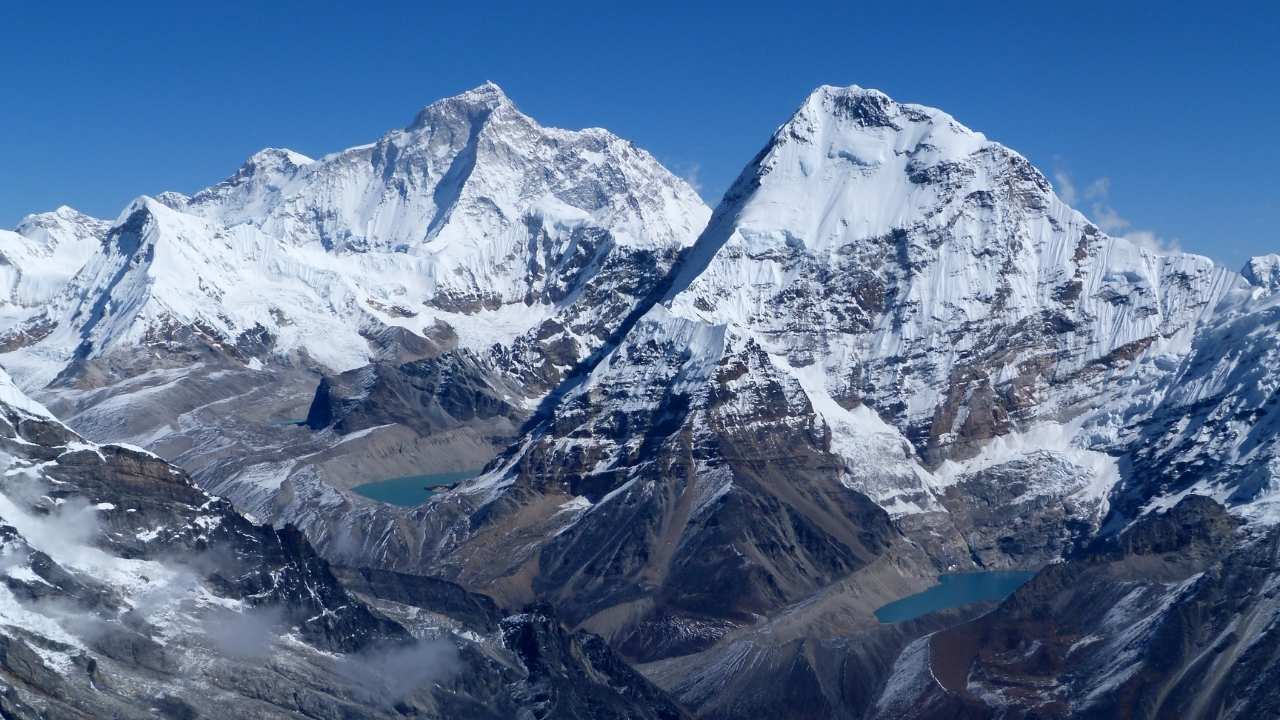
Likewise, the altitude adds another layer of challenge. You will start your trek at low altitudes. But once you enter the Barun Valley, everything starts to get slower, heavier and more demanding. The nights get colder, breathing gets tighter due to the thin airand each step feels demanding. You will then start to understand why Makalu is known as a trek for people who genuinely love the mountains, not just the idea of them.
However, the Makalu Base Camp Trek difficulty is not there to punish you; the demanding aspects of the journey make the whole experience feel real. Your every step, every push and every obstacle you overcome build up to that moment when you stand beneath the world’s fifth-highest peak. So, in overall, Makalu Himal Trek is a challenging, remote and mentally demanding endeavour. But it is also deeply rewarding if you are up for the true Himalayan wilderness experience.
Makalu Base Camp Trek Distance
The Makalu Base Camp Trek covers roughly 120 to 130 kilometers. Your overall trekking distance will depend on the exact route you take, side trails you explore and how your itinerary plan is structured. But distance alone does not tell the full story of this remote eastern Himalayan route. Makalu Base Camp Trek 16 Days is not like Everest Base Camp Trekking trail, where you will follow a straightforward valley route. Makalu feels longer, not just because of the distance but because of the terrain, remoteness and steep ascents and descents.
Every section of this trekking trail has its own rhythm. The lower villages greet you with long and warm stretches through farmland and forest. As you gradually gain altitude and move deeper into the Barun Valley, the trail becomes wilder, narrower, steeper and more dramatic. Some days you might only cover a few kilometers, but the effort feels equal to a full-day push on a busier and more developed trekking route.
After completing the trek, the return journey follows the same trail back, but it doesn’t feel repetitive. The views flip, the light on the terrain shifts and the effort changes from climbing to descending. This feels easier on the lungs but tougher on the knees. So, the Makalu Base Camp Trek Distance is around 120+ km. But, in your body and your mind, it feels like you have conquered a full-scale Himalayan journey. It gives you enough distance to disconnect from everything and enough challenge to connect deeply with the Himalayas.
Accommodation and Food on the Trek
During the Makalu Base Camp Trek, you will stay in very simple teahouses that are often run by families who live in these remote villages year-round. The rooms available at the teahouses are basic. They usually offer a wooden bed frame, a thin mattress and a couple of blankets. You need to understand that, unlike the mainstream routes, these lodges are not designed for comfort and luxury. They are built to give trekkers a place to rest, warm up and recover for the next day’s journey.
In the lower villages like Seduwa and Tashigaon, the teahouse options feel a bit more homely. They have slightly warmer rooms and more communal spaces. However, as you start entering higher and colder sections of the trail, especially after Khongma Danda and into the Barun Valley, the accommodation feels more rustic. The rooms get colder, walls are thinner and heating options become scarce as firewood is limited and expensive. This is why carrying a good-quality sleeping bag is essential. It will keep you warm and comfortable at night when temperatures drop significantly.
As for the bathroom options, they are usually communal. For most part of the trail, the squat toilets are the most common option. Hot showers are not always guaranteed and if they are available, they are usually solar-powered, or you will get a hot water bucket. You will need to pay some extra cost for these options. So you can take the tea house options available on the Makalu Base Camp Trekking route as not a luxurious establishment but as safe and welcoming modems that provide the essential services for you to carry on with your trek.
Food Along the Makalu Base Camp Trek Route
The food option available on the Makalu Base Camp Trek is basic but fulfilling. You need to understand that this region is remote, with a proper transportation infrastructure. All the supplies have to be carried by porters or mules, so the menu is not as varied as the mainstream routes. Still, you can enjoy fresh and hot meals that are perfect for long trekking days. Here is a clear breakdown of what you can expect during the trek:
Breakfast Options
- Tibetan bread with jam or honey
- Pancakes
- Porridge
- Chapati
- Toast with eggs
- Omelets (plain, vegetable, cheese if available)
- Fried eggs or boiled eggs
- Muesli with hot milk
- Buckwheat pancakes
Lunch and Dinner Options
- Dal Bhat (rice, lentils, vegetable curry and side dishes)
- Vegetable noodle soup
- Thukpa
- Fried noodles/ chowmein
- Fried rice
- Potato dishes
- Roti with vegetable curry
- Macaroni or pasta
- Sherpa stew
- Veg fried rice
- Stuffed rosti
- Momos
Beverages
- Black tea
- Milk tea
- Ginger tea (very good for altitude and digestion)
- Lemon tea
- Hot water
- Coffee (instant coffee mostly)
- Hot chocolate
- Garlic soup (for altitude)
Packing List – What to Bring?
While moving along with the Makalu Base Camp Trek Itinerary, you will need to dive deep into a wild and isolated part of Nepal. The villages along the trekking route are few and there is a great distance between each resting stop. Thus, while planning Makalu Base Camp Trek packing list, you will have to find that perfect balance. You need to deal with demanding terrain, high-altitude, cold and isolated stretches. Your packing list should be able to make it easier for you to deal with those elements.
Here’s a thoughtfully crafted packing list with the help of travel experts and mountain guides to help you create a well-optimized packing list:
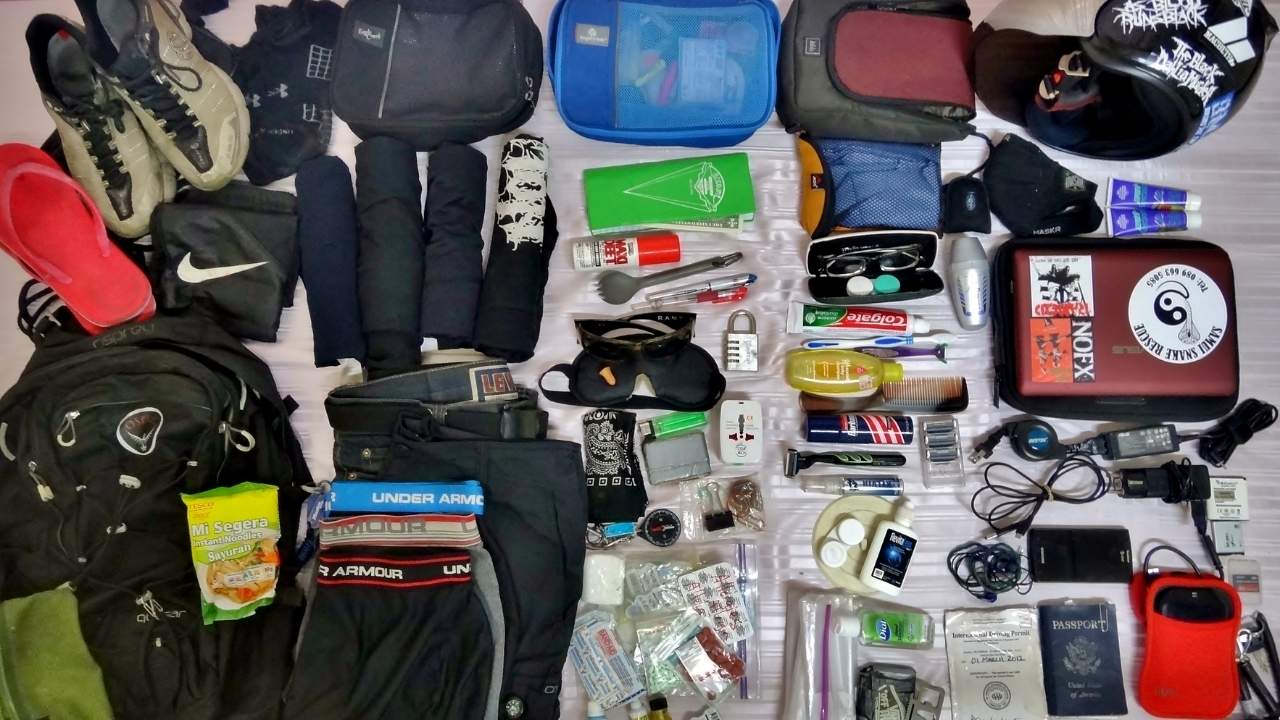
Clothing
- Thermal base layers (top and bottom)
- Moisture-wicking trekking shirts (short and long sleeve)
- Fleece jacket or light insulated jacket
- Down jacket
- Windproof and waterproof shell jacket
- Trekking pants
- Casual pants or leggings
- Trekking shorts
- Warm undergarments
- Neck gaiter, buff, or scarf
- Sun hat or cap
- Gloves
- Beanie or warm hat
- Lightweight sleepwear
Footwear
- Trekking boots (broken-in)
- Trail shoes or sneakers
- Camp sandals or slippers
- Trekking socks
- Sock liners
- Gaiters (optional)
Gear and Accessories
- Backpack or Daypack (30 to 40 L)
- Duffel bag or larger pack
- Sleeping bag
- Water bottles or hydration bladders
- Water purification tablets
- Trekking poles
- Sunglasses (UV Protection)
- Headlamp or flashlight
- Power bank
- Universal adapter
- Small backpack rain cover
- Camera or smartphone
- Notebook or trekking journal
Personal Essentials
- Toothbrush, toothpaste, biodegradable soap, shampoo
- Lightweight towel
- Hand sanitizer and wet wipes
- Toilet paper or tissue packs
- Small first aid kit
- Altitude medication
- Personal prescription medicines (if any)
- Snacks (energy bars, chocolate, nuts, or trail mix)
- Insect repellent
- Sunscreen (high SPF) and lip balm
- Copy of permits, insurance and important documents (keep digital and paper copies)
- Cash in Nepali rupees
- Lightweight reusable bag
- Earplugs and sleeping mask (optional)
Permit Requirement
The Makalu Base Camp Trek takes you across one of Nepal’s most remote and ecologically sensitive trekking regions. Although this is not strictly restricted like Manaslu or Upper Mustang regions, the trail runs close to the border with Tibet and the fragile ecosystems of Makalu Barun National Park. Thus, the combination of high-altitude terrain, rare flora and fauna and protected villages means the authorities carefully regulate access to this region.
Before joining the trekking trail, you will need to obtain official permits to enter the national park and the rural territories of Upper Barun Valley. These permits help to protect the environment, support local communities and ensure trekkers’ safety.
Permits Necessary for Makalu Base Camp Trek
- Makalu-Barun National Park Entry Permit
- Makalu Rural Municipality Permit
Depending on the trekking route you take, if your trek passes through sensitive border villages like Chepuwa, Hatiya, Kimathnagka, or Pawakhola, you will also need to get the Makalu Restricted Area Permit. If you are trekking with an agency, they will take care of the permit needs and apply for them on your behalf. You will need to carry your permits at all times, as checkpoints along the trail will ask to see them. Make sure you have a few extra copies and keep a digital copy as well.
Training and Preparation
The Makalu Base Camp Trek is not a casual hike. This trekking adventure takes you across some of Nepal’s most remote and challenging terrain. You will venture from lower valleys to exposed high-altitude ridges above 4,800 meters. The Makalu Base Camp Trek route tests your stamina, strength and resilience every day. You cannot neglect the physical demands of the trek, they are real. You will need to overcome the long days of walking steep stretches, uneven paths, cross rocky streams and navigate glacial moraines. Your muscles, lungs and joints need to be in peak condition.
Without proper preparation, even moderate sections can feel exhausting. And your risk of fatigue or injury increases significantly. So, what kind of training is essential? Endurance is the foundation for this Himalayan trek. Long-distance walking, running, cycling, or swimming will help your heart and lungs adapt to continuous exertion. Likewise, trek-specific training is also crucial. You can do some practice hikes on the nearby hills or steep sections carrying your backpack. Furthermore, strengthening your leg muscles, core and back will prepare you for the daily strains of the trek.
Flexibility and balance exercises, like yoga or targeted stretching, will reduce the risk of injury and help you maintain control and find balance on slippery or unstable surfaces. In addition to those, it is equally important to prepare for altitude. Makalu Base Camp sits well above 4,800 meters, where oxygen levels drop significantly. Your body needs to adapt gradually. So, conditioning yourself with moderate cardio at home, learning proper breathing techniques and doing shorter high-altitude treks beforehand will make a huge difference.
Besides physical preparation, you also need to prepare mentally for the journey. Makalu is an isolated region where the teahouses are basic and connectivity is limited. You need to train your mind to embrace the challenges along the way and develop patience, focus and resilience. If you are this prepared, the fatigue or setback won’t derail your journey and you will be motivated to complete the journey.
Group Joining and Private Trek
There are two trekking modes that you can choose from while planning Makalu Base Camp Trek 16 Days. You can do this trek by either joining a group or in a more private setting. Both of the options have their own advantages, but your decision can significantly shape your experience on this high-altitude and remote route. Joining a group trek is an ideal option for trekkers who prefer companionship, shared logistics and a slightly more structured experience. There is also safety in numbers on remote trails, particularly in a region like Makalu, where settlements are few and the environment is unpredictable.
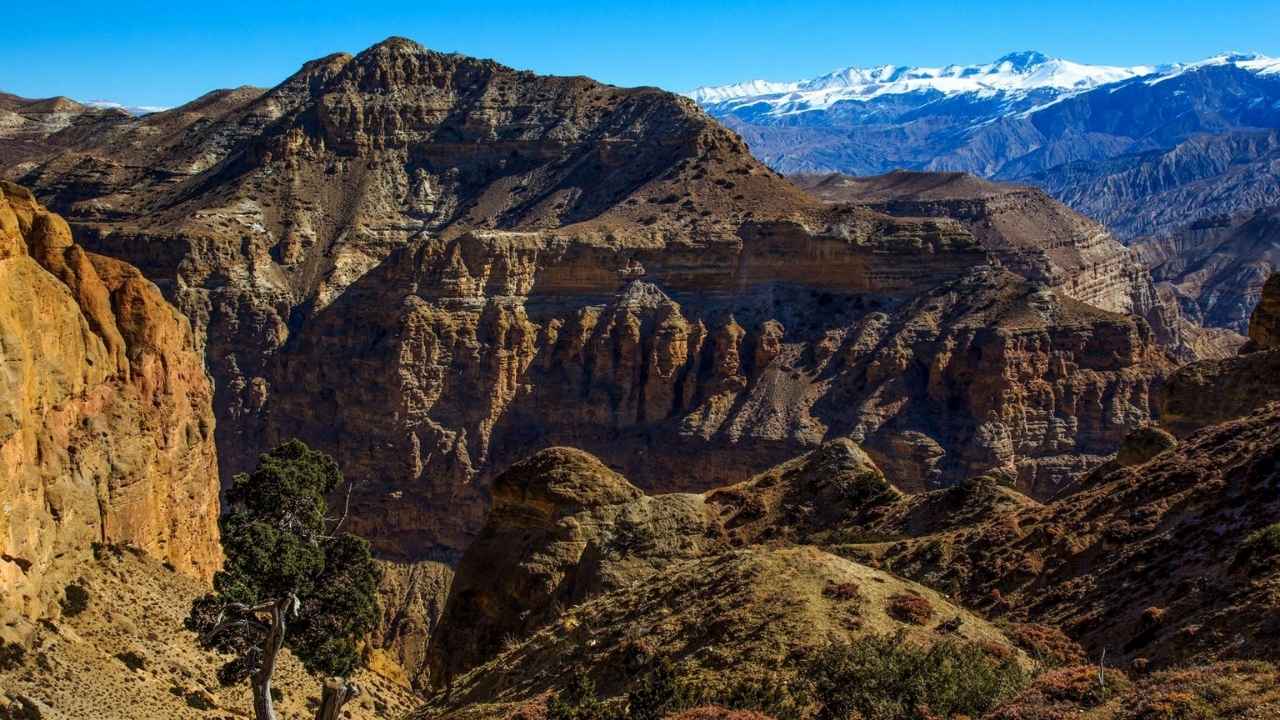
The group joining option can also be more budget-friendly, as costs for guides, porters and transportation will be shared among other members. On the other hand, a private trek offers a different kind of freedom and intimacy with the mountains. In the private trekking option, you set your own pace, take more time at the viewpoints and tailor rest days and itinerary stops as per your preferences. This trekking option is particularly appealing for experienced trekkers, couples, or those seeking solitude and a deeper personal connection with the mountains.
Private treks also allow for flexible adjustments based on weather, fitness, or changing conditions along the trail, which may not be properly accommodated by a fixed group schedule. Ultimately, the choice between group joining and private trekking depends on your priorities: whether you value companionship and structure, or independence and flexibility.
Makalu Base Camp Trek Cost
The Makalu Base Camp Trek is one of Nepal’s remote and challenging Himalayan adventures. Although it is a serious trekit’s a serious trek, it is not as expensive compared to longer expeditions like Kanchenjunga or Everest Base Camp with multiple passes. On average, the Makalu Base Camp Trek cost of a 14 to 16 day package ranges between US$1,600 to US$ 2,200 per person. The actual cost will depend on the type of trek, level of comfort and additional inclusions of the package of your choice.
Typically, the standard Makalu Base Camp package includes teahouse accommodation along the route, three meals a day, all required permits, transportation, licensed guide, official service charge and government taxes. If you hire a porter or go on a fully private trek, the cost will be higher. To avoid surprises on the trail, it is important to clarify exactly what’s included in your trekking package. Knowing these details beforehand ensures that your focus remains on the trek itself without worrying about hidden expenses along the way.
Altitude Sickness
Makalu Base Camp sits at 4,853 meters. So like any high Himalayan trek, altitude sickness is one of the most important challenges to understand for this trek. The good news is that you will be able to manage altitude sickness with proper pacing, sufficient acclimatization and awareness about the symptoms. It usually starts with mild symptoms like headaches, nausea, dizziness, or trouble sleeping, often appearing around 3,000 to 4,000 meters. If ignored, it can progress to more serious conditions such as High Altitude Pulmonary Edema (HAPE) or High Altitude Cerebral Edema (HACE).
Therefore, you shouldn’t neglect the symptoms of altitude sickness, no matter how minor they are. If you follow a gradual ascent, stay hydrated, eat carb-rich meals and take acclimatization along the strategic points, then it will significantly reduce the potential risk of altitude sickness. Some trekkers also take the altitude sickness medication like Diamox for high-altitude treks. But, you should consult with a doctor first before taking the medicine.
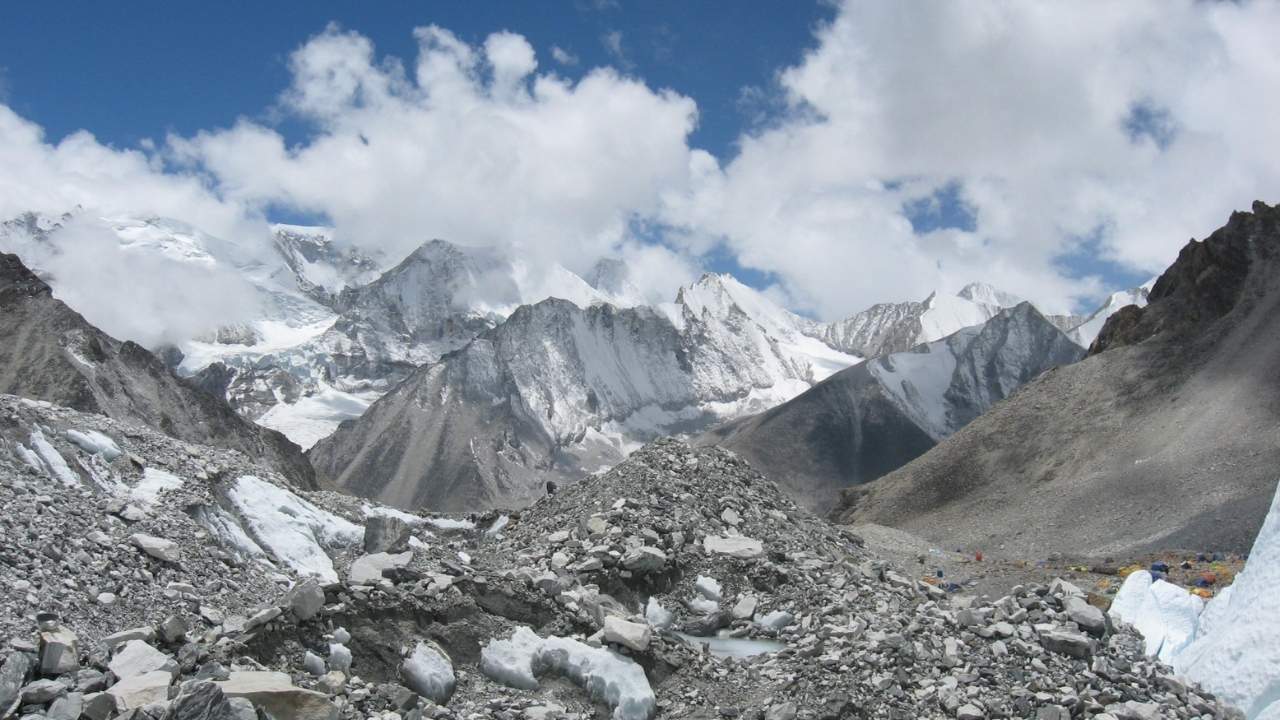
It is very crucial to listen to your body language. If you experience persistent headaches, nausea, or unusual fatigue, it is better to pause or descend rather than push on. Guides and porters on Makalu are trained to monitor these signsand teahouses along the trail often provide basic support and advice for altitude issues. So the bottom line is that understanding altitude sickness transforms your trek. Instead of fear, you can approach the mountains with respect, patience and strategy.
Internet, Connectivity and Charging on the Trail
The Makalu Base Camp Short Trek is one of Nepal’s most remote adventures. That remoteness comes with limited connectivity and basic facilities. Unlike more popular trekking regions such as Everest or Annapurna, mobile network coverage along the Makalu trail can be limited at times. Some lower villages may have weak signals for certain networks, but as you ascend into the Upper Barun Valley, it becomes extremely rare to get any consistent mobile or internet connection.
Most teahouses along the route do not provide Wi-Fi and even if some have this service, the connection is usually slow and unreliable. This makes the Makalu Himal Base Camp Trek an excellent opportunity to disconnect and truly immerse yourself in the natural surroundings. For emergencies, your trekking guide will carry a satellite phone and you can get occasional signals from the mobile network even if it is patchy.
As for when it comes to charging devices, options are limited and you will need to pay additional cost for them. Few teahouses may offer charging for phones or cameras, but expect to pay US$ 2 to US$ 5 per device per charge. That’s why carrying a reliable power bank is essential and many trekkers bring solar chargers for backup. So, as the connectivity on the Makalu Base Camp Trek is minimal and unreliable, planning ahead is crucial.
You can take this journey as a digital detox; it will be your rare chance to focus fully on the mountains, the trail and the journey itself without any distractions. By preparing with power banks, offline maps and emergency communication options, you can complement the connectivity gap. All while embracing the quiet and tranquil beauty of this remote Himalayan corner.
Porter and Guide for Makalu Base Camp Trek
The Makalu Base Camp Trek is remote, physically demanding and logistically challenging. Having a guide and porter for remote, high-altitude and challenging level adventure is non-negotiable. A local guide, beyond navigating the trail, will handle the permits, manage daily schedules and ensure your trek is safe and enjoyable. They are also expert at handling sudden weather changes or unforeseen emergencies. Guides also provide insight into the culture, environment and wildlife of the Makalu region.
This will turn a simple trek into a richer and more meaningful experience. In an isolated area like this, having someone who knows the villages, the forested valleys and even subtle trail markers can make a huge difference when it comes to managing time and enjoying a risk-free adventure. A porter, on the other hand, takes care of your heavy load so you can travel light. This allows you to move faster, conserve energy and focus on enjoying the trek rather than struggling with a heavy backpack.
Even for experienced trekkers, having someone who can respond to emergencies, assist with altitude acclimatization and add cultural layers can transform the trek from a challenging odyssey to an enjoyable and immersive adventure. Guides and porters make logistics simple, ensure safety in remote terrainand allow you to fully immerse yourself in the stunning valleys, glaciers and peaks without the need to worry about anything.
Travel Visa
If you are coming to Nepal for the Mount Makalu Base Camp Trek, the first step before even thinking about the trek is securing a Nepal tourist visa. The Nepal Tourist Visa process is simple and traveler-friendly. You can get the travel visa on arrival at Tribhuvan International Airport in Kathmandu or at official border crossings. To apply for the visa, you will need to fill out a short application, attach a passport-sized photograph, pay the visa fee and within minutes, you will get the visa.
Nepal offers multiple visa options depending on how long you plan to stay:
- 15 Day Visa— US$ 30
- 30 Day Visa— US$ 50
- 90 Day Visa— US$ 125
For a trek like Makalu Base Camp, which typically takes around 14 to 16 days, you can go for the 30-day visa. This duration will give you extra breathing room for flight delays, rest and acclimatization days. You can also take your time visiting Kathmandu before or after the trek without feeling rushed. It is important to make sure your passport has at least a six-month validity period from the time of your arrival.
Makalu Base Camp Trek Gallery
Makalu Base Camp Trek FAQs
The Makalu Base Camp Trek is considered one of the moderate to challenging treks in Nepal. Because of its remoteness, long walking days and steep terrain, this trek has received such a grading. With good fitness, proper acclimatization and consistent pacing, it is absolutely doable and is best suited for trekkers who some prior high-altitude trekking experience.
Yes, there are several viewpoints along the trail where Mount Everest appears clearly, especially from higher ridges above the Barun Valley. The most iconic viewpoint is Shershong and the areas around Makalu Base Camp, where Everest stands behind the towering peaks of Lhotse and Nuptse.
In most cases, Makalu Base Camp is harder than the Manaslu Circuit. The Manaslu trek has better trail infrastructure, more teahouses and smoother paths due to its popularity. However, Makalu Base Camp Trek is wild, less developed and involves longer days. There are also fewer villages in between, which support the trek.
The Makalu Base Camp Trek is located in eastern Nepal, inside the Makalu-Barun National Park. It is close to the border with Tibet. The trek starts with a flight to Tumlingtar, followed by a drive to Num, which is the official starting point of the trail.
The full Makalu Base Camp Trek typically takes around 14 to 16 days, depending on your acclimatization schedule, pace and the exact itinerary plan your agency follows. Some itineraries stretch to 18 to 20 days if you add buffers, rest days, or explore side valleys.
The best time to trek to Makalu Base Camp is during spring (March to May) and autumn (late September to November). Both of these seasons offer stable weather, clear skies and excellent visibility. During the off-season like winter and monsoon, the trail becomes even more challenging and demanding.
The Makalu region is one of the least developed and least crowded trekking areas in Nepal. Once you leave the lower villages, you enter landscapes with almost no roads, no large settlements and long stretches with only a few teahouses. This isolation is exactly what makes the trek beautiful, but it also demands proper preparation.
Makalu-Barun National Park is known for its rich biodiversity. Trekkers often spot red pandas, musk deer, Himalayan thar, langur monkeys and countless bird species such as deep blue kingfishers, impeyan pheasant, spotted wren babbler, Himalayan monal and Satyr tragopan.
The Makalu region is one of Nepal’s most visually striking landscapes but remains under-photographed compared to Everest and Annapurna. The trail gives you dramatic views of towering peaks like Makalu, Everest, Lhotse, rugged glacier valleys, deep gorges and pristine forests. The lack of crowds means you often get wide and uninterrupted shots of the landscape.
There are some restricted sections along the Makalu trail but only if you take certain detours. The main Makalu Base Camp trekking route does not pass through restricted zones, so most trekkers don’t need a Restricted Area Permit. However, areas like Chepuwa, Hatiya, Kimathanka and Pawakhola which lie close to the Tibetan border are classified as restricted areas.
Need Help? Call Us.+977 9851001069