
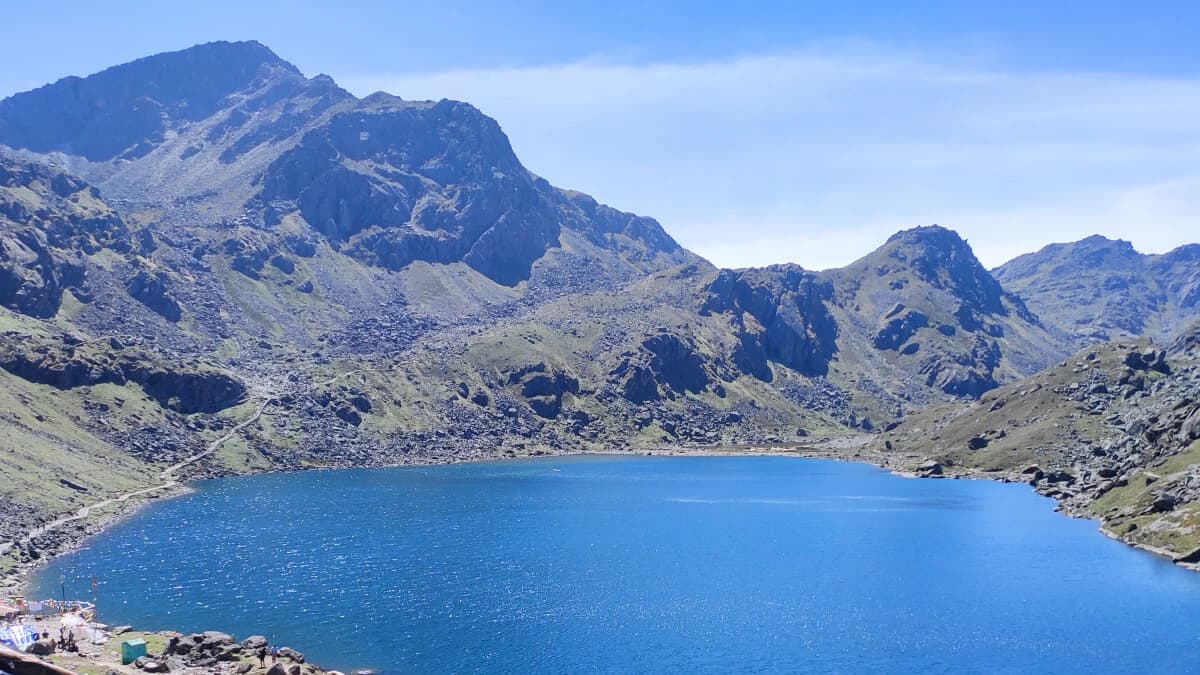
The Gosaikunda Lake Trek is a 7-day Himalayan trek in Langtang National Park, leading to the sacred Gosaikunda Lake (4,380 m / 14,370 ft), one of Nepal's most revered alpine lakes. Starting with a drive from Kathmandu to Dhunche (1,960 m), the route passes through Chandanbari (Sing Gompa) before reaching Gosaikunda, offering breathtaking views of Langtang Lirung (7,227 m), Ganesh Himal, Dorje Lakpa, and the Langtang range. Ideal for trekkers with moderate fitness, the Gosaikunda Lake Trek combines high-altitude scenery, Tamang culture, rhododendron forests, and Hindu pilgrimage heritage, making it one of Nepal's best short trekking adventures.
Trip Photos
Gosaikunda Lake Trek
52 reviews in Google Reviews
Duration7 Days
CountryNepal
Trip GradeModerate
Maximum Altitude4,380m
Group Size1-14
StartsKathmandu
EndsKathmandu
Travel StyleTrekking
Best TimeMarch-May and Sep-Nov.
Highlights of the Gosaikunda Lake Trek
- Explore Langtang National Park: Immerse yourself in the diverse fauna and lush vegetation of this beautiful national park.
- Learn about the Red Panda: Take the opportunity to gain knowledge about the elusive Red Panda, a species native to this region.
- Trek through Scenic Forests: Experience the beauty of trekking through enchanting Rhododendron and Pine forests.
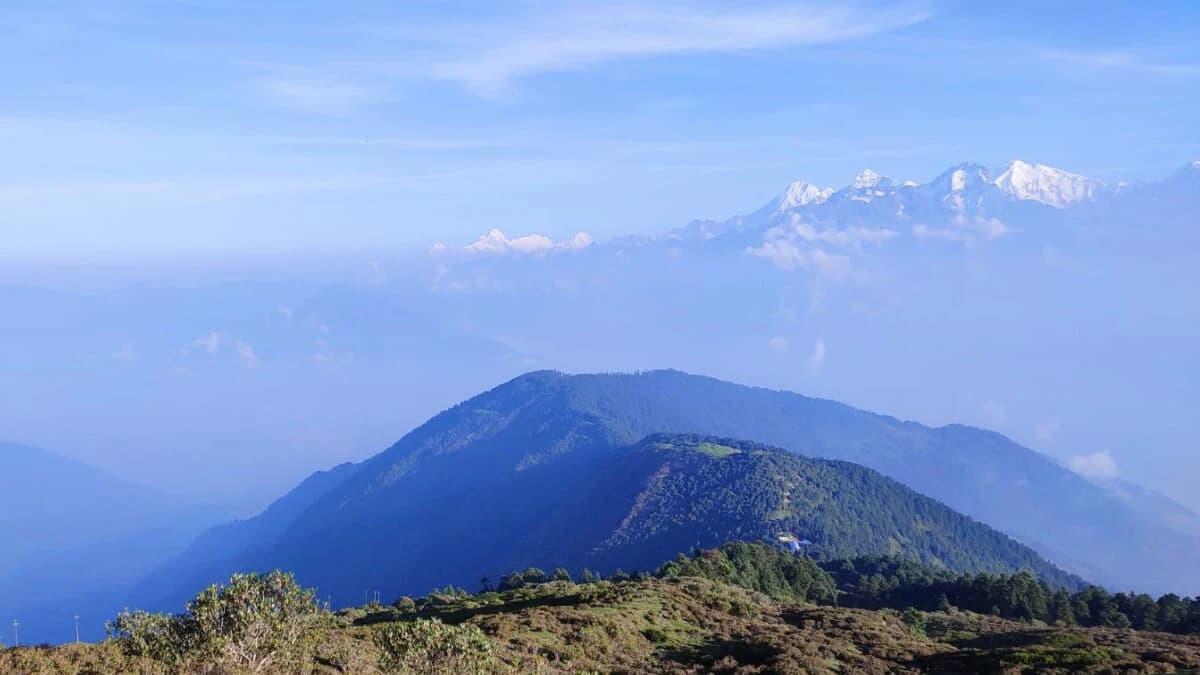
- Marvel at Majestic Mountain Views: Enjoy stunning vistas of the Langtang, Manaslu, Ganesh Himal, Annapurna, and Hiuchuli mountain ranges.
- Cultural Interaction with Tamang People: Engage with the Tamang community, learning about their unique way of life, customs, and cultures.
- Discover Sacred Lakes: Visit the holy Gosaikunda Lake and nearby lakes like Bhairab Kunda, Saraswati Kunda, and Surya Kunda.
- Discover Sing Gompa: Explore this historic site, enriching your trek with cultural and spiritual experiences.
The Gosaikunda Lake Trek is an unforgettable adventure within the stunning Langtang National Park, showcasing the high-altitude freshwater lake of Gosaikunda at 4,380 meters. Recognized as a Ramsar site since 2007, Gosaikunda is also a revered holy site for Buddhists and Hindus. This week-long trek (which can be extended) offers breathtaking views of the Manaslu range, Ganesh Himal range, Tibetan peaks, and Langtang Lirung, making it a must-visit destination for nature enthusiasts and trekkers alike.
During the Gosaikunda Lake Trek, trekkers will explore the sacred lakes of Gosaikunda, Saraswati Kunda, and Bhairab Kunda. The area is steeped in Hindu mythology, with Gosaikunda believed to be the abode of the deities Shiva and Gauri. According to legend, Lord Shiva formed the lake by thrusting his holy trident into the mountain to access water. The lake's waters are especially significant during the Janai Purnima festival in August, drawing thousands of pilgrims.
The trek offers a diverse range of experiences, including traversing ridges, crossing ravines and suspension bridges, and winding through forests of rhododendron, oak, and pine. Along the way, trekkers will gain a deeper understanding of the local communities and their way of life. This trek provides a rich blend of cultural heritage and natural beauty without the challenges of extreme high-altitude trekking.
Ideal for those captivated by culture, mythology, mountains, and nature, the Gosaikunda Lake Trek offers a unique and enriching experience. Immerse yourself in the serene beauty and spiritual significance of Gosaikunda Lake, making it a journey of a lifetime.
Preparation for Gosaikunda Lake Trek
Preparing for the Gosaikunda Lake Trek involves acclimatizing to the elevation change and ensuring you have the right equipment. Trekkers should be ready to hike uphill and downhill for 5 to 6 hours daily while carrying a backpack. If you are new to hiking, suffer from altitude sickness, or have asthma, it's advisable not to attempt a high-altitude trek immediately. To prepare, start with daily hikes at gradually increasing altitudes to help your body adjust to the rising elevation. Regular jogging can help increase your body's oxygen intake efficiency. Engage in physical activities like stretching and moderate aerobics at least a month before your journey to maintain optimal physical fitness.
Being in good physical shape will enable you to complete the trek without difficulties. Equally important is having a comprehensive list of essential equipment for the Gosaikunda Lake Trek. Having the proper gear is essential for ensuring a successful and comfortable trek. Try to procure all necessary equipment before leaving your country, though missing items can also be purchased in Kathmandu.
Gosaikunda Lake Trekking Cost for 2026 and 2027
Recreation Holidays offers the Gosaikunda Trekking packages with costs based on group size. Please refer to the table below for detailed pricing information:
For more detailed pricing and customization options, please contact Recreation Holidays directly.
Gosaikunda Lake Trek Itinerary
Expand All
Day-to-Day Itinerary for Gosaikunda Lake Trek
Day01
Upon arrival at Tribhuvan International Airport, one of our agents from Recreation Holidays will greet you and arrange a private transfer to your hotel. After a long journey, you can relax at your hotel or explore some of Kathmandu's beautiful attractions. During the Gosaikunda Trek itinerary briefing, you will meet your guide and receive any necessary equipment you may be missing.
Day02
Your Gosaikunda Lake Trek begins today after a hearty breakfast. Your guide will help you reach the Machha Pokhari Bus Station, where you'll board a bus heading to Dhunche. Enjoy the scenic drive, taking in views of charming villages and lush pastures along the way. The journey lasts about 5 to 6 hours, passing through forests, terraced farms, streams, and the impressive Trishuli River, before arriving at the village of Dhunche, the administrative center of the Rasuwa District.
Travel Duration: 5 to 6 Hours. Distance: 102 Kilometers
Upon arrival, you can explore the village and interact with local residents. You'll spend the night in a well-kept tea house after a delightful evening with the locals.
Day03
After having breakfast in Dhunche, you will begin your trek to Gosaikunda Lake.
Approximately an hour into the trek, you will arrive at Ghatte Khola. Following the Trishuli River alongside Ghatte Khola, you will arrive at Deurali, a small town with a few tea houses. Continuing for another 3 hours through streamlets and cascades, you will reach Dhimsa. The climb from Dhimsa through lovely pine trees is a bit challenging.
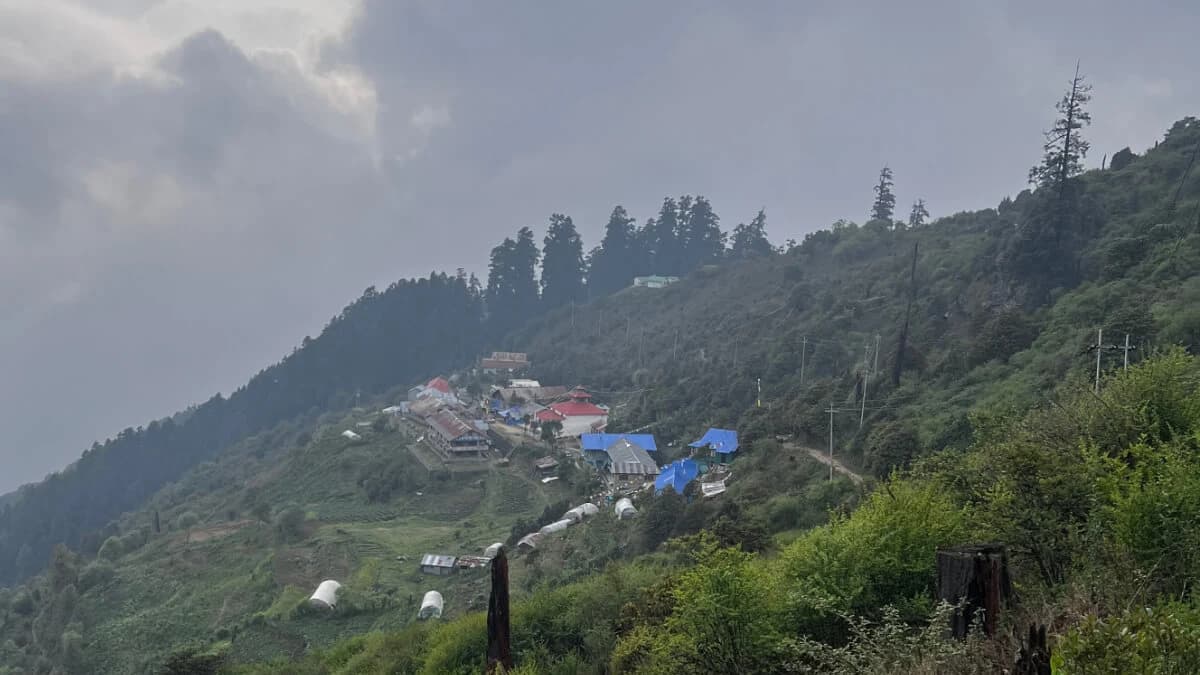
Chandanbari, also known as Sing Gompa, is situated within a pine forest and is accessible via an uphill hike. It features tourist attractions like a monastery and a yak cheese factory.
Trekking Duration: 5 to 6 Hours. Distance: 7 Kilometers
Day04
Today's trek will be more challenging. After breakfast at Chandanbari, you will trek along a rocky, narrow path. The ascent takes you through desolate hills with chilly breezes. After about 1.5 hours, you will reach Cholangpati, offering stunning views of Langtang Lirung, Langtang Ri, Manaslu, and Ganesh Himal.
A 2.5-hour trek leads to Lauribina, followed by a 2-hour climb to Buddha Temple. From there, you will trek for another hour to see Saraswati Kunda, Bhairav Kunda, and finally, the mighty Gosaikunda Lake. You will stay overnight at a tea house and explore the nearby lakes.
Trekking Duration: 5 to 6 Hours. Distance: 9 Kilometers
Day05
After a delicious breakfast, spend some time exploring the surroundings of Gosaikunda Lake. Then, retrace your steps back to Dhunche, passing through Lauribina, Cholangpati, Dhimsa, and Deurali. Enjoy the appealing vistas of mountains, pine forests, and the famous Chandanbari cheese. The downhill trek will be easier and more enjoyable, with opportunities to see protected species like Wood Snipe, Snow Partridge, and Tibetan Snow Cock, and possibly the endangered Red Panda.
Trekking Duration: 7 to 8 Hours. Distance: 15 Kilometers
Day06
Today signifies the conclusion of your Langtang Gosaikunda Lake Trek. After breakfast, you will board a bus back to Kathmandu, enjoying the scenic drive along the Trishuli River and through charming villages. The 6 to 7-hour ride will bring you back to the city, where you can reflect on the memorable experiences of the trek, including the majestic Gosaikunda Lake, beautiful paths, culturally rich Tamang people, and delicious yak cheese.
Travel Duration: 5 to 6 Hours. Distance: 102 Kilometers
Day07
Today is the final day of your Langtang Gosaikunda Trek. A member of our staff will assist you with transportation to the airport for your departure flight. If you wish to extend your trip, Recreation Holidays can make the necessary arrangements. If your flight is scheduled for late evening, you can go shopping for gifts for your loved ones.
Is the proposed itinerary suitable for you?If you are looking for a custom itinerary, please feel free to reach out to our team of professionals at any time.
Customize TripGosaikunda Lake Trek Route Map

Altitude Chart

Trip Service Details
Includes
- Airport Transfers: Enjoy convenient airport pick-up and drop-off services by private coach.
- Kathmandu Accommodation: Stay for 2 nights with breakfast included at a hotel in Kathmandu.
- Meals During Trek: Relish three meals a day (breakfast, lunch, and dinner) during the Gosaikunda Trek, accompanied by a cup of tea or coffee with breakfast. Seasonal fresh fruit will also be available daily.
- Trek Accommodation: Spend 4 nights' accommodation during the trek.
- Guide Expenses: Cover all expenses for the guide, including food, accommodation, salary, insurance, and equipment.
- Transportation: Travel by public bus to Dhunche and back as per the Gosaikunda Trek itinerary.
- Equipment: Utilize provided sleeping bags, down jackets, and duffel bags (to be returned after the trip).
- Permits: Obtain Langtang National Park permits and TIMS permits.
- Essentials: Use water purification tablets.
- Taxes and Charges: All tourist service charges and VAT are included.
Excludes
- International Travel: Excludes international airfare and Nepal entry visa fees.
- Kathmandu Meals: Meals while in Kathmandu are not included.
- Insurance: Excludes travel and medical insurance.
- Additional Services: Porter services and private jeep are not included.
- Personal Expenses: Personal expenses during the trek, including snacks, alcoholic beverages, and non-alcoholic drinks other than tea or coffee with breakfast (e.g., coke, juice, water, Wi-Fi, etc.), are excluded.
- Unforeseen Expenses: Excludes expenses due to unavoidable events such as road wrecks and flight delays.
- Tips: Tips for the guide, which are customary after completing the Gosaikunda Lake Trek, are not included.
Additional Info
Best Season for Gosaikunda Lake Trek
The Gosaikunda Lake Trek is best experienced during Spring (late February to early June) and Autumn (early September to late December). These seasons offer ideal weather, clear skies, and vibrant landscapes, making for a memorable trekking experience.
Optimal Times for Gosaikunda Lake Trek
Spring (March, April, May):
Spring is perfect for trekking, with moderate temperatures and blooming rhododendrons. Wildlife is active, and the stable weather, with temperatures ranging from 18-30°C during the day and 6-18°C at night, makes for comfortable trekking.
Summer (June, July, August):
Summer, or monsoon season, brings lush greenery and rejuvenated landscapes. Although there is frequent rain, the trails from Dhunche onwards are drier. Early June offers a balance before the heavy rains begin.
Autumn (September, October, November):
Autumn is the most popular season for the Gosaikunda Lake Trek. The weather is mild, with daytime temperatures between 20-28°C and nighttime temperatures from 6-10°C. Clear skies provide stunning views of the Himalayas, and the trails are in excellent condition.
Winter (December, January, February):
Winter offers a peaceful trekking experience with fewer crowds. Snowfall from mid-December onwards creates a beautiful landscape. Daytime temperatures range from 18-22°C, while nighttime temperatures can drop to -6°C. With proper gear, winter trekking can be highly rewarding.
Gosaikunda Festive Days
Gosaikunda Lake is central to the Janai Purnima festival, held on the full moon day of August. This important Hindu and Buddhist festival attracts pilgrims from Nepal and beyond. The lake's water is believed to flow to the Kumbheshwar Temple in Patan. During the festival, devotees chant the Gayatri Mantra, change their sacred thread (Janai), and celebrate Rakshya Bandhan. Recreation Holidays can tailor your trek to coincide with this special event for an immersive cultural experience.
Food and Meals During Gosaikunda Lake Trek
On the Gosaikunda Lake Trek, trekkers can savor a wide range of traditional Nepalese cuisine, including the staple Dal Bhat. Additionally, there are various European, Italian, Chinese, and Indian dishes available to suit different tastes.
Breakfast Options:
You can start your day with Tibetan Bread with jam, French toast with jam, muesli, oatmeal, corn flakes, cereal, hash browns, fried eggs, Gurung Bread, pancakes, porridge, and chapatti with tea.
Lunch Selections:
For lunch, enjoy dishes like momo (dumplings), vegetable fried rice with egg, dal bhat, noodle soup, chicken soup, mushroom soup, cheese potatoes, and fried egg noodles.
Dinner Choices:
Dinner menus often include stews, pizza, thukpa, fried noodles, noodle soup, macaroni, fried potatoes, fried rice, momo (dumplings), spring rolls, dal bhat, and spaghetti.
Accommodation Facilities on Gosaikunda Lake Trek
During the Gosaikunda Lake Trek, accommodation is typically in modest tea houses. These tea houses, which act as small hotels, provide basic lodging and homemade meals. Rooms are generally shared by two trekkers. Amenities usually include cold water and communal western-style toilets, with hot showers available for an additional fee. While private rooms can sometimes be arranged for an extra cost, they may be limited, especially during peak trekking seasons.
Gosaikunda Lake Trek Difficulty Level
The Gosaikunda Lake Trek ranges from easy to moderately challenging. Most of the trails feature gentle slopes, but some sections can be steep and demanding. The trek becomes more difficult near Cholangpati due to reduced vegetation and lower oxygen levels. The most challenging part of the trek is the day spent at Gosaikunda Lake, which involves a strenuous two-hour climb in thin air. Trekkers need good physical and mental stamina, as daily walks average 5 to 7 hours. Altitude sickness is a potential issue due to the high elevation, but gradual ascent and proper acclimatization can help manage it. Be mindful of symptoms and descend if necessary.
Travel Insurance for Gosaikunda Lake Trek
Travel insurance is essential for the Gosaikunda Lake Trek, which reaches an altitude of 4380 meters. Insurance should cover trip cancellation, accidents, death, lost luggage, theft, liability, and medical expenses, including mountain rescue costs. Trekkers must provide a certificate of insurance to Recreation Holidays before starting the trek. In case of an emergency, quick rescue operations will be coordinated using your insurance details. Ensure your policy covers all trekking and climbing activities planned during your visit to Nepal.
Managing Altitude Sickness During the Gosaikunda Lake Trek
Altitude sickness can affect trekkers above 3000 meters due to decreased oxygen levels. Symptoms include headaches, dizziness, fatigue, loss of appetite, and an increased heart rate. To manage altitude sickness:
- Walk at a steady pace.
- Bring herbal remedies like ginger and garlic.
- Stay well-hydrated by drinking plenty of water.
- Avoid smoking and alcohol.
- Eat high-calorie, energy-rich foods.
- Ensure proper acclimatization and consider descending to lower altitudes for sleep.
- By following these guidelines, you can reduce the risk of altitude sickness and enjoy a safer trekking experience.
Gosaikunda Lake Trek Gallery


Gosaikunda Lake Trek FAQs
The Gosaikunda Lake Trek is moderately challenging, suitable for those with good fitness levels and some hiking experience.
The Gosaikunda Lake Trek usually spans 7 to 8 days, including the time required for travel to and from Kathmandu.
The ideal times for the Gosaikunda Lake Trek are during Autumn (September to November) and Spring (March to May), offering the best weather and stunning mountain views.
Accommodation on the Gosaikunda Lake Trek includes basic teahouses that offer twin-bedded rooms and shared bathrooms.
While it is possible to trek solo, hiring a guide is highly recommended for navigation, safety, and cultural insights. A porter can help carry your gear, making the trek easier.
Logistics
The trek starts in Syabru Besi, which is accessible by bus or private jeep from Kathmandu.
For the Gosaikunda Lake Trek, you need to obtain a Langtang National Park Permit and a TIMS card.
Yes, most nationalities can receive a Visa on Arrival at Tribhuvan International Airport in Kathmandu. Refer to our Visa Section for more specific details.
Altitude & Health
Symptoms of altitude sickness include headache, nausea, fatigue, dizziness, and trouble sleeping.
To prevent altitude sickness, it’s important to ascend gradually, drink plenty of water, avoid alcohol, and pay attention to your body's signals. If you notice symptoms, inform your guide and consider taking a rest day or descending to a lower altitude.
It’s advisable to bring both cash and a credit card. Nepali Rupees are essential for expenses on the trek, while credit cards are useful in Kathmandu but not widely accepted along the trekking route.
Phone and internet connectivity is limited during the Gosaikunda Lake Trek, especially at higher elevations. Some teahouses may offer Wi-Fi for a fee, but the service can be unreliable.
Travelers’ Review
A Perfect 7-Day Gosaikunda Trek with R H Team
We just completed the 7-day Gosaikunda Lake trek with Recreation Holidays, and it was truly one of the best experiences we've ever had. The entire journey was incredibly well-organized, and...
L
Laura Gutierrez Spain - SpainAugust 21, 2025

Our Similar Trips
Best offbeat trek in Nepal
Need Help? Call Us.+977 9851001069