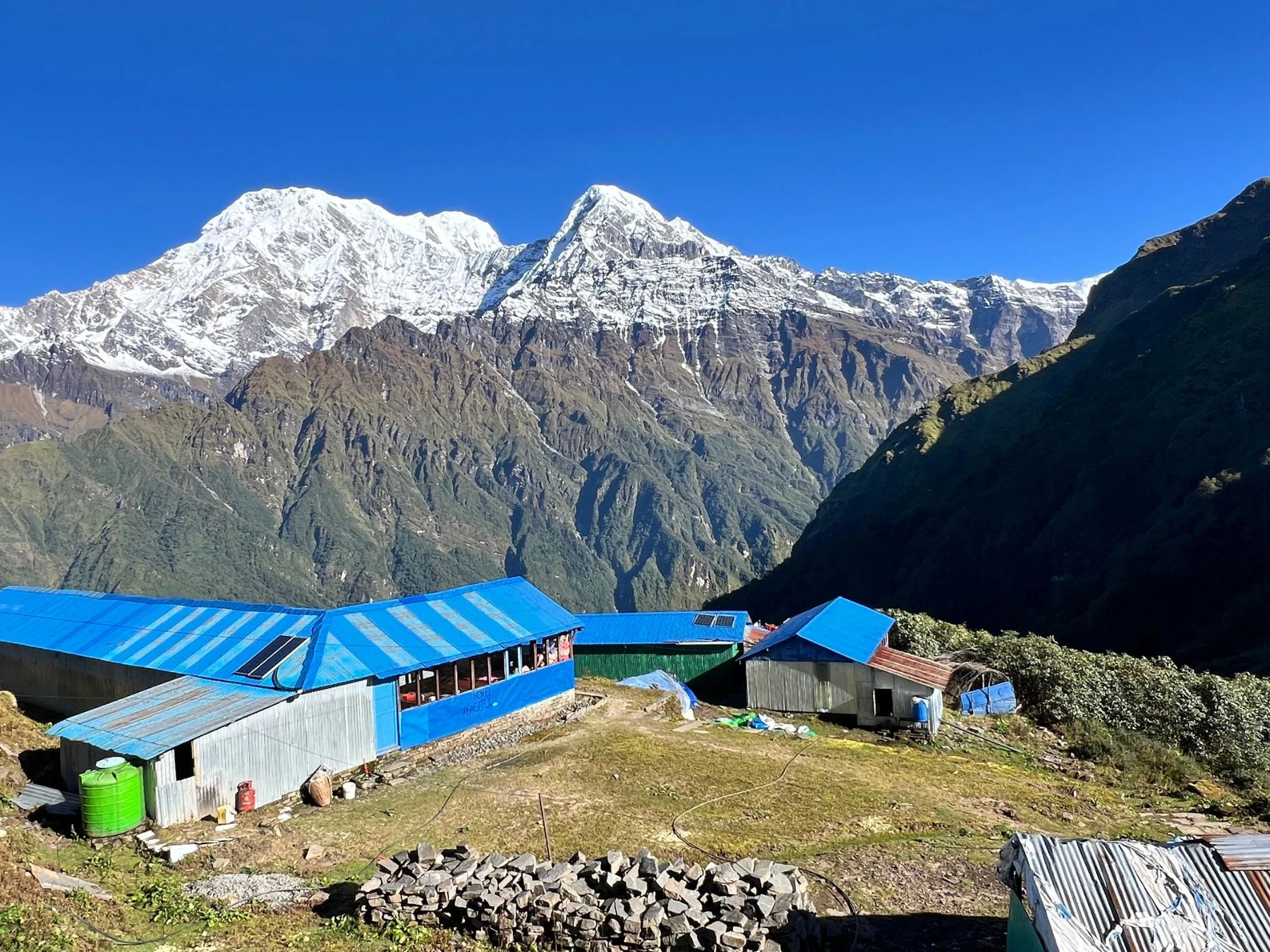
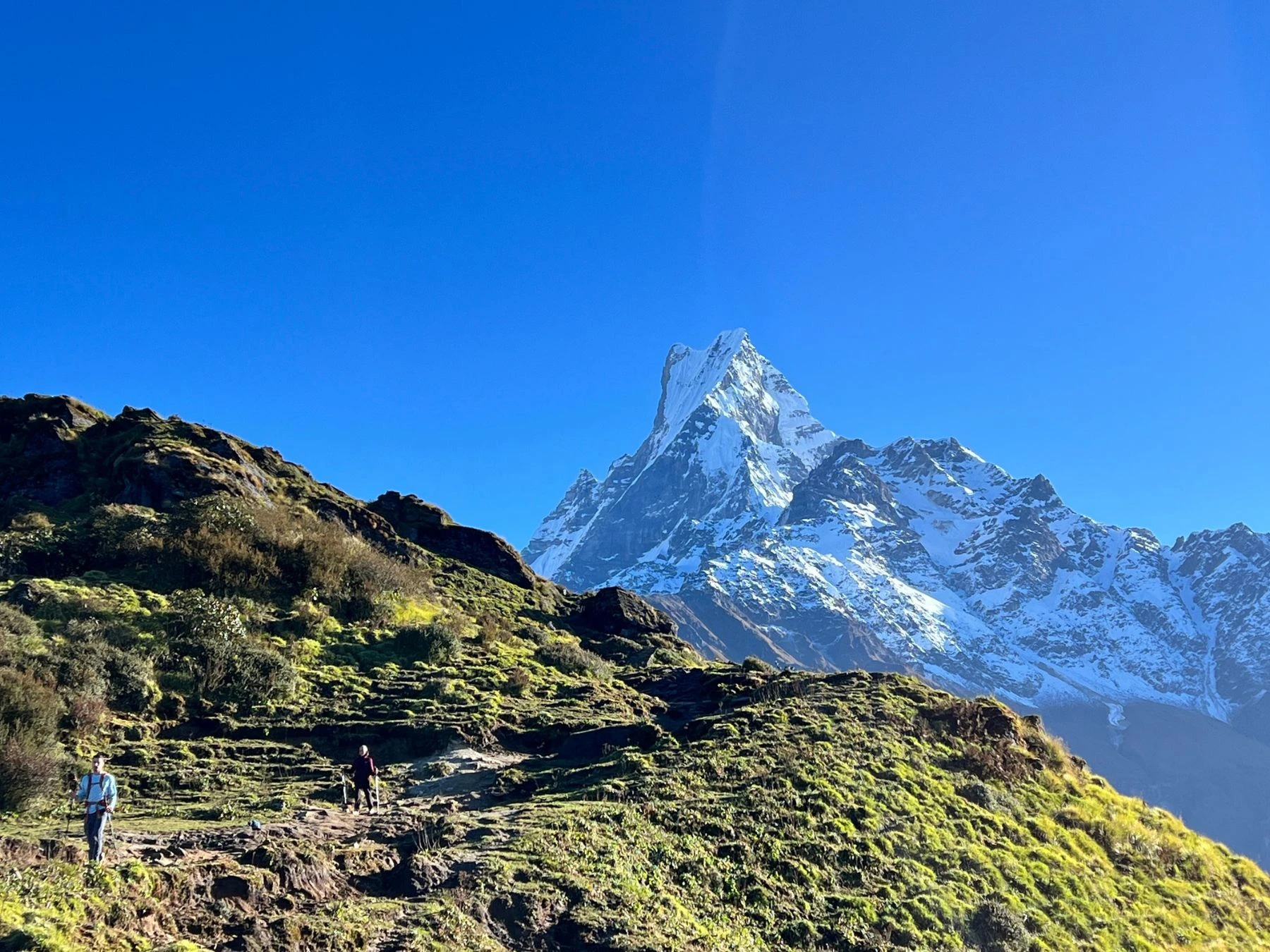
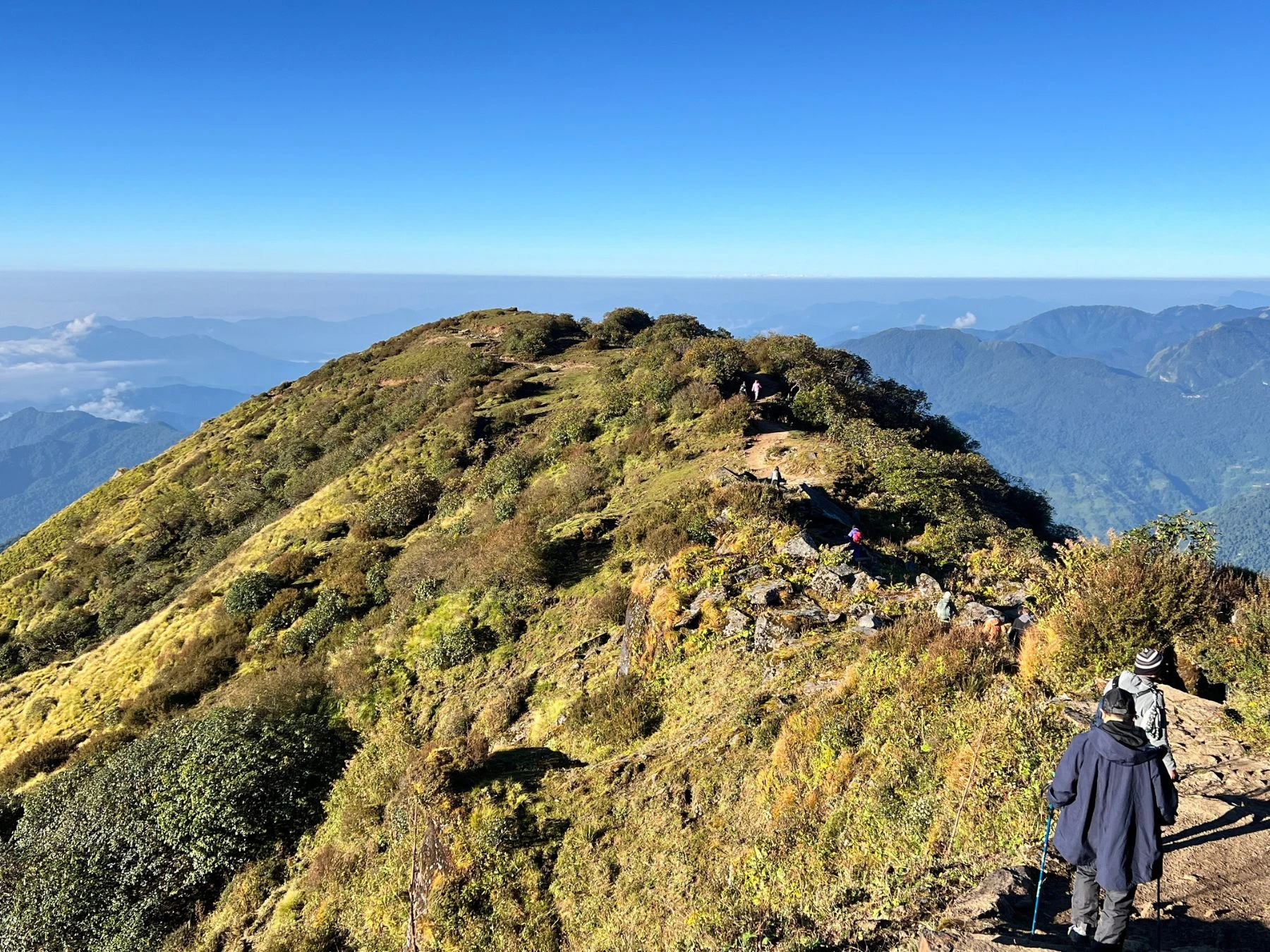
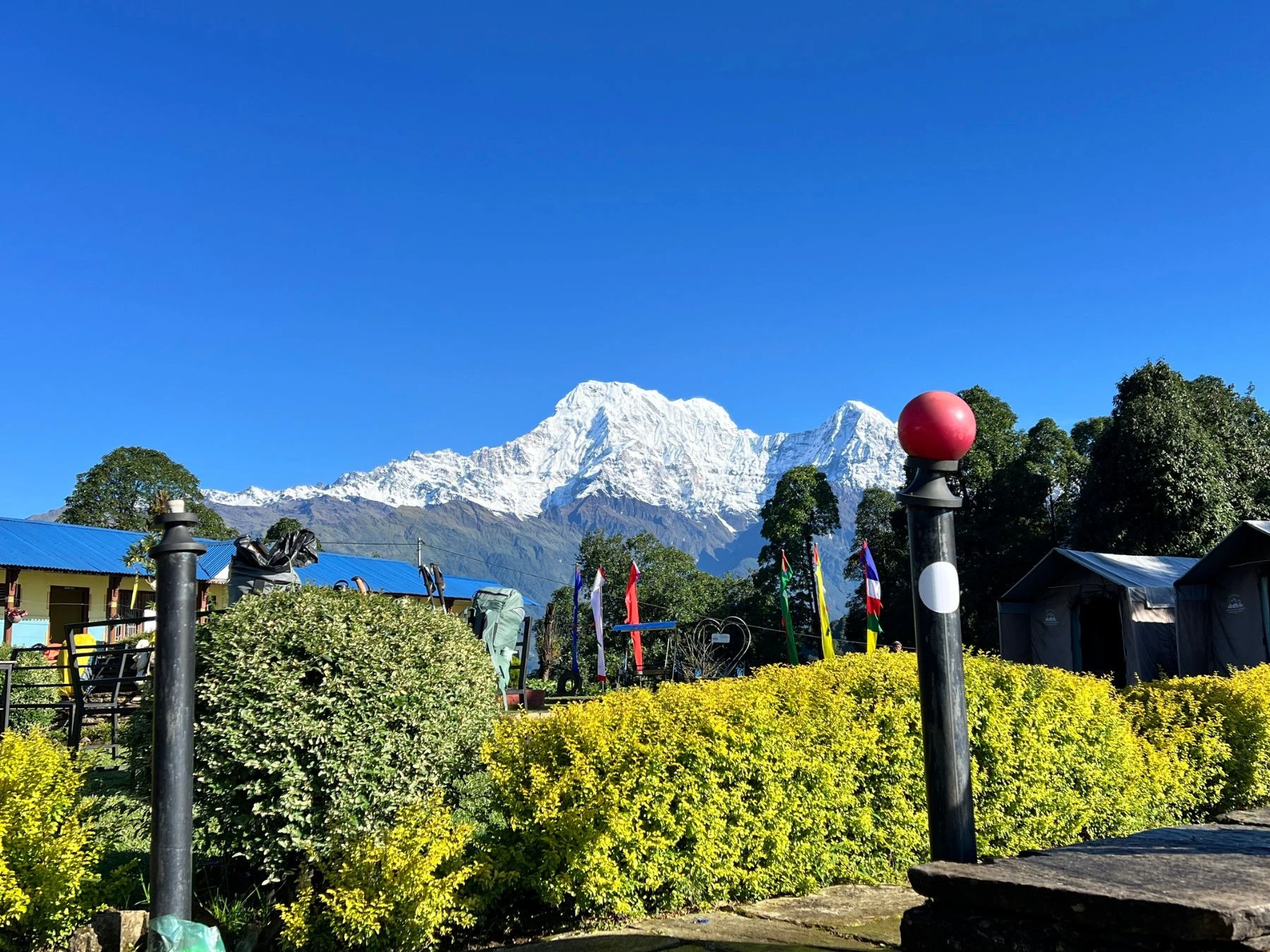
Short Mardi Himal Trek 5 days picture 1
Short Mardi Himal Trek 5 days picture 2
Short Mardi Himal Trek 5 days picture 13
Trip Photos

Short Mardi Himal Trek - 5 Days

112 reviews in TripAdvisor
52 reviews in Google Reviews

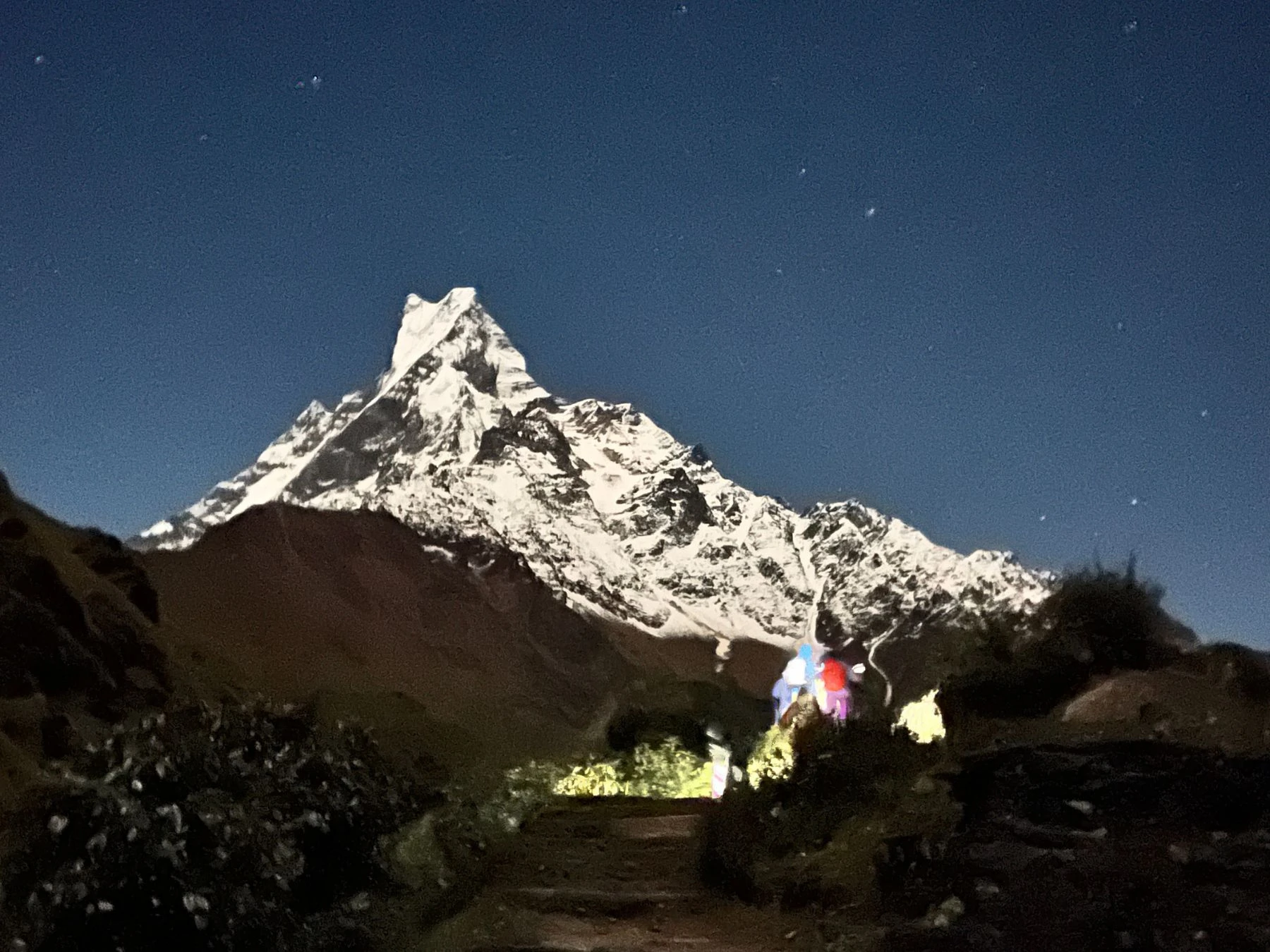
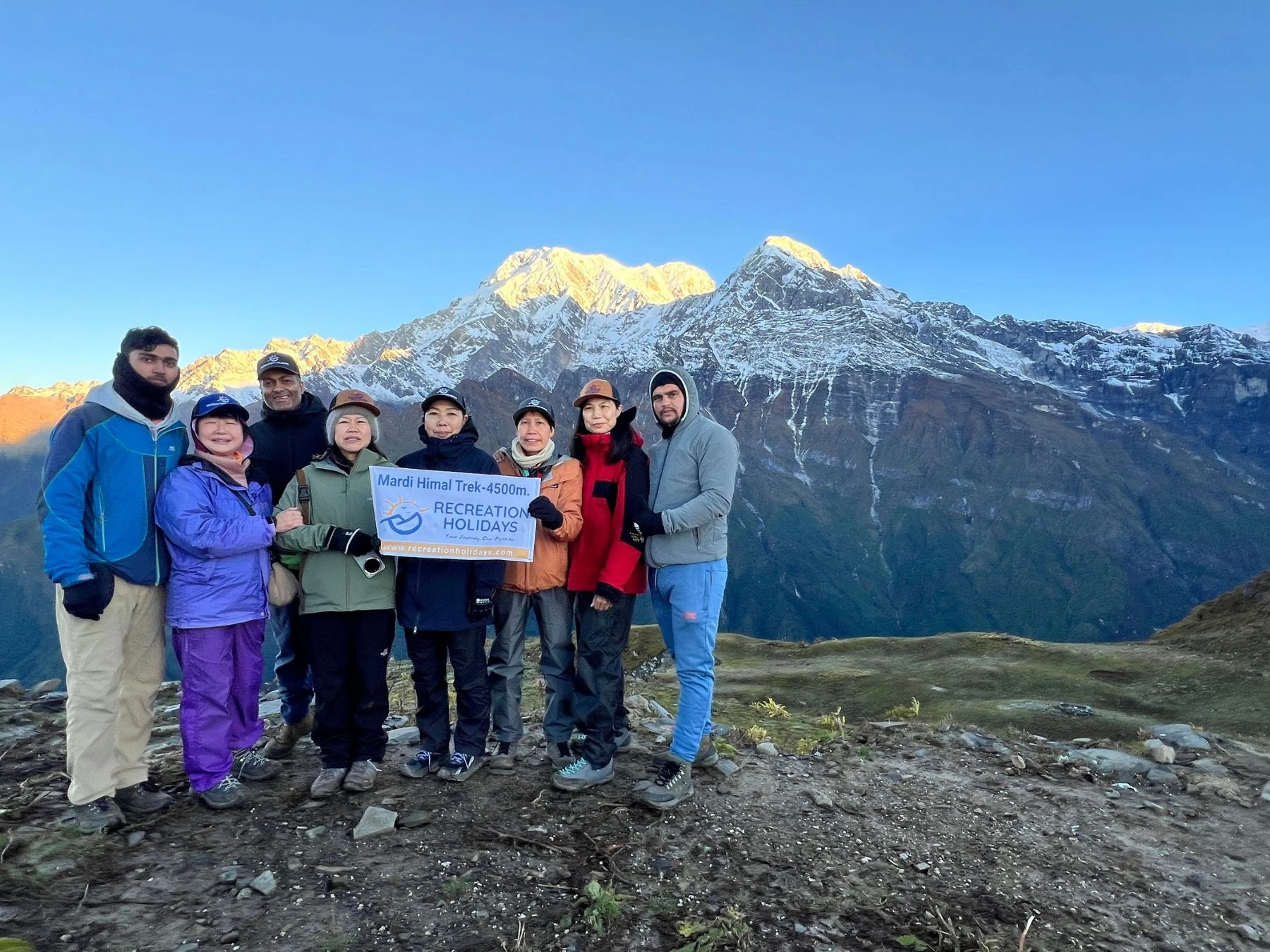
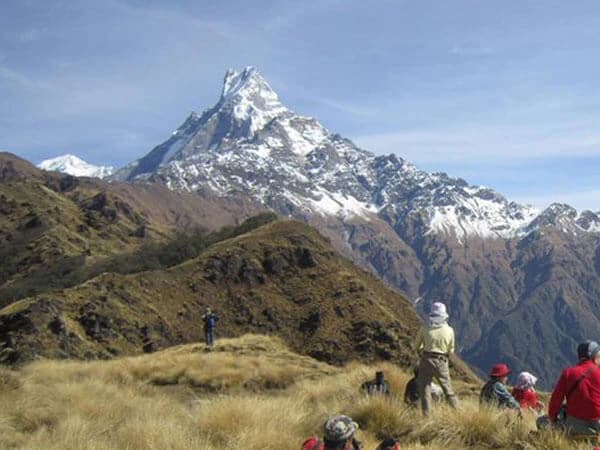
The Short Mardi Himal Trek is a compact teahouse trek in Nepal’s Annapurna Conservation Area, following a forested ridge toward High Camp and the upper viewpoint beneath Mardi Himal (5,587 m) and Machhapuchhre. Depending on the route, the highest point may be the Upper Viewpoint at approximately 4,200 m or Mardi Himal Base Camp at approximately 4,500 m. These are different destinations, so the confirmed itinerary determines the actual maximum altitude and trekking duration.

The route is generally considered moderate and requires no technical climbing, but steep trails, narrow ridges, consecutive walking days, and rapid altitude gain can make a short schedule demanding. Check availability to confirm the Recreation Holidays itinerary, current price, and highest point reached.
 

Duration5 Days
CountryNepal
Trip GradeEasy
Maximum Altitude5,587 m
Group Size1-12
StartsPokhara
EndsPokhara
Travel StyleGuided Teahouse Trek
Best TimeSpring (March–May) and Autumn (September–November)

Short Mardi Himal Trek at a Glance

Trek detail Information
Region Annapurna Conservation Area, Nepal
Mardi Himal peak 5,587 m
Upper Viewpoint Approximately 4,200 m
Mardi Himal Base Camp Approximately 4,500 m
Accommodation Teahouses and lodges
Trek difficulty Generally moderate; daily demands depend on itinerary
Best seasons Spring (March–May) and autumn (September–November)
Starting/ending points Confirmed package route required
Duration, walking hours and cost Confirm current package details

Is the Short Mardi Himal Trek Right for You?

The Mardi Himal short trek can suit travelers with limited time who are comfortable with sustained walking and changing mountain conditions. Regular hikers and experienced trekkers may appreciate its shorter schedule, but suitability depends on the actual daily walking hours and overnight-altitude progression.

A longer itinerary may offer a more gradual pace and greater flexibility. In a researched four-day example, sleeping altitude rises from approximately 2,550 m at Forest Camp to 3,580 m at High Camp a gain of about 1,030 m in one day. This illustrates why a short schedule should not be assumed to provide adequate acclimatization.

Short Mardi Himal Trek suitability checklist

  • Can you manage consecutive days of hiking?
  • Are you prepared for steep, uneven and potentially slippery trails?
  • Are you comfortable with basic teahouse facilities?
  • Have you allowed enough time for transport to and from Pokhara?
  • Do you understand the altitude demands and variable weather?

Short Mardi Himal Trek for beginners: It may be possible for well-prepared beginners, but a compressed itinerary is not automatically suitable for everyone. Fitness does not eliminate altitude-illness risk. Choose your schedule based on the actual route and walking demands, not duration alone.

What Makes the Short Mardi Himal Trek Different?

The Short Mardi Himal Trek follows forest trails and a rising mountain ridge through Forest Camp, Low Camp, Badal Danda, and High Camp toward the upper viewpoint beneath Mardi Himal (5,587 m) and Machhapuchhre. The trail becomes steeper above Forest Camp, while the ridge between Low Camp and High Camp offers more exposed walking. The Upper Viewpoint is approximately 4,200 m; the true Mardi Himal Base Camp is approximately 4,500 m, farther along the route.

Trekking on a Shorter Schedule

A shorter Mardi Himal short trek reduces the time required for the journey but may mean longer walking days and less flexibility. Compare daily walking hours and overnight altitudes before choosing a short itinerary.

Accommodation and Trail Facilities

The route uses teahouses and lodges, generally with basic rooms, twin beds, blankets, and shared toilets. Hot showers and charging may cost extra, heating is often limited to dining areas, and Wi-Fi can be inconsistent. There is no lodging at the true 4,500 m Base Camp on the researched route; trekkers typically sleep at High Camp and hike higher.

The Main Trade-Offs

The short format saves time but can compress altitude gains and daily effort. A longer itinerary may provide more flexibility and a less rushed pace. The right choice depends on your fitness, available time, comfort expectations, and the confirmed route.

Short Mardi Himal Trek Route and Map

A common Short Mardi Himal Trek route starts at Kande, Phedi, or Dhampus and proceeds through forest settlements and ridge camps toward High Camp and the Upper Viewpoint. Many itineraries descend toward Siding and return by road to Pokhara. The exact starting point, overnight stops, highest point, and finish depend on the booked package.

Main Trekking Stages

The route generally has three phases: approach and forest ascent; ridge trekking through Low Camp, Badal Danda, and High Camp; and the upper-viewpoint hike followed by descent. Not every short itinerary follows identical stages or reaches the true Base Camp.

Starting and Ending Logistics

For a Mardi Himal Trek from Pokhara, the drive to Kande typically takes about 45 minutes to 1.5 hours. From Siding, the return road journey to Pokhara is approximately 2–3 hours, depending on conditions. Kathmandu–Pokhara travel takes around 6–7 hours by tourist bus, or travelers can consider a flight. Road conditions and monsoon landslides may cause delays; confirm which transfers are included in your Short Mardi Himal Trek package.

Short Mardi Himal Trek Cost

The Short Mardi Himal Trek package starts at USD 325 per person, with pricing depending on group size.

Group size Price per person
1 person USD 499
2–4 people USD 360
5–10 people USD 340
More than 10 people USD 325

What’s Included in the Package?

Your package includes airport and ground transportation as per the itinerary, an experienced trekking guide, porters, three meals per day during the trek, teahouse accommodation, all required trekking permits, and basic government and local taxes and service charges.

How Difficult Is the Short Mardi Himal Trek?

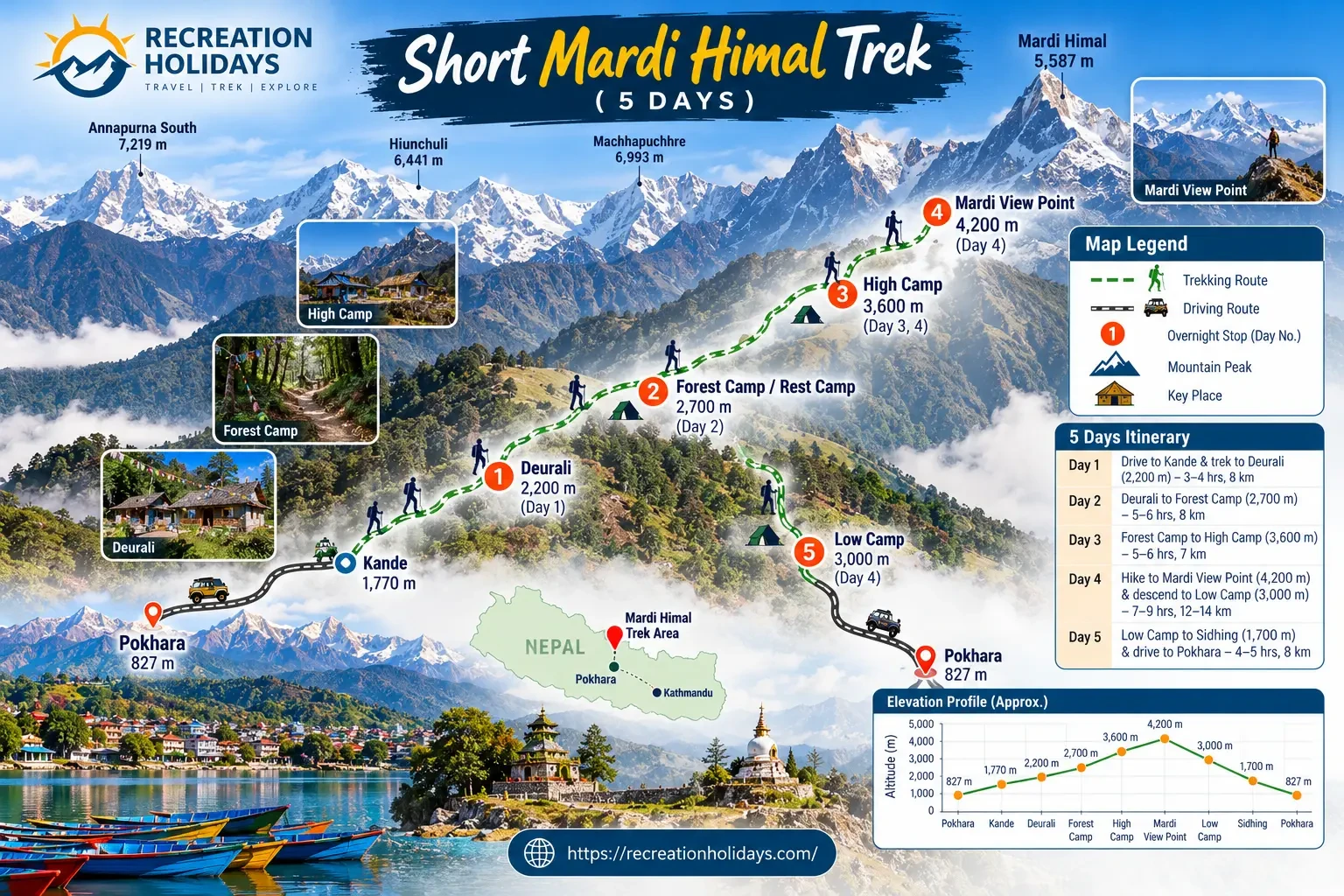
The Short Mardi Himal Trek difficulty is best assessed as moderate to challenging, depending on fitness, trail conditions and altitude response. The itinerary totals approximately 43–45 km and 24–30 hours of trekking, excluding transport. Expect 3–6 hours on Days 1–3, 7–9 hours on Day 4 and 4–5 hours on Day 5. The long viewpoint day follows three consecutive trekking days.

Elevation gain and loss

The route climbs from Deurali (2,200 m) to High Camp (3,600 m) and Mardi View Point (4,200 m), then descends to Sidhing (1,700 m). Day 4 includes returning to High Camp before descending to Low Camp.

Terrain and trail conditions

Expect uphill forest trails and steeper ridge sections. Rain, snow or ice can make footing more difficult; conditions vary by season.

Altitude and physical demands

Sleeping at High Camp (3,600 m) and visiting 4,200 m increase altitude-related risk. Headache, nausea or dizziness require attention; do not ascend higher with altitude symptoms. Worsening symptoms or signs such as confusion, poor coordination or breathlessness at rest require urgent descent and medical assistance.

Is the Short Mardi Himal Trek for beginners?

It may suit well-prepared beginners who can hike uphill for several consecutive days, but the long fourth day and altitude exposure make it unsuitable to describe as easy. Fitness does not eliminate altitude sickness risk.

How to assess your readiness

Prepare with regular uphill walking, longer hikes and back-to-back walking days. This is a practical editorial assessment, not a formal scientific rating; actual difficulty depends on pace, weather, trail conditions and individual response to altitude.

Short Mardi Himal Trek Elevation Profile

The Short Mardi Himal Trek reaches 4,200 m at Mardi View Point, its highest daytime destination. The highest overnight stop is High Camp at 3,600 m. The route climbs from Deurali (2,200 m) through Forest Camp or Rest Camp (2,700 m) to High Camp, then ascends to the viewpoint before descending through Low Camp (3,000 m) to Sidhing (1,700 m).

Highest Point Reached

Mardi View Point at approximately 4,200 m is reached on an early-morning excursion from High Camp. Trekkers return to High Camp before descending. The viewpoint is distinct from Mardi Himal Base Camp, which is not part of this itinerary.

Overnight Altitude Progression

Day Overnight stop Approx. elevation
1 Deurali 2,200 m
2 Forest Camp or Rest Camp 2,700 m
3 High Camp 3,600 m
4 Low Camp 3,000 m
5 Return to Pokhara via Sidhing Sidhing: 1,700 m

The overnight elevation increases by approximately 500 m between Days 1 and 2, then 900 m between Days 2 and 3. Day 4 includes the climb to 4,200 m, return to High Camp and descent to Low Camp.

Best Time for the Short Mardi Himal Trek

The best time for the Short Mardi Himal Trek is generally spring (March–May) and autumn (September–November). Conditions remain changeable at mountain elevations, and clear views are never guaranteed. 

Spring (March–May)

Spring often brings milder conditions at lower elevations and seasonal rhododendron blooms. Higher sections can remain cold, with changing weather or snow affecting visibility and trail conditions.

Autumn (September–November)

Autumn is popular for trekking, and October and November often offer clearer post-monsoon skies. Cold nights and sudden weather changes remain possible, particularly at High Camp.

Summer and Monsoon (June–September)

Rain can make trails muddy and slippery. Leeches, poor visibility and road disruption may affect trekking and transport. Waterproof clothing, protected equipment and flexible plans are important.

Winter (December–February)

Expect colder nights and possible frost, snow or ice on higher sections. These conditions can make the High Camp approach and viewpoint hike more difficult. Warm layers, suitable footwear and awareness of current trail conditions are essential.

Which Season Should You Choose?

Season Typical advantage Main limitation
Spring Milder lower trails and flowering forests Variable weather and possible high-altitude snow
Autumn Often clearer post-monsoon skies Cold nights and busy trails
Monsoon Lush forest scenery Rain, slippery trails, leeches and uncertain views
Winter Potentially quieter trails Cold, possible snow or ice, variable lodge availability

Choose dates based on your comfort with cold, rain and changing conditions. In every season, prepare for lower temperatures at altitude and check local weather and trail conditions before setting out.

Weather and Trail Conditions

Weather on the Short Mardi Himal Trek varies by season and elevation. Conditions may be milder on lower forest trails but colder and more exposed at High Camp (3,600 m) and Mardi View Point (4,200 m). Rain, snow, wind and cloud can affect trail safety, visibility and walking times.

Weather Considerations Along the Route

Temperatures generally decrease with elevation, so warm layers are important even when Pokhara feels mild. Weather can change quickly along the ridge. Check local forecasts before trekking and follow your guide’s advice if conditions deteriorate.

Visibility and Mountain Views

The route offers opportunities to see the surrounding Himalayan peaks, including Machhapuchhre, but clear views cannot be guaranteed. Cloud, mist, rain and snowfall can obscure the mountains. An early start for Mardi View Point may offer a better opportunity for morning views, depending on the weather.

Short Mardi Himal Trek Packing List

Item Priority and reason
Layered clothing, insulated jacket and waterproof shell Essential for cold, wind and rain
Trekking boots and warm socks Support on uneven, steep or slippery trails
Daypack, reusable bottle and water treatment Carry daily essentials and treat drinking water safely
Sun protection, sunglasses and headlamp Protection and visibility
Personal medication, passport and permits Health and required documents
Power bank and sleeping bag Useful where charging and bedding warmth vary

Short Mardi Himal Trek - 5 Days Itinerary

Expand All

The Short Mardi Himal Trek itinerary takes five days, following a route from Kande through Deurali, Forest Camp, and High Camp to Mardi View Point (4,200 m), before descending through Low Camp to Sidhing and returning to Pokhara. The trek combines forest trails, increasingly elevated mountain terrain, an early-morning viewpoint hike, and a final descent. Trekking times below exclude the drive to Kande and the private jeep journey from Sidhing to Pokhara.
 

Day01

Your Short Mardi Himal Trek begins with a drive from the Pokhara area to Kande, the starting point for the trek. From here, you set out on foot toward Deurali, covering approximately 8 km in 3–4 hours. This first day introduces you to walking on mountain trails and gives you time to settle into the rhythm of trekking.

The overnight stop is Deurali at approximately 2,200 m. Keep a comfortable pace, carry sufficient drinking water, and use the day to check your footwear and pack before the longer walking days ahead.
 

Day02

After breakfast, continue on foot from Deurali toward Forest Camp or Rest Camp. The day covers approximately 8 km and takes 5–6 hours, with the overnight elevation reaching around 2,700 m. The route progresses farther into the forested section of the Mardi Himal trail as you gain altitude.

Allow enough time for steady walking and short breaks rather than rushing to the next stop. The exact overnight location should be confirmed in your package, because Forest Camp and Rest Camp must not be assumed to be interchangeable without checking the planned route.
 

Day03

Today, trek approximately 7 km over 5–6 hours to High Camp at around 3,600 m. The trail continues uphill toward the higher ridge, and the increasing elevation can make walking feel more strenuous than it did on the lower sections.

Take a measured pace, stay hydrated, and pay attention to how you feel as you ascend. High Camp is the overnight stop before the early start for Mardi View Point. Because you will sleep at a relatively high elevation, do not ignore symptoms such as headache, nausea or dizziness, and tell your guide if you feel unwell.
 

Day04

Day 4 is the most demanding part of this Short Mardi Himal Trek. Start early for Mardi View Point at approximately 4,200 m, then return to High Camp before descending to Low Camp at around 3,000 m. The combined route covers approximately 12–14 km and takes 7–9 hours.

The early start gives you an opportunity to reach the viewpoint before continuing the descent. However, weather, visibility, trail conditions and your physical condition can affect the experience. This day combines a high-altitude ascent with a substantial descent, so conserve energy, wear suitable footwear and follow your guide’s advice.

Altitude sickness can occur even in fit trekkers. If symptoms develop, do not continue ascending; worsening symptoms or signs such as confusion, poor coordination or breathlessness at rest require urgent medical attention and descent.
 

Day05

On the final trekking day, descend from Low Camp to Sidhing at approximately 1,700 m. The walk covers around 8 km and takes 4–5 hours, completing the trekking portion of the journey.

At Sidhing, take the planned private jeep transfer to Pokhara. The driving time is separate from the stated trekking hours and may vary with road and weather conditions. Confirm the transfer arrangements and allow flexibility if you have onward travel plans.

This final descent brings the five-day journey to a close, returning you to Pokhara after the forest trails, high ridge and viewpoint experience of the Mardi Himal route.
 

Is the proposed itinerary suitable for you?If you are looking for a custom itinerary, please feel free to reach out to our team of professionals at any time.
Customize Trip

Short Mardi Himal Trek - 5 Days Route Map

short-mardi-himal-trek-route-map.webp

Additional Info

Main Ascent, Descent and Altitude Implications

The main ascent leads toward High Camp. Day 4 is the most demanding day, combining a viewpoint excursion with approximately 12–14 km of walking over 7–9 hours. Day 5 continues downhill for approximately 8 km over 4–5 hours to Sidhing, followed by a private jeep transfer to Pokhara.

Altitude affects people differently, regardless of fitness. The 900 m increase in sleeping elevation before High Camp is substantial, and this compressed itinerary does not guarantee adequate acclimatization. Trekkers should consider their previous altitude experience and discuss concerns with a qualified healthcare professional before departure.

Elevation profile visual: Show the daily route, overnight points, 4,200 m viewpoint, return to High Camp and descent to Sidhing using elevations consistent with the itinerary.

Acclimatization and Altitude Considerations

The trek reaches 3,600 m at High Camp and 4,200 m at Mardi View Point, where lower air pressure increases altitude-related risk. Gradual ascent can reduce risk but cannot eliminate it. CDC guidance recommends limiting sleeping-altitude increases to approximately 500 m per night once above 3,000 m, with additional acclimatization time where possible. The planned 900 m increase before High Camp deserves particular attention. 

Symptoms and Safety

Possible acute mountain sickness (AMS) symptoms include headache, nausea, dizziness, unusual fatigue, vomiting and reduced appetite. Confusion, poor coordination, unusual drowsiness, breathlessness at rest or a worsening cough may indicate serious altitude illness.

Symptoms can begin within hours of ascent. Do not ascend higher while experiencing altitude-illness symptoms. If symptoms worsen or serious warning signs appear, seek urgent medical assistance and descend to a lower elevation. Inform your guide immediately and prioritize health over reaching the viewpoint. 

Rain, Snow and Trail Conditions

Condition Possible effect on the trek Practical preparation
Rain and monsoon weather Muddy, slippery trails, leeches and reduced visibility Waterproof clothing and careful footing
Snow and ice More difficult walking on higher sections Warm layers and suitable trekking footwear
Wind and cold Greater exposure around High Camp and the ridge Windproof outer layer, gloves and insulation
Cloud and mist Reduced visibility and limited mountain views Follow your guide’s directions and remain flexible

How Weather May Affect the Itinerary

Heavy rain, snow, poor visibility or unsafe trail conditions may require a slower pace, a delayed start, a change of plan or turning back before the viewpoint. Safety takes priority over completing the planned route. Keep flexibility in your schedule, as road conditions and weather can also affect the return journey to Pokhara.

Accommodation on the Short Mardi Himal Trek

Accommodation on the Short Mardi Himal Trek is generally in basic teahouses or mountain lodges. The itinerary includes overnight stops at Deurali (2,200 m), Forest Camp or Rest Camp (2,700 m), High Camp (3,600 m) and Low Camp (3,000 m). Facilities are generally simpler at higher elevations.

What Accommodation Is Provided?

Teahouses provide a place to rest and sleep between trekking days. The exact lodge depends on the overnight stop and room availability. Expect practical, basic accommodation rather than hotel-style services.

Rooms and Sleeping Arrangements

Rooms commonly have twin beds with mattresses, pillows and blankets. Room types and availability can vary, especially during busy trekking periods. A sleeping bag is recommended, particularly during colder seasons and at higher elevations.

Bathrooms, Charging, Heating and Connectivity

Facility What to expect
Bathrooms Shared facilities are common; arrangements vary by lodge
Hot showers May be available for an additional charge
Device charging Availability and fees vary between teahouses
Heating Usually concentrated in communal dining areas rather than bedrooms
Wi-Fi and mobile signal Can be inconsistent, particularly at higher elevations
Sleeping comfort Colder conditions at High Camp make warm sleepwear and insulation important

Food and Drinking Water

Teahouses along the Mardi Himal route commonly serve filling meals and hot drinks, although menu choices and availability vary by location. Carry suitable snacks for longer walking days, particularly the 7–9-hour viewpoint day.

Meals Included in the Package

Meals included in your Short Mardi Himal Trek package depend on the selected package arrangements. Check the inclusions and exclusions to understand whether breakfast, lunch and dinner are covered or paid for separately. Meals purchased independently should be included in your trekking budget when calculating the overall Short Mardi Himal Trek cost.

Food Availability Along the Route

Common teahouse meals include dal bhat, rice, noodles, soups, potatoes and eggs. Choices may become more limited at higher elevations, and meal preparation can take longer when lodges are busy. Eating regular, carbohydrate-rich meals can help support energy needs during consecutive trekking days.

Dietary Requirements

Inform your trekking company of dietary requirements before departure. Vegetarian dishes are commonly available, but specialized diets, food allergies and strict cross-contamination requirements may be harder to accommodate in remote mountain lodges. If you have specific dietary needs, carry suitable backup snacks.

Drinking Water

Do not assume untreated stream or tap water is safe to drink. Use properly boiled water or an appropriate treatment method, such as a suitable filter or purification tablets, following the product instructions. Bottled or treated water may be available at teahouses, but availability and prices vary and bottled water creates plastic waste. Carry a reusable bottle and a reliable water-treatment option, and drink regularly throughout the trek.

Transportation and Starting Logistics

Reaching the Starting Point

The Short Mardi Himal Trek begins with a drive from Pokhara to Kande, followed by trekking to Deurali. On Day 5, the route descends from Low Camp to Sidhing, where a private jeep takes you back to Pokhara.

Included Transport and Delays

Confirm whether the drive to Kande and private jeep from Sidhing are included in your selected package. Road conditions, weather and traffic can affect travel times, so allow a buffer before onward flights or buses. Additional costs depend on the package terms and any changes to transport arrangements.

Permits and Entry Requirements

Foreign trekkers on the Mardi Himal route need the applicable Annapurna Conservation Area Permit (ACAP) and must follow Nepal’s current trekking-guide and TIMS requirements. Official rates currently list ACAP at NPR 3,000 for foreign nationals and NPR 1,000 for SAARC nationals; TIMS is NPR 2,000 for other nationalities and NPR 1,000 for SAARC nationals.

Carry your passport details and required identification. Permit arrangements and costs depend on the package inclusions. Check the official Nepal Tourism Board TIMS guidance and official ACAP permit portal before departure. Information checked 12 October 2026.

How to Prepare for the Short Mardi Himal Trek?

Build endurance with regular walks, uphill training and consecutive hiking days. Practise controlled downhill walking and develop leg strength and balance for uneven trails. Begin preparation several weeks ahead, adjusting to your current fitness and experience. Fitness does not prevent altitude illness: the route reaches 3,600 m at High Camp and 4,200 m at Mardi View Point, so understand altitude symptoms and seek medical advice if you have health concerns.

Why Book the Short Mardi Himal Trek With Recreation Holidays?

Recreation Holidays aims to make your Short Mardi Himal Trek straightforward with clear itinerary details, transparent package pricing, and practical guidance before departure. Review the route, inclusions, guide experience, and safety arrangements before booking, and explore genuine traveler reviews to help you make an informed decision.

Our Similar Trips

Best Price
Everest View
Everest Region
4 reviews

Everest View Trek

FromUS$1170
11 Days
Best offbeat trek in Nepal
Manaslu
Manaslu Region
4 reviews

Manaslu Circuit Trek - 11 Days

FromUS$970
11 Days
Mardi Himal
Annapurna Region
3 reviews

Mardi Himal Trek - 11 Days

FromUS$660
11 Days
Need Help? Call Us.+977 9851001069