Overview of The Manaslu Circuit Trek for Seniors
The Manaslu Circuit Trek is called a “Circuit” because you walk in a complete loop around Mount Manaslu, not the same way back. This makes the trek more interesting as you observe new landscapes and villages almost every day. For seniors, this variety keeps the journey fresh and enjoyable.
The total walking distance of the Manaslu Circuit Trek is approximately 170-180 kilometers, depending on the exact route taken. Most trekkers complete the trek in 11 to 14 days. Seniors often benefit from a slower itinerary, which includes extra rest days. Walking slowly and taking breaks is not a weakness, but it is the smartest way to trek at high altitude.
The trail begins at a low altitude and gradually rises in elevation. This is very important for seniors because it helps the body adjust naturally to thin air. The highest point of the trek is Larkya La Pass, which is 5,100 meters above sea level. This is the most challenging day, but it is only one day. If this day is carefully planned with an early start and enough rest before and after, it is not that strenuous to overcome.
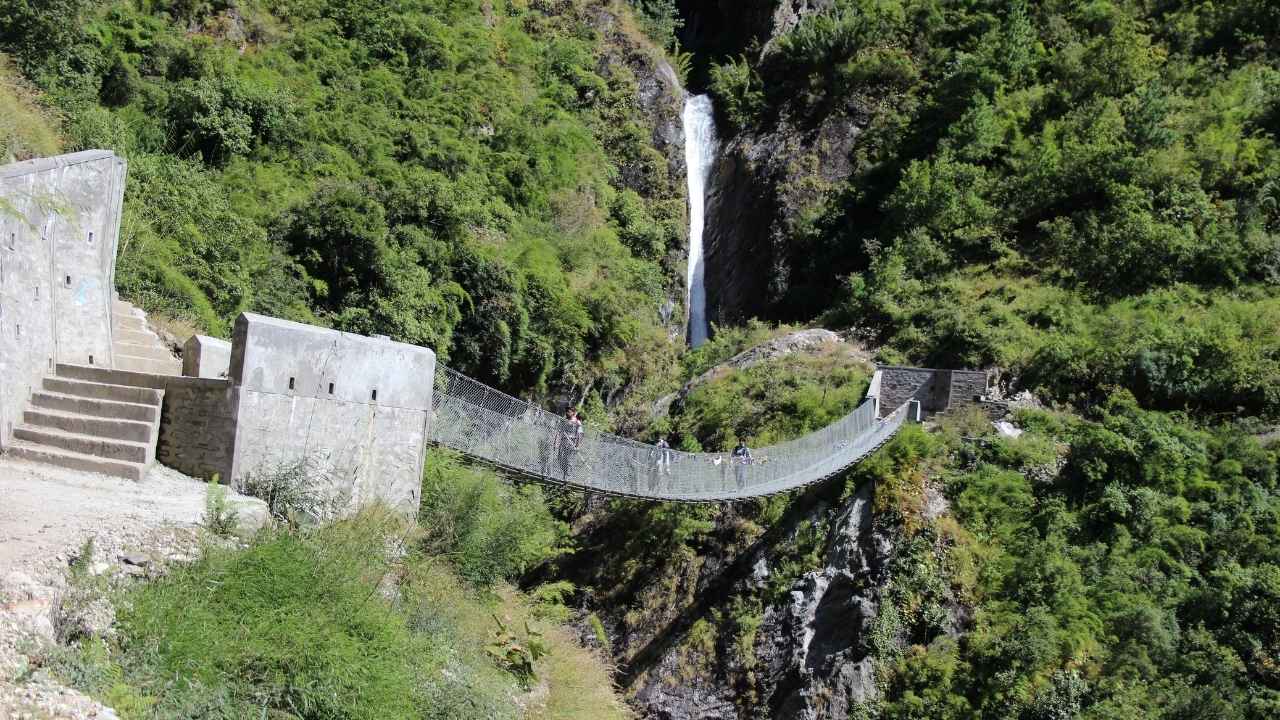
The walking path includes stone steps, forest trails, river crossings, and open mountain valleys. There is no technical equipment, no ropes, and no special mountaineering skills needed. You simply walk, step by step, at your own pace. This makes the trek possible for seniors who have normal fitness and a positive mindset.
Accommodation during the trek is in tea houses. These are simple mountain lodges that provide a bed, meals, and a warm place to rest. Life is basic but comfortable enough. Seniors often enjoy the routine of walking, eating warm food, resting, and sleeping early.
In simple words, the Manaslu Circuit Trek for Seniors is a long but steady walk through nature, not an extreme adventure. With the right pace and support, seniors can understand the trail, respect their limits, and enjoy every day of the journey.
Is the Manaslu Circuit Trek Safe and Suitable for Seniors?
Many seniors ask one important question: ‘ Manaslu Circuit Trek for Seniors Safe for Me?. The honest answer is yes, it can be safe, but only if it is done in the right way. Safety on this trek does not depend on age alone. It depends on good planning, slow walking, proper rest, and correct support.
The biggest challenge on the Manaslu Circuit Trek is the high altitude. As you go higher, the air becomes thinner, and the body needs time to adjust. Seniors must take this seriously. This is why a slow itinerary with an acclimatization day, especially in Samagaon, is very important. Walking slowly, drinking enough water, and listening to your body greatly reduce the risk of altitude sickness.
Another safety factor is the remote location. The Manaslu region is less developed than the Everest or Annapurna region. Medical facilities are limited along the trail. Because of this, seniors should always trek with a licensed guide and preferably a porter. A guide helps with route, pace, health checks, and local communication. A porter reduced physical strain by carrying heavy bags, which protects the knees and back.
Weather is also a factor to look out for in this high-Himalayan adventure. In the mountains, the weather can change quickly. Cold mornings, wind, or light snow near the pass are common. Proper clothing, warm layers, and flexibility in the plan make the trek much safer for seniors. Travel insurance is very important. It should cover high altitude trekking and helicopter evacuation in case of emergency. This gives peace of mind to both seniors and their families.
So, the Manaslu Circuit Trek is safe for seniors who prepare well, move slowly, and take support seriously. With patience and care, the Manaslu Circuit Trek for Seniors becomes not risky, but deeply rewarding and confidence-building.
Best Time, Weather, and Trail Conditions for Seniors
Choosing the right time of year is very important for doing the Manaslu Circuit Trek. Good weather makes walking easier, safer, and more enjoyable. Bad weather can make the same trail feel tiring and uncomfortable. The best season for seniors to choose for their trek :
- Autumn (September to November): This is the best season for the Manaslu Circuit Trek for Seniors. The weather is almost clear, the skies are blue and the mountain views are excellent. These days are comfortable for walking, and nights are cold, but they are manageable with warm clothing. These seasons are dry and safe, which is good for senior trekkers.
- Spring (March to May): Spring is another very good time for seniors. These days are warmer. The hills are full of flowers and greenery. Rhododendron forests look beautiful in spring. There may be some snow near the high pass, but it is usually manageable with a guide's help.
Season to Avoid for Seniors
- Winter (December to February): You will have to deal with very cold temperatures in this season. Due to heavy snow, Larkya La Pass can be closed. Walking becomes more difficult and risky, especially for senior trekkers.
- Monsoon (June to August): This season has consistent heavy rainfall. Trails become muddy and slippery. Landslides are possible in this season. Leeches can be uncomfortable. This season is not generally recommended for seniors.
By choosing the perfect season, you can expect comfortable trails, temperatures and best visibility. With the right season, proper clothing, and a flexible plan, seniors can enjoy the Manaslu Circuit Trek in comfortable and stable conditions. It also makes the journey much safer and enjoyable.
Senior-Friendly Itinerary for Manaslu Circuit Trek
This itinerary is built for seniors. It focuses on slow ascent, rest days, and safety, which are important for senior trekkers. While doing the Manaslu Circuit Trek for Seniors, it is important to choose an itinerary plan with a well-managed pace, enough acclimatization and short duration with sufficient rest breaks.
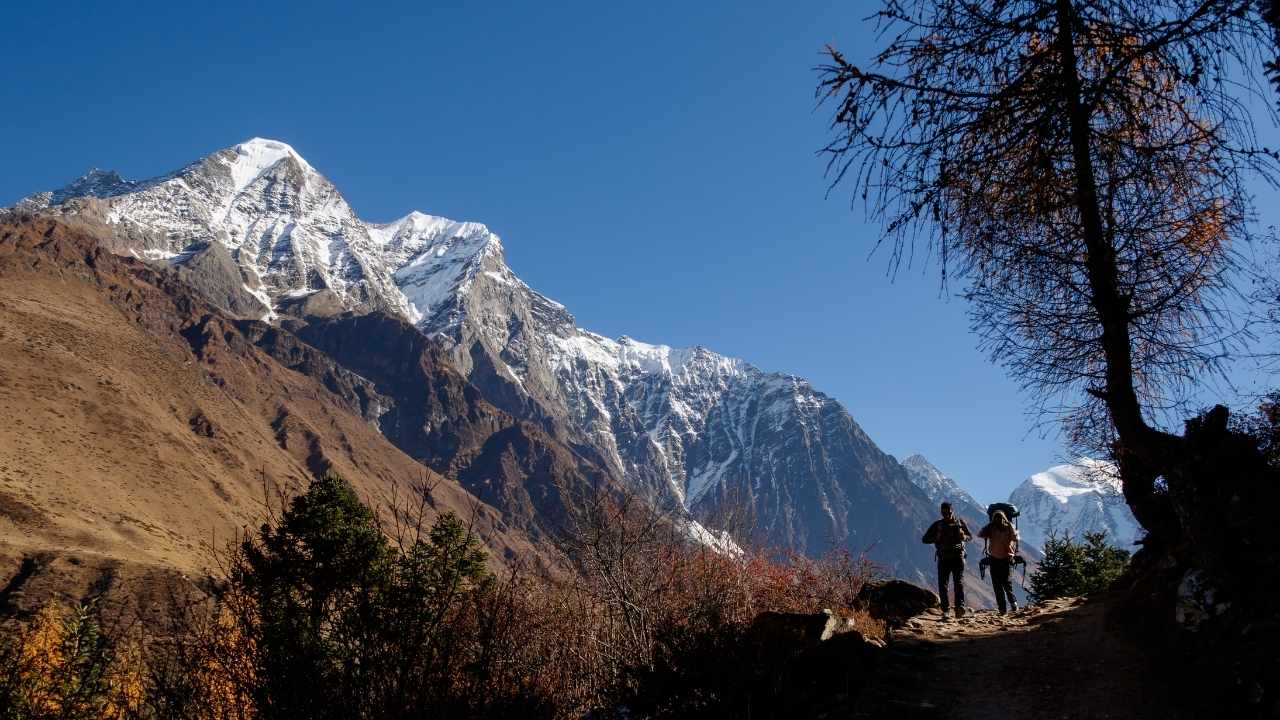
Day 1: Arrival in Kathmandu (1,345 m). You will arrive in Kathmandu and will be transferred to your hotel. This day is for rest after travel. Seniors should sleep well and stay relaxed.
Day 2: Free day in Kathmandu. This is a rest and preparation day. On this day, permits are arranged, and you can gently explore the city or rest in a hotel. No physical effort is needed.
Day 3: Drive from Kathmandu to Machha Khola (930 m). It is a scenic drive through hills, rivers, and villages. Although the drive is long, there is no walking, which helps seniors save energy for the trek.
Day 4: Trek from Machha Khola to Jagat (1,410 m). This is the first day of walking. The trail follows the Budhi Gandaki River and passes small villages.
Day 5: Trek from Jagat to Deng (1,800 m). The walk continues through forests and stone villages.
Day 6: Trek to Namrung (2,540 m ) from Deng. Altitude increases gradually. The scenery changes, and Tibetan culture becomes more visible.
Day 7: Trek from Namrung to Shyala Village ( 3,500 m ). This day of trekking offers beautiful mountain views, including Mt.Manaslu.
Day 8: Trek from Shyala to Sama Gaon (3,530 m ) via Pungen Gompa. When you reach Samagaon an altitude so resting well is essential.
Day 9: Acclimatization Day in Sama Gaon. This is a very important rest day for seniors. This helps the body to adjust to altitude and increases safety.
Day 10: Trek from Sama Gaon to Samdo (3,860 m ). It is a shorter walking day with wide open valleys. Guides monitor everyone's condition carefully.
Day 11: Rest and Acclimatization Day in Samdo. Another rest day to prepare for a higher altitude. This extra day greatly improves safety before the pass.
Day 12: Trek from Samdo to Dharmasala/ Larkya Phedi (4,470 m). This is a short but higher walk to the base of the pass.
Day 13: Cross Larkya La Pass (5,106 m) to Bimthang (3,720 m ). This is the most challenging and most rewarding day.
Day 14: Trek from Bimthang to Dharapani (1,860 m ). Mostly downhill walking, while breathing becomes easier as altitude decreases.
Day 15: Drive from Dharapani to Kathmandu. This is a comfortable recovery day after the trek.
Day 16: Departure
Your journey ends here and you will depart from Kathmandu with unforgettable memories. This itinerary is good for seniors because it includes two acclimatization days. There are balanced walking and rest days. It helps to build a strong focus on safety and comfort.
**You May Like: Luxury Manaslu Circuit Trek; Experience the untouched Manaslu Circuit with five-star comfort, expert guides, and hand-picked lodges, an adventure without compromise**
Important Health, Fitness and Comfort Tips for Seniors
For seniors, the Manaslu Circuit Trek becomes enjoyable and safe when the body and mind are well prepared. You do not need to be an athlete, but you do need basic fitness, awareness, and self-care.
- Physical Preparation (Before Trek)
You should start walking regularly at home for at least 1-2 hours a day. You should practice walking uphill and downhill if possible. You should do light exercises for your knees, legs, and breathing helps a lot. The focus of your training should be on endurance, not on speed.
- Health Care During the Trek
During the Manaslu Trek for Seniors, you should walk slowly and steadily. Slow walking saves energy and helps in breathing. You should drink plenty of water (3-4 liters daily ). This helps to prevent altitude sickness. Eat warm and simple food like Dal Bhat, soups, rice, and potatoes, which are carb-rich and perfect for high-altitude treks. You should sleep early and rest well every night to replenish your energy.
Mild headache or tiredness is normal. If you feel a strong headache, dizziness, nausea, or loss of appetite, inform your guide immediately. Never rush uphill. Your guide will set a safe pace that is suitable for senior trekkers.
You should use trekking poles to protect your knees and improve balance. You should hire a porter to carry your bag, which reduces stress on your back and joints. Wear layered clothing so you can adjust easily to temperature changes. You should keep your personal medicines and a small first aid kit with you.
You should stay positive and patient. Some days feel slow, which is perfectly fine. You should enjoy every small moment, like tea breaks, village chat, and mountain views. You should remember that reaching the destination is important, but enjoying the journey is more important.
With these simple habits, senior trekkers can trek more comfortably, feel confident, and truly enjoy the Manaslu Circuit Trek for Seniors without unnecessary stress or risk.
What Seniors Experience on the Manaslu Circuit Trek?
Many seniors who have completed the Manaslu Circuit Trek say that it is one of the most meaningful journeys of their lives. The experience is not only physical, but it is also emotional and spiritual.
One of the first things seniors notice is the peaceful environment. The Manaslu trail is much quieter than popular trekking routes. There are fewer trekkers, less noise, and more time to enjoy nature. Seniors often say this calm atmosphere makes walking feel relaxing rather than stressful.
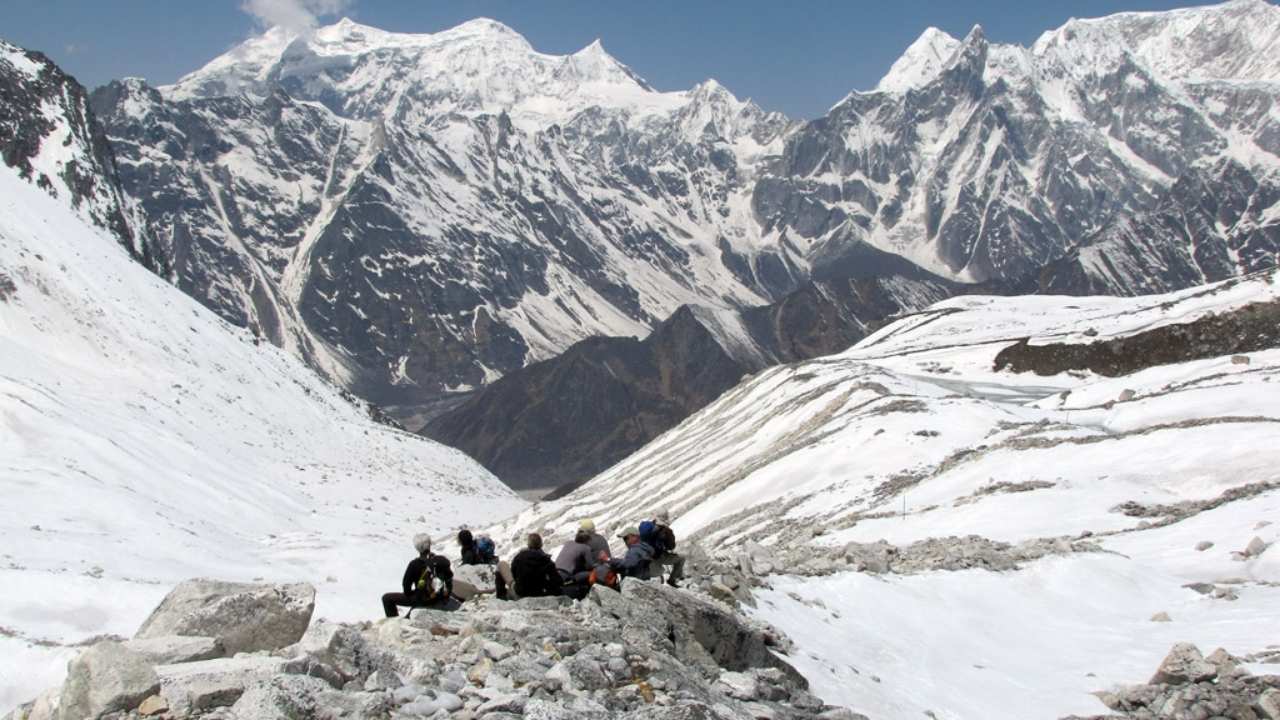
Another strong experience is the connection with local culture. Along the trail, seniors walk through traditional villages where life moves slowly. People smile, greet you warmly, and live close to nature. Seeing monasteries, prayer flags, Mani walls, and daily village life gives a deep feeling of simplicity and respect. Many seniors find this very touching.
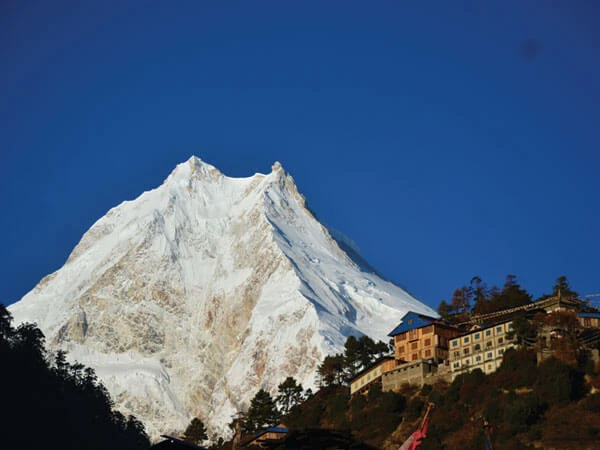
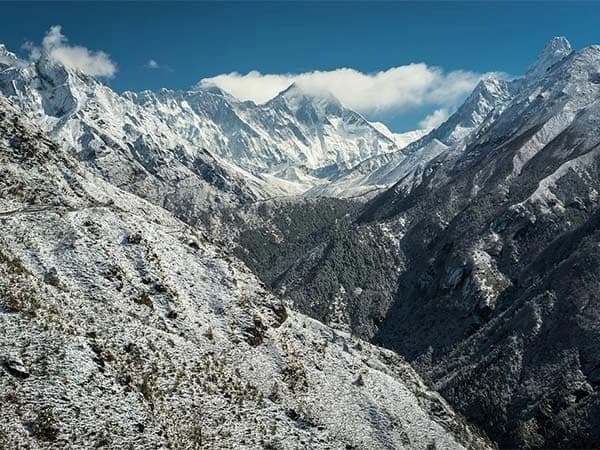
The mountain views leave a lasting impression. Observing Mt Manaslu, glaciers, and wide valleys day after day creates a sense of wonder. Seniors often feel proud, grateful and emotionally strong while walking in such powerful landscapes. There are also challenging moments, especially at high altitudes. Breathing feels slow, and your body feels tired, but with rest, support from guides, and encouragement from the group, seniors often overcome these moments and gain strong self-confidence.
Most of the seniors say the biggest rewards come after crossing Larkya La Pass. Reaching the pass gives a deep sense of achievement. Many realize that age doesn't limit their mindset, and patience matters more.
So, to put it simply, seniors experience the Manaslu Circuit Trek as a journey of nature, culture, self-belief, and quiet joy that stays in the heart long after the trek ends.
**Also Read: Manaslu Circuit vs. Annapurna Circuit: Which Trek is Right for You? One offers raw isolation and untouched culture, the other delivers classic Himalayan diversity and comfort. Discover which trek matches your adventure style**
Encouragement and Final Advice for Senior Trekkers
The Manaslu Circuit Trek for Seniors is not about being fast or strong. For seniors, it is about walking with patience, listening to the body and enjoying every step. With the right planning and mindset, this trek can be one of the most rewarding experiences for seniors. The most important advice for seniors is to go slow and stay flexible.
Some days may feel easier, some days may feel harder, which is normal in the mountains. Accepting this helps to reduce stress and keeps the journey enjoyable. You should always follow your guide's advice because their experience is a great support.
Preparation before the trek makes a big difference. Light exercise, regular walking, and mental readiness help seniors to feel confident on the rail. Choosing a friendly itinerary with rest days increases safety and comfort.
Support is not weakness. Hiring a guide or porter allows seniors to focus on walking, breathing, and enjoying the views instead of worrying about direction or heavy bags. Trekking insurance and proper gear also bring peace of mind. It is important to believe in yourself. Many seniors complete the Manaslu Circuit Trek every year.
The mountains do not judge age; they reward respect, patience, and effort. In the end, the Manaslu Circuit Trek for Seniors offers more than mountain views. It offers senior trekkers confidence, calmness, meaningful connection, and a deep sense of achievement. With proper care and preparation, this journey can become a proud and unforgettable chapter of their life.

.webp&w=3840&q=75&dpl=dpl_AoD8c8TjzEHzEDRh3V4daUAsjaQj)