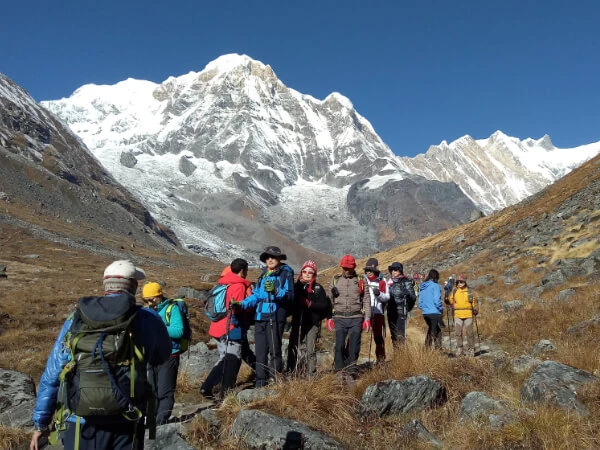
The Annapurna Base Camp trek is moderately difficult, with daily walking on steep paths and increasing altitude.
US$680
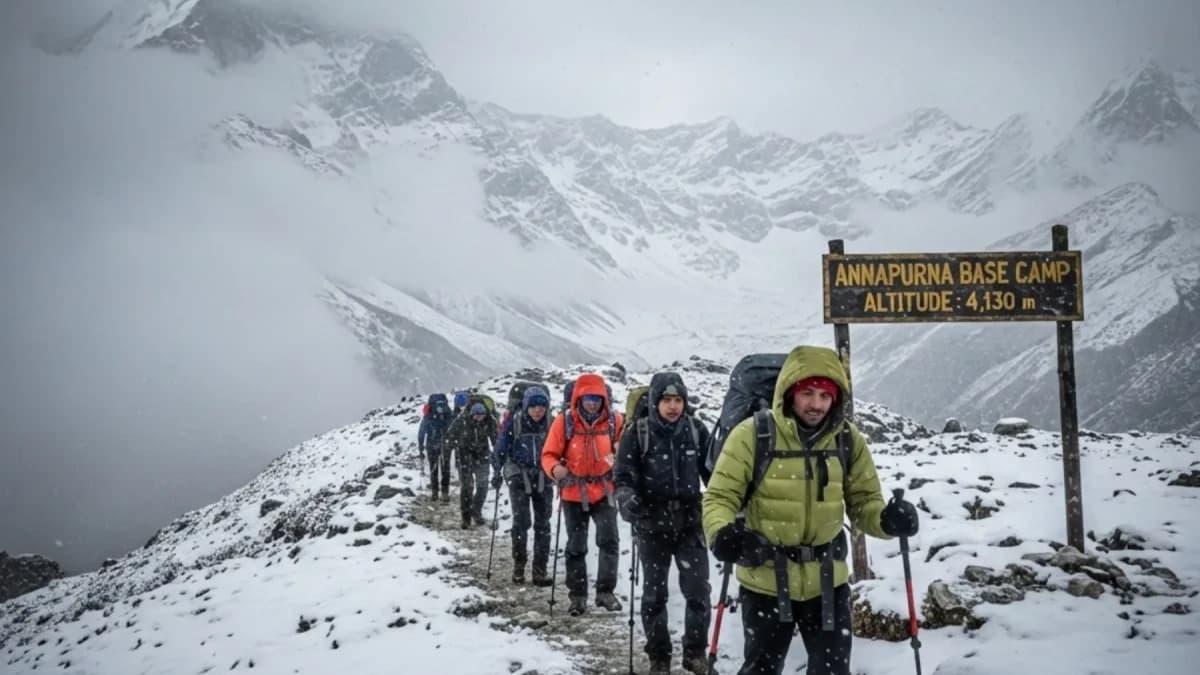
The Annapurna Base Camp trek is moderately difficult, with daily walking on steep paths and increasing altitude.
This difficulty is often misunderstood because the ABC trek is frequently described with a single label, usually “moderate.” While that word is not incorrect, it hides the real reasons the trek feels challenging for many people. Difficulty on this route does not come from technical climbing or extreme exposure. Instead, it develops gradually through sustained effort, repeated ascents and descents, and the effects of altitude as the days progress.
The journey to Annapurna Base Camp takes place in a Himalayan environment where distance alone does not define effort. Long sections of stone steps, uneven forest trails, and constant changes in elevation demand consistent energy output. Most trekkers walk for several hours each day, and while no single day may feel overwhelming, the cumulative nature of the trek is what shapes its overall difficulty.
Another reason the ABC trek is often underestimated is its accessibility. Well established trails, teahouse accommodation, and regular support make the route feel approachable, especially when compared with longer or higher Himalayan treks. This can create the impression that the trek is easy, when in reality it requires endurance, patience, and sensible pacing to manage comfortably.
This article explains the difficulty of the Annapurna Base Camp trek in a simple and realistic way. Rather than relying on vague labels, it breaks down what makes the trek demanding, how different factors such as terrain and altitude contribute to that challenge, and why experiences vary between trekkers. By understanding how difficulty actually works on the ABC trek, readers can better judge what it requires and how to prepare for it.
The physical difficulty of the ABC trek comes from sustained effort repeated over several days rather than from one extreme section. On most days, trekkers walk for approximately 5 to 7 hours, covering an average distance of 10 to 15 kilometers per day. While these numbers may not appear demanding on their own, the nature of the terrain makes the effort significantly more intense than standard hiking.
One of the most physically challenging aspects of the Annapurna Base Camp route is the sheer volume of stone staircases. In several sections of the trek, especially between lower villages and higher settlements, trekkers ascend and descend thousands of stone steps in a single day. These stair sections often involve elevation changes of 500 to 1,000 meters per day, placing continuous strain on the legs. Descending these steps is particularly demanding, as controlled downhill movement increases stress on the knees and quadriceps.
Terrain variation further increases physical effort. The trail constantly shifts between packed forest paths, uneven stone steps, exposed roots, and rocky surfaces. This uneven ground requires constant balance adjustments, which increases muscle engagement and energy use even at slower walking speeds. Downhill sections, although less demanding on breathing, often cause more physical fatigue due to repeated joint impact over long distances.
Most trekkers carry a daypack weighing around 5 to 7 kilograms, which may include water, layers, and personal items. While this weight feels manageable at lower elevations, it becomes noticeably heavier on long ascents and after several consecutive days of walking. Combined with steep gradients that often exceed 20 to 30 degrees on stair sections, even light loads contribute to cumulative fatigue.
The physical challenge increases further on condensed itineraries such as the Short Annapurna Base Camp Trek or Short ABC Trek. When the same elevation gain of over 2,500 meters is covered in fewer days, daily exertion rises sharply. Longer walking hours, fewer rest buffers, and limited recovery time make these shorter versions physically more demanding, even though the trail itself remains unchanged. Overall, the physical and terrain difficulty of the Annapurna Base Camp trek lies in its consistency.
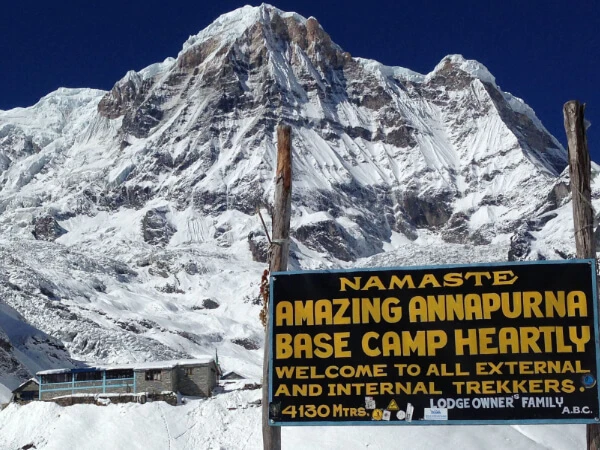
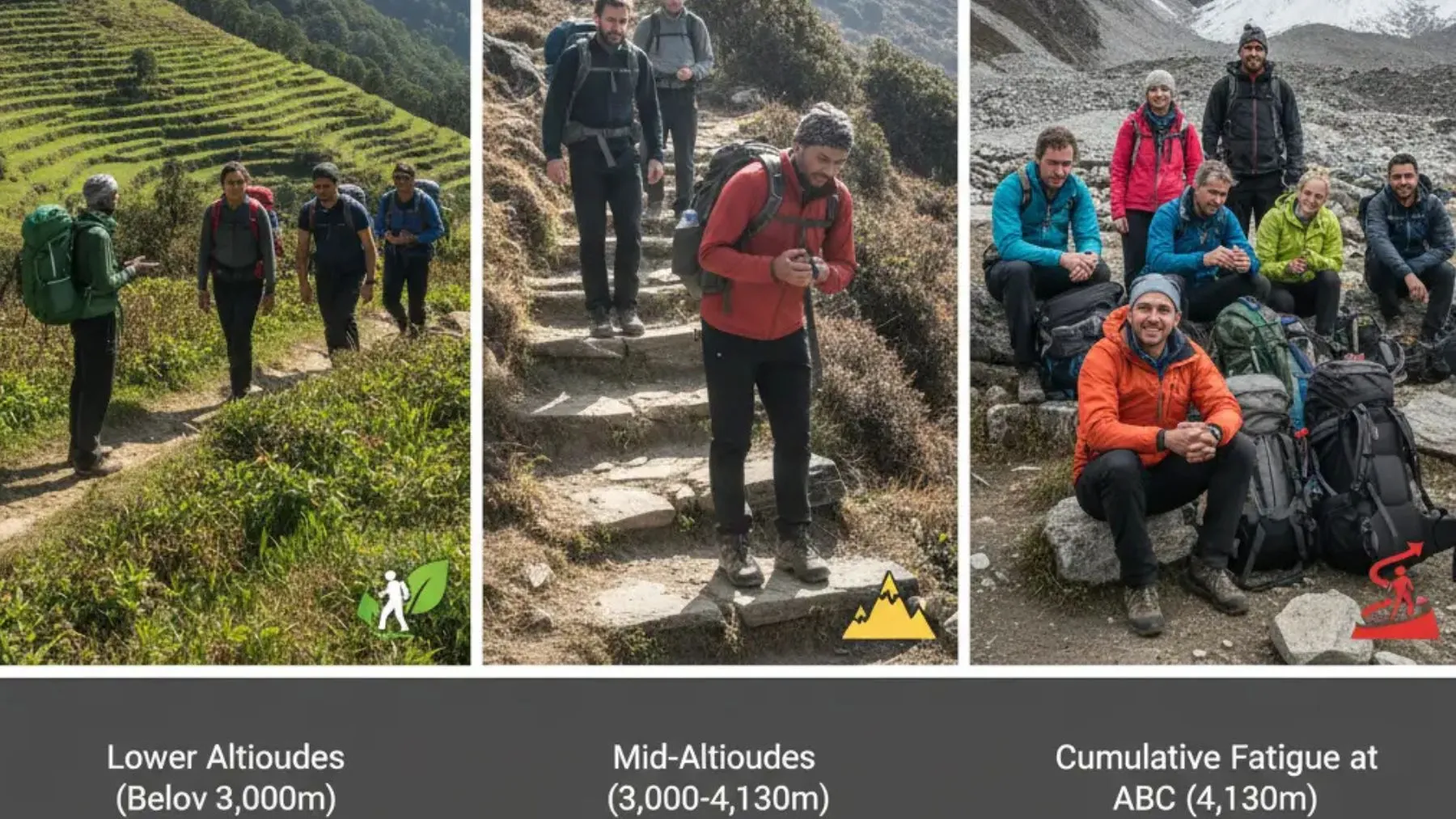
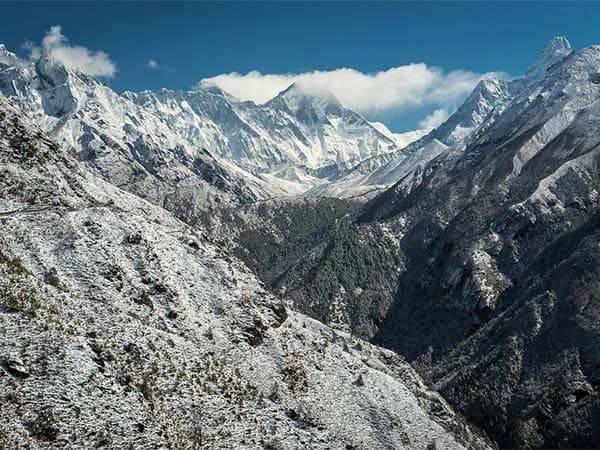
Altitude is one of the most important factors that shapes how difficult the Annapurna Base Camp trek feels, even though it does not involve extremely high passes. The trail gradually climbs from around 1,000 meters to a maximum altitude of 4,130 meters, where oxygen levels are roughly 40 percent lower than at sea level. This reduction affects nearly all trekkers, regardless of fitness or previous hiking experience.
Above 3,000 meters, many trekkers begin to notice clear changes in how their body responds to effort. Walking pace naturally slows, breathing becomes heavier, and simple tasks require more energy than they would at lower elevations. Even well acclimatized trekkers can experience a 10 to 20 percent drop in physical performance at these heights. This means that distances and climbs that felt manageable earlier in the trek start to feel more demanding as altitude increases.
Cumulative fatigue develops as altitude stress combines with repeated physical effort. Unlike low altitude hikes, recovery at higher elevations is less efficient. Many trekkers experience lighter or interrupted sleep above 3,000 meters, which reduces overnight muscle recovery. When this happens over several consecutive nights, tiredness builds gradually, making each following day feel harder even if the walking hours remain similar.
The structure of the ABC trek also contributes to this effect. Instead of staying at one elevation for long periods, the route involves frequent ascents and descents through valleys. This means the body is constantly adjusting rather than fully stabilizing at a single altitude. As a result, fatigue accumulates more steadily, particularly in the later stages of the trek.
This effect becomes more noticeable on faster itineraries such as the Short Annapurna Base Camp Trek or Short ABC Trek. In these versions, the same altitude gain of over 2,500 meters is achieved in fewer days, leaving less time for adaptation. Daily exertion increases, rest days are limited, and the risk of exhaustion rises, even though the trail itself does not change. In practice, altitude difficulty on the ABC trek is not about reaching a single high point, but about how the body copes with multiple days above 3,000 meters while continuing to walk for several hours each day. Understanding this helps explain why many trekkers find the trek more challenging toward the end than at the beginning, despite having gained experience and confidence along the way.
See also: Why is Annapurna 3 Unclimbed?
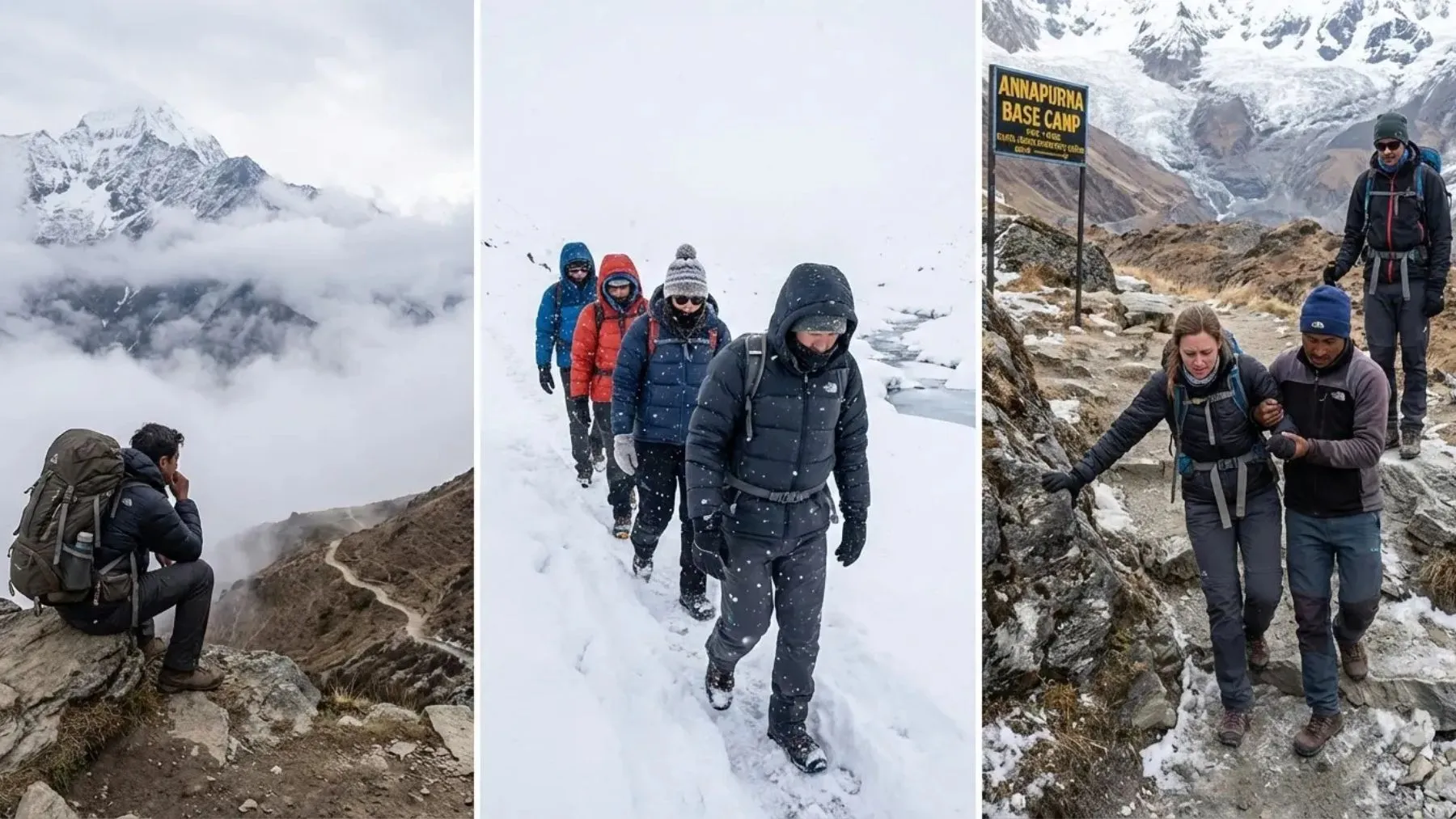
Beyond physical effort and altitude, the difficulty of the ABC trek is also shaped by mental endurance, seasonal conditions, and a trekker’s prior experience. These factors are less visible than elevation charts or distances, but they strongly influence how demanding the trek feels in real conditions.Mental difficulty develops gradually over the course of the journey. Walking for five to seven hours each day on repetitive terrain requires sustained concentration and motivation. Long stair sections, frequent climbs, and continuous descents can feel monotonous, especially when combined with early starts and cooler morning temperatures. As the days progress, many trekkers find that maintaining a steady rhythm becomes just as important as physical strength.
Seasonal conditions also change how difficult the trek feels. During peak trekking seasons, daytime temperatures at lower elevations typically range between 10°C and 20°C, allowing comfortable walking conditions. At higher elevations, temperatures often drop close to freezing at night. In shoulder seasons, colder mornings, occasional snowfall above 3,000 meters, or wet trails can increase effort and slow movement. Shorter daylight hours during these periods may also limit walking time, adding subtle pressure to daily pacing.
Recommended: Is Annapurna Part of Everest?
| Season | Weather Conditions | Trail Conditions | How Difficulty Feels |
|---|---|---|---|
| Spring (Mar–May) | Mild days, cool nights, stable weather | Dry trails, clear steps | Moderate and consistent; easier pacing |
| Summer / Monsoon (Jun–Aug) | Warm, humid, frequent rain | Slippery trails, muddy steps | More physically demanding due to footing |
| Autumn (Sep–Nov) | Clear skies, cool mornings | Dry and well defined trails | Most balanced difficulty; steady effort |
| Winter (Dec–Feb) | Cold temperatures, snow at higher altitudes | Icy or snow covered sections | Harder due to cold, slower movement |
Experience level affects how trekkers perceive difficulty rather than removing it entirely. Beginners often find the ABC trek challenging because multi day walking, altitude exposure, and energy management are unfamiliar. This usually results in a slower pace, which can increase total fatigue but reduce injury risk. Experienced trekkers, on the other hand, may have stronger endurance but often slow down intentionally at altitude, knowing that pushing speed rarely improves comfort or performance above 3,000 meters.
Group dynamics can also influence perceived difficulty. When trekkers with different walking speeds move together, slower walkers may feel pressured to maintain a pace that increases exhaustion, while faster walkers may feel constrained by frequent stops. Over several days, this mismatch can make the trek feel harder than it would at a naturally comfortable pace. Well managed pacing, where the group adapts to the slowest sustainable rhythm, often reduces fatigue and improves recovery.
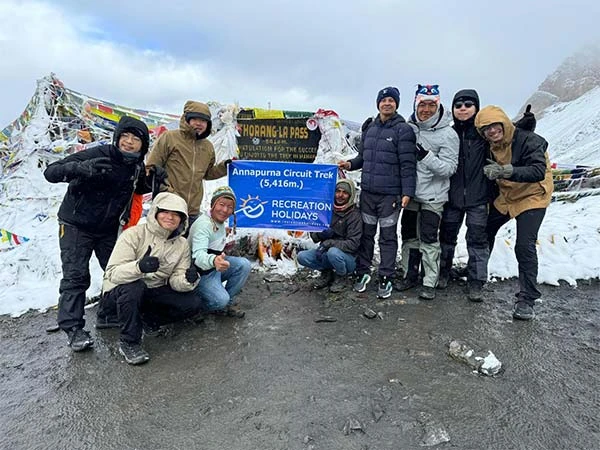
When placed in a regional context, the difficulty of the Annapurna Base Camp trek becomes clearer. Shorter routes such as the Poon Hill Trek usually involve three to five days of walking at lower elevations, making them easier for most people. The Mardi Himal Trek introduces steeper sections and higher viewpoints over fewer days, increasing daily effort. In contrast, the Annapurna Circuit Trek extends over a longer period and includes a high mountain pass above 5,400 meters, making it more demanding overall. The ABC trek sits between these experiences, requiring consistency and endurance without the extremes of longer high pass routes.
Taken together, mental resilience, seasonal timing, experience level, and group pacing explain why the same trail can feel manageable to one trekker and challenging to another. These elements do not change the route itself, but they strongly shape how the difficulty of the Annapurna Base Camp trek is experienced.
Read other related blogs
Why is Annapurna So Dangerous?
How High is Annapurna Circuit?