The Manaslu Circuit Trek is a challenging high altitude journey that suits trekkers with good fitness who are prepared for long days of walking in remote mountain terrain.
The difficulty of the Manaslu Circuit Trek is often underestimated by trekkers who are familiar with more developed routes in Nepal. While it does not involve technical climbing, it places sustained demands on the body and mind through long walking days, significant altitude gain, and limited infrastructure. Difficulty on this route comes from endurance, acclimatization, and isolation rather than from any single extreme obstacle.
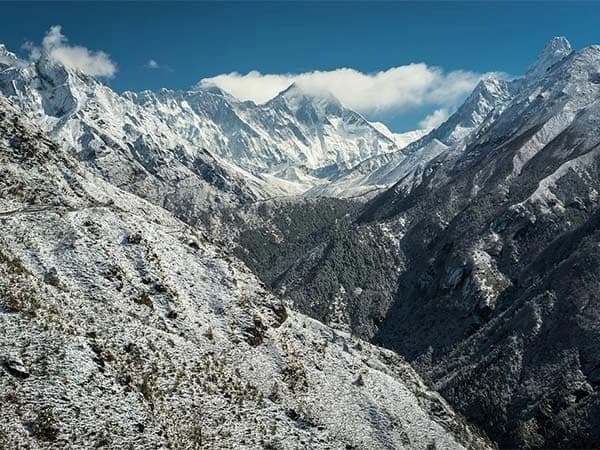
The trek circles the remote Manaslu region, gradually ascending into high Himalayan terrain before crossing the Larkya La Pass at 5,160 meters, one of the highest trekking passes in Nepal. Unlike popular routes such as Annapurna Base Camp, the Manaslu Circuit involves extended time above 3,500 meters, fewer rest options, and more basic teahouse facilities. These factors combine to make the trek physically and mentally demanding even for experienced trekkers.
Another reason the Manaslu Circuit feels challenging is its remoteness. Trails pass through sparsely populated villages, and daily services are limited compared to busier trekking regions. Walking days are longer, recovery is slower at altitude, and weather conditions can influence progress more directly. Trekkers must rely on steady pacing, proper acclimatization, and resilience rather than comfort or convenience.
This article explains the difficulty of the Manaslu Circuit Trek in a realistic and practical way. Instead of labeling it simply as hard or extreme, it breaks down what makes the trek demanding, who it is suitable for, and how different factors such as altitude, terrain, and isolation contribute to the overall challenge. Understanding these elements is essential for deciding whether the Manaslu Circuit Trek is the right choice for you.
Physical and Terrain Difficulty on the Manaslu Circuit Trek
| Trek Approach | Approximate Days | General Pace |
|---|---|---|
| Short Manaslu Circuit | 11 days | Fast paced, limited buffer |
| Standard Manaslu Circuit | 14–16 days | Balanced and recommended |
| Manaslu with Tsum Valley | 18–19 days | Extended and exploratory |
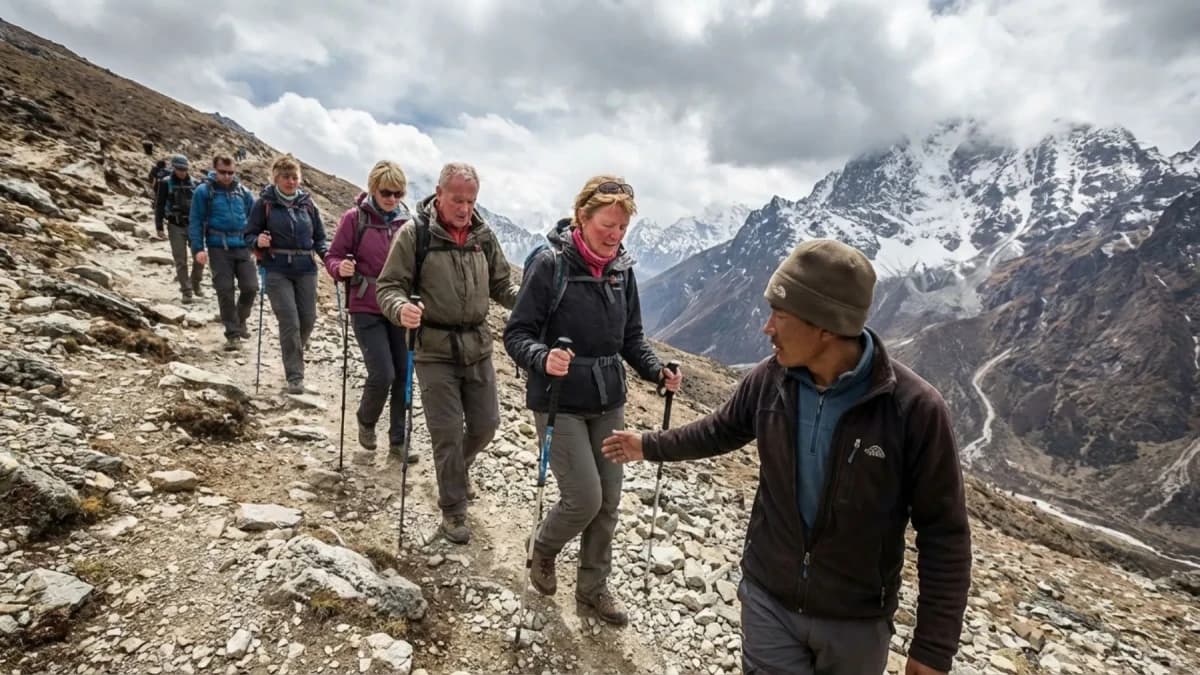
The physical difficulty of the Manaslu Circuit Trek comes from sustained effort over many consecutive days rather than from technical climbing. Trekkers typically walk for 5 to 8 hours per day, with some days becoming longer as the route moves deeper into the high mountains. Daily distances may look reasonable on paper, but the combination of altitude, terrain, and remoteness makes each day physically demanding.
One of the defining characteristics of the Manaslu Circuit is its continuous elevation gain and loss. Instead of a gradual, uniform ascent, the trail repeatedly drops into river valleys and climbs back up along steep mountain slopes. These repeated ascents place constant strain on the legs, especially when combined with limited recovery at higher elevations. Over time, fatigue builds steadily, even among trekkers who are otherwise fit.
Terrain quality also plays a major role in difficulty. Large portions of the trail consist of rocky paths, uneven stone steps, narrow tracks, and exposed hillsides. In some sections, especially above 3,500 meters, the trail becomes rougher and more demanding underfoot. Maintaining balance and focus on these surfaces increases energy use and slows natural walking pace, adding to overall exertion.
The most physically demanding day for most trekkers is the crossing of Larkya La Pass, which sits at 5,160 meters. This day often involves 9 to 10 hours of walking, starting before sunrise and continuing over steep, high altitude terrain. While the pass does not require technical climbing skills, the combination of altitude, cold temperatures, and long duration makes it the toughest physical challenge of the trek.
Another factor that increases physical difficulty is the basic nature of accommodation along the route. Compared to more developed trekking regions, teahouses in Manaslu are simpler, especially at higher elevations. Limited heating, basic meals, and colder nights mean recovery is slower, and the body often starts the next day with lingering fatigue. Overall, the physical and terrain difficulty of the Manaslu Circuit Trek lies in its consistency and endurance requirement. The trek is achievable for well prepared trekkers, but it demands strong stamina, careful pacing, and the ability to maintain effort across long days in remote mountain conditions.
Altitude Difficulty and Acclimatization on the Manaslu Circuit Trek
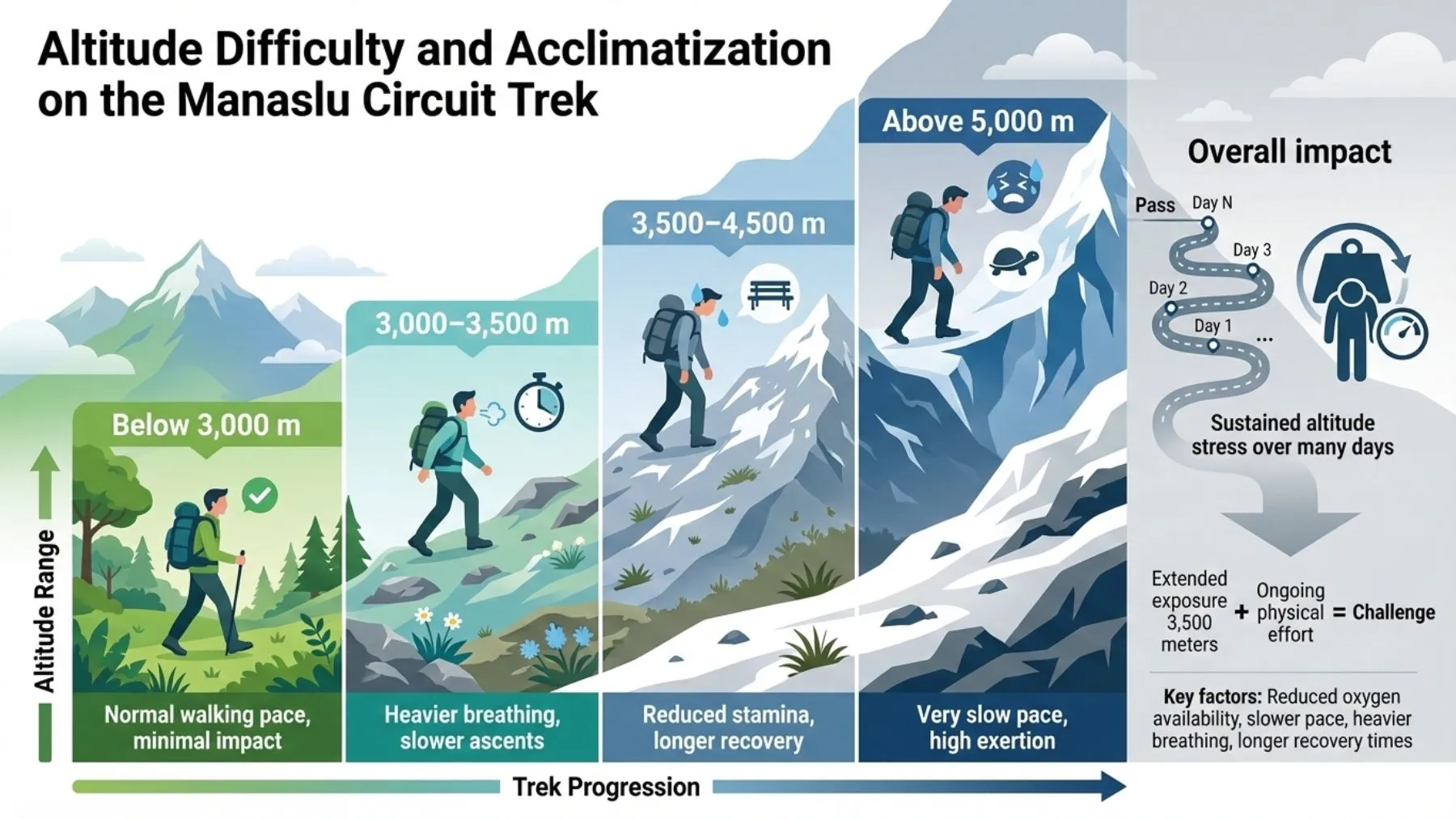
Altitude and Acclimatization Overview
| Altitude Range | Typical Experience |
|---|---|
| Below 3,000 m | Normal walking pace, minimal impact |
| 3,000–3,500 m | Heavier breathing, slower ascents |
| 3,500–4,500 m | Reduced stamina, longer recovery |
| Above 5,000 m | Very slow pace, high exertion |
| Overall impact | Sustained altitude stress over many days |
Altitude is one of the defining difficulty factors of the Manaslu Circuit Trek and plays a much larger role here than on most popular trekking routes in Nepal. While the trek begins at relatively low elevations, it gradually ascends into a high mountain environment where the body must adapt over many consecutive days. The challenge comes not from a sudden gain in altitude, but from extended exposure above 3,500 meters combined with ongoing physical effort.
As trekkers move higher, oxygen availability decreases noticeably. Above 3,000 meters, walking pace naturally slows and breathing becomes heavier during climbs. By the time trekkers reach elevations above 4,000 meters, physical performance can drop significantly even in fit individuals. This means the same terrain that felt manageable earlier in the trek requires more effort and longer recovery times as altitude increases.
A key reason the Manaslu Circuit feels demanding is the length of time spent at high elevation. Unlike shorter treks where altitude exposure is brief, Manaslu involves multiple nights above 3,500 meters, culminating in the crossing of Larkya La Pass at 5,160 meters. This extended exposure places steady stress on the body, making proper acclimatization essential rather than optional.
Acclimatization days are built into standard itineraries to help the body adjust gradually. These slower days are not signs of weakness or inefficiency. They are a critical part of managing altitude difficulty and reducing the risk of exhaustion or altitude related illness. Trekkers who rush or underestimate this see difficulty increase sharply in the later stages of the trek. Altitude also affects recovery. Sleep quality often declines at higher elevations due to thinner air and colder temperatures. Reduced overnight recovery, combined with daily walking, leads to cumulative fatigue.
This is why many trekkers find the Manaslu Circuit most challenging toward the end of the journey, even though they are physically stronger by that point. In practical terms, altitude difficulty on the Manaslu Circuit Trek is manageable for well prepared trekkers who respect pacing and acclimatization. Those who understand that slower movement at altitude is normal and necessary are far better equipped to handle the challenge comfortably.
Also read: How Long Is the Manaslu Circuit Trek?
Mental Difficulty, Remoteness, and the Larkya La Pass Challenge
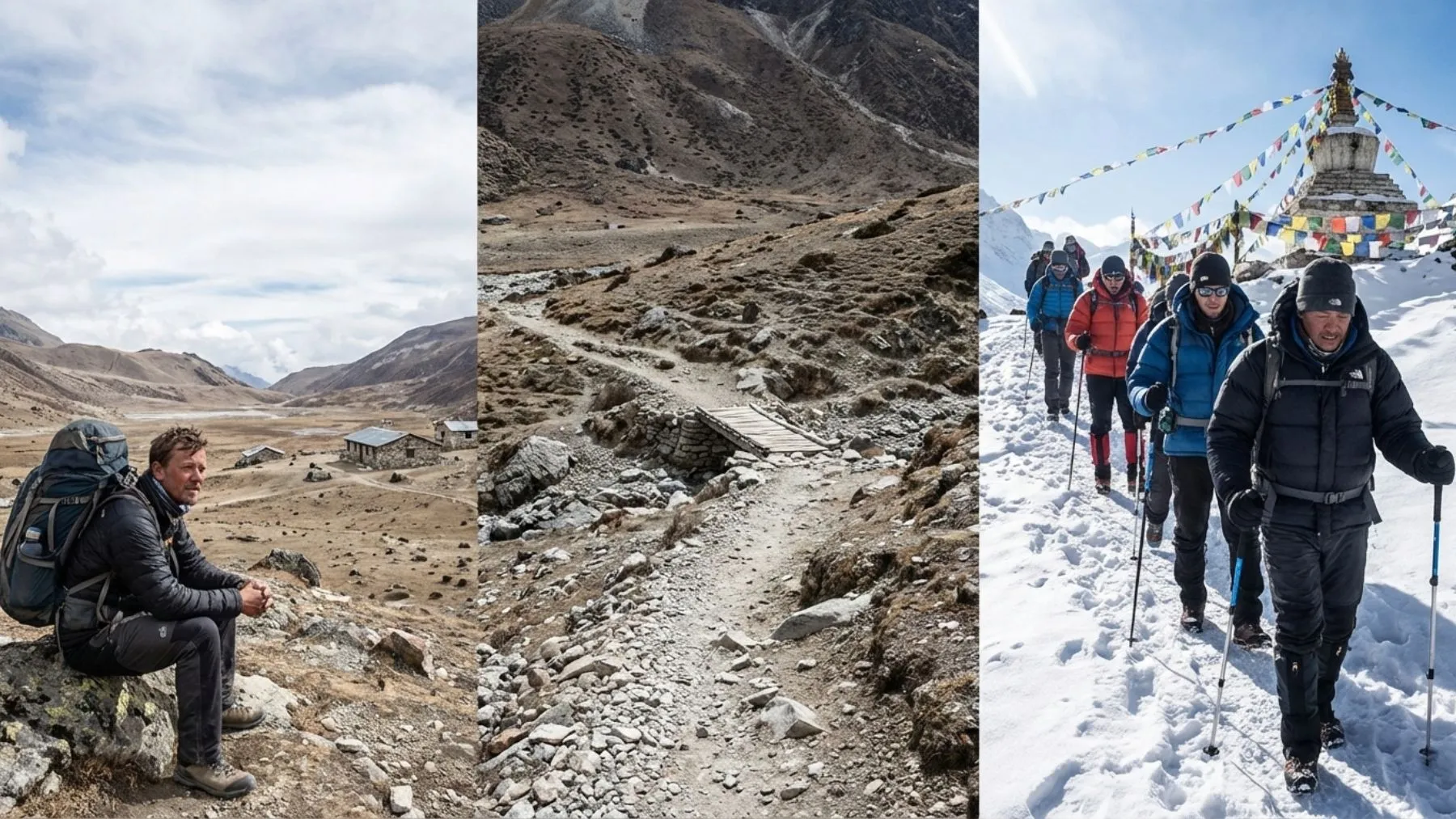
Beyond physical effort and altitude, the Manaslu Circuit Trek is shaped by mental endurance, remoteness, and one defining obstacle: the crossing of Larkya La Pass. These elements do not make the trek dangerous, but they do raise the overall difficulty compared to more developed trekking routes.
1. Mental Endurance and Remoteness
Mental difficulty on the Manaslu Circuit builds gradually. Trekkers spend many consecutive days in remote mountain terrain where facilities are basic and villages are widely spaced. Unlike popular routes with frequent cafés and comfortable lodges, Manaslu offers fewer distractions and limited services. This requires patience, adaptability, and the ability to stay motivated through long walking days with simple routines.
Remoteness also affects how trekkers perceive effort. Knowing that medical facilities, evacuation access, and alternative routes are limited adds psychological weight, especially on harder days. For many, this is part of the appeal, but it also demands a calm mindset and trust in preparation, guides, and pacing.
2. The Larkya La Pass: The Defining Difficulty
The crossing of Larkya La Pass (5,160 m) is the most demanding section of the trek and the point where physical, altitude, and mental challenges converge. This day typically involves 9 to 10 hours of walking, starting early in the morning to take advantage of stable weather conditions. The ascent is long and gradual, followed by a steep descent on the other side.
What makes this day difficult is not technical skill, but duration, altitude, and exposure to cold and wind. Trekkers must maintain a steady pace for many hours in thin air, often on uneven or snow affected terrain depending on the season. Proper acclimatization beforehand and a controlled pace are what make this crossing achievable.
More to know: Manaslu Circuit Trek Map on Google Map
Larkya La Pass Difficulty Overview
| Factor | What Makes It Challenging |
|---|---|
| Maximum altitude | 5,160 m |
| Walking time | 9–10 hours |
| Terrain | Rocky paths, snow possible |
| Weather exposure | Cold temperatures, wind |
| Key requirement | Endurance and pacing |
| Technical skills | Not required |
Seasonal Conditions and How They Affect Difficulty
Season plays an important role in how difficult the Manaslu Circuit feels. While the route is technically the same year round, weather stability, temperature, and trail conditions can significantly influence effort, especially around high altitude sections like Larkya La.
Seasonal Difficulty Comparison: Manaslu Circuit Trek
| Season | Typical Conditions | Impact on Difficulty |
|---|---|---|
| Spring (Mar–May) | Stable weather, cold nights | Challenging but predictable |
| Monsoon (Jun–Aug) | Rain at lower altitudes | Increased trail difficulty |
| Autumn (Sep–Nov) | Clear skies, cold mornings | Most balanced conditions |
| Winter (Dec–Feb) | Snow, extreme cold | Much harder, expert level |
Overall, the difficulty of the Manaslu Circuit Trek is shaped as much by mental resilience and environmental conditions as by physical strength. Trekkers who are prepared for isolation, variable weather, and a long high altitude pass are far better equipped to handle the challenges comfortably and confidently.
Ready to challenge yourself on the Manaslu Circuit? Choose the right itinerary and start planning your trek with Recreation Holidays .
How Trekkers Actively Manage Difficulty on the Manaslu Circuit?
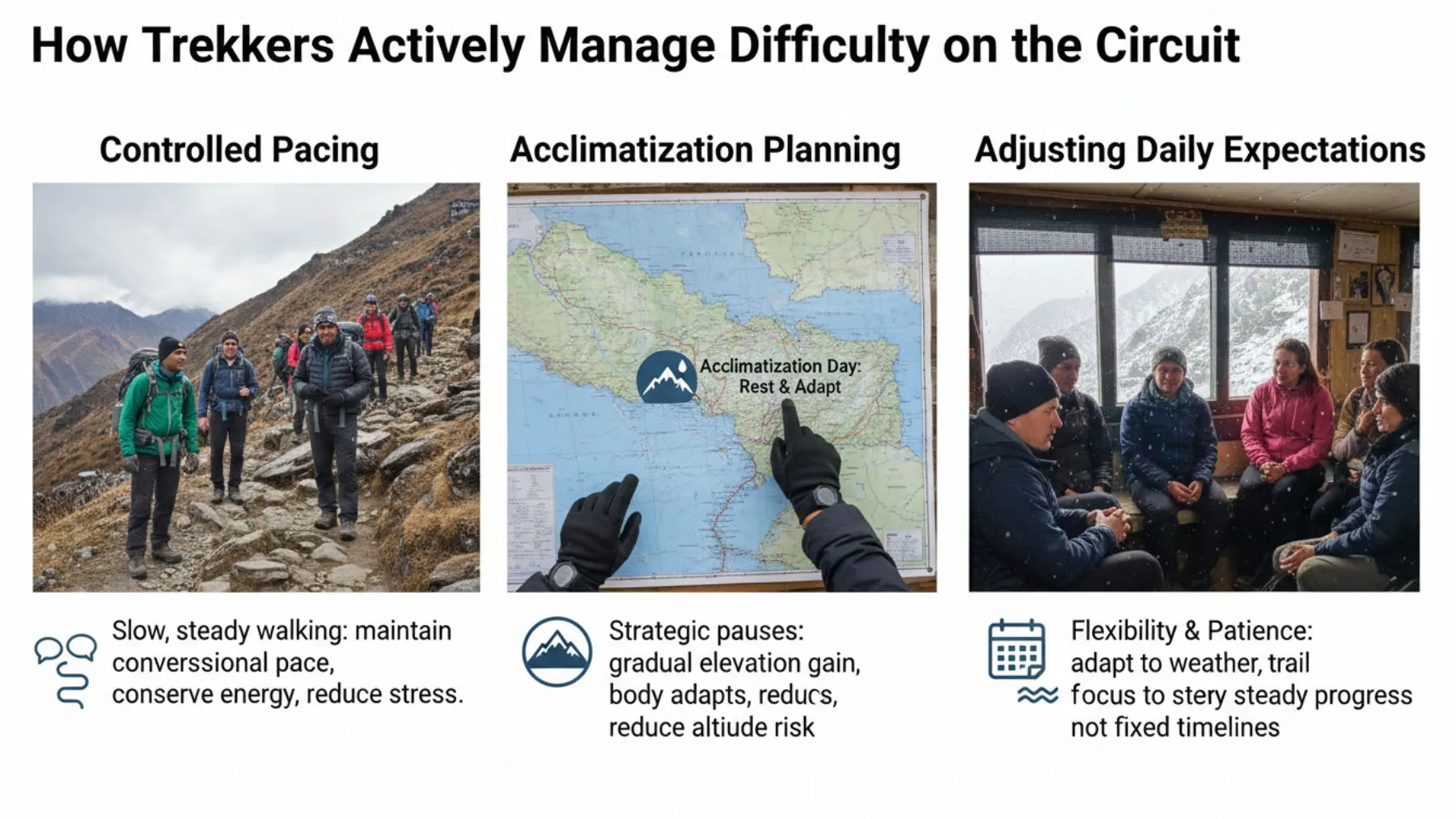
While the Manaslu Circuit Trek is undeniably challenging, its difficulty is not something trekkers simply endure. Instead, it is actively managed through pacing, planning, and informed decision making throughout the journey. Understanding how difficulty is handled in real conditions helps explain why the trek is demanding yet achievable for well prepared trekkers.
One of the most important strategies is controlled pacing. Experienced guides and seasoned trekkers emphasize slow, steady walking rather than pushing for speed. At high altitude, especially above 3,500 meters, maintaining a conversational pace helps conserve energy and reduces stress on the body. Slower movement is not a sign of weakness on Manaslu, but a practical response to thin air and long distances.
Acclimatization planning is another key factor in managing difficulty. Standard Manaslu itineraries are designed with gradual elevation gain and strategically placed acclimatization days. These days are not rest days in the traditional sense, but opportunities for the body to adapt while remaining active. Trekkers who respect these pauses generally experience fewer altitude related issues and maintain better stamina toward the later stages of the trek.
Trekkers also manage difficulty by adjusting daily expectations. Unlike more developed routes, Manaslu does not reward rushing. Weather conditions, trail quality, and altitude can all affect progress, especially near the Larkya La Pass. Successful trekkers approach each day with flexibility, focusing on steady progress rather than fixed timelines.
Another critical element is mental preparation. Knowing in advance that accommodation will be basic, recovery may be slower, and comfort levels will fluctuate allows trekkers to adapt without frustration. Those who approach Manaslu with a calm mindset and realistic expectations tend to handle challenging days more confidently and recover better overall.
Finally, guide support plays a significant role in managing difficulty on the Manaslu Circuit. Professional guides monitor pacing, hydration, and acclimatization, adjust plans when conditions change, and provide reassurance during demanding sections. This structured support transforms a physically and mentally demanding trek into a controlled and well managed experience. Together, these strategies explain why the Manaslu Circuit Trek is challenging without being overwhelming. Difficulty on this route is not fixed; it is something trekkers actively navigate through preparation, awareness, and thoughtful decision making.
👉 Want to book a Nepal family tour package and enjoy a stress-free holiday with your loved ones? Explore the Nepal Family Tour with Recreation Holidays
Final Difficulty Assessment - Who Should Choose the Manaslu Circuit Trek
The Manaslu Circuit Trek is best understood as a challenging but achievable high altitude trek that rewards preparation, patience, and steady pacing rather than speed or technical skill. Its difficulty comes from the combination of long trekking days, sustained altitude exposure, remote trail conditions, and the physical and mental demands of crossing a high mountain pass.
This trek is well suited for trekkers who already have some trekking background or those who are new to high altitude trekking but willing to prepare properly. Strong cardiovascular fitness, the ability to walk for several hours on consecutive days, and comfort with basic accommodation are more important than prior experience on technical routes. Trekkers who approach Manaslu with respect for altitude and terrain generally find the challenge demanding but deeply rewarding.
Compared to more developed routes such as the Annapurna Base Camp Trek or even parts of the Annapurna Circuit, Manaslu requires greater self reliance and adaptability. Facilities are simpler, weather plays a bigger role in daily progress, and rest days are not optional. However, these same factors are what make the trek appealing to those seeking a quieter, more authentic Himalayan experience.
Mental readiness is just as important as physical preparation. Long days, fewer distractions, and the knowledge that evacuation options are limited can test confidence, especially near the Larkya La Pass. Trekkers who understand this in advance and maintain a calm, flexible mindset are far better equipped to handle the demands of the route. In summary, the Manaslu Circuit Trek is not designed for casual sightseeing or rushed itineraries. It is ideal for trekkers who want a serious Himalayan journey that balances cultural depth, wilderness, and physical challenge. When approached with realistic expectations and proper preparation, its difficulty becomes a meaningful part of the experience rather than a barrier.
Difficulty Snapshot: Manaslu Circuit Trek
- Overall difficulty: Challenging
- Suitable for: Well prepared trekkers with good fitness
- Key challenges: Altitude, endurance, remoteness
- Technical skills required: None
- Reward level: Very high for those who complete it
Related blogs you may missed
Francys Arsentiev– The Tragic Story
Manaslu Circuit Trek For Seniors