Understanding the Everest Base Camp Trek
Before talking about fitness, it is important to understand what your body will actually do on the Everest Base Camp Trek. Most people think the trek is difficult because of steep climbing, but in reality, the challenge comes from long walking days and many consecutive days on the trail.
The total walking distance of the Everest Base Camp trek is around 130 kilometers (about 80 miles) round trip. This distance is covered over 12 to 16 trekking days, depending on your itinerary and acclimatization days. On most days, you will walk for 5 to 7 hours, and on a few longer days, it can go up to 7 to 8 hours. But don’t worry, the walking pace is slow, with plenty of breaks.
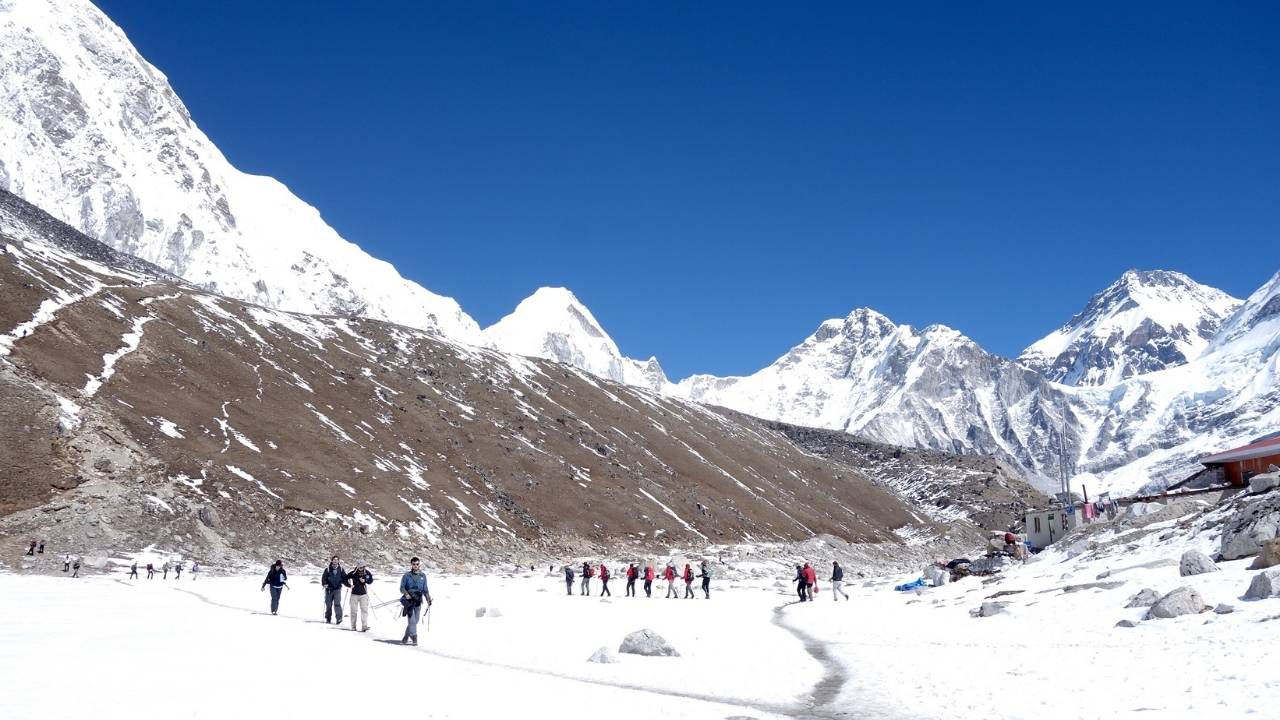
The trail itself is a mix of dirt paths, stone steps, rocky sections, and suspension bridges. Some days involve gradual uphill walking, while others include long downhill sections that can be tiring on the knees. There are no technical climbs, no ropes, and no need for special climbing skills.
What makes the trek feel challenging is not steepness, but doing it day after day. Your legs may feel fine on day one, but by day five or six, you start to feel the effect of continuous walking. This is why stamina matters more than speed.
So, you have to understand that the Everest Base Camp trek is not about walking fast or being strong for one day. It is about walking steadily, every day, at a comfortable pace, and allowing your body time to adjust. Understanding this reality helps you to prepare in the right way without unnecessary fear.
The Most Important Thing: Cardio Fitness
When it comes to fitness for the Everest Base Camp trek, cardio fitness is the most important factor. Cardio simply means how well your heart and lungs work when you are moving for a long time. You do not need to understand any fitness science to get this right.
On the EBC trek, you will be walking for many hours every day. As the altitude increases, the air becomes thinner, and your body gets less oxygen with each breath. This means even slow walking can feel tiring if your heart and lungs are not used to steady movement. That is why good cardio fitness makes the trek feel easier and more enjoyable.
The good news is that you do not need to run marathons or do intense workouts. The best cardio training for EBC is simple and natural. Regular walking, uphill walking, hiking, climbing stairs, cycling, or light jogging are more than enough. What matters is consistency, not intensity. Walking for 60-90 minutes several times a week is far more useful than one hard workout.
A simple way to judge your cardio fitness is this: if you can walk uphill or on stairs for 30-40 minutes without feeling completely exhausted and still feel okay the next day, you are on the right track.
Everest Base Camp rewards people who can keep moving calmly for a long time. Strong lungs, a steady heart, and controlled breathing will help you far more than speed or strength.
**Also Read: How Difficult Is the Manaslu Circuit Trek? A complete breakdown of challenges, terrain, altitude, and fitness requirements**
How Strong Is Strong Enough? | Leg Strength and Core Stability
After cardio fitness, the next important part of preparation for the Everest Base Camp trek is leg strength and basic core stability. This does not mean lifting heavy weights or building big muscles. It simply means your legs and body should be strong enough to support you while walking for many days on uneven trails.
During the trek, your legs do most of the work. Your thighs, calves, and knees are constantly active, especially while walking downhill. Many people are surprised to learn that downhill walking is often harder than uphill because it puts more pressure on the knees and joints. If your legs are not used to this kind of movement, they can feel sore quickly.
Core strength is also important, but doing nothing complicated. A stable core helps you to keep balance on rocky paths, stone steps, and suspension bridges. It also helps when you are carrying a small backpack for several hours each day. Poor core strength can lead to back pain and bad posture during long walks.
Simple bodyweight exercises are more than enough to build the strength needed for EBC. Squats, lunges,step-ups, and walking stairs regularly prepare your legs very well. Even walking with a light backpack during training can make a big difference. Your legs do not need to be powerful, just reliable. If they can carry you up and down hills day after day without injury, you are strong enough for the Everest Base Camp trek.
The Real Challenge: Stamina and Mental Fitness
Many people focus only on physical fitness, but in reality, mental strength and stamina play an equally important role on the Everest Base Camp Trek. Stamina is not just about muscles, but it is about your ability to keep going, day after day, even when your body feels tired.
On the EBC trek, you wake up early, pack your bag, and walk for hours. You repeat this routine for nearly two weeks. Some days are cold, some days are windy, and some days the views may be hidden by clouds. The beds are simple, the food is repetitive, and hot showers are not always available. This is where mental fitness matters most.
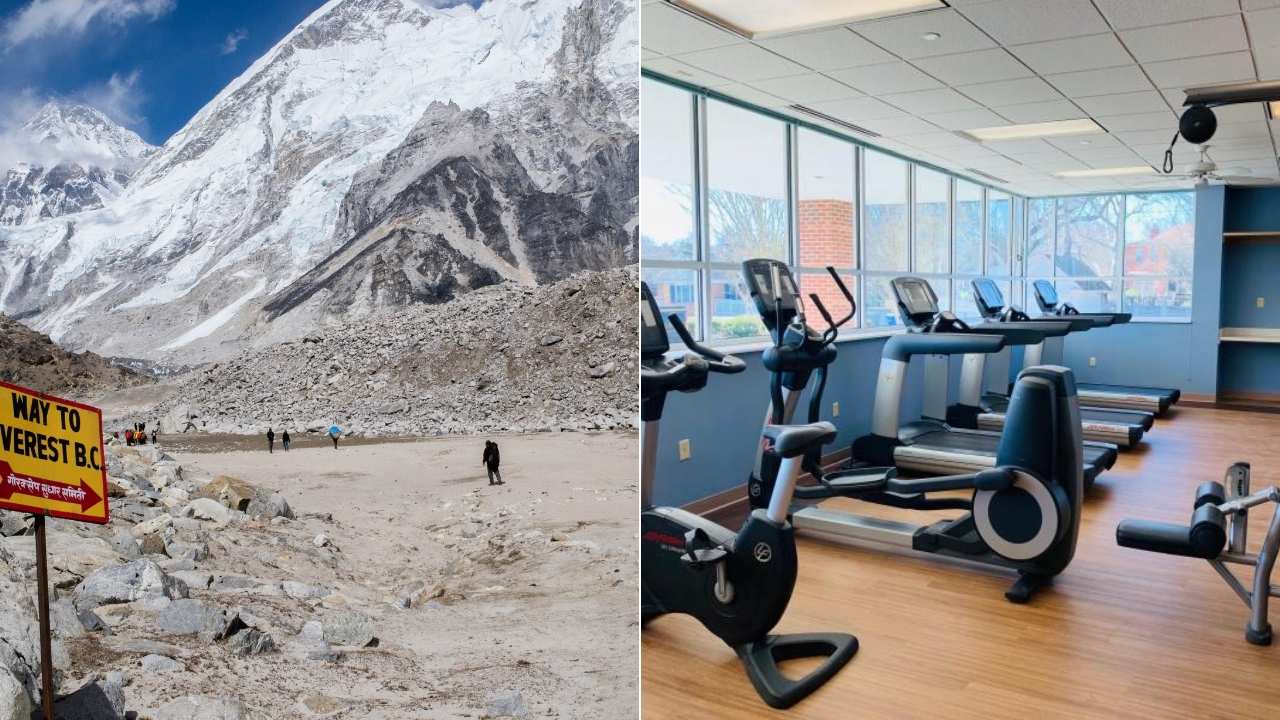
There will be moments when your legs feel heavy, your breathing feels slower and you wonder if you are walking too slowly. This is completely normal. People who succeed on the EBC trek are not always the strongest; they are the ones who stay patient, calm, and positive.
Mental fitness means accepting a slow pace, taking breaks without guilt, and listening to your body instead of comparing yourself to others. It also means understanding that feeling tired does not mean you are failing; it means you are trekking in the mountains.
Everest Base Camp is a test of consistency and mind, not toughness. If you can stay relaxed, focused, and motivated even on difficult days,y yourental fitness will carry you just as far as your physical fitness.
Altitude Fitness for Everest Base Camp Trek
One of the biggest worries people have about the Everest Base Camp trek is altitude. Many believe that if they are very fit, they will automatically handle high altitude easily. But here is the truth: fitness and altitude are not the same thing.
As you walk higher in the Himalayas, the air becomes thinner. Your body gets less oxygen, which can make you feel breathless, tired, or even dizzy. This happens to both fit and unfit people. In fact, sometimes very fit people struggle more because they walk too fast and do not give their bodies enough time to adjust.
The most important factor for altitude is not gym training; it is slow ascent and proper acclimatization. This is why EBC itineraries include rest days in places like Namche Bazaar and Dingboche. These days allow your body to adapt naturally to the altitude.
You can not fully train for high altitude at home unless you live in the mountains. But you can prepare your body by improving your breathing control and cardio fitness. More importantly, you must learn to walk slowly, drink plenty of water, and never ignore symptoms like headaches or nausea.
Altitude does not care how fit you are. The real skill is respecting the mountain and giving your body the time it needs to adjust. People who understand this are far more likely to reach Everest Base Camp safely and comfortably.
**Don't Miss: Everest View Trek 11 Days- Experience the magic of Everest without the long and demanding trek**
How to Know If You Are Fit Enough?
If you are still wondering whether you are fit enough for the Everest Base Camp trek, this simple self-check can give you clarity and confidence. You do not need medical tests or a professional assessment.
First, you should check your walking ability. Can you walk for 5-6 hours a day at a comfortable pace with short breaks, without feeling completely exhausted? This can be on hills, uneven paths, or a long city walk. If yes, that is a strong sign you are ready.
Next, think about stairs and uphill walking. Try climbing stairs or walking uphill continuously for 30-40 minutes. You do not need to be fast. What matters is steady movement and controlled breathing. If you can do this without severe breathlessness, your cardio is good.
Now consider recovery. After a long walk or hike, do you feel reasonably okay the next day? Mild soreness is normal, but extreme fatigue is a sign you may need more preparation time. Also, check backpack comfort. Can you walk for a few hours carrying a light backpack (5-7kg) without back or shoulder pain? This is important, as you will carry daily essentials on the trek.
In summary, if your body can walk long hours, recover overnight, and repeat the effort, you are likely fit enough for the Everest Base Camp trek. You do not need perfection; you need just readiness.
Do Age, Body Type, and Experience Really Matter for Everest Base Camp Trek Fitness?
Many people hesitate to plan the Everest Base Camp trek because they think age, body, shape, or lack of trekking experience will hold them back. In reality, these factors matter far less than most people believe.
Every trekking season, people in their 20s, 40s, 50s, and even 60s successfully reach Everest Base Camp. Age alone is not a barrier. What matters is how well you prepare and how patiently you walk. A slower, steadier trekker often performs better than a younger person who rushes and ignores acclimatization.
Body type also does not decide success. You do not need to be slim, muscular, or athletic. The EBC trek does not reward appearance; it rewards endurance and consistency. Many average-built people complete the trek comfortably simply because they listen to their body and take rest when needed.
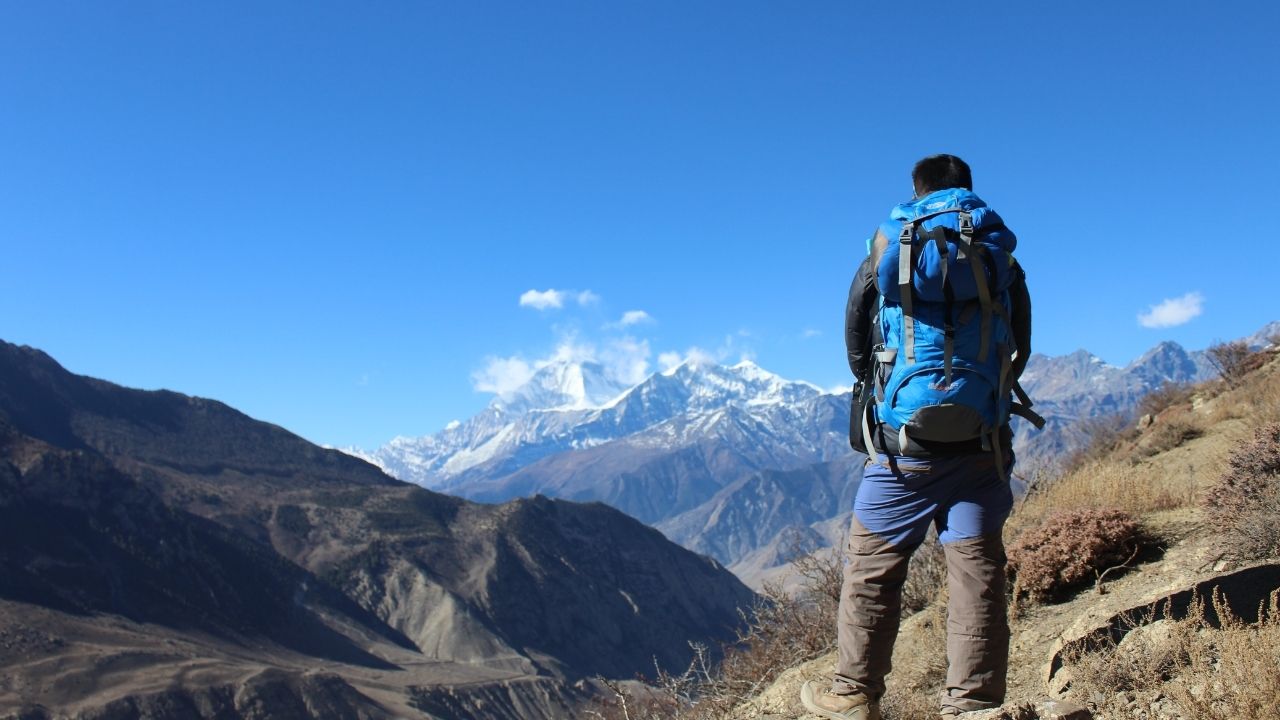
Previous trekking experience can help, but it is not required. First-time trekkers complete EBC every year. The trail is well marked, the lodges are comfortable, and the pace is gradual. What matters more than experience is mental readiness and basic fitness preparation.
The Everest Base Camp trek is not about being young, lean, or experienced. It is about being prepared, patient, and realistic. If you can walk steadily and respect your limits, EBC is achievable for you.
**You May Like: Everest Mountain Flight - 50 Minutes. An extraordinary Everest experience from the skies- fast, safe, and unforgettable.**
Final Say: How Fit Do You Really Need to Be for the Everest Base Camp Trek?
The final and most honest answer is simple: you do not need to be extremely fit to trek to Everest Base Camp, but you do not need to be reasonably prepared. This trek is not about strength, speed, or athletic performance. It is about steady walking, patience, and consistency.
To be fit enough for Everest Base Camp, you should be able to walk for 5 to 7 hours a day at a slow pace and repeat this for many days. You do not need to walk fast. You do not need to climb steep mountains. What matters most is that your body is used to moving for long hours without feeling completely exhausted. Good cardio fitness helps you to breathe better, especially as the air gets thinner at higher altitudes.
Your legs should be strong enough to handle long walks, stone steps, and downhill trails. You do not need gym muscles. Simply walking, stair climbing, and light strength exercises are enough. More important than strength is recovery; your body should feel okay to walk again the next day.
Mental fitness is just as important as physical fitness. The trek can feel long, cold, and tiring. People who succeed are those who stay calm, walk slowly, and do not rush. Accepting a slow pace and listening to your body makes a big difference.
Altitude is something for which no one can fully train. Even very fit people can feel uncomfortable at high altitude. The key is slow ascent, proper rest days, drinking enough water, and never ignoring symptoms.
So, in summary, if you can walk regularly, stay patient, and respect your limits, you are fit enough for the Everest Base Camp trek. You don’t need to be a super athlete; if you are prepared, determined, and can walk steadily for multiple hours, you can truly make this experience memorable.