
The Annapurna Circuit Trek with Tilicho Lake is a 15-day Himalayan adventure that combines Nepal's classic Annapurna Circuit with a visit to Tilicho Lake (4,919 m / 16,138 ft)—one of the world's highest lakes—and a crossing of the iconic Thorong La Pass (5,416 m / 17,769 ft). Starting from Dharapani (1,860 m), the route passes through Chame, Pisang, Manang, Siri Kharka, Tilicho Base Camp, Yak Kharka, Thorong Phedi, and Muktinath, offering breathtaking views of Annapurna, Dhaulagiri, Tilicho Peak, Gangapurna, and Manaslu. Ideal for trekkers seeking high-altitude adventure, this guided trek combines alpine landscapes, Tibetan-influenced culture, and one of Nepal's most rewarding trekking experiences.
Trip Photos
Annapurna Circuit Trek with Tilicho Lake
48 reviews in Google Reviews
Duration15 Days
CountryNepal
Trip GradeModerate
Maximum Altitude5,416 m
Group Size1-14
StartsKathmandu
EndsKathmandu
Travel StylePublic, Bus/Jeep / Trek
Best TimeSpring & Autumn
Highlights of Tilicho Lake Trek and Annapurna Circuit
- Discover lush forests, charming mountain villages, serene alpine lakes, high-altitude passes, and verdant foothills.
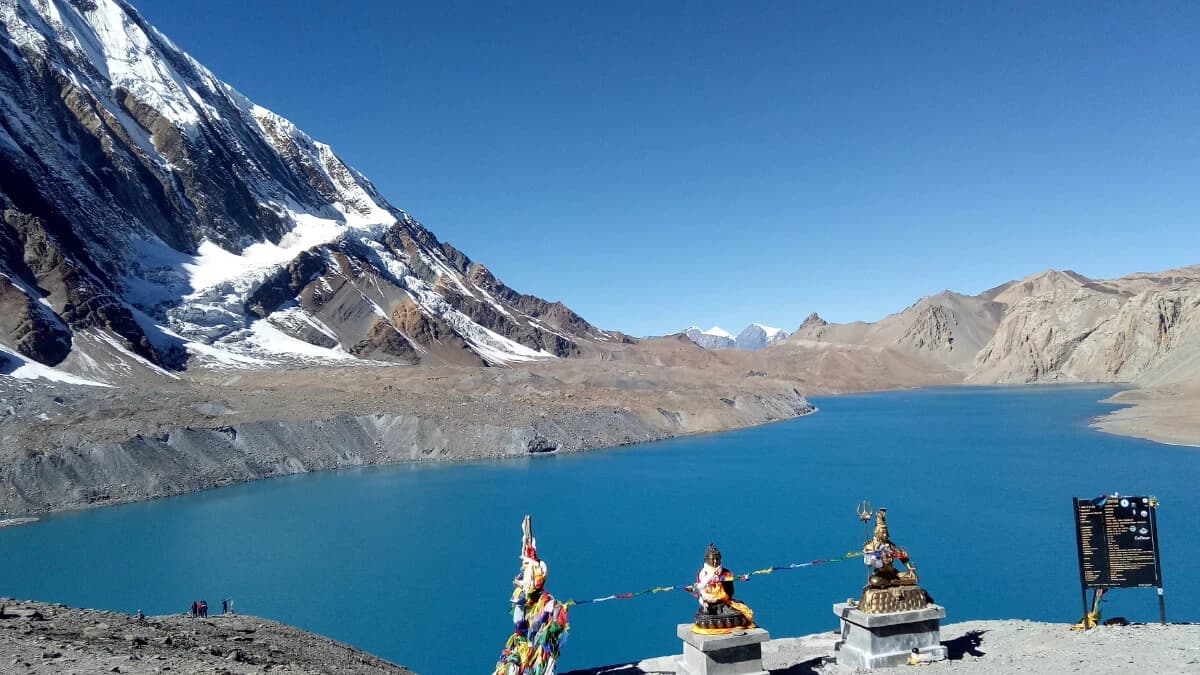
- Experience the ethereal beauty of Tilicho Lake, one of the highest lakes in the world, perched at an elevation of 4,919m (16,138 ft).
- Conquer the thrilling Thorong La Pass, a highlight of the trek.
- Receive spiritual blessings at the sacred Muktinath Temple, revered by Hindus and Buddhists alike.
- Walk along the Kali Gandaki Gorge, the deepest gorge in the world, with awe-inspiring views.
- Marvel at panoramic vistas of the world’s highest peaks, including the fifth, seventh, and tenth tallest mountains.
- Witness breathtaking sunrises and sunsets that light up the Himalayan landscape.
- Spend nights in picturesque villages such as Chame, Pisang, Manang, Tilicho Base Camp, Yak Kharka, and Muktinath.
- Encounter diverse flora and fauna, cascading waterfalls, exciting suspension bridges, and peaceful streams along the route.
- Submerge yourself in the unique mountain lifestyle and explore the rich cultural heritage of the Annapurna region.
Overview:
The Annapurna Circuit Trek with Tilicho Lake is one of Nepal's most remarkable trekking adventures, renowned for its stunning landscapes and diverse terrain. It’s a highly sought-after destination, attracting trekkers from around the globe with its breathtaking views of rugged mountains, lush forests, and serene alpine scenery.
This unforgettable journey begins in the bustling capital of Kathmandu and concludes in the tranquil lakeside city of Pokhara. Along the way, trekkers are immersed in the vibrant natural beauty and cultural richness that defines the Annapurna region.
The route offers an exhilarating experience, leading you through remote wilderness areas, arid highlands in the Manang district, and picturesque villages, each with its unique charm. The trek’s diversity makes it an iconic choice for adventure enthusiasts and nature lovers. Travelers can experience a full suite of natural symmetries, cultural treasures, and adventure thrills during their Annapurna Circuit Trek with the Tilicho Lake expedition. The Annapurna Circuit route leads trekkers through stunning forestlands before reaching remote communities followed by vibrant slopes along the Annapurna mountain region. Your path during this journey will lead you across the panoramas of the highest mountain peaks in the world while sailing through varied geographic zones from forests to snowy peaks.
During the trek, reaching Tilicho Lake is a highlight because its elevation reaches 4,919m (16,138 ft). The highest lake in the world, Tilicho Lake, presents trekkers with its pure blue waters that shine between soaring mountain peaks. Crossing the famed Thorong La Pass (5,416m/17,769ft) should be included on your bucket list as you earn rewarding perspectives into the Annapurna and Dhaulagiri mountain ranges.
Traditional villages including Chame, Pisang, Manang, and Muktinath make up part of the trail's cultural immersion highlights. Walking among the Gurung and Thakali communities, you can experience their traditional mountain lifestyle and you will receive their invitations to join their culture and feel the vibes. At Muktinath Temple, both Hindus and Buddhists discover their spiritual essence while pilgrims and trekkers seek their peace of mind and fulfillment.
The trek features the Kali Gandaki Gorge among its highlights by showing visitors the world’s deepest gorge through its dramatic cliffs and powerful river. During your trek, you can experience multiple waterfalls along with beautiful suspension and wooden bridges and various plant species as well as traditional tea stalls. Every Annapurna sun and moon rise develops spectacular color displays across mountain peaks which produce unforgettable moments.
After an overnight stay in Muktinath, the trek continues with a hike to Jomsom, a vibrant hub in the region known for its lively market and stunning views. From Jomsom, you’ll take a scenic early-morning domestic flight to Pokhara, where the adventure begins to wind down. Finally, the Annapurna Circuit Trek with Tilicho Lake concludes with a picturesque drive from Pokhara to Kathmandu aboard a comfortable tourist bus.
For an unforgettable experience in the Annapurna region, reach out to Recreation Holidays. Reservations for the Annapurna Circuit Trek with Tilicho Lake for 2026 and 2026 are now open at competitive rates. Explore the beauty of Nepal’s Annapurna region, where you’ll discover ancient monasteries, rejuvenating hot springs, and sacred lakes. Get ready to board on this remarkable journey to embrace the true spirit of adventure with us! We assure you of a hassle-free adventurous trip to Annapurna Circuit and Tilicho Lake.
What are the Benefits of booking the Annapurna Circuit Trek with Tilicho Lake with Us?
- Hassle-Free Airport Services including pickup and drop-off services for your convenience.
- Detailed Trekking Map for accessing the Annapurna Circuit with Tilicho Lake to enhance your trekking experience.
- Essential medical kits to address any health needs during the trek.
- Enjoy free excess luggage storage at our Recreation Holidays office during your trek.
- Sleeping bags and down jackets can be arranged if required, ensuring a comfortable journey.
- Exclusive Trekking Souvenirs: Receive a complimentary Recreation Holidays duffle bag and T-shirt as mementos of your adventure
Getting prepared for the Annapurna Circuit Trek with Tilicho Lake
Proper preparation is key to completing the Annapurna Circuit Trek. Trekkers should focus on building stamina and core strength through physical training. Aerobic exercises such as jogging, cycling, running, and squat jumps are highly recommended to strengthen joint muscles and improve endurance. Incorporating balance and core stability exercises will also help navigate the uneven terrain of the trek.
To tackle the challenges of this trek, we recommend you gradually increase your hiking experience before heading to Nepal. Start with shorter hikes and progress to longer trails as your confidence and fitness improve. Physical readiness is essential, but mental preparedness is equally important. A positive mindset and motivation are crucial to overcoming challenges along the way.
Going through the trek itinerary and weather conditions is another vital step. Understanding what to expect will help you prepare adequately and provide insights into dealing with difficult situations. With the right preparation and mindset, you can be ready to go on this adventure with confidence and fully enjoy the unparalleled beauty of the Annapurna region.
Annapurna Circuit Trek with Tilicho Lake Cost For 2026 And 2026
Recreation Holidays provides an affordable Annapurna Circuit Trek with Tilicho Lake Package, tailored to group sizes. The cost ranges from USD 995 to USD 1095 per person, depending on the number of participants in your group.
For detailed information about group pricing, itinerary customization, or any questions regarding the trek, feel free to reach out to us. You can Contact us via e-mail, WhatsApp, or Viber anytime—our team is available 24/7 to assist you and ensure a smooth trekking experience!
Short Itinerary
Day 01: Arrival in Tribhuvan International Airport, Kathmandu (4,593ft/1,400m)
Day 02: Bus journey from Kathmandu to Dharapani (1860m/6102ft)
Day 03: Trek to Chame (2610m/8562ft) from Dharapani (1860m/6102ft)
Day 04: Trek from Chame (2610m/8562ft) to Pisang (3300m/10,826ft)
Day 05: Trek from Pisang (3300m/10,826ft) to Manang (3540m/11,615ft)
Day 06: Acclimatization Day in Manang (3540m/11,615ft)
Day 07: Trek from Manang (3540m/11,615ft) to Siri Kharka (13,325 ft/4050 m)
Day 08: Trek from Siri Kharka (13,325 ft/4050 m) to Tilicho base camp (13583 ft /4140 m)
Day 09: Trek from Tilicho base camp to Tilicho Lake then back to Siri Kharka (16,120 ft /4,950m)
Day 10: Trek from Siri Kharka to Yak Kharka (13020 ft/ 4040 m)
Day 11: Trek from Yak Kharka (13020 ft/ 4040 m) to Thorong Phedi (14050 ft/4420 m)
Day 12: Trek from Thorong Phedi (14050 ft/4420 m) to Muktinath (12467 ft/3800 m) via Thorong La pass (17764 ft/ 5416 m)
Day 13 Travel from Muktinath (12467 ft/3800 m) to Pokhara (827m/2713ft)
Day 14: Drive from Pokhara to Kathmandu by tourist coach
Day 15: Final departure from Kathmandu, Nepal as per your flight schedule.
Annapurna Circuit Trek with Tilicho Lake Itinerary
Expand All
Day01
Upon arrival at Tribhuvan International Airport in Kathmandu, you will complete customs formalities and collect your luggage. A representative from Recreation Holidays will greet you and escort you to your hotel in a private, air-conditioned vehicle. In the evening, enjoy a warm welcome dinner hosted by Recreation Holidays. Relax and chill out overnight at your hotel in Kathmandu.
Day02
Begin your day with an early morning bus journey from Kathmandu to Bhulbhule, passing through Besisahar along the way. Once you reach Bhulbhule, you will transfer to a shared jeep that will take you to Dharapani. This scenic ride offers breathtaking views of cascading waterfalls, majestic snow-covered peaks, and charming suspension bridges. The route follows the Marsayangdi River, meandering through picturesque villages such as Ngadi, Bahundanda, Syange, Jagat, Chamje, and Tal. Upon reaching Dharapani, you’ll complete your registration and verify your trekking permits at the local police checkpoint.
🕐 8 to 9 hours; 234 kilometers
Day03
Today, you'll walk further into the serene alpine region, where the air grows cooler and the landscape transforms. The trail takes you through the traditional Tibetan villages of Bagarchhap and Danakyu, surrounded by dense forests and stunning scenery. Along the route, you’ll encounter apple orchards and panoramic views of the Lamjung and Annapurna II peaks. Pass through the charming villages of Timang, Thanchowk, and Koto before arriving in Chame. As the administrative center of Manang, Chame provides various amenities such as accommodations, internet cafes, shops, banks, and healthcare facilities. At the village entrance, please be sure to admire the impressive mani walls, beautifully adorned with prayer wheels.
Day04
On the fourth day of the Annapurna Circuit Trek, your journey begins with a hearty breakfast before setting out on a scenic trek. The trail winds through enchanting forests of rhododendron and pine, offering glimpses of lush meadows and towering mountains. Along the way, you'll navigate a mix of uphill and downhill paths, crossing several suspension bridges. The route takes you to the striking Paungda Danda, a towering rock face, before continuing toward Pisang. The trek typically takes about 5 to 6 hours from Chame to Pisang. Enjoy an overnight stay in Pisang, surrounded by breathtaking mountain views.
Day05
As you ascend to higher altitudes, the trek becomes increasingly exhilarating. After breakfast, you’ll begin your trek to Manang village. Starting from the flat terrain of Pisang, the trail gradually climbs toward Humde. Along the way, you’ll be captivated by breathtaking views of Mt. Annapurna II, III, and IV, as well as Gangapurna Himal, Tilicho Peak, and Pisang Peak.
The gradual ascent allows your body to acclimatize to the elevation and changing climate. This part of the trek offers a unique opportunity to immerse yourself in the rich Tibetan culture, exploring Buddhist traditions and settlements. Taking the northern route via Upper Pisang and Ghyaru rewards you with awe-inspiring views of the Himalayas and pristine alpine lakes. Though this path may take slightly longer, the scenery makes it well worth the effort. Conclude your day with an overnight stay in Manang.
Day06
Acclimatization is essential when trekking to higher altitudes, making this rest day in Manang vital for your health and safety. Take the time to allow your body to adjust to the thinner air and reduce the risk of altitude-related issues. Use this day to explore the charming village of Manang and its scenic surroundings. You can go on short hikes to stunning viewpoints and glacial lakes nestled at the base of Gangapurna and Tilicho peaks. Enjoy diving into the local culture by visiting ancient monasteries and the cultural museum. Have a restful evening in Manang, preparing yourself for the trek to Yak Kharka the following day.
Day07
After breakfast, your trek begins with a climb as you leave Manang village, followed by a descent to the riverside, where you’ll cross a suspension bridge. The trail then takes you through dense pine forests, eventually leading to Khangsar village, a settlement primarily inhabited by the Tibetan community. After a lunch break in Khangsar, you’ll continue your journey toward today’s destination, Siri Kharka. Enjoy an overnight stay at Siri Kharka, surrounded by serene mountain views.
Day08
Your day begins with a heavy breakfast before setting out on the trek. The trail leads you through a landslide-prone area, requiring careful navigation. As you proceed, you’ll be amazed by the striking and unique rock formations surrounding Tilicho Base Camp. Upon arrival, you’ll be greeted by breathtaking views of Tilicho Peak and the neighboring snow-clad mountains. Take the rest of the day to relax and soak in the stunning alpine scenery and crisp mountain air. Overnight stay at Tilicho Base Camp.
Day09
Tilicho Lake, situated at an impressive altitude of 4,919 meters (16,138 feet), is renowned as one of the highest lakes in the world. Your day begins with a gradual ascent toward this stunning destination. Although the early hike can be tiring, it is well worth the effort to witness the breathtaking morning view of Tilicho Lake. The panoramic scenery is so captivating that you'll likely find yourself wanting to linger and take it all in. After spending quality time at the lake, you’ll descend back to Siri Kharka to rest for the day. The trek typically takes around 5 to 6 hours, depending on your pace. Overnight stay at Siri Kharka.
Day10
The trek continues along rugged trails descending to Khangsar village, where you'll encounter several beautiful monasteries and ancient gumbas along the way. From there, the path ascends steadily, leading you to the elevation of Yak Kharka. This spot offers some of the most spectacular viewpoints, showcasing the majestic Annapurna and Gangapurna Himalayan ranges. After enjoying the breathtaking scenery, take time to rest and relax. Overnight stay at Yak Kharka.
Day11
Yak Kharka offers a prime vantage point, providing mesmerizing views of the mighty Himalayan peaks. The alpine climate is crisp and refreshing, making the journey toward Thorong Phedi both invigorating and enjoyable. The trail continues through dense forests and alongside rushing rivers, leading you toward Thorong Phedi. The term "Phedi" refers to a base, and Thorong Phedi marks the base of the famous Thorong La Pass, one of the highest points of the Annapurna Circuit Trek, alongside Tilicho Lake. Rest for the night at Thorong Phedi, preparing for the next leg of your adventure.
Day12
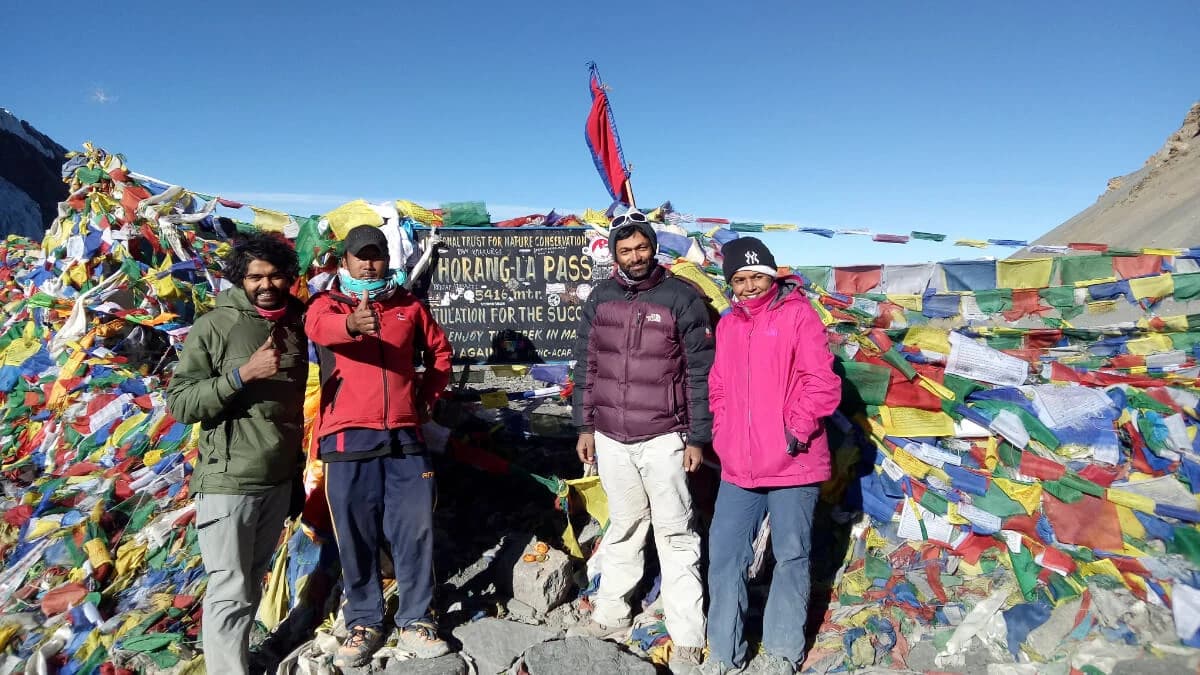
Today’s trek is long and challenging, but it will also be incredibly rewarding as you reach the highest point of the Annapurna Circuit which is Thorong La Pass. After breakfast at Thorong Phedi, you will begin your ascent toward Muktinath. Thorong La Pass, standing at an impressive 5,416 meters (17,769 feet), is one of the highest passes in the world and one of the best highlights of Annapurna Circuit Trek. This marks your trek from the eastern side of Manang to the western side of Muktinath.
You’ll start your day early, around 3 a.m., to ensure you reach Muktinath before nightfall. You will take a break for lunch along the way. When you reach the summit of Thorong La, the sense of accomplishment will be overwhelming—it's a moment of pure joy and triumph. After spending some time enjoying the views at the top, you’ll begin your descent toward Muktinath Valley, located at the base of the pass. Overnight stay at Muktinath, a place rich in spiritual significance.
Day13
Today, you'll travel from Muktinath to Pokhara by local jeep or bus, passing through the serene landscapes of the lower Mustang Valley. The trip will take around 8 to 9 hours. Once you arrive in Pokhara, relax by the lakeside, enjoy a variety of cuisines, and celebrate the accomplishment of completing your trek.
Day14
After breakfast today, you will begin your bus journey back to Kathmandu in a comfortable, air-conditioned tourist coach. Along the way, enjoy the lush greenery, stunning views of the Himalayas, cascading waterfalls, rushing rivers, and terraced farmlands. The drive will take approximately 6 to 7 hours. A lunch break will be taken at a highway restaurant. Upon arrival in Kathmandu, you will be transferred to your hotel to relax. Enjoy an overnight stay in Kathmandu, preparing for your next destination or journey home the following day.
Day15
On your final day in Nepal, if you have no other planned trips, you’ll enjoy breakfast before being transferred to Tribhuvan International Airport in a comfortable private vehicle, according to your flight schedule.
Is the proposed itinerary suitable for you?If you are looking for a custom itinerary, please feel free to reach out to our team of professionals at any time.
Customize TripTrip Service Details
Includes
- Airport pickup and drop-off services in a private vehicle.
- Accommodation in Kathmandu for 2 nights including breakfast
- Local bus transfers from Kathmandu to Besisahar, local bus transfers from Muktinath to Pokhara, and tourist bus transfers from Pokhara to Kathmandu.
- Accommodation in Pokhara for 1 night with breakfast
- Full board meals throughout the trek (breakfast, lunch, and dinner)
- Cozy tea house accommodations according to the itinerary throughout the trek.
- Entry permit for Annapurna Conservation Area Project (ACAP) and Trekkers Information Management System (TIMS) cards.
- A licensed and government-approved trekking guide, proficient in English, with accommodation, meals, salary, and insurance.
- Strong and supportive Sherpa porters with proper safety and walking equipment, covering their salary, food, accommodation, and insurance (1 porter for every 2 trekkers).
- An assistant trekking guide for groups of 8 or more, with accommodation, meals, salary, and insurance.
- A fully equipped first-aid medical kit
- Trip achievement certificate upon request after successful completion of the trek.
Excludes
- Meals (Lunch and Dinner) during stay in Kathmandu and Pokhara
- Nepal entry visa fee: USD 30 for a 15-day visa, USD 50 for 30 days, and USD 125 for a 90-day visa (It can be easily obtained in Tribhuvan International Airport or any immigration points if by roadways)
- Personal travel and medical insurance.
- International airfare.
- Personal expenses like chocolate, cake, pie, or pudding,
- All alcoholic and non-alcoholic beverages, including tea, coffee, hot chocolate, soup, mineral water, extra food, and cold drinks purchased during the trek, including those you buy at tea houses.
- Hot showers, electronic devices charging, or battery charging at tea houses during trek
- Tips and gratuities for the trekking guide, porter, and driver (tipping is expected).
- Any other expenses not mentioned in the "What is Included" section.
Additional Info
Best Time to explore Annapurna Circuit Trek with Tilicho Lake
Spring (March, April, and May)
The Annapurna Circuit Trek with Tilicho Lake achieves its perfect conditions in the spring season. During this season Nepal experiences its peak trekking season because of clear skies and warm temperatures. The warmer climate aside from chill temperatures during mountain night times forms the characteristic weather pattern. During the region's short dry period, rain is absent and the atmosphere stays mostly cloud-free. The national flower rhododendron reaches its full bloom at lower elevations alongside vibrant greenery in this season. Nice pine scents and multicolor wildflower views enhance this beautiful season.
Autumn (September, October, and November)
During the autumn season, the Annapurna Circuit Trek to Tilicho Lake offers extraordinary opportunities for visitors. Trekking reaches its best period during this season because of favorable weather conditions and stunning natural scenery. Big numbers of tourists during this preferred time create congestion along trekking paths while accommodations become scarce. During this season you will witness vibrant cultural celebrations alongside abundant hiking activity throughout Pokhara and in busy trekking zones.
Accommodation
On this trail, you will stay in either twin-share or single lodging facilities located throughout the trekking route of Annapurna Circuit Trek with Tilicho Lake. Each night's stay offers simple lodging that maintains comfortable standards and provides maintenance after trekking daily. Most washrooms are shared. Hot water shower services are available to trekkers who pay an additional small fee. Fellow trekkers meet at the dining area which maintains the warmest atmosphere throughout the lodge. During your stay in Kathmandu and Pokhara, we reserve three-star hotels featuring contemporary comfort features.
Food
During the trek, you will be provided with breakfast, lunch, and dinner, with a menu that offers a surprising variety. You can enjoy a mix of Nepali, Indian, Continental, and Tibetan cuisines. Common dishes include sandwiches, momos, noodles, burgers, pasta, porridge, Tibetan bread, thukpa, dhido, dal bhat, roti tarkari, mashed potatoes, fries, toast, eggs, curries, and soups, among others. Boiled drinking water is available at teahouses to refill your bottles, ensuring it’s safe and stomach-friendly.
In Pokhara and Kathmandu, breakfasts are included, along with two special dinners—a welcome dinner and a farewell dinner. At other times, you are free to explore and indulge in any food that appeals to you.
Travel Insurance
Travel insurance is essential for treks like the Annapurna Circuit, Tilicho Lake, and Poon Hill, as they involve high altitudes and carry potential risks such as altitude sickness or unforeseen emergencies. Comprehensive travel insurance, which covers emergency air evacuation and medical expenses, is mandatory to ensure your safety and provide immediate medical assistance if necessary.
Travel Tips (Electricity, Internet, ATM, Luggage, Tipping, Personal Expenses)
Electricity: Charging stations are typically located in the reception areas of lodges, and there may be a small fee to use them. To save on costs, consider bringing spare batteries or a solar charger.
ATM: There are no ATMs along the Annapurna Circuit trekking route. Make sure to withdraw sufficient Nepali currency in Kathmandu to cover your personal expenses during the trek.
Internet: Wi-Fi is generally reliable at lower elevations, but connectivity becomes limited at higher altitudes. For better internet access on the upper trails, consider carrying a Nepali SIM card.
Luggage: Each trekker is allowed up to 5 kg in a daypack and 10 kg in a duffel bag. Exceeding this luggage limit will lead to incur additional charges.
Tipping: Tips for guides, porters, and drivers are not included in the package. Tipping is a customary practice in Nepal’s travel industry, so be prepared to tip as per your preference. On-field crew members may request tips directly.
Personal Expenses: Set aside an additional budget for personal costs, such as international flights, tips, travel insurance, and shopping.
Trekking Gear: You can rent or purchase trekking gear in Thamel, Kathmandu, so there’s no need to bring everything from home. However, ensure your trekking boots are broken in and not brand new to avoid discomfort on the trail.
How to Prepare Yourself for the Annapurna Circuit Trek with Tilicho Lake?
The Annapurna Circuit Trek with Tilicho Lake is a globally renowned trekking destination, attracting adventurers who seek to immerse themselves in its stunning natural beauty. However, this trek is far from easy. The journey involves navigating rugged mountain trails, steep ascents, river valleys, and a high mountain pass, all while contending with unpredictable weather and trail conditions. Proper preparation is essential to ensure a safe and enjoyable experience.
1. Focus on Physical Fitness
The Annapurna Circuit demands significant physical endurance. Regular exercise and training are key to building the stamina needed for the trek. Incorporate cardiovascular exercises such as running, cycling, or swimming into your routine to enhance lung capacity and endurance. Additionally, practice strength training to build core muscles, improve balance, and prepare for steep ascents and descents.
2. Simulate Trekking Conditions
To prepare for the uneven and demanding trails, practice hiking on similar terrains. Trekking on hills, mountain paths, or even staircases will help improve your balance and familiarize you with the challenges of steep slopes. Gradually increase the difficulty of your practice hikes to build confidence and adaptability.
3. Acclimatize and Train for Altitude
Acclimatization is crucial for adapting to higher altitudes during trekking, allowing your body to adjust to the reduced oxygen levels. It helps prevent altitude sickness by gradually improving your respiratory and cardiovascular systems. Taking the time to acclimatize ensures a safer and more enjoyable trekking experience.
This trek to Annapurna Circuit and Tilicho Lake includes high-altitude sections where oxygen levels are lower, which can lead to altitude sickness. That is why it is better to practice hiking at higher altitudes if possible and ensure your fitness level supports gradual acclimatization.
4. Mental Preparation
Trekking in the Himalayas is as much a mental challenge as it is physical. Be prepared for long days of walking and potentially harsh weather conditions. Cultivate a positive mindset, stay patient, and set realistic expectations for the trek.
5. Plan Your Gear and Supplies
- Carry appropriate trekking gear, including broken-in boots, warm clothing, and a reliable backpack.
- Invest in a good sleeping bag and waterproof layers to deal with weather fluctuations.
- Don’t forget trekking poles, a first-aid kit, and water purification tablets.
6. Study the Route
Familiarize yourself with the trekking route, including distances, elevation gains, and potential challenges. Research teahouse accommodations and facilities along the trail. Knowing what to expect will help you mentally and logistically prepare.
7. Take It Slow and Steady
Avoid rushing through the trek. Walking at a steady pace will prevent exhaustion and allow your body to acclimatize to higher altitudes. Always pay attention to your body's signals and take breaks to rest whenever you feel necessary.
8. Seek Expert Advice
If you’re new to trekking or uncertain about the preparation process, consult with trekking experts or guides. They can provide valuable insights into the trek, including safety tips and gear recommendations.
By following these tips and preparing well in advance, you’ll be ready to tackle the Annapurna Circuit Trek with Tilicho Lake and enjoy an unforgettable adventure amidst the breathtaking Himalayan landscapes.
Important Considerations for Your Annapurna Circuit Trek
1. Weather Conditions
The weather along the Annapurna Circuit, particularly at higher elevations, can be extremely unpredictable. While seasonal patterns influence the weather, various factors contribute to sudden fluctuations. At higher elevations, trekkers may encounter severe windstorms, freezing temperatures, and harsh conditions. Winter trekking is particularly challenging due to heavy snow, blizzards, fog, and mist, which can obscure visibility and make the trails more hazardous. Snow-covered paths can also cause blisters, so plan your trek carefully and ensure you have appropriate gear to combat the elements.
2. Remote and Isolated Areas
The Annapurna Circuit passes through remote and rugged terrains, featuring steep ascents, deep valleys, and isolated mountain ridges. Trekkers often traverse days without encountering large settlements, as the trail meanders through wild forests and remote villages with limited facilities. These areas can be challenging to navigate, requiring physical endurance and self-sufficiency. Prepare for long days on uneven trails and limited access to modern amenities.
3. High Altitude Challenges
Altitude is a significant concern for trekkers on the Annapurna Circuit. As the elevation increases, the risk of altitude sickness becomes a reality, especially for beginners or those unaccustomed to high-altitude trekking. Symptoms such as headaches, nausea, and dizziness can develop quickly. To reduce the risk, trek at a slow and steady pace, allow yourself some time for acclimatization, and stay hydrated. Never ignore symptoms of altitude sickness—seek medical attention immediately if needed.
4. Rugged and Demanding Trails
The Annapurna Circuit is well-known for its demanding and rugged trails, which require trekkers to navigate through steep ascents, rocky paths, and unpredictable weather conditions The paths are often rocky, uneven, and filled with boulders, making them physically demanding. One of the toughest sections is Thorong La Pass, where trekkers must endure a steep and continuous climb from Thorong Phedi. This segment requires excellent physical fitness, determination, and stamina. To prepare, practice hiking on similar terrains before your trek to build strength and confidence.
By considering these factors and preparing accordingly, you can enhance your trekking experience on the Annapurna Circuit. Proper planning, the right gear, and a focus on acclimatization will help ensure a safe and memorable journey through one of the world's most stunning trekking routes.
Necessary Trekking Gear & Equipment for Annapurna Circuit Trek with Tilicho Lake
Proper gear is essential for a safe and comfortable Annapurna Circuit Trek with Tilicho Lake, as inadequate equipment can make the journey more challenging and time-consuming. The required items vary depending on factors like weather, altitude, and trek duration, with winter requiring warmer layers and other seasons needing lighter gear. Careful selection of the right essentials ensures better protection, efficiency, and overall trekking experience. Below is a recommended list of gear to help trekkers prepare effectively for the journey.
Clothing:
- Base Layers – Moisture-absorbing thermal pairs
- Insulation Layer – Fleece or down jackets for protection from cold
- Outer Layers – Jacket and pants with Waterproof and windproof quality
- Trekking Pants & Shirts – Lightweight, breathable, and quick-dry materials.
- Warm Gloves – Woolen gloves or mittens, if possible with waterproof outer gloves
- Hiking Socks – Wool or synthetic, moisture-wicking socks.
- Hat & Buff – Warm beanie for cold weather and a buff for dust and sun protection.
Footwear:
- Trekking Boots – Durable, waterproof trekking boots.
- Camp Shoes – Chappals or sneakers or Lightweight sandals for evenings.
Backpack & Accessories:
- Backpack– Durable and comfy with proper back support
- Daypack – For carrying essentials during short hikes.
- Sleeping Bag – to protect yourself from temperatures of -10°C to -20°C for cold nights.
- Trekking Poles – Strong, Bendable, and lightweight for stability.
- Headlamp – to keep with extra batteries for nighttime use.
- Sunglasses – with UV protection
- Water Bottles & Hydration System – At least 2 liters capacity.
Personal & Safety Items:
- First Aid Kit – Includes altitude sickness medication, bandages, pain relievers, and blister treatment.
- Sunscreen & Lip Balm – to protect you from harsh sun exposure, better with high SPF
- Toiletries & Wet Wipes – Biodegradable soap, toothbrush, toothpaste, and tissues.
- Snacks & Energy Bars – to get Quick energy for long hiking days.
These essential items will ensure a safe, comfortable, and enjoyable trekking experience on the Annapurna Circuit with Tilicho Lake.
Annapurna Circuit Trek with Tilicho Lake and Ghorepani Poon Hill – 17 days
The Annapurna Circuit Trek with Tilicho Lake and Ghorepani Poon Hill offers a perfect mix of adventure, culture, and breathtaking scenery. This trek takes you through diverse landscapes, from lush forests and traditional villages to high-altitude trails. Highlights include Tilicho Lake (4,919m), the Thorong La Pass (5,416m) crossing, and stunning sunrise from Poon Hill (3,210m). With panoramic mountain views and rich cultural encounters, this trek is an unforgettable Himalayan experience.
Here is an itinerary for you:
Day 01: Arrival at Tribhuwan International Airport, Kathmandu 1345m
Day 02 Travel from Kathmandu to Dharapani (1860m)
Day 03 Trek to Chame (2610m) from Dharapani (1860m)
Day 04 Trek from Chame (2610m) to Pisang (3300m)
Day 05 Trek from Pisang (3300m) to Manang (3540m)
Day 06 Acclimatization Day in Manang
Day 7: Trek from Manang to Siri Kharka (4050 m)
Day 8: Trek from Siri Kharka to Tilicho base camp (4140 m)
Day 9: Trek from Tilicho base camp to Tilicho Lake then back to Siri Kharka (4,950 m)
Day 10: Trek from Siri Kharka to Yak Kharka (4040 m)
Day 11: Trek from Yak Kharka to Thorong Phedi (4420 m)
Day 12: Trek from Thorong Phedi to Muktinath (3800 m) via Thorong La pass (5416 m)
Day 13: Drive from Muktinath to Tatopani (2,670m)
Day 14: Trek from Tatopani village to Ghorepani village (2874m.)
Day 15: Explore Poonhill Sunrise, hike to Birethanti, and Drive to Pokhara (800m.)
Day 16: Drive from Pokhara to Kathmandu
Day 17: Final departure from Kathmandu, Nepal as per your flight schedule
Annapurna Circuit Trek from Pokhara
The Annapurna Circuit Trek from Pokhara is a thrilling adventure that takes you through diverse landscapes, from lush valleys and terraced fields to high-altitude deserts and towering mountain passes. Starting from Pokhara, this trek offers breathtaking views of the Annapurna and Dhaulagiri ranges while passing through traditional villages, monasteries, and scenic waterfalls. A major highlight is crossing the Thorong La Pass (5,416m), the highest point of the trek. With a mix of cultural exploration and challenging trails, this journey provides an unforgettable Himalayan trekking experience.
We have designed an itinerary for you:
Day 01: Travel from Pokhara to Dharapani (1860m)
Day 02: Trek to Chame (2610m) from Dharapani (1860m)
Day 03: Trek from Chame (2610m) to Pisang (3300m)
Day 04: Trek from Pisang (3300m) to Manang (3540m)
Day 05: Acclimatization Day in Manang
Day 06: Trek from Manang (3540m) to Yak Kharka (4060m)
Day 07: Trek from Yak Kharka village to Thorong Phedi village (4525m)
Day 08: Cross Thorong La Pass (5416m) and Trek to Muktinath (3800m)
Day 09: Travel from Muktinath (3800m) to Pokhara (827m)
Annapurna Circuit Trek with Tilicho Lake Gallery


Annapurna Circuit Trek with Tilicho Lake FAQs
The Annapurna Circuit Trek with Tilicho Lake is considered a challenging trek. The route features steep ascents and descents, rugged terrain, and offbeat trails, making it physically demanding. Trekkers will explore remote regions and cross the Thorong La Pass (5,416m), one of the highest trekking passes in the world. Proper preparation, endurance, and acclimatization are essential for a successful trek.
The best seasons for trekking are:
- Spring (March-May): Crystal clear skies with mesmerizing Himalayan ranges, warm and lovely temperatures, and blossoming rhododendrons.
- Autumn (September-November): Stable weather, stunning mountain views, and ideal trekking conditions.
Yes, the trek can be tailored to suit your budget, schedule, and fitness level. Recreation Holidays specializes in customized itineraries to ensure a personalized trekking experience. Depending on your preferred time, you can either:
Take a flight from Jomsom to Pokhara after crossing Thorong La Pass to shorten the trek.
Extend the journey by including Poon Hill for a stunning sunrise view.
Yes, trekkers require:
- cost of Annapurna Conservation Area Permit (ACAP): USD 30 per person
- cost of Trekkers’ Information Management System (TIMS) Card: USD 20 per person
Both permits must be obtained before starting the trek.
While solo trekking is possible, it is not recommended due to high-altitude risks, remote trails, and unpredictable weather. Hiring a guide or joining a trekking group enhances safety and navigation.
Porters are available along the trek to carry your backpack for around USD 15 per day. 1 porter can carry luggage limit of 15kg for 2 trekkers. This allows you to trek with ease while they handle your luggage. It’s important to pack light, as the trek involves varying terrains and high altitudes. Most trekkers carry only essential items in their backpacks, leaving the rest to be carried by the porter. Be sure to pack items efficiently, considering the weight limit and the need for proper gear during the trek.
Yes, travel insurance is highly recommended. It should cover:
- Altitude-related medical emergencies
- Evacuation (including helicopter rescue)
- Trip cancellations or delays
- Lost or stolen belongings
The trek typically takes around two weeks. Trekkers walk an average of 5 to 6 hours per day on rocky trails, through forests, and over high passes. The duration may vary based on fitness levels and route modifications.
The Annapurna Circuit is primarily a teahouse trek, offering affordable, comfortable lodging with basic amenities. These teahouses provide meals, warm bedding, and a chance to interact with locals and fellow trekkers.
The trek follows a teahouse system, offering a variety of meals, including Dal Bhat (rice, lentils, and vegetables), noodles, pasta, soups, momo, and Tibetan bread. Most teahouses serve vegetarian options, as meat may not always be fresh at higher altitudes.
Yes, food at teahouses is generally safe, but it’s best to choose freshly cooked meals. Avoid raw vegetables, unpeeled fruits, and meat in remote areas to prevent stomach issues.
Food prices increase as you gain altitude due to transportation challenges. A meal may cost $3–$5 at lower elevations and $8–$12 at higher altitudes. Carrying extra cash is recommended.
Yes, bottled and boiled water is available at teahouses, but it can be expensive. A budget-friendly and eco-friendly alternative is to carry a reusable bottle with purification tablets or a water filter to treat tap or stream water.
Travelers’ Review
My Annapurna Circuit with Tilicho Lake: The Ultimate Himalayan Adventure
That was the best moment we experienced at Tilicho Lake and at Thorong La Pass. I want to thank our guide, Rabin, who helped me during this trek—especially on the...
L
Liam O'Connor - IrelandJune 18, 2025
Annapurna Circuit with Tilicho – A Challenge Worth Every Step
I want to thank Mr. Hari for making our trip successful and very safe. I also want to thank my guide, Aasman Tamang, who helped us throughout...
L
Luca - ItalyMay 15, 2025
Tilicho Lake Side Trip Made This Trek Unforgettable
I did the Annapurna Circuit Trek with Tilicho Lake in March 2025 with my two friends. We started this trek from Kathmandu. During the trek, the help...
L
Liam - United StatesMarch 31, 2025

Our Similar Trips
Best offbeat trek in Nepal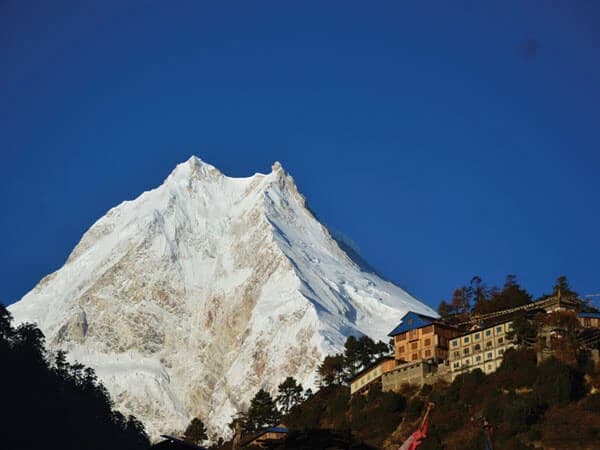
Need Help? Call Us.+977 9851001069