
The best peaks to climb in Nepal include Island Peak, Mera Peak, Lobuche East, Yala Peak, Pisang Peak, Chulu East, Chulu West, Naya Kanga, Tent Peak, and Ama Dablam. For beginners, Yala Peak and Mera Peak are often the best choices, while Island Peak and Lobuche East are ideal for climbers seeking technical alpine experience. Experienced mountaineers looking for advanced Himalayan peak climbing often target Ama Dablam, one of the most iconic climbing objectives in the world.
10 Best Peak Climbing in Nepal [2026]
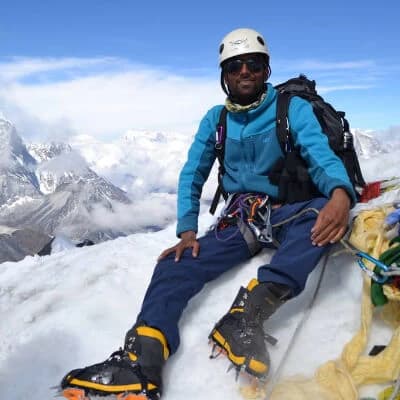
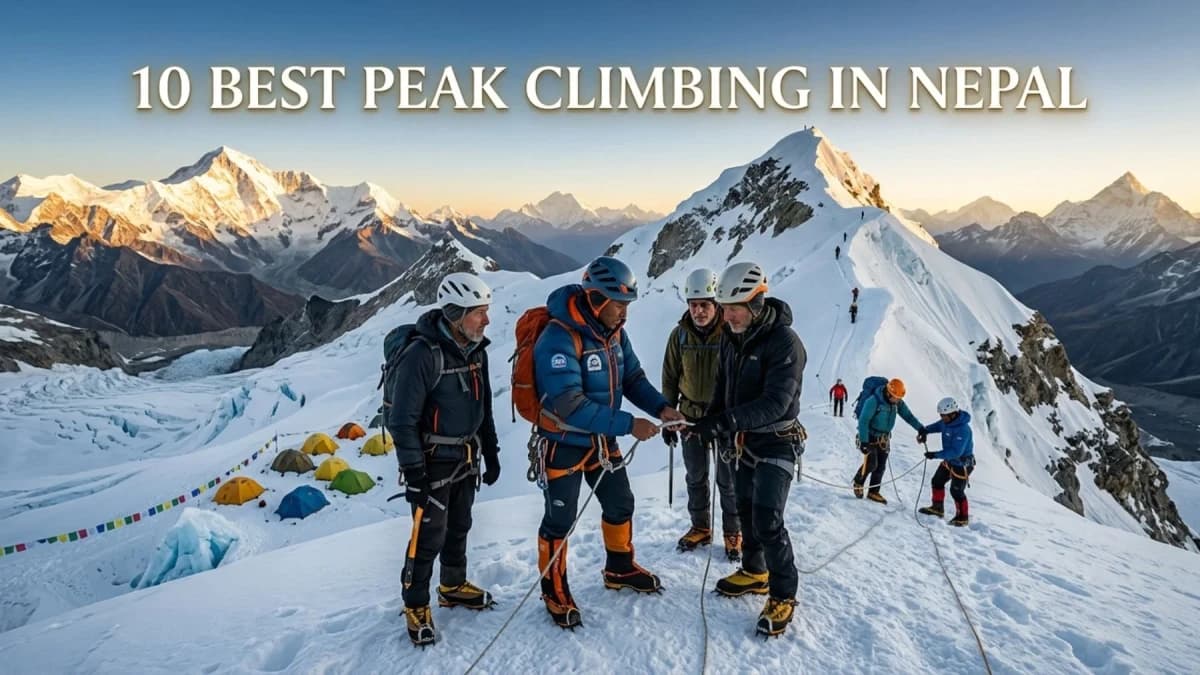
Nepal is the global center of peak climbing in Nepal, offering more than 300 mountains open for climbing and over 27 officially recognized trekking peaks. From beginner-friendly summits like Yala Peak (5,500–5,732m) to technical objectives such as Lobuche East (6,119m) and Ama Dablam (6,812m), Nepal provides a climbing challenge for every experience level. Whether you're looking for the best peak for beginners in Nepal, the best 6000m peak in Nepal, or training for higher Himalayan expeditions, choosing the right summit is essential.
This guide compares the 10 best peak climbing adventures in Nepal based on altitude, alpine grade, technical difficulty, glacier travel, fixed-rope requirements, duration, cost, acclimatization demands, and overall climbing experience.
Peak Climbing in Nepal at a Glance
| Factor | Details |
|---|---|
| Peak Height Range | 5,500m–6,800m+ |
| Best Seasons | Spring (Mar–May) & Autumn (Sep–Nov) |
| Experience Required | Beginner to Advanced |
| Typical Duration | 10–22 Days |
| Average Cost | Varies by peak and itinerary |
| Technical Equipment | Crampons, Ice Axe, Harness, Helmet, Jumar, Fixed Rope (peak dependent) |
| Alpine Grade Range | F to TD |
| Highest Popular Trekking Peak | Mera Peak (6,476m) |
| Permit Required | Yes |
| Guide Required | Yes (Current Nepal Regulations) |
| Acclimatization Required | Essential Above 3,500m |
| Common Risks | AMS, HAPE, HACE, Glacier Hazards & Weather Delays |
Quick Comparison: 10 Best Peak Climbing in Nepal
| Peak | Height | Difficulty | Duration | Technical Level | Best For |
|---|---|---|---|---|---|
| Island Peak | 6,189m | Moderate | 16–19 Days | Semi-Technical | First Technical Peak |
| Mera Peak | 6,476m | Moderate | 15–18 Days | Low Technical | Best 6000m Peak |
| Lobuche East | 6,119m | Challenging | 16–18 Days | Technical | Everest Training |
| Yala Peak | 5,500–5,732m | Easy | 10–12 Days | Non-Technical | Beginners |
| Pisang Peak | 6,091m | Challenging | 16–20 Days | Technical | Experienced Trekkers |
| Chulu East | 6,584m | Challenging | 18–21 Days | Technical | Annapurna Climbers |
| Chulu West | 6,419m | Hard | 18–22 Days | Technical | Serious Mountaineers |
| Naya Kanga | 5,844m | Moderate | 12–15 Days | Semi-Technical | Langtang Climbers |
| Tent Peak | 5,663m | Moderate | 12–15 Days | Semi-Technical | Annapurna Sanctuary |
| Ama Dablam | 6,812m | Expert | 25–35 Days | Highly Technical | Elite Climbers |
How We Ranked the Best Peak Climbing Adventures in Nepal?
To identify the Best Peak Climbing in Nepal, we evaluated each peak using objective mountaineering criteria rather than popularity alone.
| Ranking Factor | What We Evaluated |
|---|---|
| Technical Difficulty | Fixed ropes, glacier travel, ice climbing, exposure, and overall climbing complexity. |
| Summit Experience | Quality of summit views, sense of achievement, and overall climbing experience. |
| Popularity | Demand among climbers, expedition frequency, and overall reputation. |
| Scenic Value | Himalayan panoramas, surrounding landscapes, and photographic appeal. |
| Accessibility | Logistics, approach routes, transportation, and supporting infrastructure. |
| Success Rate | Typical summit success percentages under normal climbing conditions. |
| Climber Feedback | Experiences shared by climbers, guides, and expedition operators. |
| Training Value | Suitability as preparation for Everest and other high-altitude expeditions. |
The 10 Best Peak Climbing in Nepal
1. Island Peak Climbing (6,189m)
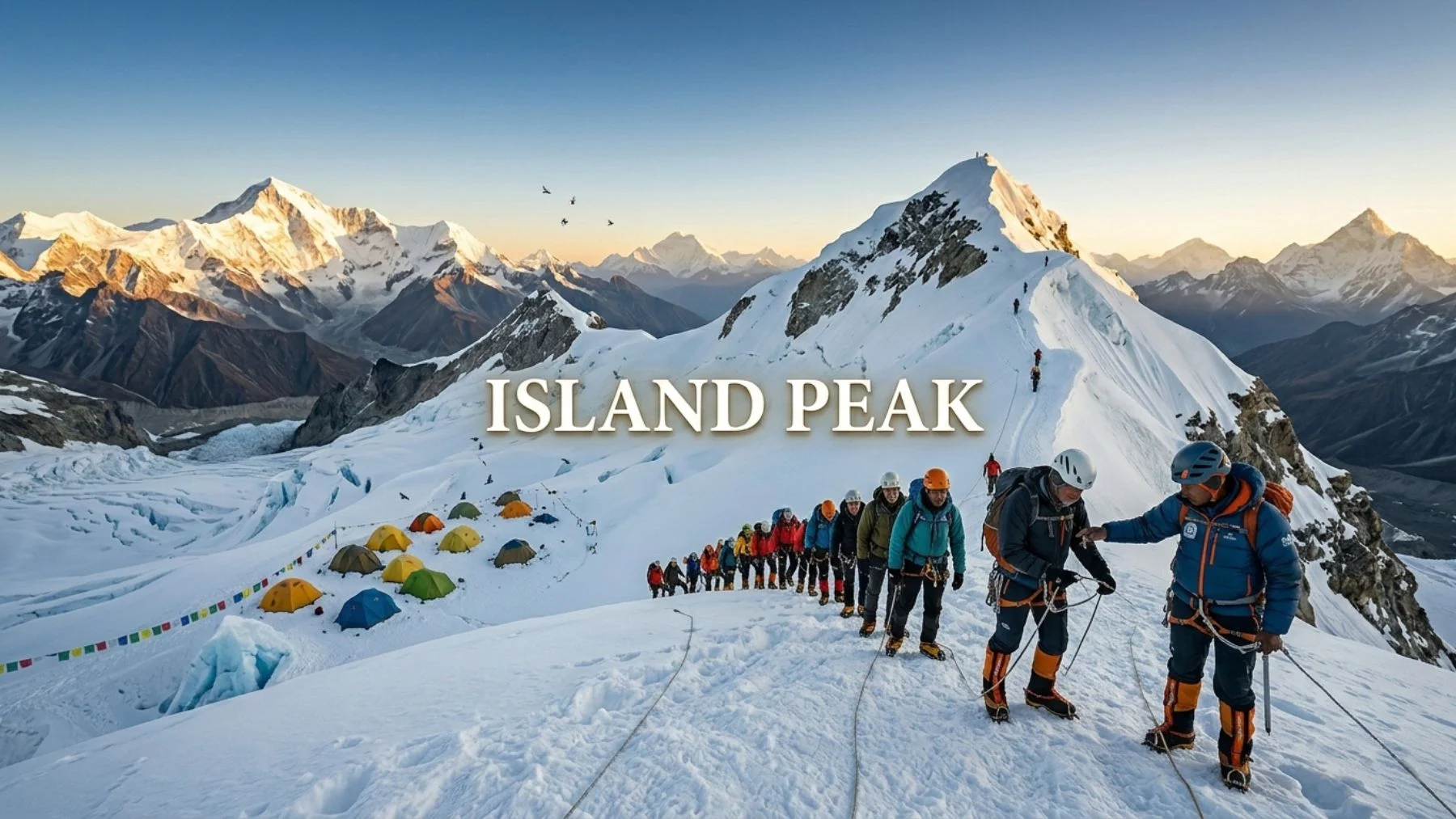
Island Peak Climbing is the most popular Peak Climbing in Nepal for trekkers transitioning into mountaineering. Located in the Everest region, it combines glacier travel, fixed ropes, crevasse crossings, and a steep 45–50° summit headwall, making it an excellent first technical climb.
- Why Climbers Love It: Everest scenery, technical experience, and integration with the Everest Base Camp Trek.
- Difficulty: Moderate (Alpine Grade AD)
- Technical Skills Required: Crampons, ice axe, fixed rope ascent, jumar use, glacier travel.
- Summit Experience: Panoramic views of Lhotse, Nuptse, Ama Dablam, Makalu, and surrounding Everest peaks.
- Best For: Trekkers seeking their first technical summit.
- Pros: Excellent Everest training, highly rewarding summit, strong success rate.
- Cons: Long summit day, exposed headwall, crowded during peak seasons.
Quick Facts
| Factor | Details |
|---|---|
| Height | 6,189m |
| Alpine Grade | AD |
| Technical Level | Semi-Technical |
| Duration | 16–19 Days |
| Best Season | Spring & Autumn |
| Best For | First Technical Peak |
Climber Verdict: One of the Best Peaks to Climb in Nepal for aspiring mountaineers.
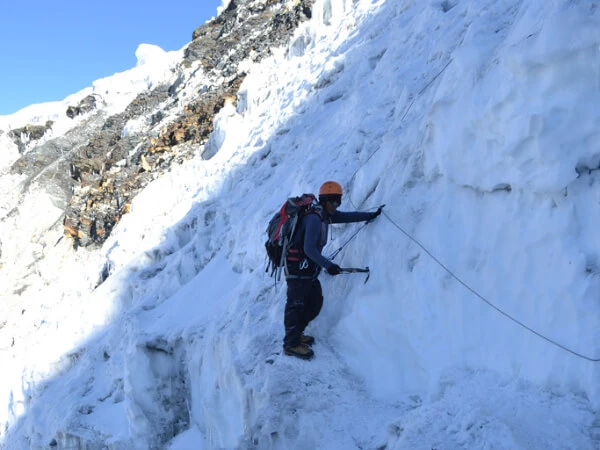
2. Mera Peak Climbing (6,476m)
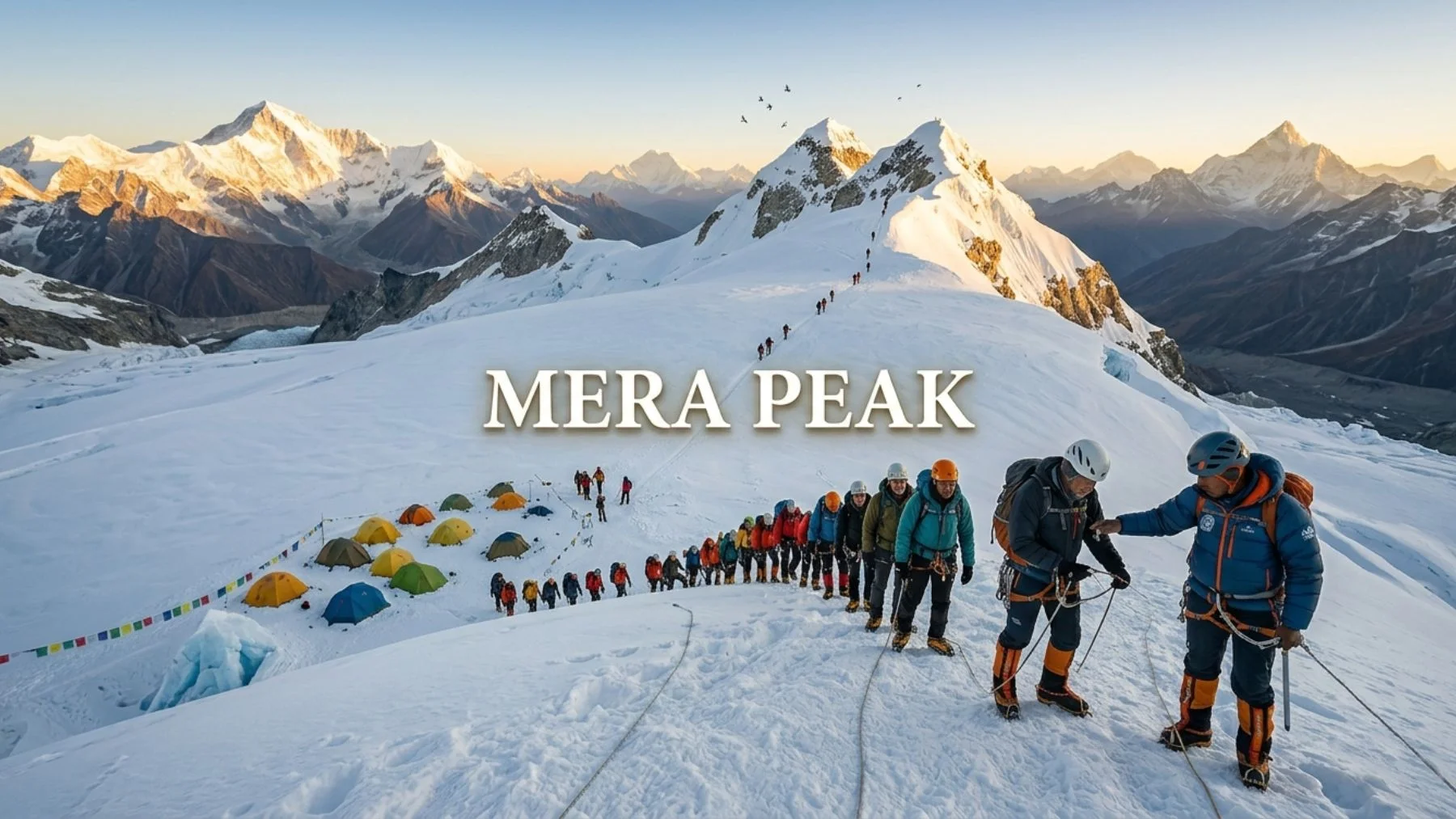
Mera Peak Climbing is widely considered the Best 6000m Peak in Nepal. Although it is Nepal's highest trekking peak, it is less technical than Island Peak and focuses more on altitude, endurance, and glacier travel.
- Why Climbers Love It: Highest trekking peak in Nepal and views of Everest, Lhotse, Makalu, Cho Oyu, and Kanchenjunga from the summit.
- Difficulty: Moderate (Alpine Grade PD)
- Technical Requirements: Basic crampon use, rope travel, glacier crossing.
- Who Is It For? Climbers looking for their first 6,000m+ summit.
- Pros: Less technical, outstanding summit panorama, high success rate.
- Cons: Significant altitude challenge and long approach.
Quick Facts
| Factor | Details |
|---|---|
| Height | 6,476m |
| Alpine Grade | PD |
| Technical Level | Low Technical |
| Duration | 15–18 Days |
| Best Season | Spring & Autumn |
| Best For | First 6000m Summit |
Climber Verdict: The top choice for climbers seeking a high-altitude Nepal Peak Climbing experience without advanced technical difficulty.
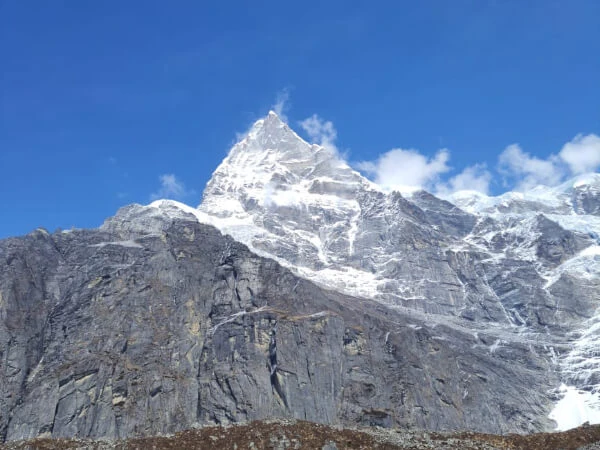
3. Lobuche East Peak Climbing (6,119m)
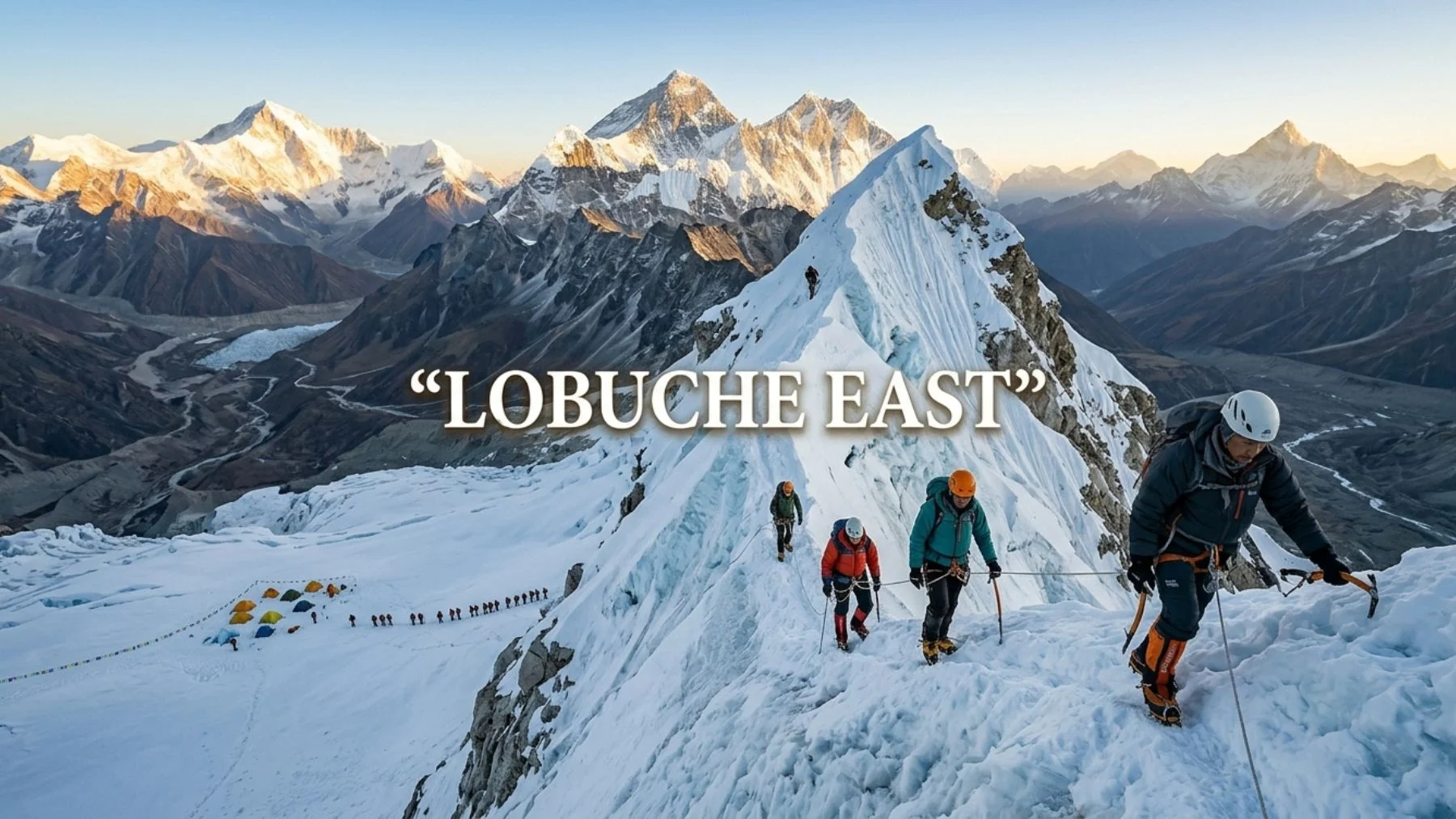
Lobuche East Peak Climbing is often regarded as the Best Peak for Everest Training due to its technical terrain, exposed summit ridge, and proximity to Everest Base Camp.
- Why It Is Popular: Provides excellent preparation for larger Himalayan expeditions.
- Difficulty: Challenging (Alpine Grade PD+)
- Technical Features: Fixed ropes, glacier sections, mixed terrain, exposed summit ridge.
- Who Should Attempt It? Experienced trekkers and climbers preparing for Everest or other major expeditions.
- Pros: Exceptional training peak, Everest-region scenery, technical climbing experience.
- Cons: More demanding than Island Peak and Mera Peak.
Quick Facts
| Factor | Details |
|---|---|
| Height | 6,119m |
| Alpine Grade | PD+ |
| Technical Level | Technical |
| Duration | 16–18 Days |
| Best Season | Spring & Autumn |
| Best For | Everest Preparation |
Climber Verdict: One of the most respected Trekking Peaks in Nepal for serious climbers.
4. Yala Peak Climbing (5,500–5,732m)
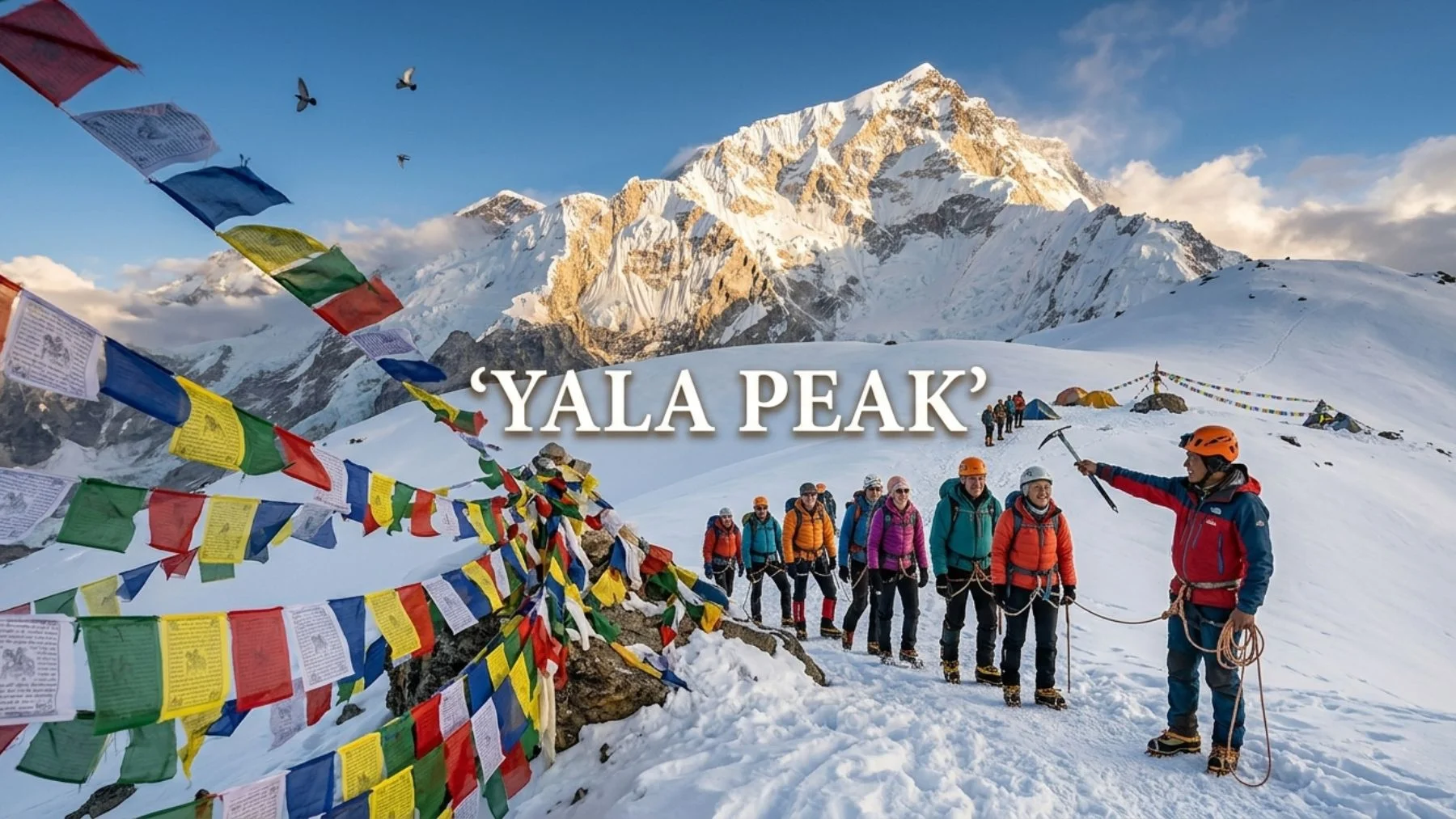
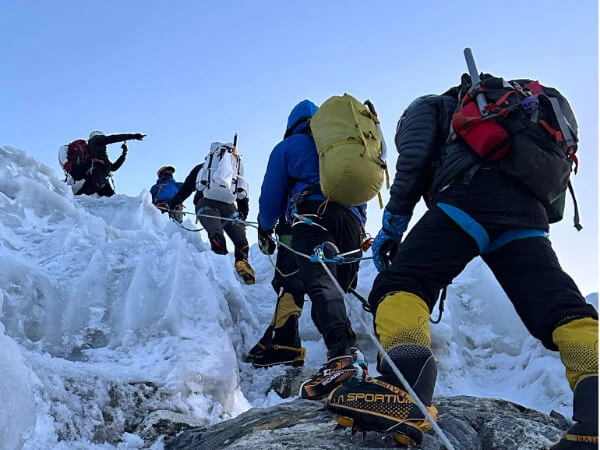
Yala Peak Climbing is widely recognized as the Best Peak for Beginners in Nepal and one of the easiest introductions to Himalayan mountaineering. Located in the Langtang region, it requires minimal technical climbing while still delivering a genuine summit experience.
- Why It Is Ideal for First-Time Climbers: No major technical sections, shorter itinerary, and excellent acclimatization profile.
- Difficulty: Easy (Alpine Grade F)
- Technical Requirements: Basic trekking fitness; technical gear is rarely required in normal conditions.
- Langtang Experience: Spectacular views of Langtang Lirung, Dorje Lakpa, Shishapangma, and the surrounding Himalayas.
Quick Facts
| Factor | Details |
|---|---|
| Height | 5,500–5,732m |
| Alpine Grade | F |
| Technical Level | Non-Technical |
| Duration | 10–12 Days |
| Best Season | Spring & Autumn |
| Best For | Beginners |
Climber Verdict: The leading option for Beginner Peak Climbing Nepal and one of the safest introductions to Himalayan Peak Climbing.
5. Pisang Peak Climbing (6,091m)
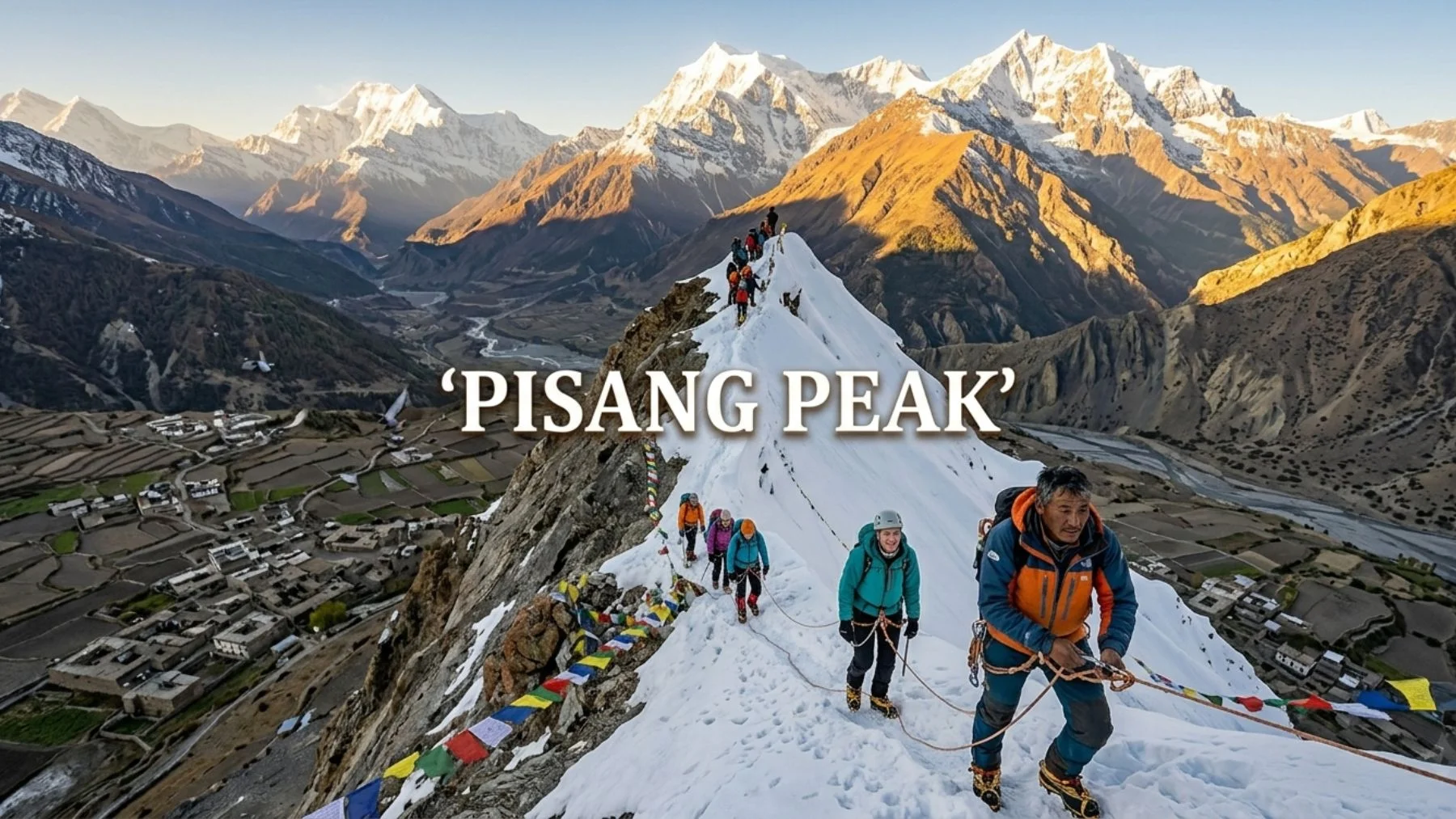
Pisang Peak Climbing is one of the most technical Annapurna Peak Climbing adventures and a significant step up from beginner trekking peaks. The climb combines the Annapurna Circuit Trek with glacier travel, steep snow slopes, fixed rope sections, and a high camp ascent.
The summit route above High Camp involves slopes of 35–45°, where climbers typically use crampons, ice axes, harnesses, and fixed ropes. The final summit ridge can be exposed and requires good balance and rope techniques.
- Difficulty: Challenging (PD+)
- Success Rate: 70–80% (weather dependent)
| Factor | Details |
|---|---|
| Height | 6,091m |
| Alpine Grade | PD+ |
| Summit Day | 8–12 Hours |
| Duration | 16–20 Days |
| Technical Level | Technical |
| Maximum Camp | High Camp (~5,400m) |
| Best For | Experienced Trekkers |
Best For: Trekkers looking to transition into technical alpine climbing before attempting Lobuche East or Ama Dablam.
6. Chulu East Peak Climbing (6,584m)
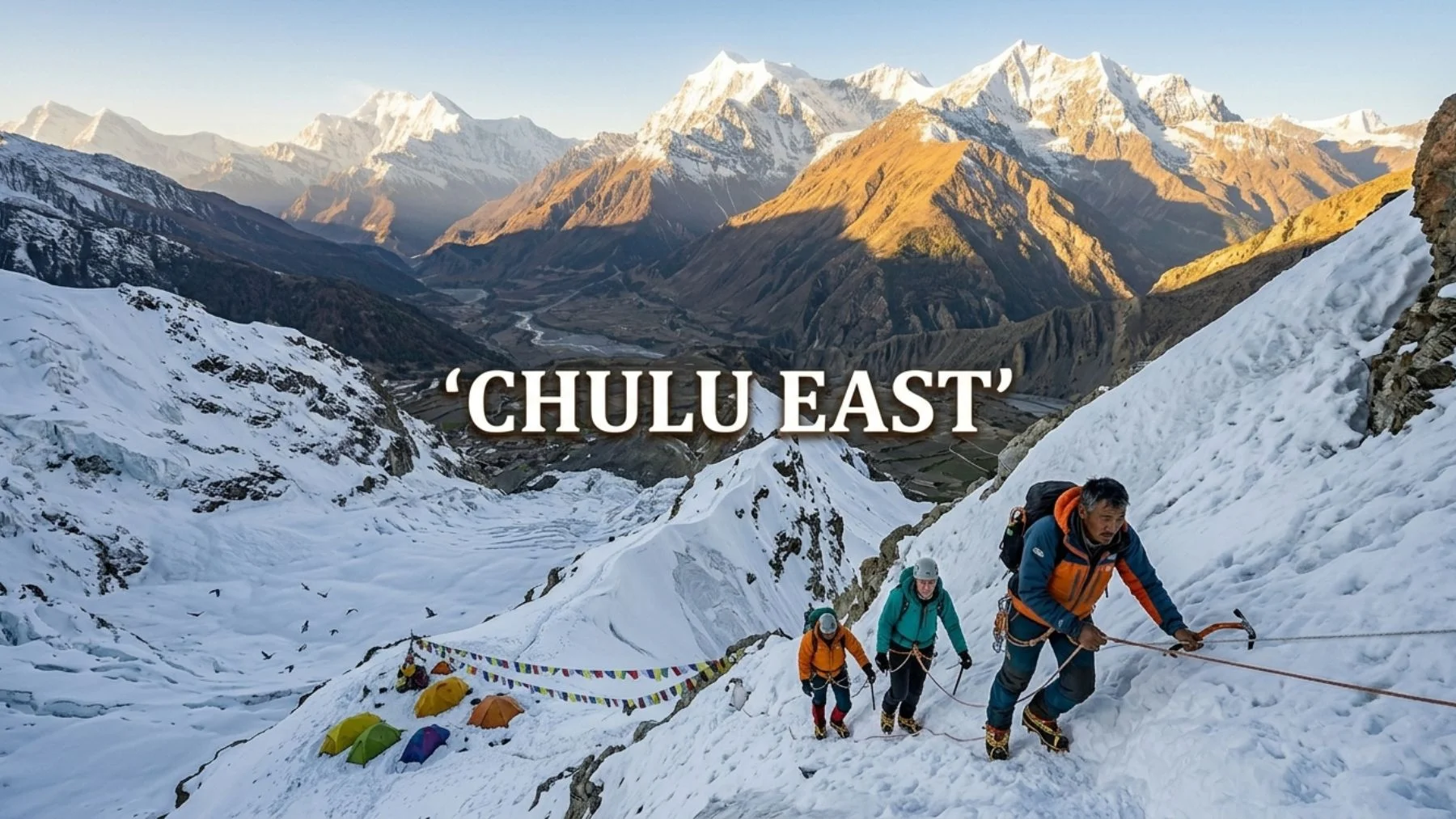
Chulu East Peak Climbing is one of the highest and most rewarding Trekking Peaks in Nepal. Interestingly, it stands higher than Island Peak, yet many climbers find it slightly less technical. The primary challenge is altitude rather than steep climbing.
The route involves glacier crossings, snowfields, rope travel, and crevasse awareness. Climbers typically establish a High Camp around 5,300–5,500m before the summit push.
- Difficulty: Challenging (PD)
| Factor | Details |
|---|---|
| Height | 6,584m |
| Alpine Grade | PD |
| Summit Day | 9–12 Hours |
| Duration | 18–21 Days |
| Technical Level | Technical |
| High Camp | ~5,400m |
| Best For | Annapurna Climbers |
Technical Requirements: Glacier travel, crampon techniques, fixed rope usage, and altitude management above 6,000m.
7. Chulu West Peak Climbing (6,419m)
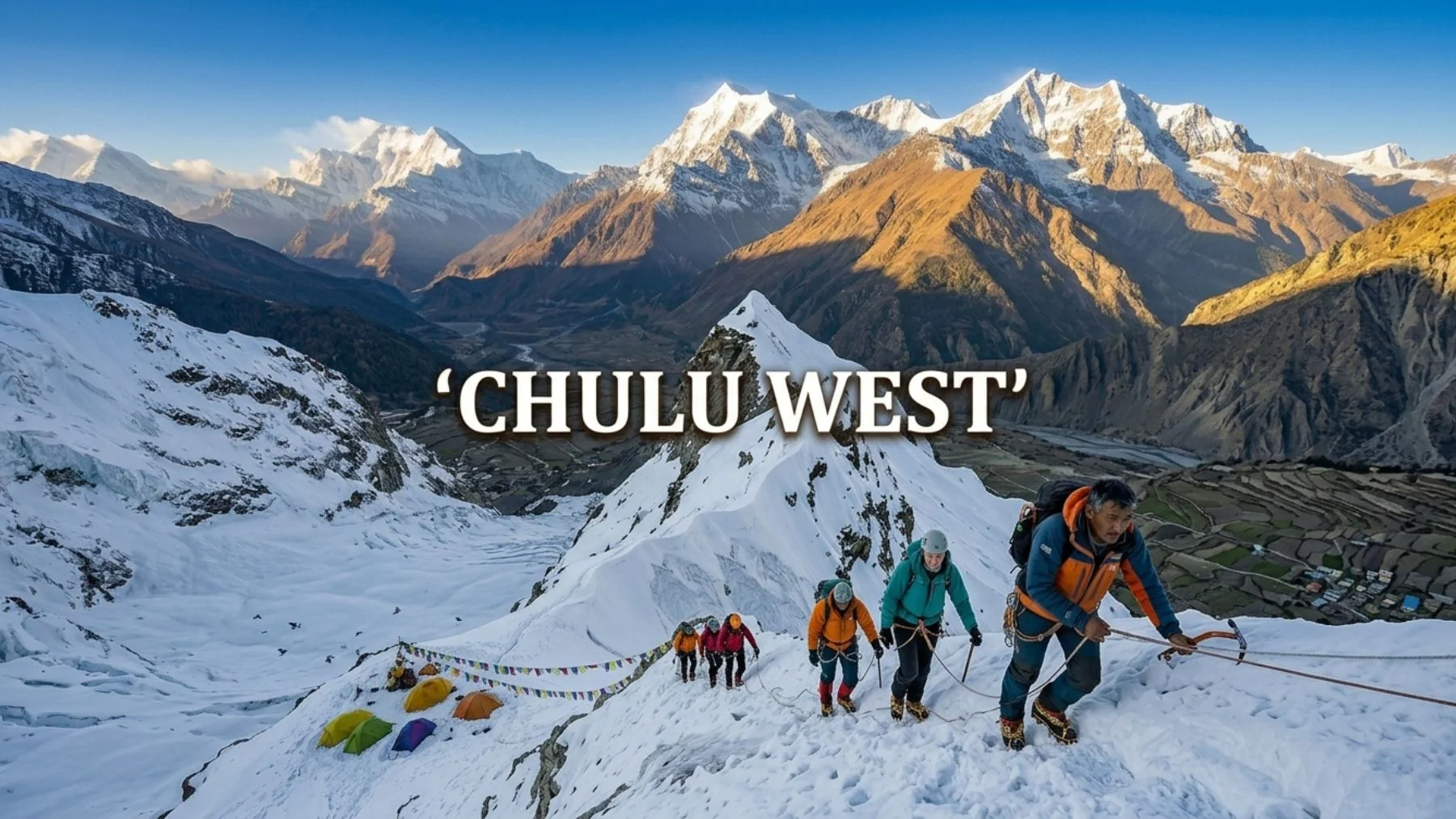
Chulu West Peak Climbing is considered one of the most demanding Nepal Trekking Peaks due to its remoteness, route complexity, and lower summit success rate. Unlike Chulu East, climbers face longer glacier sections, steeper snow slopes, and more objective hazards.\
The climb typically includes fixed ropes, crevasse navigation, rope-team travel, and advanced snow climbing techniques.
- Difficulty: Hard (AD)
| Factor | Details |
|---|---|
| Height | 6,419m |
| Alpine Grade | AD |
| Summit Day | 10–14 Hours |
| Duration | 18–22 Days |
| Technical Level | Advanced Technical |
| Success Rate | 60–70% |
| Best For | Serious Mountaineers |
Technical Requirements: Prior experience with fixed ropes, glacier travel, and climbing above 6,000m is strongly recommended.
8. Naya Kanga Peak Climbing (5,844m)
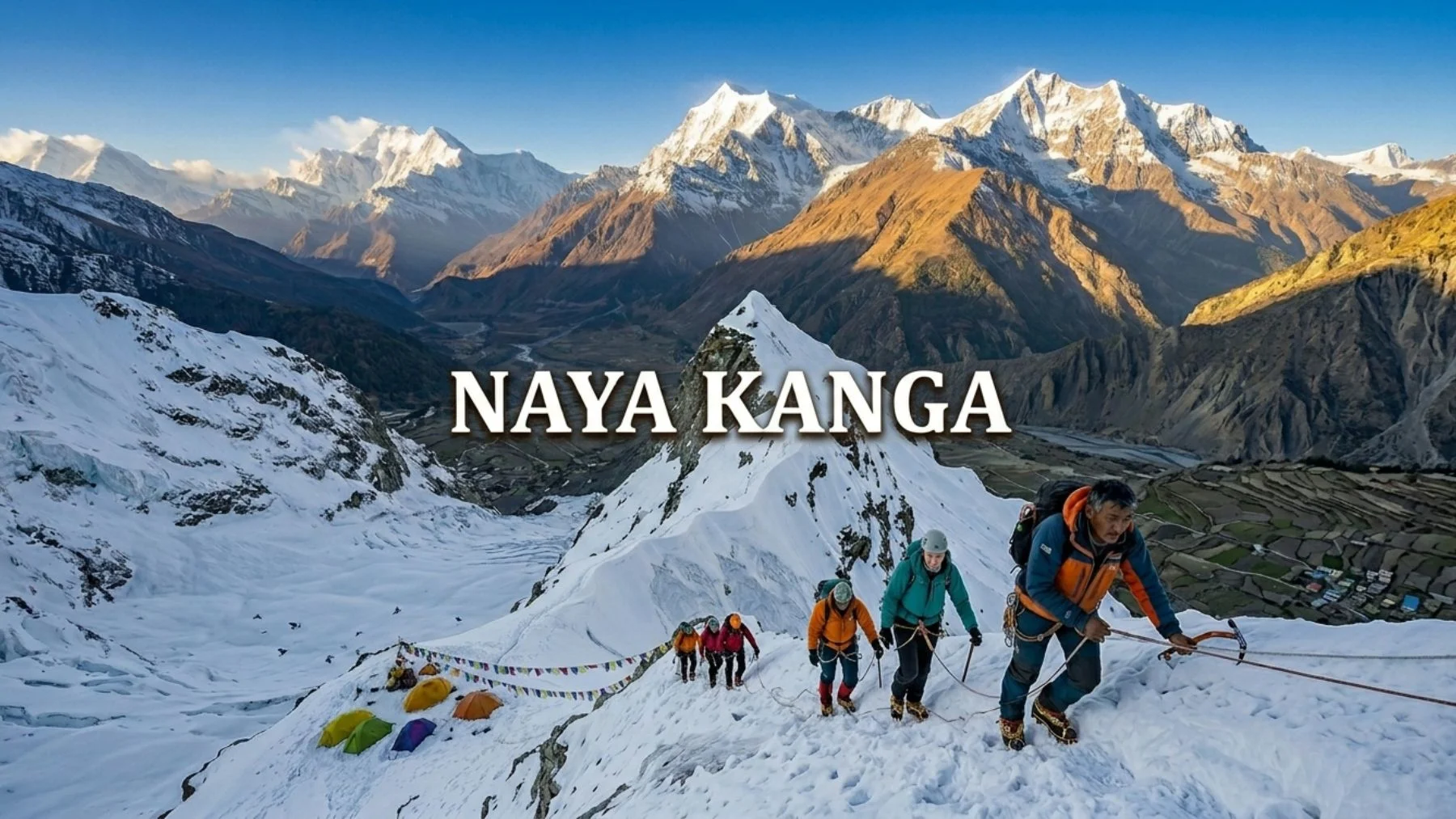
Also known as Ganja La Chuli, Naya Kanga Peak Climbing is one of the finest introductory alpine climbs in the Langtang region. While lower than many Best Peaks to Climb in Nepal, it still requires technical equipment and proper acclimatization.
The summit involves snow slopes of 30–40°, rope travel, and basic mountaineering techniques. Most climbers use crampons and ice axes during the final ascent.
| Factor | Details |
|---|---|
| Height | 5,844m |
| Alpine Grade | PD |
| Summit Day | 7–10 Hours |
| Duration | 12–15 Days |
| Technical Level | Semi-Technical |
| Success Rate | 75–85% |
| Best For | Intermediate Climbers |
Best For: Climbers progressing from Yala Peak toward more technical Himalayan climbing objectives.
9. Tent Peak Climbing (5,663m)
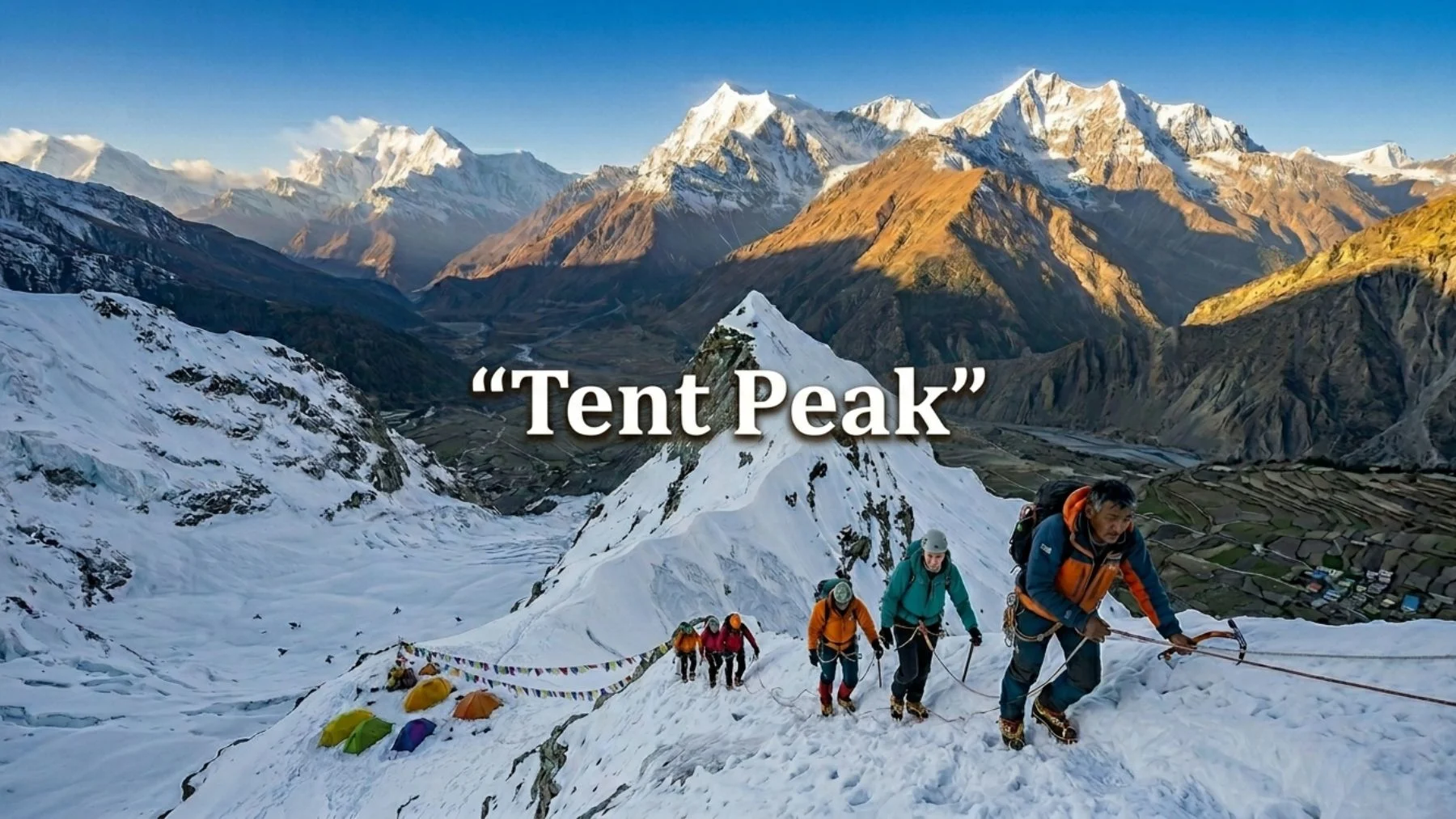
Tent Peak Climbing, also known as Tharpu Chuli Climbing, is one of the most accessible climbing objectives inside the Annapurna Sanctuary. A major advantage is that it currently does not require an NMA royalty permit, making it one of the most cost-effective Peak Climbing Packages in Nepal.
The route includes glacier travel, snow climbing, and basic fixed-rope sections. While not highly technical, climbers should be comfortable using crampons and moving on snow-covered terrain.
| Factor | Details |
|---|---|
| Height | 5,663m |
| Alpine Grade | PD |
| Summit Day | 6–9 Hours |
| Duration | 12–15 Days |
| Technical Level | Semi-Technical |
| Success Rate | 80–90% |
| Best For | Beginner–Intermediate Climbers |
Technical Requirements: Basic crampon skills, ice axe usage, and glacier awareness.
10. Ama Dablam Expedition (6,812m)
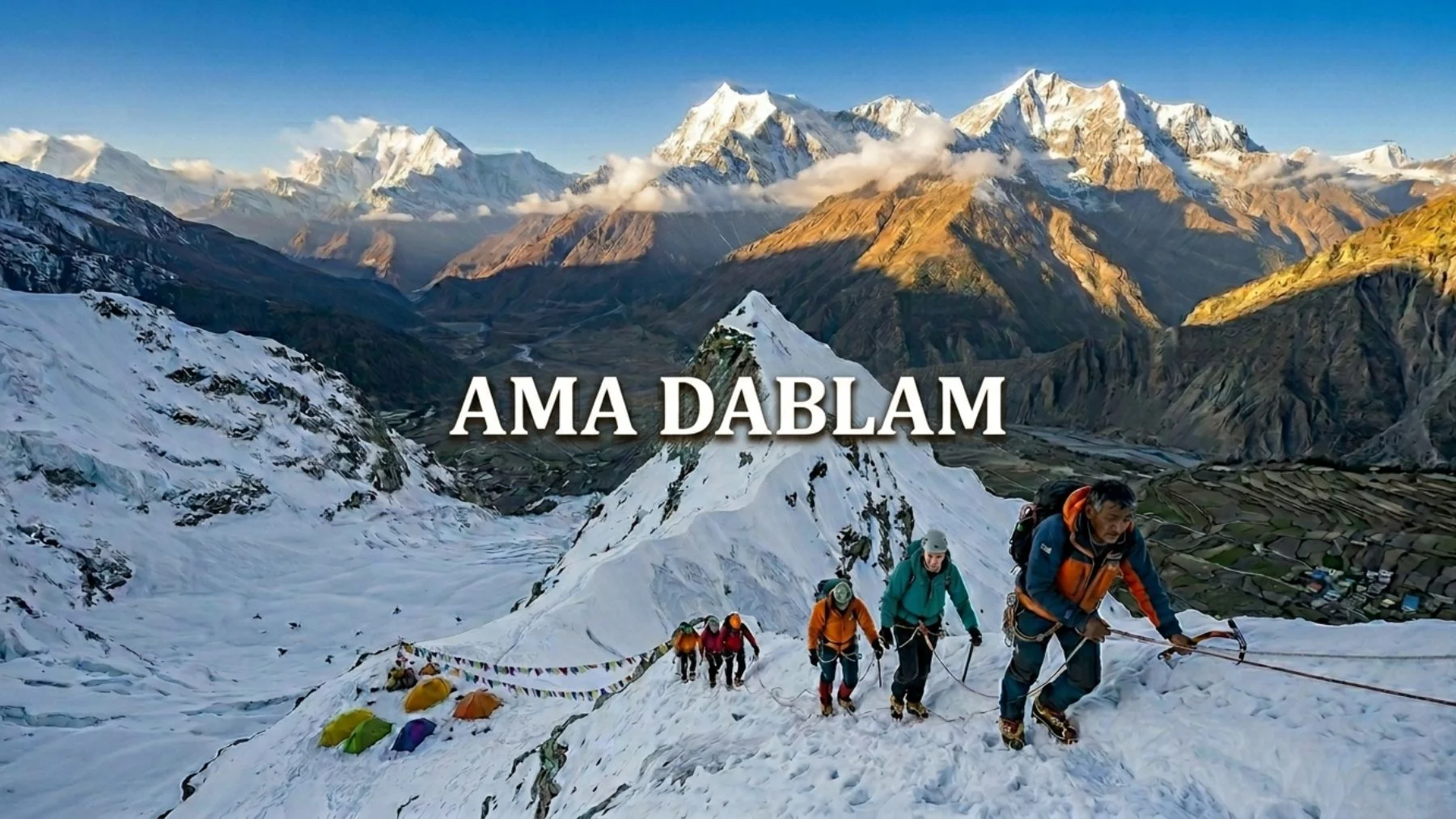
The Ama Dablam Expedition is widely regarded as the ultimate objective in Technical Peak Climbing Nepal. Unlike standard Peak Climbing in Nepal, Ama Dablam is a true alpine expedition involving steep rock climbing, mixed terrain, exposed ridges, ice climbing, and multiple high-altitude camps.
The route normally progresses through Camp I (~5,700m), Camp II (~6,000m), and Camp III (~6,300m) before the summit push. Climbers must negotiate steep rock sections, fixed ropes, exposed traverses, and technical ice terrain.
Why It Is Nepal's Most Beautiful Mountain
Ama Dablam's iconic pyramid shape dominates the Everest region and is often considered the most aesthetically beautiful mountain in the Himalayas.
Technical Requirements
- Advanced fixed-rope climbing
- Rock climbing proficiency
- Ice climbing experience
- Jumar ascending and rappelling
- Multi-day expedition experience
- Previous 6,000m summit experience
Experience Needed
Most guides recommend successful ascents of Island Peak, Lobuche East, Chulu East, or similar peaks before attempting Ama Dablam.
Who Should NOT Attempt It?
- First-time climbers
- Beginners
- Trekkers without technical climbing experience
- Climbers lacking fixed-rope or alpine climbing skills
| Factor | Details |
|---|---|
| Height | 6,812m |
| Alpine Grade | D–TD |
| Summit Day | 10–16 Hours |
| Expedition Length | 25–35 Days |
| Technical Level | Highly Technical |
| Camps | Base Camp, Camp I, Camp II & Camp III |
| Best For | Elite Climbers |
Climber Verdict: One of the most prestigious Himalayan Climbing Adventures in the world and a true test of alpine climbing skill, endurance, and high-altitude experience.
Explore More
Discover More Treks, Tours & Adventures in Nepal
From scenic Himalayan treks and cultural journeys to helicopter tours and thrilling outdoor adventures, find your next unforgettable experience with Recreation Holidays.
Which Peak Is Right for You?
Choosing the right summit is one of the most important decisions in Peak Climbing in Nepal. Your ideal peak should match your fitness level, altitude experience, technical skills, and long-term mountaineering goals.
| Climber Type | Recommended Peaks | Why? |
|---|---|---|
| Complete Beginner | Yala Peak, Mera Peak | Minimal technical difficulty, high success rates, and an ideal introduction to Himalayan peak climbing. |
| Everest Base Camp Trekkers | Island Peak, Lobuche East | Develops fixed-rope techniques, glacier travel skills, and high-altitude summit experience. |
| First 6000m Summit | Mera Peak, Island Peak | Excellent acclimatization profile with realistic and rewarding summit objectives. |
| Everest Preparation | Lobuche East, Chulu East | Provides technical terrain, altitude exposure, and expedition-style climbing experience. |
| Technical Challenge | Pisang Peak, Chulu West, Ama Dablam | Ideal for experienced climbers seeking advanced mountaineering and exposed alpine terrain. |
| Best Summit Views | Mera Peak, Island Peak, Ama Dablam | Offers breathtaking Himalayan panoramas and some of Nepal's most iconic mountain scenery. |
Quick Recommendations
- Best Peak for Beginners in Nepal: Yala Peak Climbingz
- Best 6000m Peak in Nepal: Mera Peak Climbing (6,476m)
- Most Popular Peak Climbing in Nepal: Island Peak Climbing
- Best Peak for Everest Training: Lobuche East Peak Climbing
- Best Technical Peak Climbing Nepal: Ama Dablam Expedition
Also read: MICE Tourism in Nepal
Difficulty Ranking of Nepal's Most Popular Climbing Peaks
Difficulty in Peak Climbing Nepal depends on multiple factors, including altitude, alpine grade, glacier travel, fixed-rope climbing, summit exposure, technical terrain, and acclimatization requirements.
| Rank | Peak | Difficulty | Alpine Grade | Key Technical Challenges |
|---|---|---|---|---|
| 1 | Yala Peak | Easy | F | Basic snow slopes with minimal technical climbing. |
| 2 | Mera Peak | Easy–Moderate | PD | High-altitude ascent, glacier travel, and crampon use. |
| 3 | Naya Kanga | Moderate | PD | Snow climbing, rope travel, and a narrow summit ridge. |
| 4 | Tent Peak | Moderate | PD | Glacier travel with basic fixed-rope sections. |
| 5 | Island Peak | Moderate | AD | Crevasses, ladder crossings, and a 45–50° headwall climb. |
| 6 | Lobuche East | Challenging | PD+ | Exposed summit ridge, fixed ropes, and mixed snow-rock terrain. |
| 7 | Pisang Peak | Challenging | PD+ | Steep snow slopes and a technical summit section. |
| 8 | Chulu East | Hard | PD | Extreme altitude, glacier terrain, and a demanding summit day. |
| 9 | Chulu West | Hard | AD | Advanced glacier travel with significant crevasse hazards. |
| 10 | Ama Dablam | Expert | D–TD | Technical rock, ice, and mixed climbing on a multi-camp expedition. |
Recommended: Top 10 Reasons to Visit Upper Mustang in Nepal
Technical Skills Required for Peak Climbing in Nepal
The Best Peak Climbing in Nepal options require different levels of mountaineering competence. Climbers should understand that altitude alone does not determine difficulty technical terrain and climbing systems are equally important.
| Technical Skill | Mera Peak | Island Peak | Lobuche East | Chulu Peaks | Ama Dablam |
|---|---|---|---|---|---|
| Crampon Walking | ✓ | ✓ | ✓ | ✓ | ✓ |
| Ice Axe Use | ✓ | ✓ | ✓ | ✓ | ✓ |
| Rope Team Travel | ✓ | ✓ | ✓ | ✓ | ✓ |
| Glacier Travel | ✓ | ✓ | ✓ | ✓ | ✓ |
| Crevasse Awareness | ✓ | ✓ | ✓ | ✓ | ✓ |
| Fixed Rope Ascending | Limited | ✓ | ✓ | ✓ | Extensive |
| Jumar Ascending | Optional | ✓ | ✓ | ✓ | Extensive |
| Rappelling | No | Basic | Basic | Moderate | Advanced |
| Rock Climbing Skills | No | Limited | Limited | Limited | Essential |
| Ice Climbing Skills | No | Basic | Basic | Moderate | Advanced |
All Nepal Peak Climbing expeditions require permits issued by the Nepal Mountaineering Association (NMA) and relevant conservation authorities.
| Permit Type | Purpose |
|---|---|
| NMA Climbing Permit | Mandatory permit for climbing designated trekking peaks in Nepal. |
| National Park Permit | Required for protected areas such as Sagarmatha, Annapurna, Langtang, and other national parks. |
| Restricted Area Permit | Required when climbing or trekking in designated restricted regions of Nepal. |
| TIMS Card* | May be required depending on the trekking route and current regulations. |
| Licensed Guide | Mandatory under current Nepal government trekking and climbing regulations. |
Best Season for Peak Climbing in Nepal
Weather, snow conditions, and visibility significantly affect summit success during Nepal Climbing Expeditions.
| Season | Conditions | Recommendation |
|---|---|---|
| Spring (Mar–May) | Stable weather, warmer temperatures, and excellent climbing conditions. | Best |
| Autumn (Sep–Nov) | Clear skies, dry trails, and outstanding mountain visibility. | Best |
| Winter (Dec–Feb) | Extreme cold, heavy snowfall, and more technical climbing conditions. | Experienced Climbers Only |
| Monsoon (Jun–Aug) | Frequent rainfall, poor visibility, and unstable mountain conditions. | Not Recommended |
Technical Seasonal Considerations
- Spring: Best snow stability and highest summit success rates.
- Autumn: Clearest mountain views and drier climbing conditions.
- Winter: Increased avalanche risk, extreme wind chill, and deeper snow.
- Monsoon: Glacier instability, cloud cover, and frequent flight disruptions.
Don’t miss: Kailash Mansarovar Yatra Cost 2026-27
Conclusion
From beginner-friendly summits like Yala Peak and Mera Peak to technical objectives such as Island Peak, Lobuche East, and Ama Dablam, Nepal offers some of the world's finest peak climbing adventures. The best peak for you depends on your experience, technical skills, fitness, and mountaineering goals. With proper preparation and acclimatization, Peak Climbing in Nepal delivers an unforgettable Himalayan summit experience.
Also explore: Top 10 Best Waterfalls Near Kathmandu
Why Choose Recreation Holidays?
Recreation Holidays specializes in professionally guided Peak Climbing in Nepal, offering expert support, experienced climbing guides, and carefully planned itineraries. Alongside popular climbs such as Island Peak, Mera Peak, and Lobuche East, we also offer the Everest Base Camp Trek, Everest Three Passes Trek, Gokyo Lakes Trek, Annapurna Base Camp Trek, Annapurna Circuit Trek, Langtang Valley Trek, Manaslu Circuit Trek, Mardi Himal Trek, and the sacred Kailash Mansarovar Yatra. Whether you're pursuing your first summit or a challenging Himalayan expedition, we're here to help you achieve it safely and successfully.
Before You Go, Don't Miss These Helpful Guides
Truth About Dead Bodies on Mount Everest
Where Is Nepal Located in Asia?
Tragic Story of Everest's Sleeping Beauty
Need Help? Call Us+977 9851001069orChat with us on WhatsApp
Latest Travel Blogs
News and Events
Dashain 2026: Festival Dates, Tika Time, Rituals & Celebration Guide
Sep 24, 2026By Hari
News and Events
Rainbow Valley Everest | Death Zone of Mount Everest
Sep 17, 2026By Hari
Travel Tips
20 Best Things to Do in Pokhara, Nepal [2027 Guide]
Sep 12, 2026By Hari
Need Help? Call Us.+977 9851001069