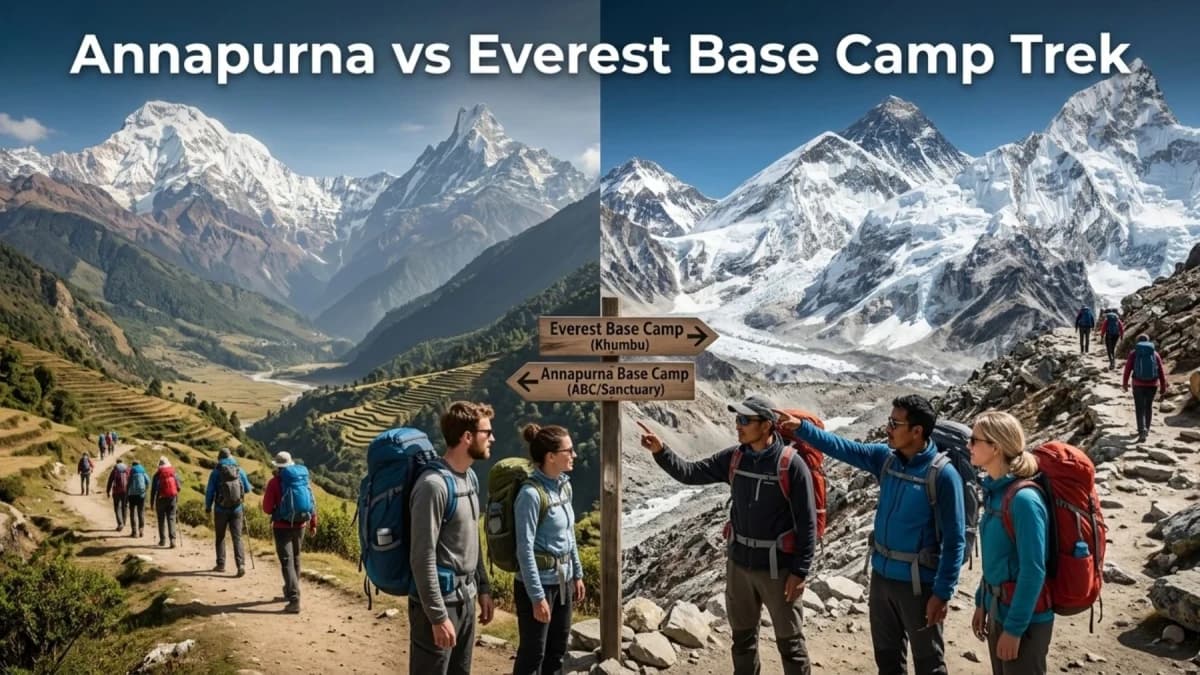
Everest Base Camp vs Annapurna Base Camp : Quick Comparison
| Feature |
Everest Base Camp (EBC) |
Annapurna Base Camp (ABC) |
| Duration |
12–16 days (standard ~14 days) |
7–12 days (standard ~10 days) |
| Max Altitude |
5,364 m (Base Camp) + 5,555 m (Kala Patthar) |
4,130 m (Base Camp) |
| Difficulty |
Moderately difficult to challenging (altitude-heavy) |
Moderate (physically demanding but lower altitude) |
| Cost |
$1,190 – $1,670 (guided) |
$680 – $790 (guided) |
| Accessibility |
Flight to Lukla required (weather delays common) |
Easy access via Pokhara (road or short flight) |
| Crowds |
High, especially in peak seasons |
Moderate, less crowded overall |
| Scenery Type |
Alpine, glaciers, rugged high-altitude landscapes |
Diverse forests, villages, and mountain amphitheater |
| Accommodation |
Basic teahouses, limited comfort at higher altitude |
Better lodges, more comfort and facilities |
Which Trek Is Right for You? (Decision Guide)
If you are a beginner, short on time, or traveling on a budget, the Annapurna Base Camp trek is the better choice due to its lower altitude, shorter duration, and easier accessibility from Pokhara without the need for a Lukla flight. It is also ideal for those concerned about altitude sickness in Nepal, as it involves less exposure above 4,000 meters and does not require mandatory acclimatization days.
On the other hand, if your goal is to experience the world’s highest mountain, seek a more challenging high-altitude adventure, or complete a bucket-list journey, then the Everest Base Camp trek is the right option, offering dramatic alpine scenery, iconic viewpoints like Kala Patthar, and a deeper immersion into the Everest region. For photographers and scenery lovers, both treks are exceptional. Annapurna offers diverse landscapes and cultural variety, while Everest delivers raw, rugged beauty and glacier-dominated views.
Trek Overview (Annapurna Base Camp & Everest Base Camp)
Everest Base Camp Trek is a high-altitude journey in the Everest region inside Sagarmatha National Park, reaching up to 5,364 meters with additional ascent to Kala Patthar at 5,555 meters. It offers a raw alpine experience with glaciers, rugged terrain, and deep immersion into Sherpa culture, but requires a Lukla flight, proper acclimatization trekking, and a longer 12–16 day commitment.
Annapurna Base Camp Trek is a more accessible and diverse trek in the Annapurna Conservation Area, reaching 4,130 meters while passing through forests, villages, and mountain landscapes. Starting from Pokhara, it is shorter (7–12 days), more flexible, and ideal for trekkers seeking a balanced experience of nature, culture, and comfort with lower altitude risk.
Detailed Comparison: Everest Base Camp vs Annapurna Base Camp Trek
1. Accessibility & Starting Point
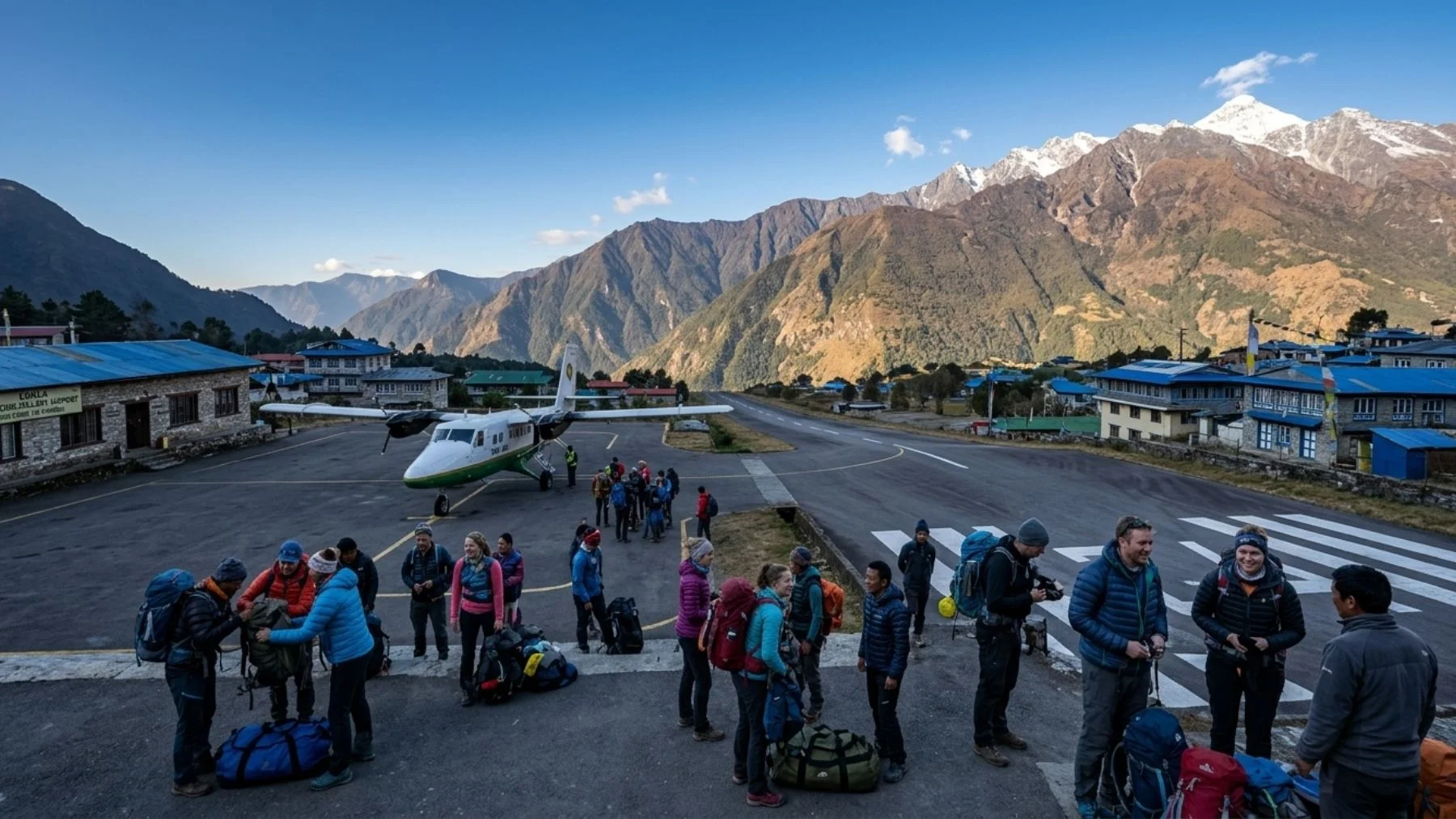
The Everest Base Camp trek begins with a flight from Kathmandu (or Ramechhap) to Lukla, which takes around 35–40 minutes but is highly weather-dependent, often causing delays or cancellations. This adds both uncertainty and cost to the journey. In contrast, the Annapurna Base Camp trek starts with a much more reliable route via Pokhara, accessible by a 25-minute flight or a 6–8 hour drive, followed by road access to the trailhead.
This makes ABC significantly easier in terms of logistics and planning, especially for first-time trekkers. ABC offers easier and more reliable access, while EBC provides a more adventurous start with the Lukla flight.
2. Duration & Time Required
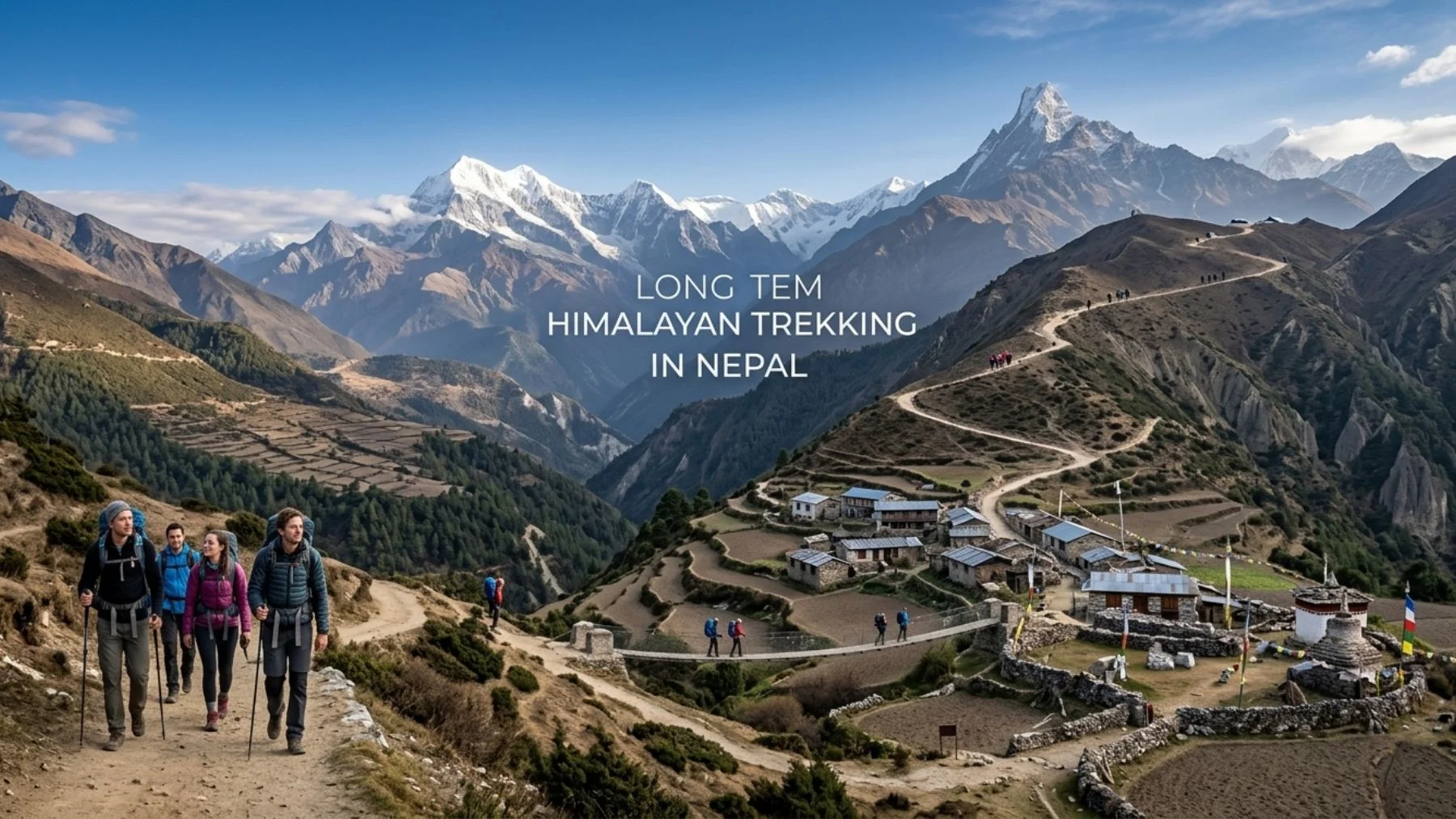
The Everest Base Camp trek typically takes 12–16 days, including at least 2 mandatory acclimatization days due to prolonged time above 4,000 meters. In comparison, the Annapurna Base Camp trek can be completed in 7–12 days, with flexible route options and no required acclimatization rest days. This makes ABC more suitable for those with limited time, while EBC requires a longer commitment for safety and proper altitude adjustment. ABC is shorter and more flexible, while EBC requires more time for acclimatization and safety.
3. Difficulty & Physical Challenge
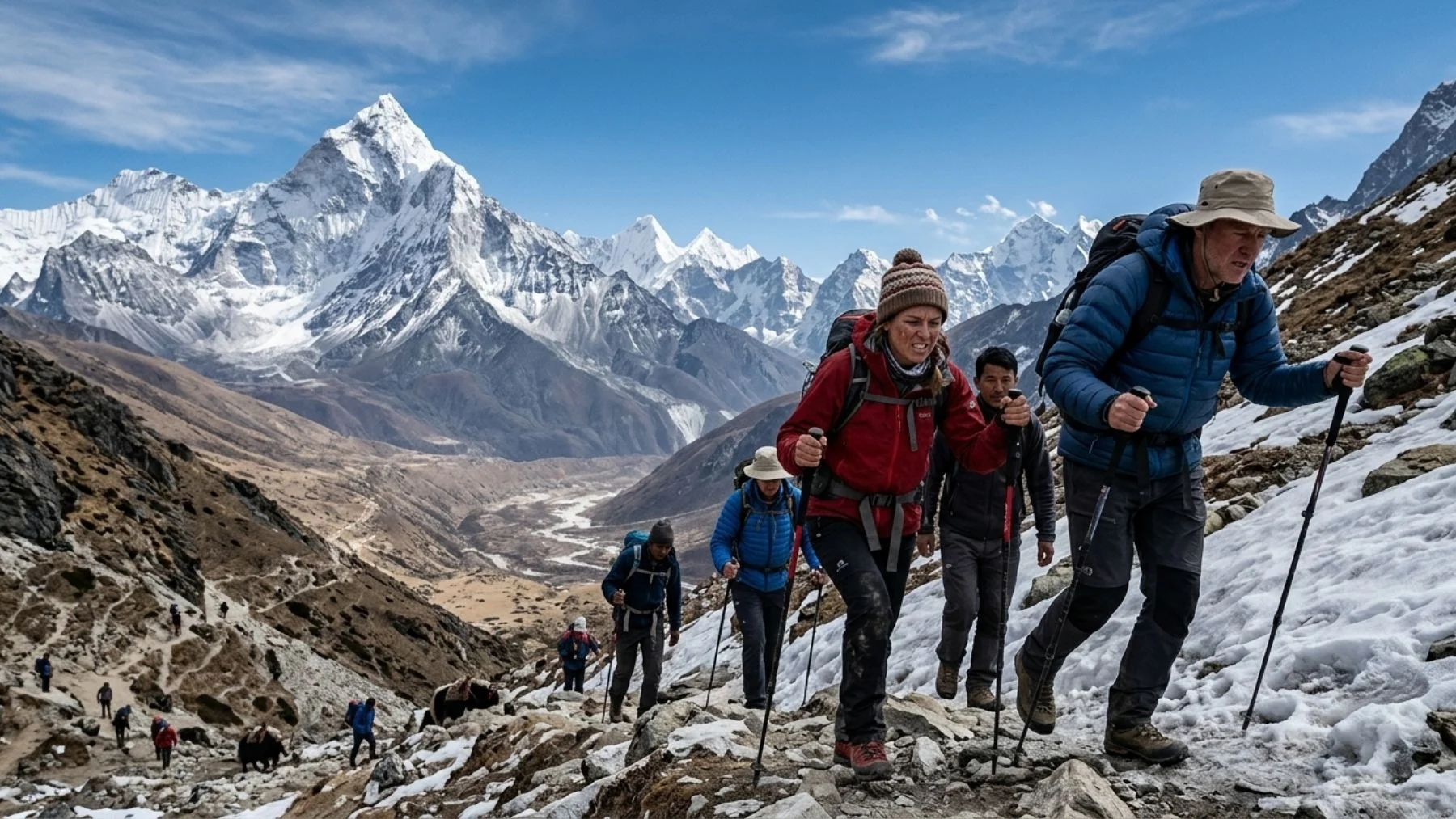
When comparing ABC vs EBC difficulty, the difference comes down to altitude versus terrain. The Everest Base Camp trek is more challenging due to its high altitude (5,364 m+) and extended exposure above 4,000 meters, where oxygen levels drop significantly. On the other hand, the Annapurna Base Camp trek is physically demanding with steep stone staircases and continuous ascents and descents, but it remains at a lower altitude (4,130 m), making it more manageable for fit beginners. EBC is more challenging due to altitude, while ABC is physically demanding but more manageable overall.
4. Altitude & Acclimatization
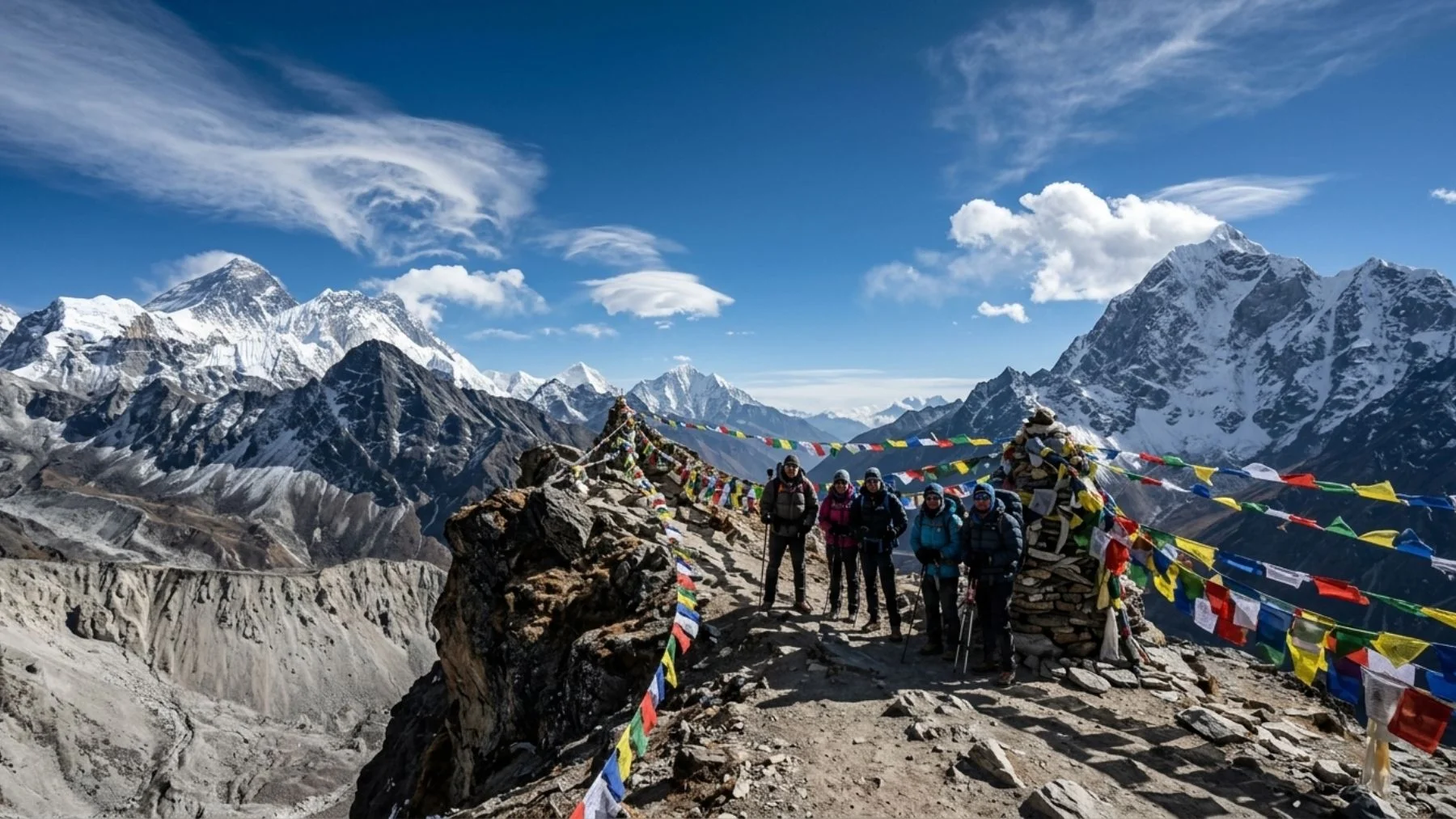
Altitude is the most critical factor in this Everest Base Camp vs Annapurna Base Camp comparison. EBC reaches 5,364 meters, with an optional hike to Kala Patthar at 5,555 meters, where oxygen levels are nearly 50% lower than at sea level. Trekkers spend 4+ nights above 4,000 meters, making acclimatization days in Namche Bazaar and Dingboche essential. In contrast, ABC reaches a maximum altitude of 4,130 meters and involves no overnight stays above 4,000 meters, significantly reducing the risk of altitude sickness in Nepal. ABC has lower altitude risk, while EBC requires careful acclimatization due to higher elevation.
5. Cost Breakdown
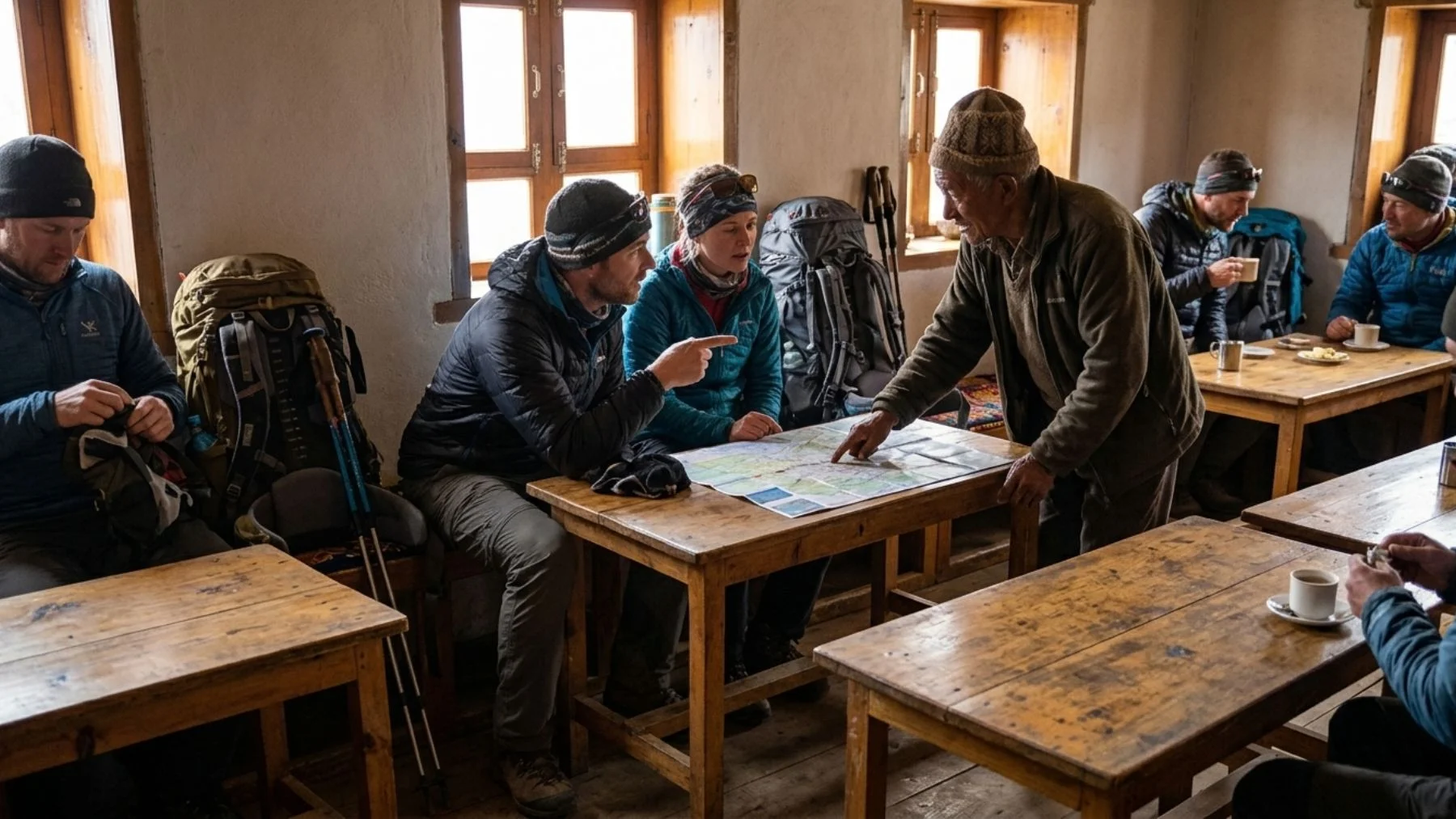
The ABC vs EBC cost difference is significant. The Everest Base Camp trek cost is higher, ranging from $1,190 – $1,670 for a guided trek, largely due to the Lukla flight costing $350–$430 round trip and higher food and accommodation costs at altitude. The Annapurna Base Camp trek cost ranges from $680 – $790, as it does not require expensive flights and benefits from better supply access, making food ($15–$25/day) and accommodation ($5–$15/night) more affordable. Permit costs are similar, with ABC around $50 and EBC around $38. ABC is more budget-friendly, while EBC is a higher-cost trek due to logistics and altitude.
6. Scenery & Landscape Experience
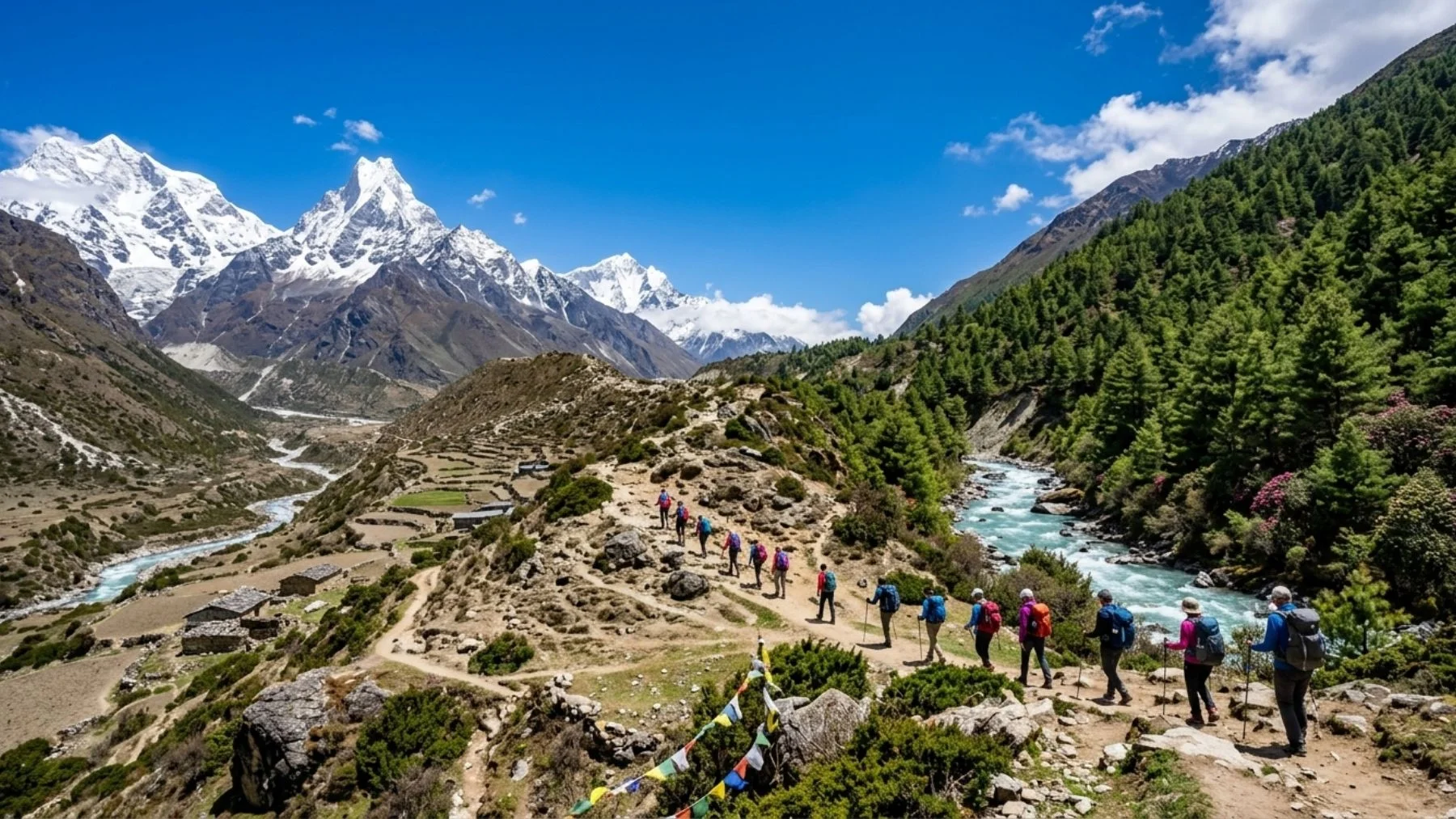
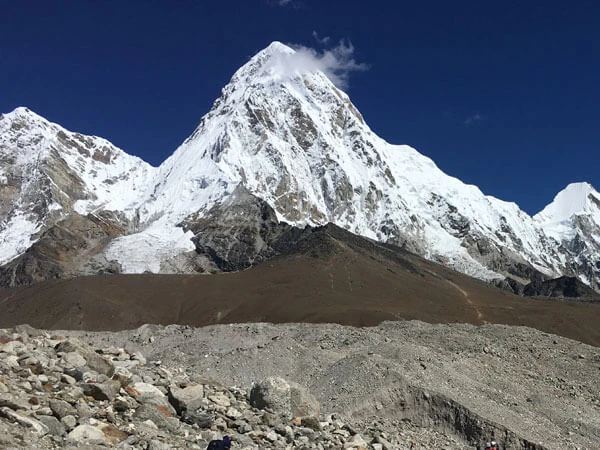
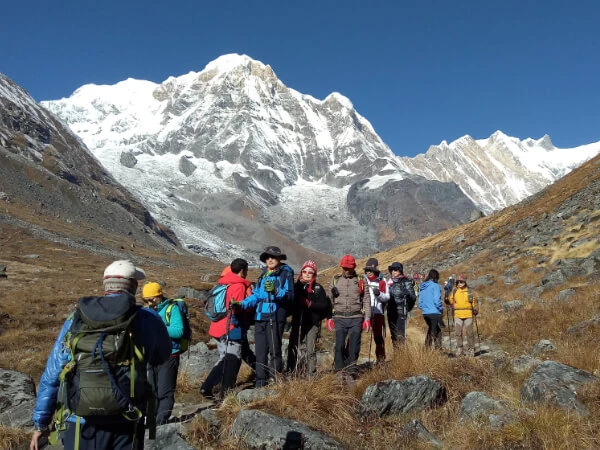
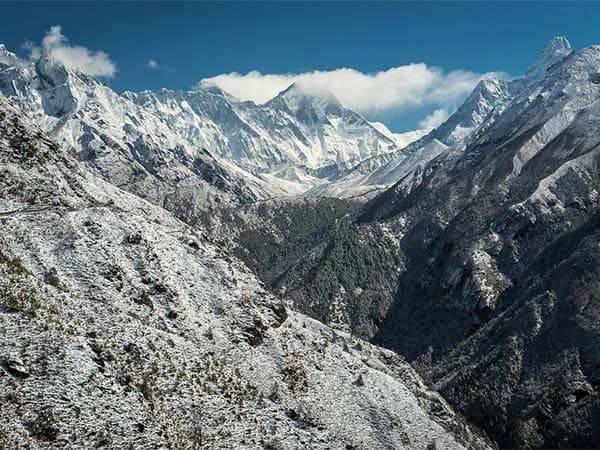
In terms of Everest vs Annapurna scenery, both treks offer incredible but very different experiences. The Everest Base Camp trek features rugged alpine terrain, glaciers like the Khumbu Glacier, and close-up views of peaks such as Everest, Lhotse, and Ama Dablam. Meanwhile, the Annapurna Base Camp trek provides a diverse journey through subtropical forests, rhododendron blooms, traditional villages, and finally into the Annapurna Sanctuary, a 360-degree mountain amphitheater. EBC offers dramatic high-altitude scenery, while ABC delivers more diverse landscapes throughout the trek.
Continue reading: Why is Annapurna 3 Unclimbed?
7. Crowd & Popularity
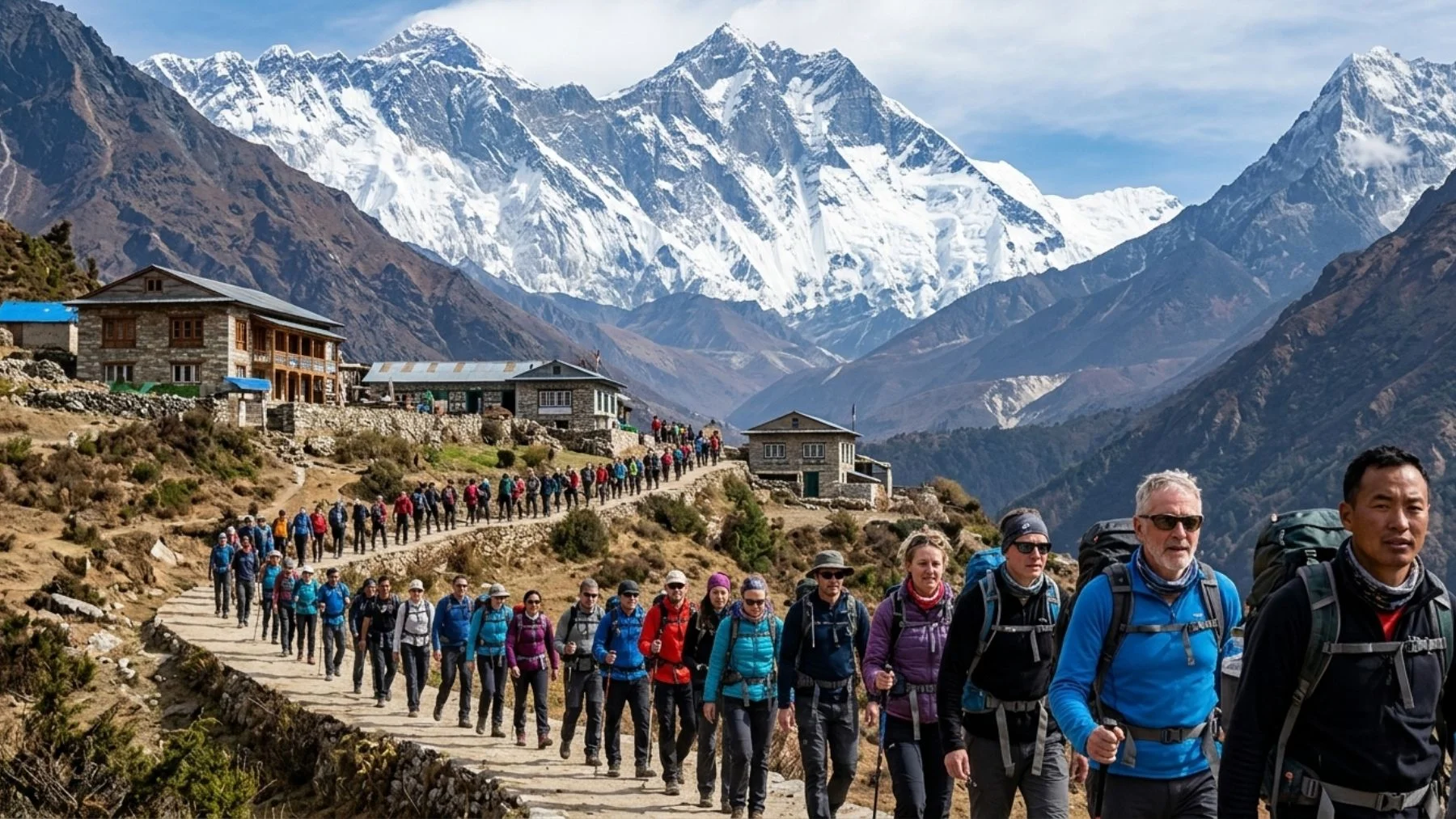
The Everest Base Camp trek is one of the most famous treks in the world, attracting a high number of trekkers, especially during peak seasons (October and April). Trails and teahouses can become crowded, particularly around Namche Bazaar and Gorak Shep. The Annapurna Base Camp trek is also popular but generally sees moderate crowds, offering a quieter and more relaxed trekking experience, especially outside peak months. ABC is less crowded, while EBC is more popular and busier during peak seasons.
Worth reading: Is Annapurna Part of Everest?
8. Accommodation & Food
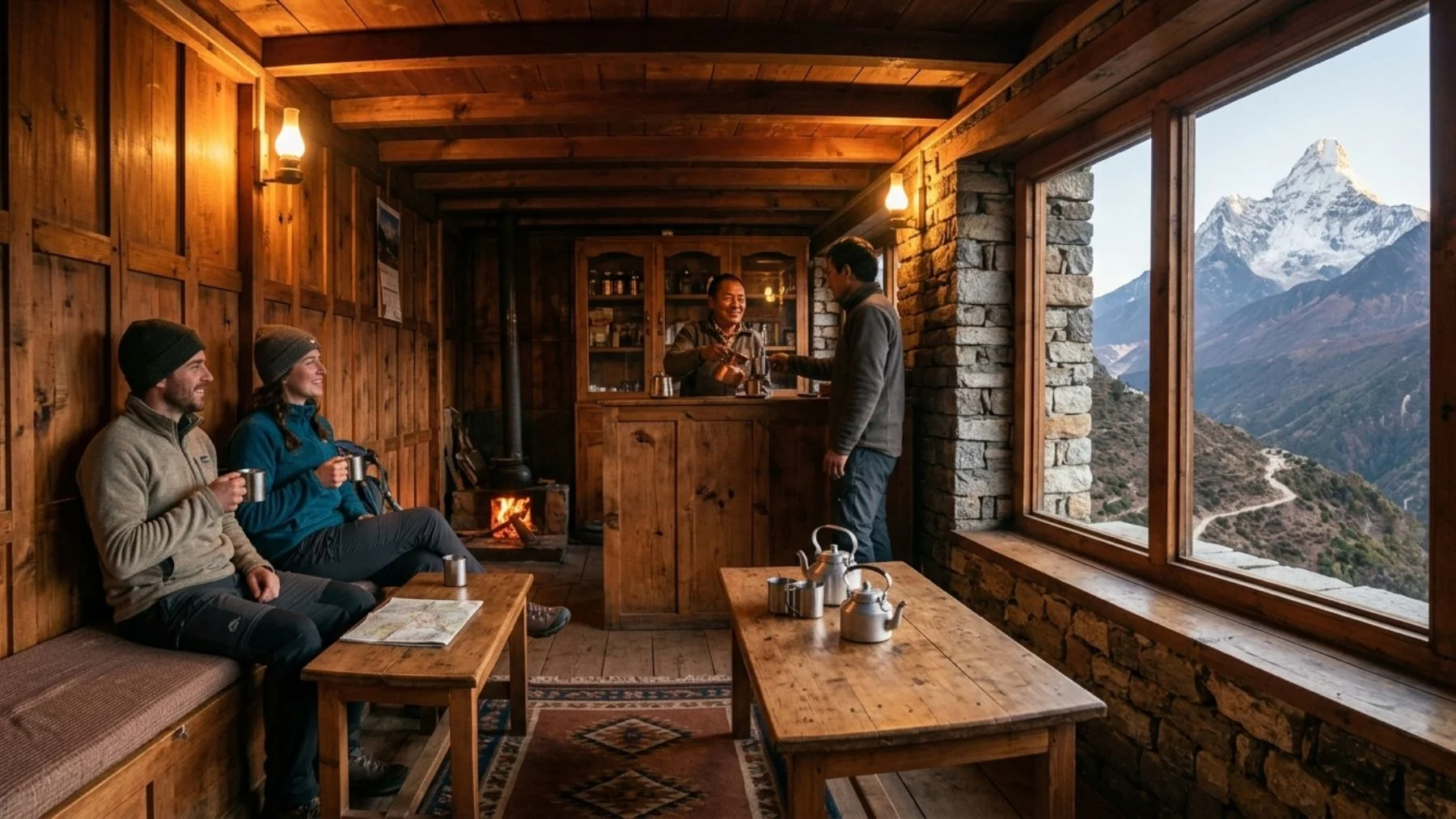
Both treks follow the classic tea house trekking Nepal system, but there are noticeable differences. The Annapurna Base Camp trek offers better-developed lodges with more comfort, often including hot showers and even free accommodation if meals are purchased. The Everest Base Camp trek has more basic teahouses at higher altitudes, with increasing prices for food ($20–$35/day), charging, and showers due to remote supply logistics. ABC offers better comfort and value, while EBC provides more basic facilities at higher altitude.
9. Weather & Best Time
The best time to trek Nepal applies to both routes, with spring (March–May) and autumn (September–November) being ideal for clear skies and stable weather. However, the Annapurna Base Camp trek is more flexible and can still be done in winter at lower elevations, while the Everest Base Camp trek becomes extremely cold (down to –20°C) and more challenging during winter months. Monsoon affects both, but ABC faces muddy trails and leeches, while EBC suffers from poor visibility and flight disruptions. ABC is more seasonally flexible, while EBC is best limited to peak trekking seasons.
Don't Miss: Francys Arsentiev– The Tragic Story of Everest's Sleeping Beauty
Not sure which trek suits you best?
Compare and choose your perfect Himalayan adventure with Recreation Holidays today.
Compare & Choose Your Trek
Real Experience Comparison: What It Actually Feels Like?
The difference between the Annapurna Base Camp vs Everest Base Camp trek is not just about numbers like altitude or cost, it's about how the journey actually feels day by day.
On the Everest Base Camp trek, the experience becomes noticeably intense as you gain altitude. The air gets thinner above 4,000 meters, breathing becomes harder, and even simple walks feel physically demanding. The trek is not just a physical challenge but a mental one, especially during long days between places like Dingboche and Lobuche. However, reaching Everest Base Camp at 5,364 meters and standing at Kala Patthar (5,555 m) brings a strong sense of achievement that few experiences in the world can match. It feels like a true high-altitude expedition, where every step is earned.
In contrast, the Annapurna Base Camp trek feels more balanced and enjoyable throughout the journey. The trail passes through forests, villages, and changing landscapes, which keeps the experience visually engaging and less mentally exhausting. Since the maximum altitude is 4,130 meters and there are no long stays above 4,000 meters, the physical strain is lower, allowing trekkers to enjoy the scenery without constant pressure from altitude. The overall experience feels more relaxed, social, and immersive, especially with cultural interactions and varied terrain along the way.
So, Which Trek Should You Choose?
If your dream is to stand near the world’s highest mountain, experience true high-altitude trekking above 5,000 meters, and complete a globally recognized bucket-list journey, then the Everest Base Camp trek is the right choice for you. It is more demanding in terms of altitude, time, and cost, but it rewards you with unmatched mountain views, iconic locations like Kala Patthar, and a strong sense of personal achievement.
On the other hand, if you are looking for a more accessible, affordable, and well-rounded Himalayan experience, the Annapurna Base Camp trek is the better option. It offers diverse landscapes, rich cultural encounters, lower altitude risk, and a shorter itinerary, making it ideal for first-time trekkers, families, and those who want to enjoy the journey without extreme physical pressure.
In the end, there is no “better” trek only the one that fits your goals, experience level, and expectations.
Why Choose Recreation Holidays for Annapurna Base Camp or Everest Base Camp Trek?
Choosing the right trekking company can make all the difference, especially when comparing demanding journeys like the Annapurna Base Camp vs Everest Base Camp trek. With Recreation Holidays, you get a team that understands both routes in depth from altitude management and acclimatization to logistics like Lukla flights and Pokhara access ensuring a safe, smooth, and well-organized experience from start to finish.
Our expert local guides are licensed, experienced, and trained in high-altitude safety, helping you minimize risks like altitude sickness while maximizing your overall trekking experience. Whether you choose the scenic and accessible Annapurna Base Camp trek or the iconic Everest Base Camp trek, we tailor the journey based on your fitness level, time, and budget something most generic operators fail to do.
Beyond these two popular treks, we also offer a wide range of Himalayan adventures, including the Ghorepani Poon Hill Trek, Langtang Valley Trek, Gosaikunda Trek, Upper Mustang Tour, Manaslu Circuit Trek, Makalu Base Camp Trek, and Mardi Himal Trek. This means you’re not just booking a trek you’re choosing a team with deep expertise across Nepal’s most diverse trekking regions.
With transparent pricing, personalized itineraries, and strong local support, Recreation Holidays ensures that your journey in Nepal is not just successful, but truly unforgettable.
Continue Reading Related Blogs
Reasons to Visit Upper Mustang in Nepal
Unveiling the Truth About Dead Bodies on Mount Everest
When is The Best Time to Visit Nepal?
Top 10 Places to Visit in Kathmandu
15 Amazing Things to do in Nepal
FAQs on Everest Vs Annapurna Base Camp Trek
How much does the Annapurna Base Camp trek cost?
The Annapurna Base Camp trek cost typically ranges from $400–$700 for budget trekkers and $500–$1,200 for guided packages, depending on itinerary, guide, and services.
Can you see Everest from Annapurna Base Camp?
No, you cannot see Mount Everest from Annapurna Base Camp, as it lies in a completely different region of Nepal. ABC offers views of peaks like Annapurna I, Machhapuchhre, and Hiunchuli instead.
How much does the Everest Base Camp trek cost?
The Everest Base Camp trek cost ranges from $800–$1,100 for independent trekking and $1,200–$2,500 for guided packages, with the Lukla flight being the biggest expense.
Is the Annapurna Base Camp trek safe?
Yes, the Annapurna Base Camp trek is considered safe for most trekkers, especially beginners, as it has a lower altitude (4,130 m), better accessibility, and less risk of severe altitude sickness compared to Everest Base Camp.
What is the distance between Annapurna and Everest?
The Annapurna and Everest regions are approximately 160–200 km apart in a straight line, but they are located in completely different trekking regions with no direct trekking connection.
What is the cost difference between Annapurna Base Camp and Everest Base Camp?
The Annapurna Base Camp trek is generally $500–$1,000 cheaper than Everest Base Camp, mainly because it does not require the expensive Lukla flight and has lower food and accommodation costs