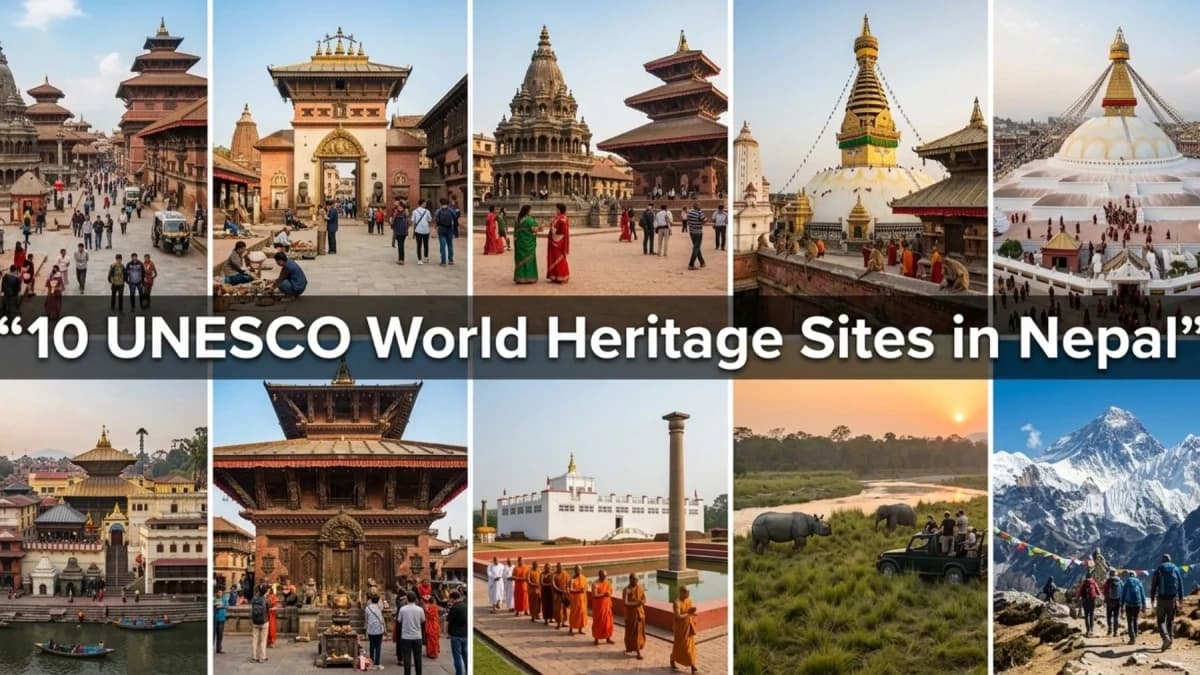
The country’s UNESCO sites range from the sacred birthplace of Lord Buddha in Lumbini to the high Himalayan environment of Sagarmatha National Park, home to Mount Everest. The Kathmandu Valley alone contains seven UNESCO monuments recognized in 1979: Kathmandu Durbar Square, Bhaktapur Durbar Square, Patan Durbar Square, Swayambhunath Stupa, Boudhanath Stupa, Pashupatinath Temple, and Changu Narayan Temple. Together, these sites form one of the world’s most important living cultural heritage regions.
Quick Facts About UNESCO Heritage Sites in Nepal
| Category |
Details |
| Total UNESCO Sites |
10 |
| Cultural Sites |
8 |
| Natural Sites |
2 |
| UNESCO Tentative Sites |
15+ |
| Oldest Heritage Civilization |
Kathmandu Valley |
| Highest UNESCO Site |
Sagarmatha National Park |
| First UNESCO Inscription |
1979 |
| Kathmandu Valley UNESCO Sites |
Kathmandu Durbar Square, Bhaktapur Durbar Square, Patan Durbar Square, Swayambhunath, Boudhanath, Pashupatinath & Changu Narayan |
| Birthplace of Buddha |
Lumbini |
| Famous Wildlife Heritage Site |
Chitwan National Park |
Complete List of UNESCO World Heritage Sites in Nepal
Nepal’s UNESCO World Heritage Sites include ancient royal cities, sacred religious monuments, wildlife reserves, and Himalayan protected areas. These sites reflect the country’s deep cultural history, spiritual traditions, biodiversity, and natural beauty.
| Site |
Category |
Location |
UNESCO Year |
Best Known For |
| Kathmandu Durbar Square |
Cultural |
Kathmandu |
1979 |
Royal palaces & living goddess Kumari |
| Bhaktapur Durbar Square |
Cultural |
Bhaktapur |
1979 |
Newari culture & medieval architecture |
| Patan Durbar Square |
Cultural |
Lalitpur |
1979 |
Art, temples & craftsmanship |
| Swayambhunath Stupa |
Cultural |
Kathmandu |
1979 |
Monkey Temple & hilltop views |
| Boudhanath Stupa |
Cultural |
Kathmandu |
1979 |
Tibetan Buddhism & kora rituals |
| Pashupatinath Temple |
Cultural |
Kathmandu |
1979 |
Sacred Hindu Shiva temple |
| Changu Narayan Temple |
Cultural |
Bhaktapur |
1979 |
Oldest temple in Nepal |
| Lumbini |
Cultural |
Rupandehi |
1997 |
Birthplace of Lord Buddha |
| Chitwan National Park |
Natural |
Chitwan |
1984 |
Wildlife safari & one-horned rhinos |
| Sagarmatha National Park |
Natural |
Everest Region |
1979 |
Mount Everest & Sherpa culture |
Together, these UNESCO sites showcase Nepal’s unique combination of living heritage, ancient civilization, biodiversity, spirituality, and Himalayan landscapes, making the country one of the most culturally diverse destinations in the world.
Top 10 UNESCO Heritage Sites in Nepal - Cultural & Natural Wonders
1. Kathmandu Durbar Square
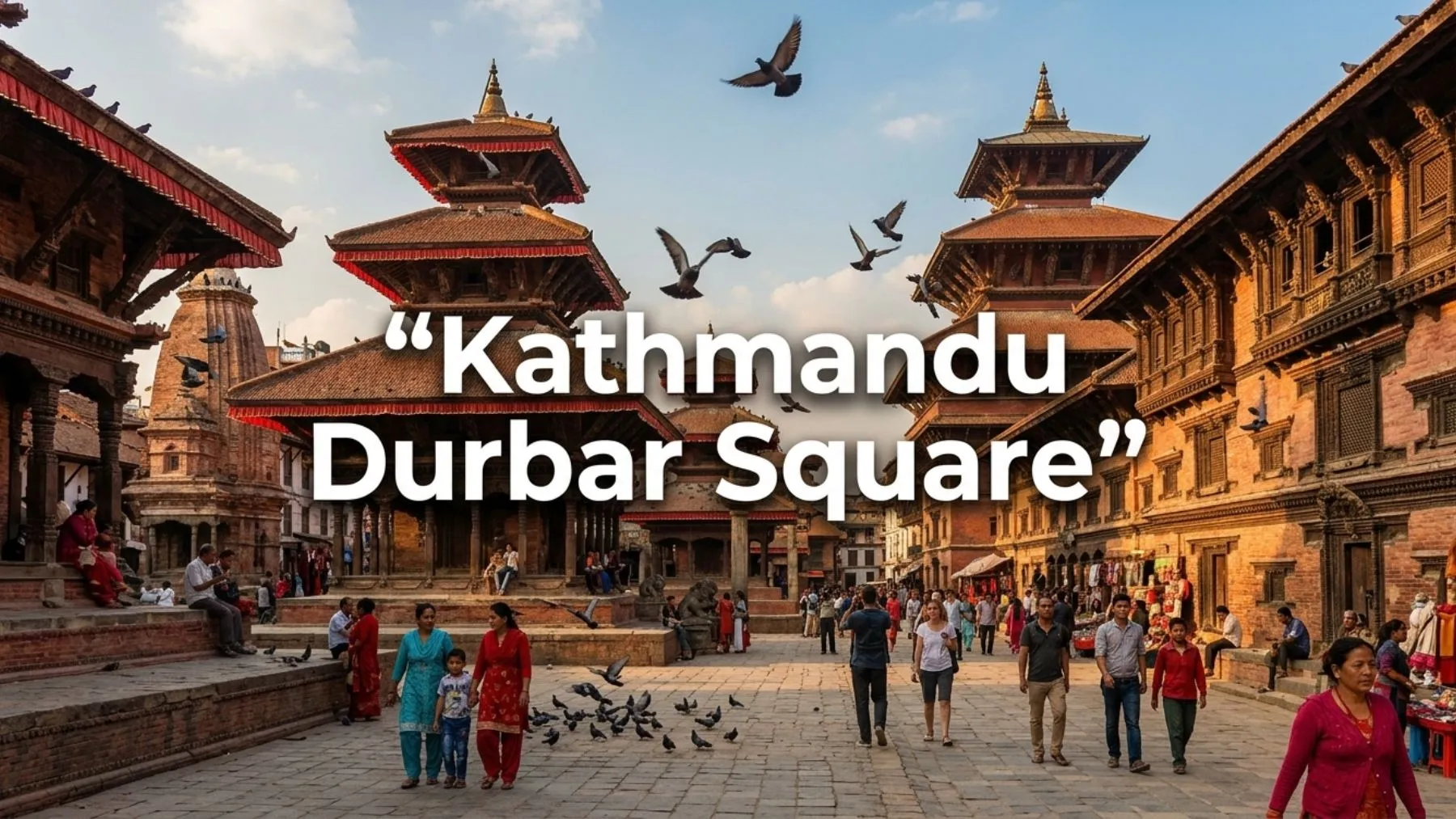
Located in the center of old Kathmandu, Kathmandu Durbar Square is one of Nepal’s most important UNESCO World Heritage Sites, recognized in 1979. It was once the royal palace complex of the Malla and Shah kings and is famous for its traditional Newari architecture, ancient temples, courtyards, and the historic Hanuman Dhoka Palace.
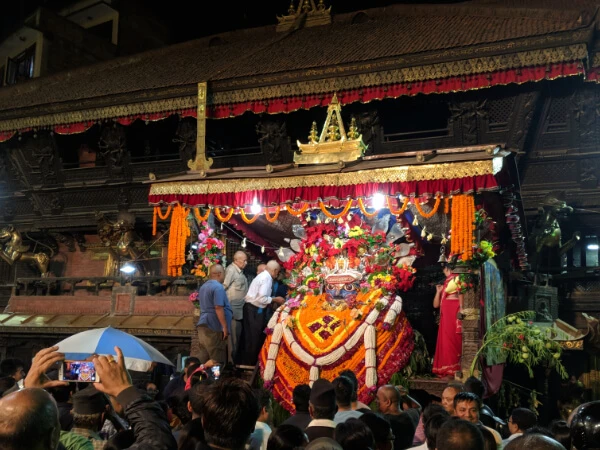
The square is also known for the living goddess Kumari, who resides in Kumari Ghar and occasionally appears during festivals and special ceremonies. The best time to visit is during spring (March–May) and autumn (September–November), especially during festivals like Indra Jatra.
Foreign visitors usually pay around NPR 1,000 as an entry fee, while SAARC nationals receive discounted rates. Photography is allowed in most outdoor areas, but visitors should remain respectful around temples and religious rituals. Nearby attractions include local museums, heritage streets, rooftop cafes, and traditional markets around Basantapur and Asan Bazaar.
2. Bhaktapur Durbar Square
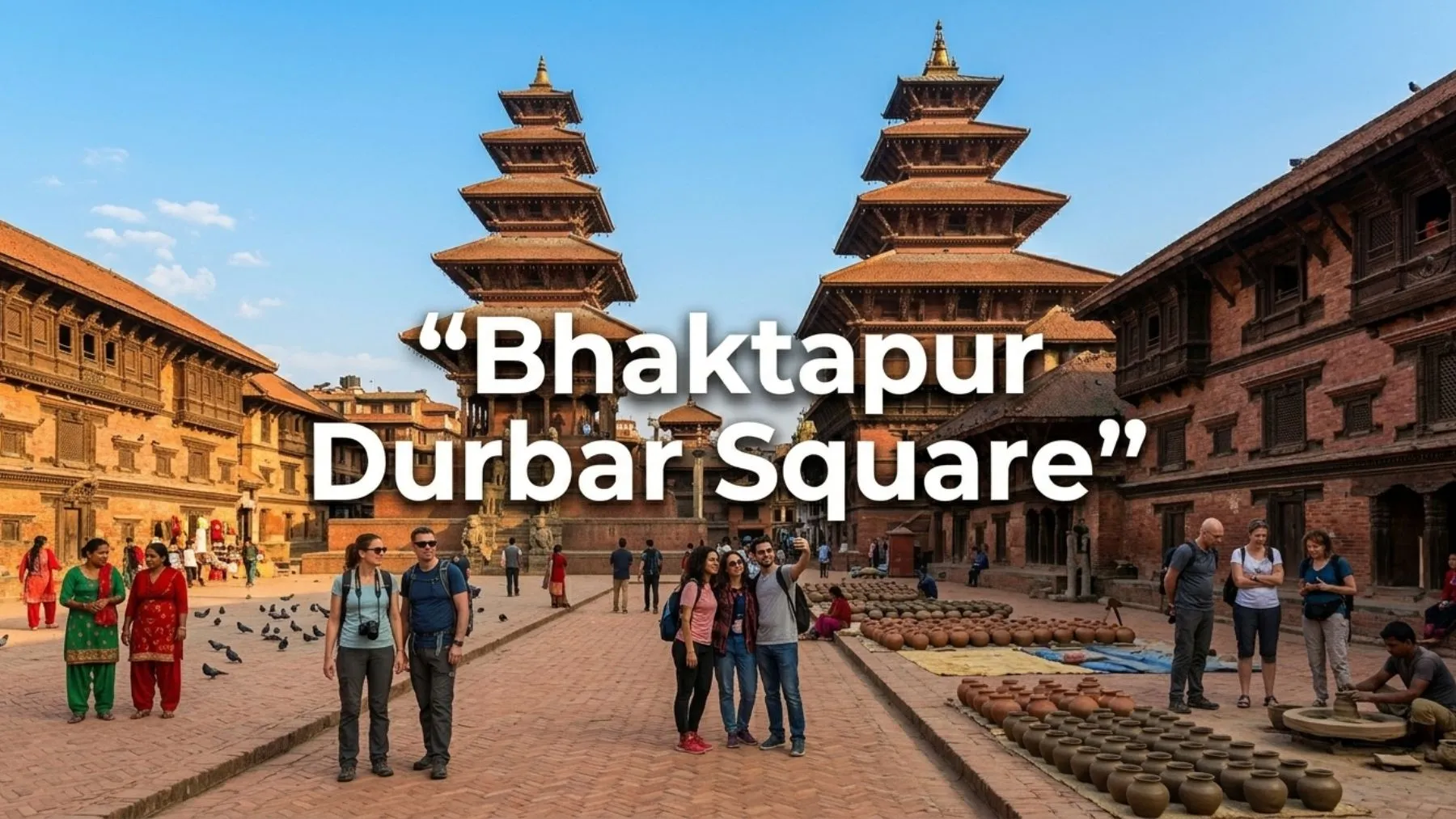
Located about 13 km east of Kathmandu, Bhaktapur Durbar Square is a UNESCO World Heritage Site recognized in 1979 and is widely known as the cultural heart of Newari civilization. The square is famous for its well-preserved medieval architecture, traditional brick houses, carved wooden windows, ancient temples, and lively local atmosphere.
One of the most popular areas here is Pottery Square, where local artisans still make clay pots by hand using traditional techniques passed down for generations. Bhaktapur is also famous for Juju Dhau, meaning “King Yogurt,” a rich traditional Newari dessert made from buffalo milk.
The city comes alive during local festivals such as Bisket Jatra, one of Nepal’s major New Year celebrations featuring chariot processions, music, and traditional rituals. Along with its temples and palaces, Bhaktapur offers one of the best experiences of authentic Newari culture in Nepal.
3. Patan Durbar Square
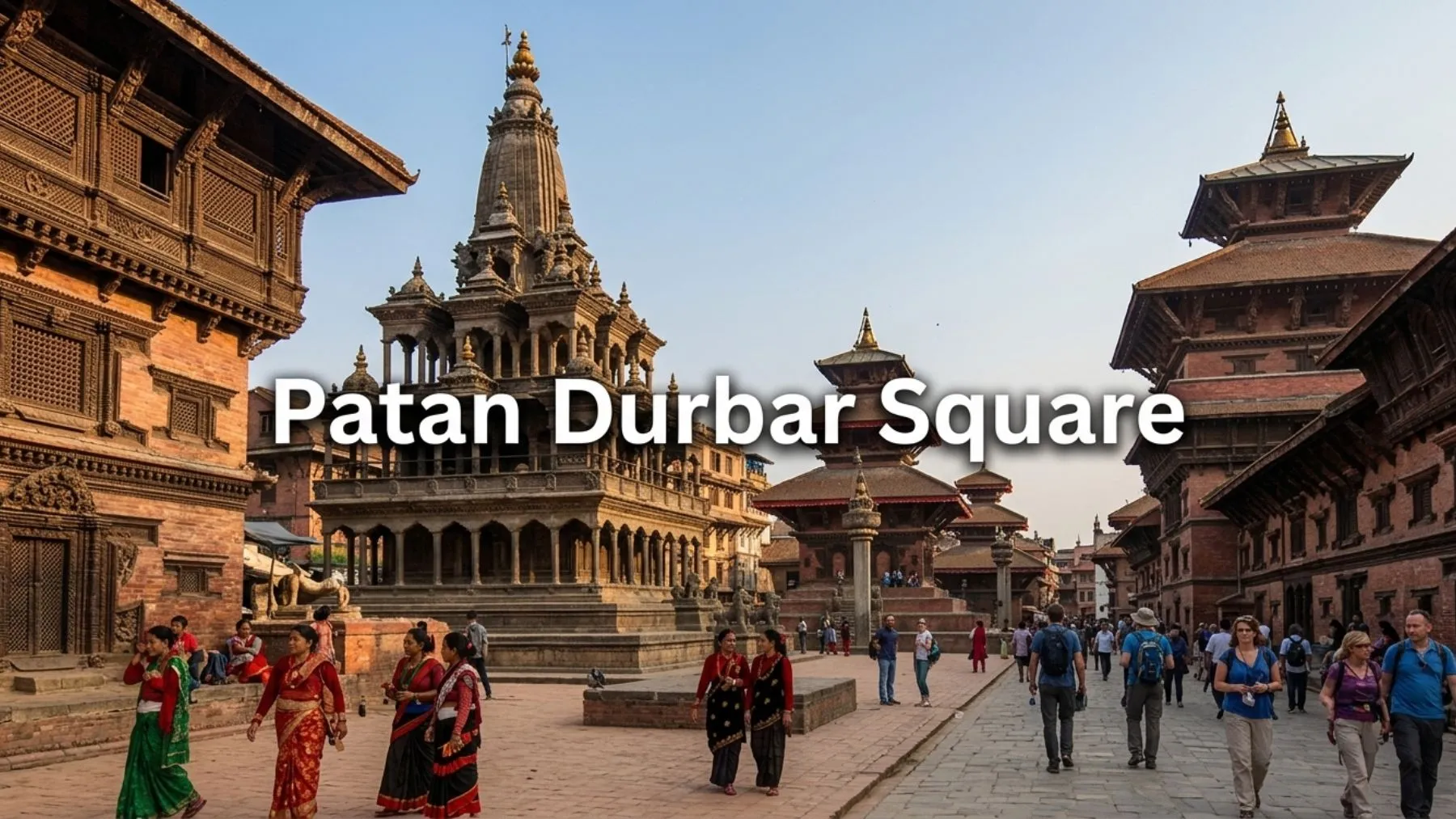
Located in Lalitpur, about 5 km south of central Kathmandu, Patan Durbar Square is a UNESCO World Heritage Site recognized in 1979 and is widely known for its exceptional Newari art and craftsmanship. The square features ancient temples, stone sculptures, royal courtyards, and finely carved wooden and metal artworks that reflect centuries of traditional architecture.
The area is also home to the famous Patan Museum, considered one of Nepal’s finest museums for traditional Hindu and Buddhist art. Beyond the main square, visitors can explore hidden courtyards, narrow alleys, artisan workshops, and peaceful monasteries that give Patan a quieter and more artistic atmosphere compared to other heritage cities.
4. Swayambhunath Stupa
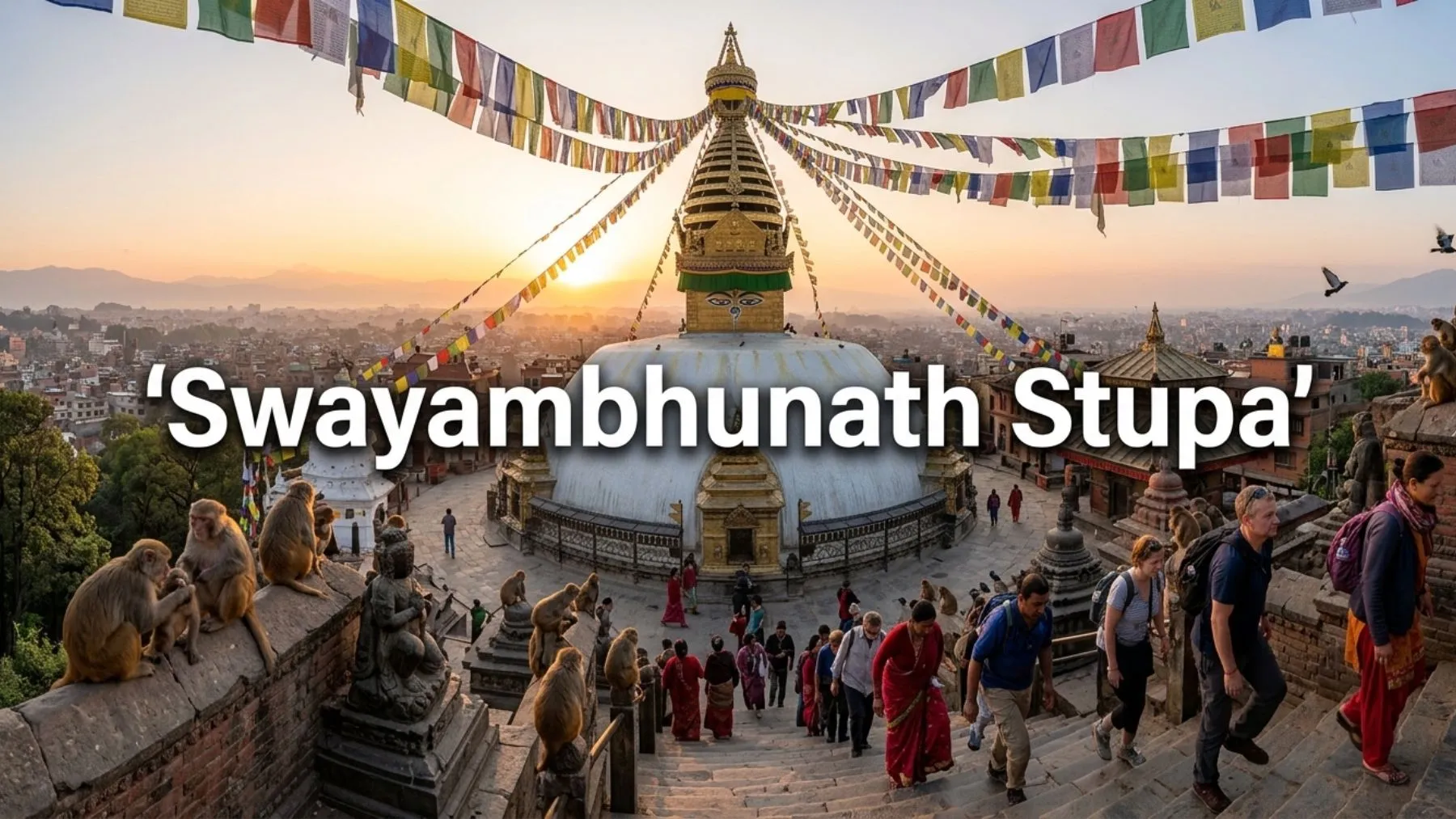
Perched on a hilltop at around 1,400 meters above sea level, Swayambhunath Stupa is one of Nepal’s oldest and most sacred Buddhist sites, officially listed as a UNESCO World Heritage Site in 1979. According to local mythology, the Kathmandu Valley was once a giant lake, and Swayambhunath emerged naturally from a lotus flower after the water drained away.
Often called the “Monkey Temple” because of the large number of monkeys living around the hill, the site is famous for its white dome, golden spire, prayer flags, and spiritual atmosphere. The stupa is also one of the best sunset viewpoints in Kathmandu, offering panoramic views of the valley, especially during clear autumn and spring evenings.
5. Boudhanath Stupa
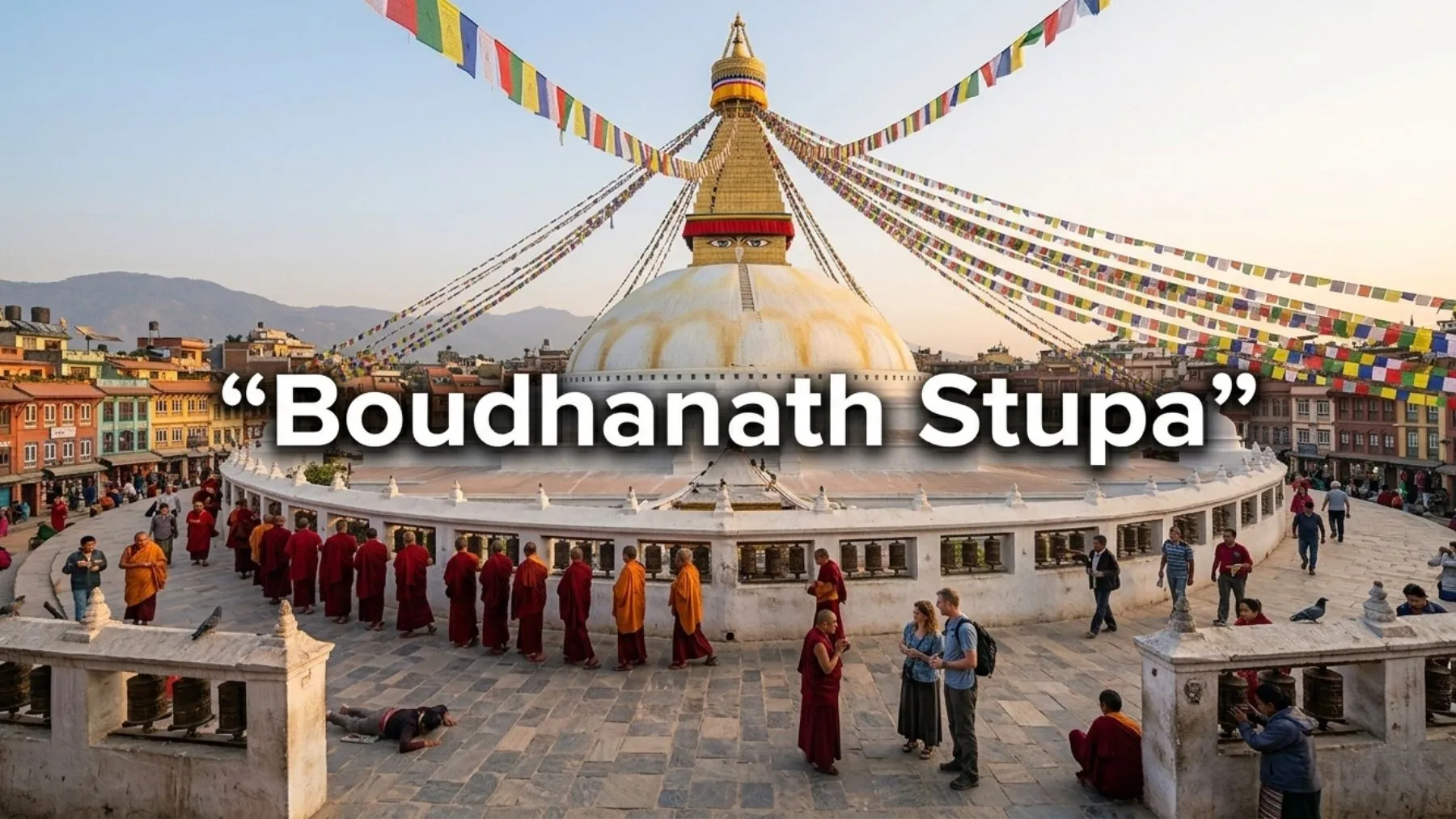
Located about 7 km northeast of central Kathmandu, Boudhanath Stupa is one of the largest Buddhist stupas in the world and a major center of Tibetan Buddhism in Nepal. Officially listed as a UNESCO World Heritage Site in 1979, the stupa is famous for its massive white dome, golden tower, and the iconic Buddha eyes painted on all four sides.
The area became an important Tibetan cultural center after thousands of Tibetan refugees settled here following the 1959 Tibetan uprising. Today, the stupa is surrounded by dozens of monasteries, prayer wheels, traditional shops, and rooftop cafes overlooking the sacred complex. One of the most important daily rituals here is the kora, where devotees walk clockwise around the stupa while spinning prayer wheels and chanting mantras.
Boudhanath becomes especially vibrant during Losar, the Tibetan New Year festival, when monks perform masked dances, prayers, and ceremonial rituals. The spiritual atmosphere is strongest during early mornings and evenings, when butter lamps, incense, and chanting create a peaceful Himalayan Buddhist experience.
6. Pashupatinath Temple
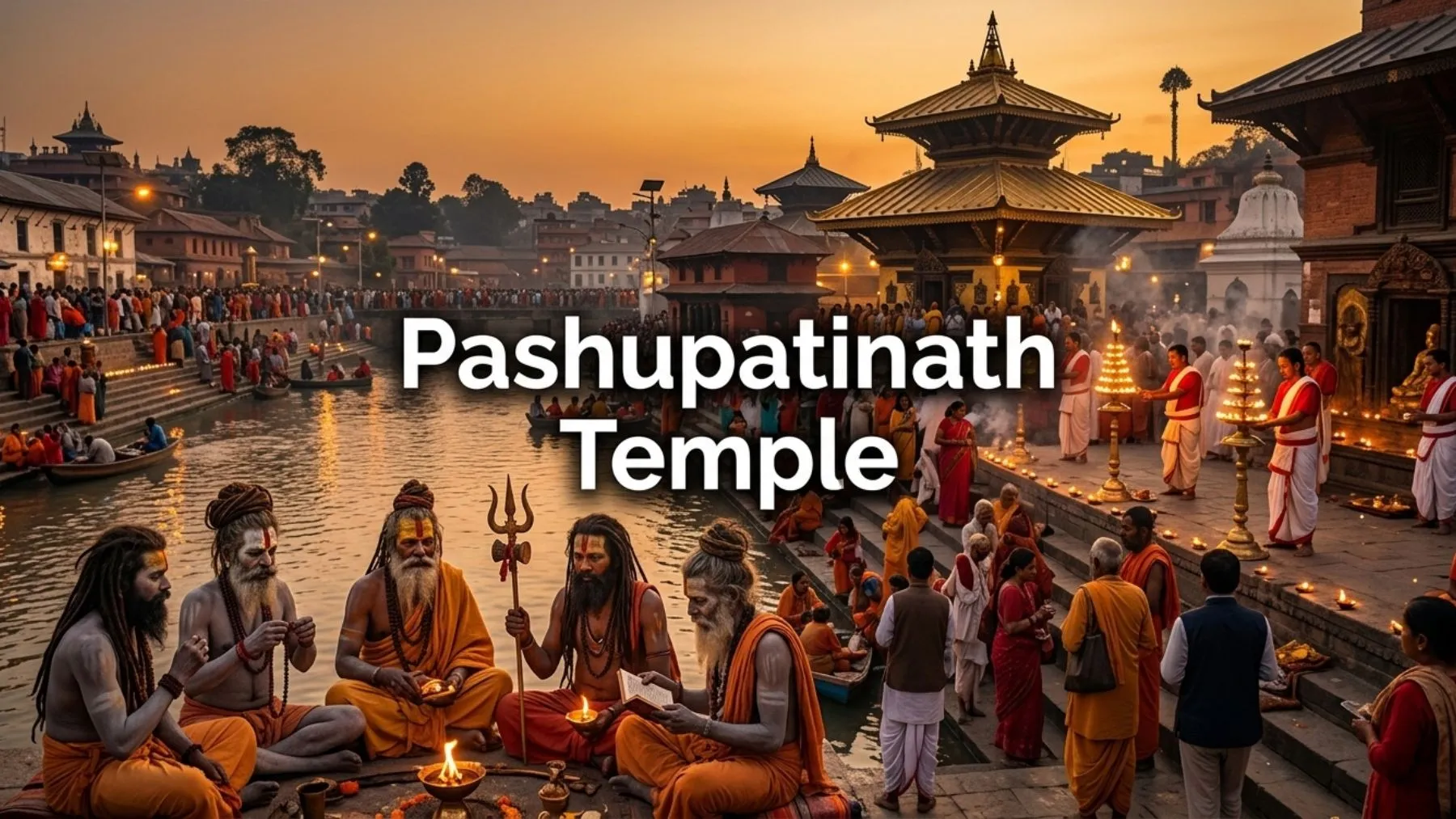
Situated on the banks of the Bagmati River in Kathmandu, Pashupatinath Temple is Nepal’s most sacred Hindu temple and one of the most important Shiva pilgrimage sites in South Asia. Recognized as a UNESCO World Heritage Site in 1979, the temple complex is dedicated to Lord Shiva in his form as Pashupati, the “Lord of Animals.”
The temple is especially known for its traditional pagoda-style architecture, golden roof, silver doors, and sacred cremation ghats along the river, where Hindu funeral rituals are still performed daily. Every evening, hundreds of devotees gather for the famous Bagmati Aarati, a spiritual ceremony featuring fire lamps, bells, chanting, and devotional music.
Non-Hindus are not allowed inside the main temple, but they can explore the surrounding complex, shrines, and riverfront areas. Visitors are expected to follow proper spiritual etiquette, including modest dress, respectful photography, and silence during religious ceremonies and cremation rituals.
7. Changu Narayan Temple
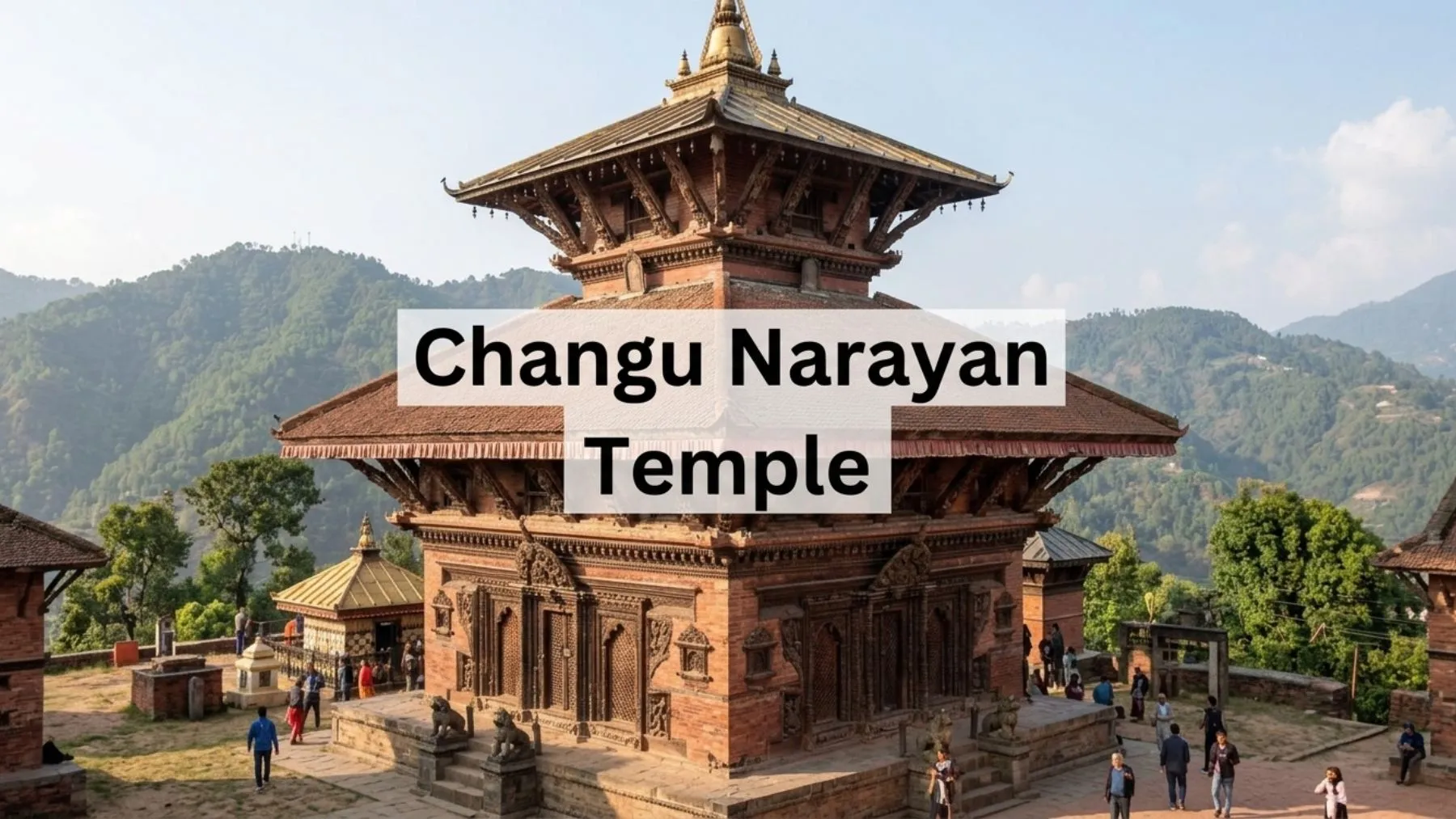
Located on a hilltop about 12 km east of Kathmandu near Bhaktapur, Changu Narayan Temple is considered the oldest temple in Nepal, with origins dating back to the 4th century Licchavi period. Listed as a UNESCO World Heritage Site in 1979, the temple is dedicated to Lord Vishnu and is famous for its ancient stone inscriptions, detailed wood carvings, and traditional pagoda-style architecture.
The temple complex contains some of Nepal’s finest examples of medieval craftsmanship, including intricately carved wooden struts, statues, and metalwork reflecting early Nepalese art. Unlike the busier heritage sites in Kathmandu, Changu Narayan offers a quieter and more peaceful village atmosphere surrounded by traditional Newari settlements and terraced hillsides.
8. Chitwan National Park
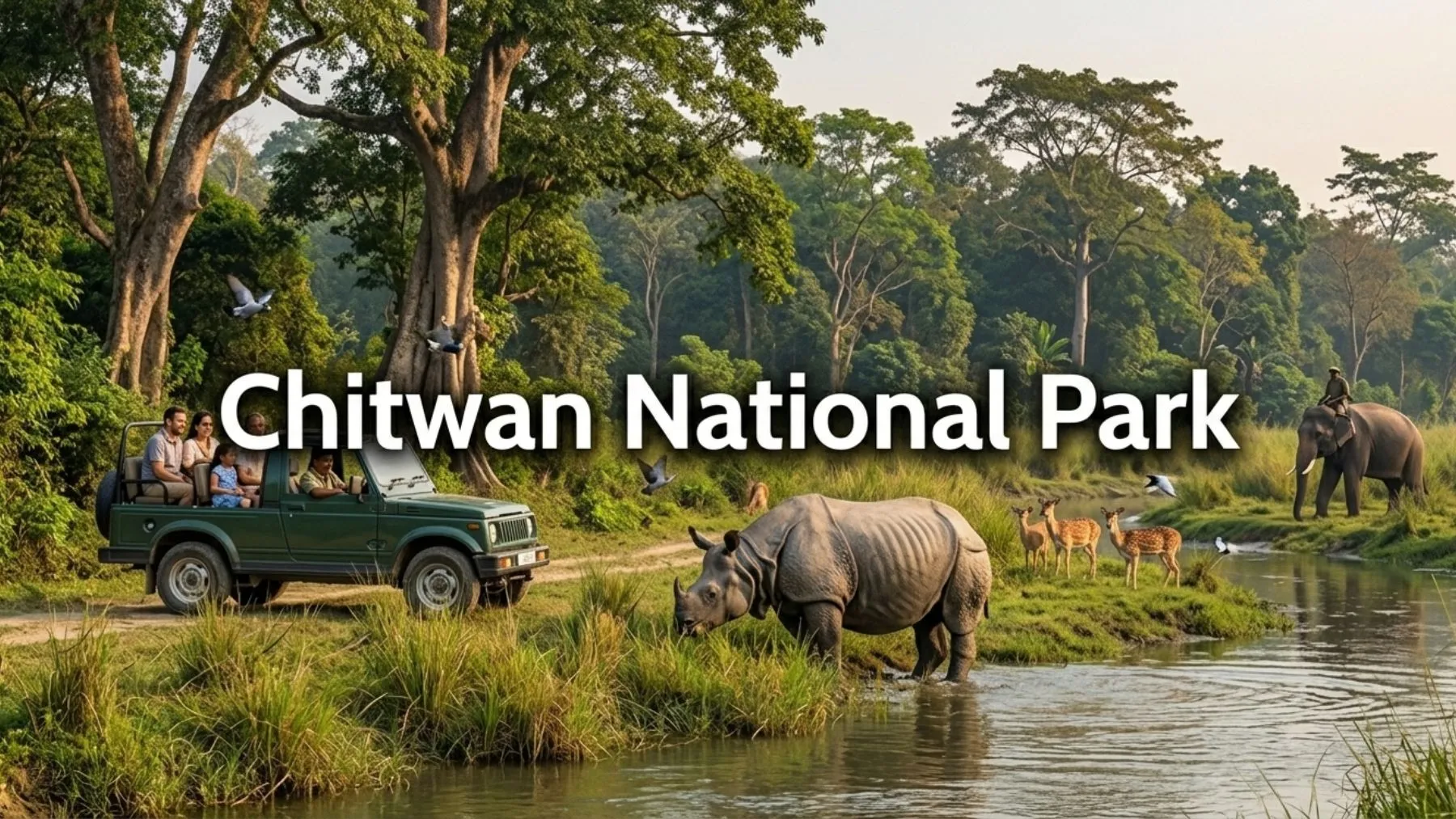
Established in 1973 and listed as a UNESCO Natural World Heritage Site in 1984, Chitwan National Park covers around 952.63 sq km in the subtropical lowlands of southern Nepal. The park is one of Asia’s best wildlife destinations and is especially famous for the endangered one-horned rhinoceros and the Royal Bengal tiger.
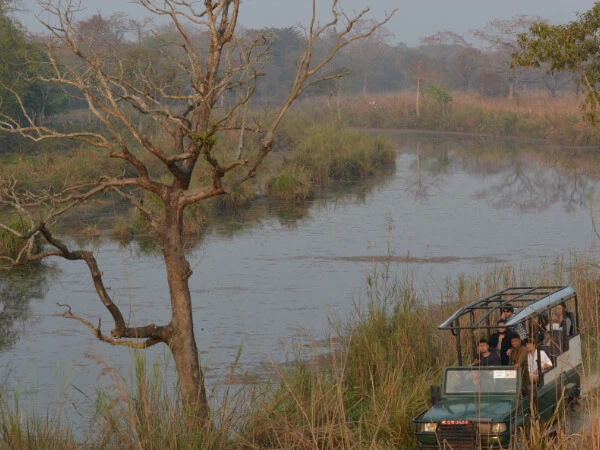
Popular activities in Chitwan include jeep safaris, walking safaris, canoe rides, birdwatching, and cultural programs with the indigenous Tharu community. Canoe trips along the Rapti River often provide sightings of crocodiles and water birds, while jungle walks offer a closer experience of the forest ecosystem.
The best season to visit Chitwan is generally from October to March, when temperatures are cooler and wildlife sightings are more frequent. Jeep safaris cover larger areas and increase chances of spotting rhinos and tigers, while walking safaris provide a more immersive jungle experience with trained naturalist guides.
9. Lumbini: Birthplace of Lord Buddha
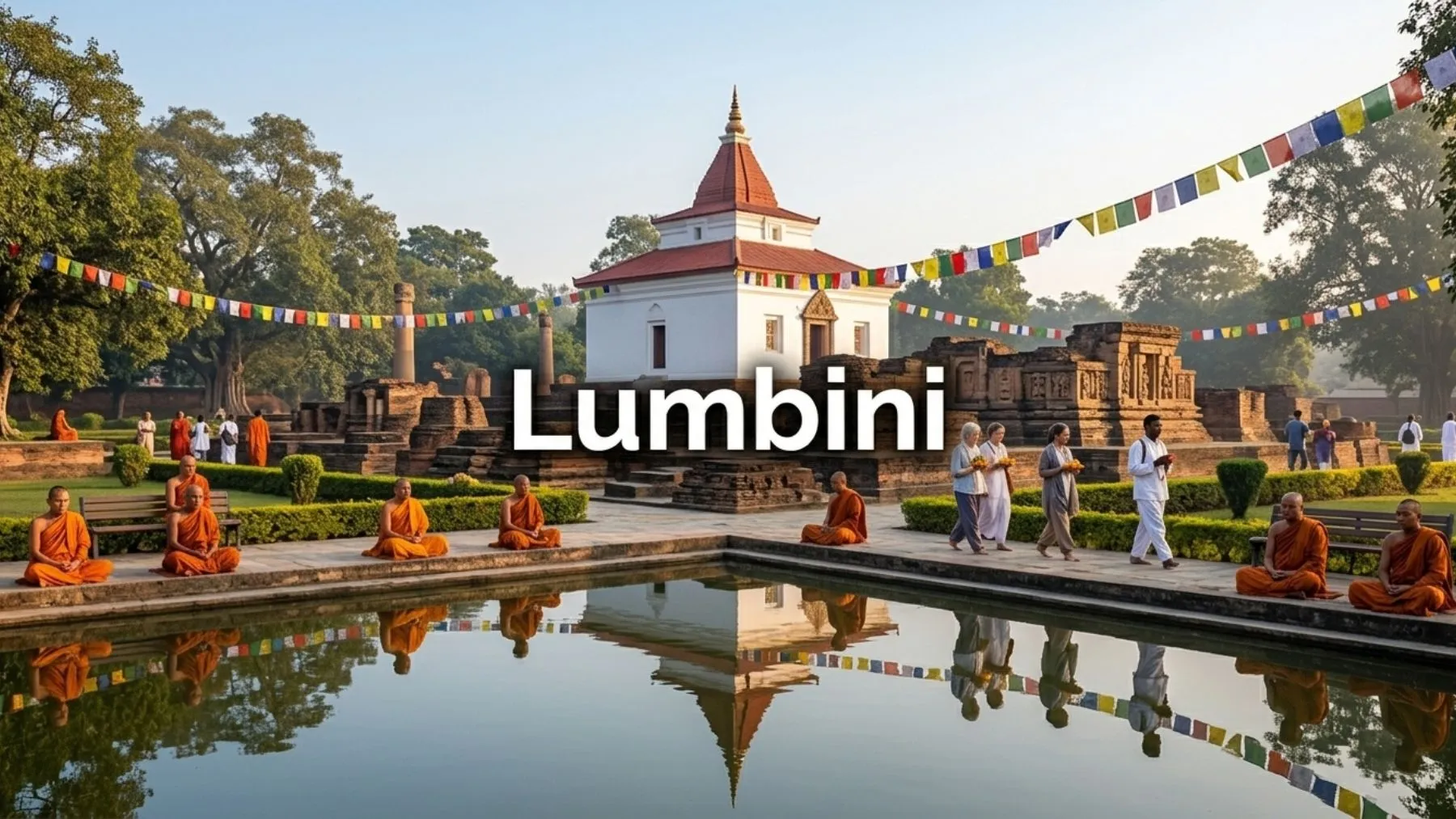
Located in Nepal’s southern Terai region in Rupandehi District, Lumbini is one of the world’s most important Buddhist pilgrimage destinations and was listed as a UNESCO World Heritage Site in 1997. Lumbini is traditionally believed to be the birthplace of Siddhartha Gautama (Lord Buddha) around the 6th century BCE.
The spiritual center of Lumbini is the Maya Devi Temple, built around the exact archaeological site where Queen Maya Devi is believed to have given birth to Buddha. Nearby are the sacred garden, the Ashoka Pillar erected in 249 BCE, ancient monastery ruins, meditation areas, and the peaceful Puskarini pond.
The wider Lumbini area is divided into a large monastic zone, where different countries such as Thailand, Japan, China, Germany, and Myanmar have built international monasteries representing various Buddhist architectural styles. The atmosphere here is calm and meditative, with prayer flags, monks in robes, chanting, and quiet walking paths creating a deeply spiritual environment.
10. Sagarmatha National Park
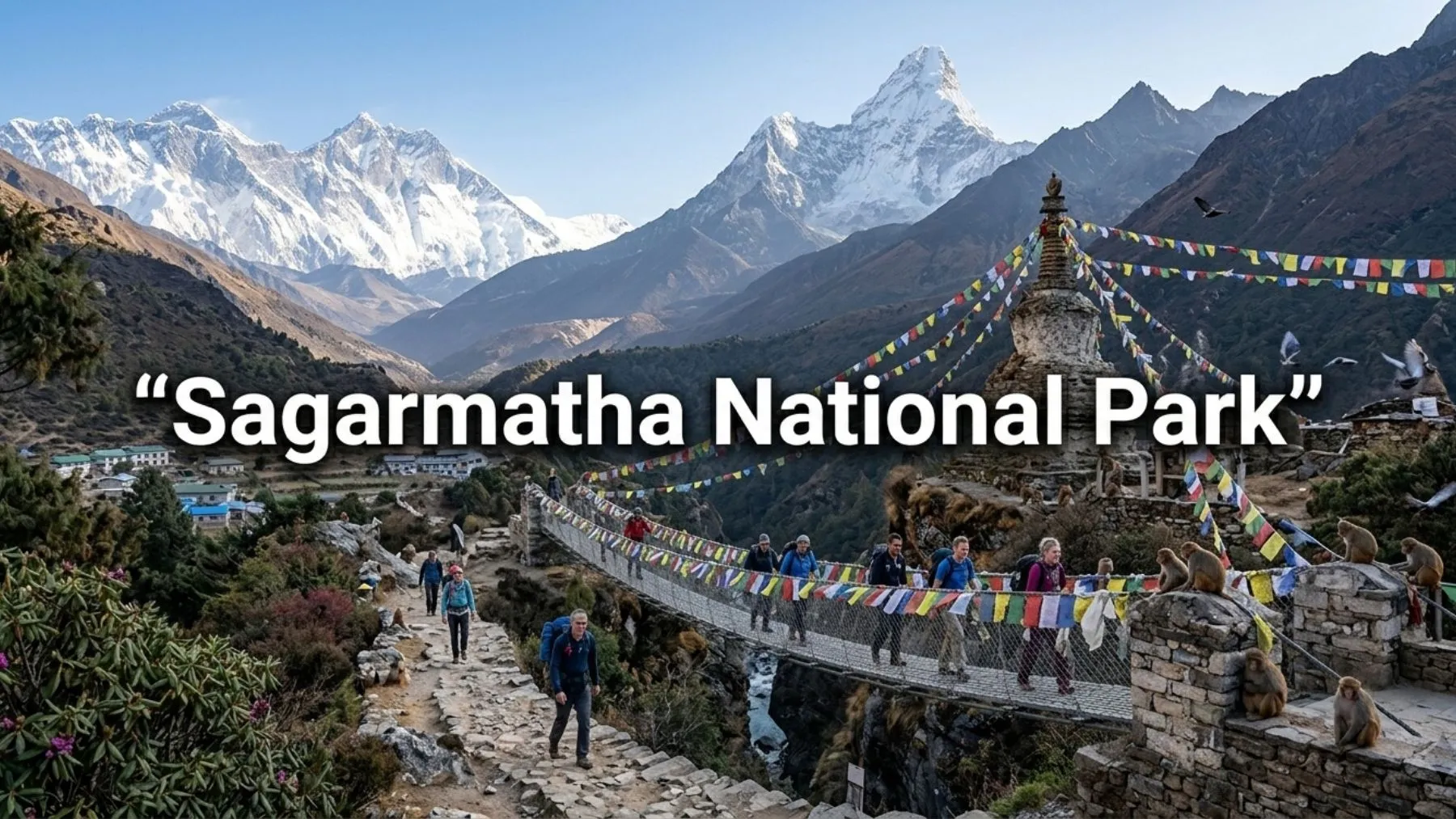
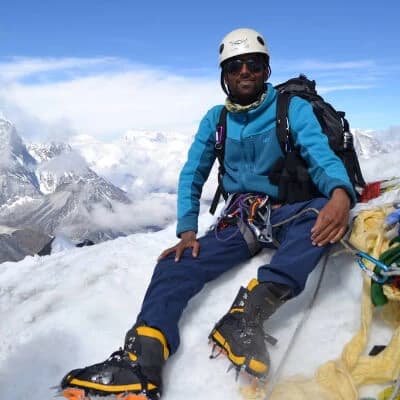
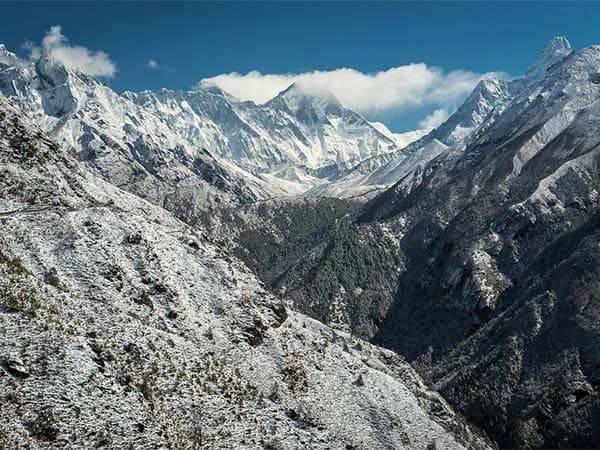
Sagarmatha National Park is a UNESCO World Heritage Site located in the Himalayan region of eastern Nepal. Established in 1976, the park is home to Mount Everest, the world’s highest mountain, along with stunning glaciers, deep valleys, and snow-covered peaks. Covering about 1,148 square kilometers, it protects rare wildlife such as snow leopards, red pandas, Himalayan tahrs, and musk deer. The park is also famous for the rich culture and traditions of the Sherpa people, who have lived in the region for centuries. Sagarmatha National Park attracts trekkers, climbers, and nature lovers from around the world.
Learn more: MICE Tourism in Nepal
Best UNESCO Sites in Nepal for Different Travelers
Nepal’s UNESCO World Heritage Sites offer something for every type of traveler, from spirituality and history to wildlife, photography, and Himalayan adventure.
| Traveler Type |
Best UNESCO Site |
| Spiritual Travelers |
Lumbini, Boudhanath, Pashupatinath |
| History & Architecture Lovers |
Kathmandu Durbar Square, Bhaktapur, Patan, Changu Narayan |
| Wildlife Enthusiasts |
Chitwan National Park |
| Adventure & Trekking Travelers |
Sagarmatha National Park |
| Photography Lovers |
Swayambhunath, Bhaktapur Durbar Square |
| Culture & Festival Lovers |
Kathmandu Valley Heritage Sites |
| Meditation & Peace Seekers |
Lumbini, Boudhanath |
| Religious Pilgrims |
Pashupatinath, Lumbini |
| Art & Craftsmanship Enthusiasts |
Patan Durbar Square |
| Nature & Mountain Lovers |
Sagarmatha National Park, Chitwan National Park |
See also: 7 Best Casinos in Kathmandu
Festivals, Rituals & Living Heritage of Nepal
Nepal’s UNESCO sites are not just historical monuments—they are part of a living culture where festivals and rituals are still practiced daily. Major celebrations such as Indra Jatra in Kathmandu, Bisket Jatra in Bhaktapur, Losar in Buddhist communities, and Maha Shivaratri at Pashupatinath bring temples, streets, and heritage squares to life with chariot processions, masked dances, prayers, music, and religious ceremonies.
This strong connection between heritage and everyday life is one of the reasons Nepal’s UNESCO sites feel active, spiritual, and culturally unique even today.
Also read: 15 Amazing Things to do in Nepal
Cultural Experiences Near UNESCO Sites
Beyond sightseeing, Nepal’s UNESCO regions offer immersive cultural experiences such as pottery workshops in Bhaktapur, butter lamp ceremonies at Buddhist monasteries, traditional Newari food, Tibetan cafes around Boudhanath, museum visits in Patan, and guided heritage walks through ancient alleys and courtyards.
These local experiences help travelers connect more deeply with Nepal’s living traditions and daily culture.
Find out more: Where Is K2 Mountain Himalayas?
Photography Tips & Visitor Etiquette
Early mornings and sunset hours are usually the best times for photography at sites like Swayambhunath, Bhaktapur, and Patan Durbar Square. Visitors should dress modestly, remove shoes where required, and avoid disturbing religious rituals or cremation ceremonies.
Drone use is restricted at many UNESCO and religious sites, especially near temples and heritage zones, so permission may be required before flying. Respectful photography and cultural sensitivity are important while visiting sacred areas in Nepal.
Explore Nepal with Recreation Holidays
Along with cultural and heritage tours such as the Kathmandu Day Tour, Bhaktapur Durbar Square Tour, Lumbini Tour, Chitwan National Park Tour, and Everest Base Camp Helicopter Tour, Recreation Holidays also offers some of Nepal’s most popular trekking adventures.
Our trekking packages include the Everest Base Camp Trek, Luxury Everest Base Camp Trek, Everest View Trek, Gokyo Lake Trek, Everest Gokyo Lake Trek, Annapurna Base Camp Trek, Mardi Himal Trek, Annapurna Circuit Trek, Short Annapurna Circuit Trek, Poon Hill Trek, Tsum Valley Trek, Manaslu Circuit Trek, Luxury Manaslu Trek, Makalu Base Camp Trek, Langtang Valley Trek, Gosainkunda Trek, and Langtang Heritage Trek.
Whether you want to explore Nepal’s UNESCO heritage sites, wildlife, culture, or Himalayan trekking routes, Recreation Holidays provides customized experiences with experienced local guides and carefully designed itineraries.
Ready to explore Nepal’s UNESCO treasures?
Discover cultural tours with Recreation Holidays today.
Explore Cultural Tours
Conclusion
Nepal’s UNESCO World Heritage Sites offer far more than just historical landmarks. From the ancient temples and royal squares of the Kathmandu Valley to the peaceful birthplace of Buddha in Lumbini, the wildlife of Chitwan, and the Himalayan beauty of Sagarmatha National Park, each site reflects Nepal’s deep culture, spirituality, history, and natural diversity.
Whether you are interested in heritage, religion, wildlife, photography, or trekking, Nepal provides a unique travel experience where living traditions and breathtaking landscapes come together in one destination. With Recreation Holidays, you can explore these UNESCO treasures through carefully designed cultural tours, wildlife experiences, and Himalayan trekking adventures across Nepal.
Other Related Blogs You May Missed
Why is Annapurna 3 Unclimbed?
Truth About Dead Bodies on Mount Everest
Francys Arsentiev– The Tragic Story of Everest's
10 Facts About Namche Bazaar
Where Is Mount Everest Located in Asia?
FAQs on UNESCO World Heritage Sites in Nepal
What Are the Top 10 UNESCO World Heritage Sites in Nepal?
Nepal’s 10 UNESCO World Heritage Sites include Kathmandu Durbar Square, Bhaktapur, Patan, Swayambhunath, Boudhanath, Pashupatinath, Changu Narayan, Lumbini, Chitwan National Park, and Sagarmatha National Park.
Which UNESCO World Heritage Sites Are Located in Kathmandu?
Kathmandu is home to several UNESCO sites, including Kathmandu Durbar Square, Swayambhunath, Boudhanath, and Pashupatinath Temple.
How Many World Heritage Sites Are There in Nepal?
Nepal has 10 UNESCO World Heritage Sites, including 8 cultural sites and 2 natural sites.
What Are the 10 World Heritage Sites of Nepal?
The 10 UNESCO sites of Nepal are Kathmandu Durbar Square, Bhaktapur, Patan, Swayambhunath, Boudhanath, Pashupatinath, Changu Narayan, Lumbini, Chitwan National Park, and Sagarmatha National Park.
What Are the Natural Heritage Sites of Nepal?
Nepal’s two natural UNESCO World Heritage Sites are Chitwan National Park and Sagarmatha National Park.
What Are the Cultural Heritage Sites of Nepal?
Nepal’s cultural UNESCO sites include Kathmandu Durbar Square, Bhaktapur, Patan, Swayambhunath, Boudhanath, Pashupatinath, Changu Narayan, and Lumbini.