Quick shortlist
- Phewa Lake
- Sarangkot Sunrise
- World Peace Pagoda
- Paragliding
- Davis Falls + Gupteshwor Mahadev Cave
- Begnas Lake
- Pokhara adventure activities
- International Mountain Museum
- Mahendra Cave or Bat Cave
- Religious and cultural sites
- Lakeside Pokhara
- Local Nepali food
- Yoga, meditation and wellness
- Cycling and slow travel
- Village or community experience
- Pumdikot Shiva Statue
- Evening and nightlife experiences
- Cooking class
- Old Bazaar and local museums
- A relaxed, unplanned Pokhara day
These cover the main Pokhara attractions, Pokhara sightseeing experiences and things to do in Pokhara Nepal, while also giving options for travelers looking for adventure, culture, relaxation or things to do in Pokhara besides trekking.
Pokhara Activities at a Glance
This quick comparison helps you decide which Pokhara activities deserve priority based on time, effort, weather and budget. Prices and operating details for activities such as paragliding and adventure products can vary by operator and season, so volatile figures should be rechecked before booking.
Comparison Table
| Experience |
Time Needed |
Cost |
Weather Dependence |
Best For |
Area |
| Phewa Lake |
~1–3+ hrs |
Boating ~NPR 300–700/hr with rower |
Low–moderate |
First-time visitors |
Phewa |
| Sarangkot |
~1–3 hrs |
Cable car ~US$8 one-way / US$12 return for foreigners |
High |
Mountain views |
Sarangkot |
| World Peace Pagoda |
~1–3 hrs |
Free; boat crossing ~NPR 500–700 return |
Moderate-high |
Views + culture |
South of Phewa |
| Paragliding |
~25–30 min flight |
~NPR 8,500 walk-in; higher for pre-booked/extended flights |
High |
Adventure |
Sarangkot |
| Davis Falls + Gupteshwor Cave |
~1–2 hrs |
Davis Falls ~NPR 20–100; cave ~NPR 100 |
Moderate |
Sightseeing |
South Pokhara |
| Begnas Lake |
~2–4 hrs |
Rowboat ~NPR 500/hr |
Moderate |
Relaxed travelers |
Begnas |
| ZipFlyer |
Few hours |
~NPR 6,000–8,850 |
High |
Adventure |
Sarangkot–Hemja |
| Pokhara/Hemja Bungee |
Few hours |
~NPR 6,000–9,000 |
High |
Adrenaline seekers |
Hemja |
| Kushma Bungee |
Full day |
~NPR 7,000–10,000 + transport |
Weather-dependent |
Extreme adventure |
Kushma |
| Ultralight Flight |
15–90 min |
~NPR 10,000–17,600+ |
High |
Aerial views |
Pokhara |
| Seti River Rafting |
Half day |
~NPR 6,000 / US$35–70 |
Moderate-high |
Beginners/adventure |
Seti River |
| International Mountain Museum |
~1–2 hrs |
NPR 750 foreigner; NPR 350 SAARC; NPR 150 Nepali |
Low |
Trekkers + families |
Near airport |
| Mahendra Cave |
~1 hr |
NPR 150 foreigner |
Low |
Families |
Pokhara |
| Bat Cave |
~1 hr |
NPR 150 foreigner |
Low |
Adventure seekers |
Pokhara |
| Bindhyabasini Temple |
~30–60 min |
Free |
Low |
Culture |
Old Pokhara |
| Lakeside |
~1–3+ hrs |
Free to variable |
Low–moderate |
Almost all travelers |
Phewa |
| Local food |
~1–3 hrs |
Momos ~NPR 100–250; dal bhat ~NPR 150–400 |
Low |
Food travelers |
Pokhara |
| Wellness |
~1 hr–multi-day |
Varies by provider |
Low |
Post-trek travelers |
Pokhara |
| Cycling |
~2 hrs–full day |
Bike rental ~NPR 200–800/day |
Moderate-high |
Slow travel |
Valley |
| Pumdikot |
~1–2 hrs |
Free |
Moderate |
Views + culture |
Pumdikot |
Research provides ranges for many volatile costs; exact current prices, hours, eligibility requirements and availability should be checked before publication or booking.
20 Best Things to Do in Pokhara
1. Explore Phewa Lake
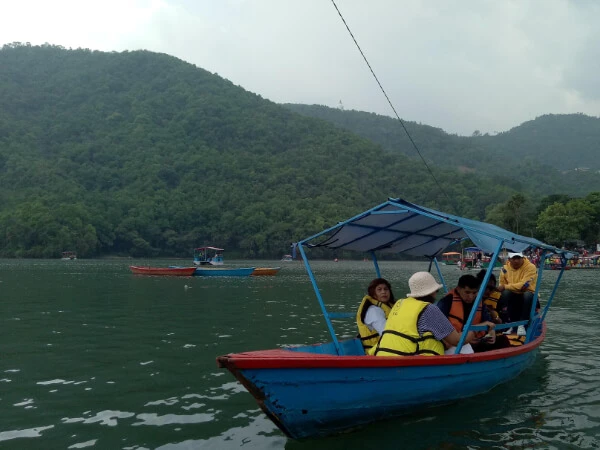
Phewa Lake is one of the best things to do in Pokhara for first-time visitors, combining boating, lakeside walks, Tal Barahi Temple, photography, cafés and mountain views when visibility is clear. Boating generally operates around 9 AM–5 PM, with a boat and rower costing about NPR 300–700 per hour; a short crossing to Tal Barahi can cost around NPR 100 per person.
The effort is low, while weather dependence is low to moderate because clouds and haze affect mountain reflections and views. Allow roughly 1–3+ hours, depending on whether you boat, walk or relax by the lake. You can also find boating points beyond the main Lakeside ghat, including Damside and the Gurung Cottage side. Verdict: an essential choice for things to do in Pokhara in 1 day, particularly because several experiences can be combined in one area.
2. Watch Sunrise From Sarangkot
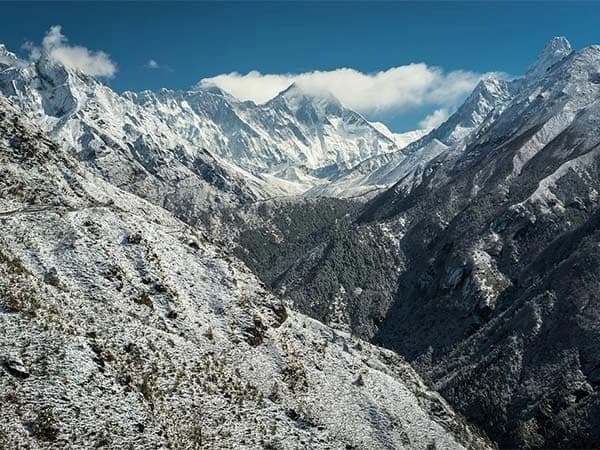
Sarangkot is one of the best places to visit in Pokhara for Himalayan sunrise views, but visibility is never guaranteed. The Annapurna Cable Car takes roughly 8–20 minutes, operates approximately 5 AM–5 PM, and costs about US$8 one-way or US$12 round-trip for foreigners; Nepali fares are roughly NPR 400 one-way or NPR 700 round-trip. Hiking remains possible and takes around 1.5–3 hours, depending on the route.
Cable-car access requires low physical effort; hiking is moderate to high. Clouds, haze and weather can obscure Annapurna and Machhapuchhre, so build a Plan B around a weather-tolerant attraction such as the International Mountain Museum or caves. Sarangkot also connects naturally with paragliding when flying conditions and operator availability permit.
3. Visit the World Peace Pagoda
The World Peace Pagoda is a Buddhist stupa at about 1,100 m elevation and is a strong choice for combining views, culture and exercise. Entry is free, with published hours of approximately 8 AM–8 PM.
You can reach it by road, hike through Raniban Forest, or cross Phewa Lake by boat and continue uphill. The boat crossing costs roughly NPR 500–700 round trip, plus any applicable life-jacket fee. After crossing the lake, the steep climb generally takes 40–90 minutes, while a direct Raniban route can take approximately 1.5–2 hours.
| If you want |
Best option |
| Exercise |
Direct hike |
| Less walking |
Road access |
| Lake + hike |
Boat + uphill trail |
| Scenic combination |
Phewa + boat + hike |
4. Go Paragliding in Pokhara
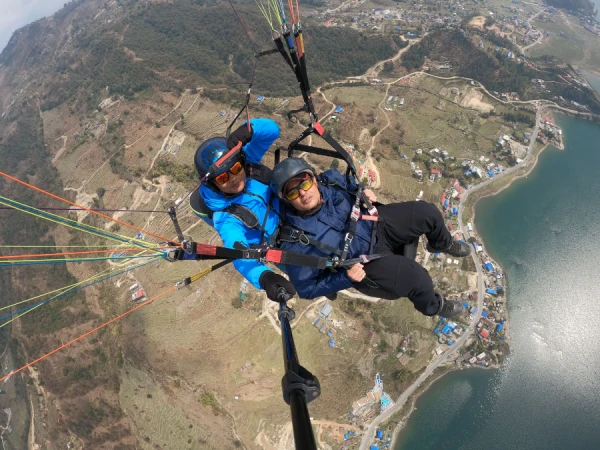
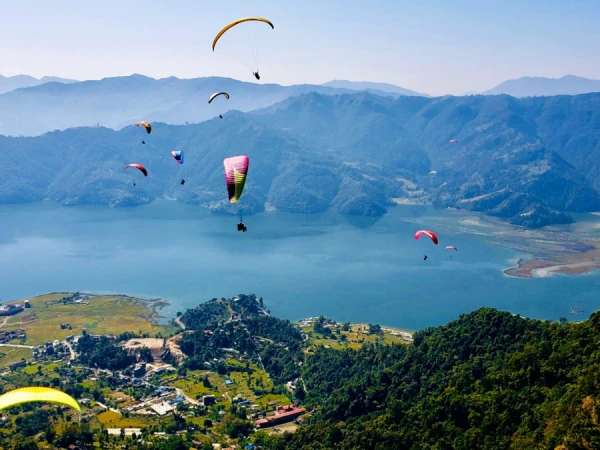
Paragliding is one of the most adventurous things to do in Pokhara, with standard tandem flights from Sarangkot lasting about 25–30 minutes. Walk-in prices are around NPR 8,500, while pre-booked standard flights can be around US$90–100 and extended 60-minute flights about US$110–150, depending on operator and package.
Flights launch from approximately 1,592 m at Sarangkot. The strongest flying periods are generally September–November and March–May, while monsoon conditions can cause disruption. Weather, particularly wind, cloud and visibility, determines whether flights can operate.
Before booking, check operator credentials, pilot qualifications, equipment, insurance, weather-cancellation policy, inclusions and current reviews. Current aviation and operator requirements should be verified before publication. Unusually low quotes particularly below roughly NPR 8,000–8,500 warrant careful checking rather than automatic selection.
Best for: travelers prioritizing aerial adventure. Verdict: worthwhile if adventure is a priority and your itinerary allows weather flexibility.
For More Information: What is the cost of paragliding in Pokhara
5. Visit Davis Falls and Gupteshwar Mahadev Cave
Davis Falls and Gupteshwar Mahadev Cave are best visited together because they sit directly across the road from each other, making them an efficient stop among Pokhara attractions.
Davis Falls costs approximately NPR 20–100, depending on visitor category. Gupteshwar Cave costs around NPR 100 for foreigners. Published cave hours conflict, with sources reporting approximately 6 AM–7 PM and 9 AM–6 PM, so exact hours require confirmation before visiting.
Inside the cave, expect uneven and potentially wet surfaces; grip footwear is recommended. The second, wetter section can close during monsoon because water from Davis Falls enters the cave. Allow roughly 1–2 hours for both attractions. Verdict: a particularly practical choice for things to do in Pokhara in 1 day because the two sites can be experienced together without significant travel between them.
6. Visit Begnas Lake
Begnas Lake is the better Phewa alternative if you want a different lake experience, cheaper boating, and a less tourist-focused setting. It is about 15 km from Lakeside, roughly 30–40 minutes by road. A rowboat with a driver costs around NPR 500/hour or NPR 2,000 for a full day; paddle boats are about NPR 1,000/hour. Unlike Phewa, Begnas has no central island temple and does not have the same kayaking/rafting infrastructure.
Best for: Repeat visitors, relaxed travelers and travelers with enough time beyond central Pokhara. For a first visit or short stay, Phewa is usually the more efficient choice.
7. Try a Pokhara Adventure Activity
Pokhara's adventure activities range from short, high-adrenaline rides to half-day river trips and premium aerial experiences. The main options differ substantially in duration, physical intensity and cost.
| Activity |
Time |
Approx. cost |
Technical detail |
| ZipFlyer |
~2–3 min ride + half-day |
NPR 6,000–8,850 |
1.8 km; ~600 m vertical drop; Sarangkot–Hemja |
| Hemja Bungee |
Few hours |
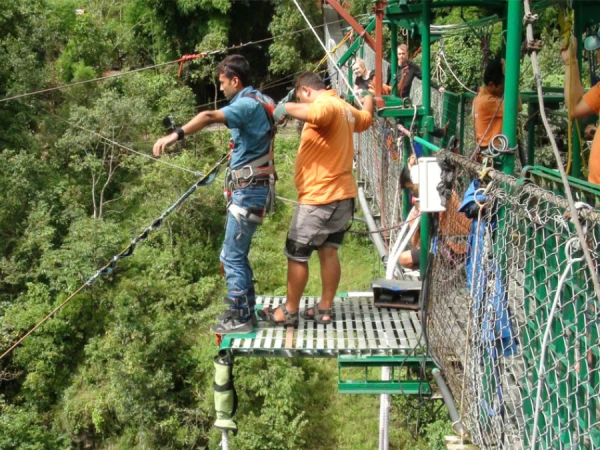
NPR 6,000–9,000 |
~80–101 m tower |
| Kushma Bungee |
Full day |
NPR 7,000–10,000 + transport |
228 m; ~65 km from Pokhara |
| Ultralight |
15–90 min |
~NPR 10,000–17,600+ |
Launches near airport; best Sept–May |
| Seti rafting |
Half day |
~NPR 6,000 |
Grade 2–3; beginner-oriented |
Choose by priority: ZipFlyer for speed, bungee for free-fall, ultralight for aerial sightseeing, and Seti rafting for a lower-grade river adventure. For any adventure booking, verify the operator, equipment, insurance, weather cancellation policy and current eligibility restrictions before paying. Current prices and operator requirements require verification before publication.
8. Visit the International Mountain Museum
The International Mountain Museum is one of the best Pokhara attractions for understanding Nepal's mountaineering history and Himalayan culture, particularly before or after a trek. It is about 3.8 km/11 minutes from Lakeside, close to the airport, and is open 8:30 AM–5 PM, 365 days a year. Official admission is NPR 750 for foreigners, NPR 350 for SAARC nationals and NPR 150 for Nepali citizens.
Allow around 1–2 hours. It suits first-time Nepal visitors, trekkers, families and mountain enthusiasts, and is a practical option when weather disrupts outdoor Pokhara sightseeing.
9. Explore Pokhara's Caves
Choose the cave according to your tolerance for darkness and physical terrain: Mahendra Cave is the easiest, Bat Cave is the more adventurous option, and Gupteshwor Mahadev Cave works best when combined with Davis Falls.
Helpful Resources: Is the Annapurna Circuit Trek Worth It
| Cave |
Approx. foreigner fee |
What to expect |
| Mahendra Cave |
NPR 150 |
~200 m; illuminated limestone; Shiva shrine |
| Bat Cave (Chamere Gufa) |
NPR 150 |
~150 m; unlit; torch included; narrow crawl exit |
| Gupteshwor Mahadev |
NPR 100 |
Claimed ~2,950 m; religious cave |
Mahendra is the practical family/easier choice. Bat Cave requires more physical confidence and is unsuitable for visitors uncomfortable with confined spaces. Gupteshwor is the strongest choice if you are already visiting Davis Falls. Expect stairs, uneven or wet terrain, and variable access; Gupteshwor's published hours conflict between sources, and its wetter second section can close during monsoon. Verify access immediately before visiting.
10. Explore Pokhara's Religious and Cultural Sites
Pokhara's cultural sightseeing is best experienced through a small selection of temples, monasteries and Tibetan communities rather than trying to visit every site. Bindhyabasini Temple is free and is listed in the research as Pokhara's oldest temple, with reported hours of 4 AM–7 PM. Tal Barahi Temple, located on Phewa Lake, is another easy cultural addition when boating.
For a deeper community experience, Pokhara has four Tibetan settlements: Tashi Ling, Tashi Palkhel, Jampaling and Paljorling. Tashi Ling, near Davis Falls, has around 250 families, a monastery, school and carpet workshop; Tashi Palkhel, established in 1962, is identified in the research as the oldest and largest. Entry is generally free or donation-based.
11. Walk Around Lakeside Pokhara
Lakeside is worth exploring even if you never shop; it is Pokhara’s main lakefront area for walking, cafés, restaurants, people-watching and the pre- or post-trek atmosphere. The Lakeside/Baidam strip runs roughly 2.5 km along Phewa Lake’s eastern shore.
Best Time and What to Combine: Go around late afternoon into evening: begin around 5:30 PM for sunset/golden-hour atmosphere, then continue with dinner or a café. Mountain visibility often decreases after about 7 PM because of cloud and haze. Combine Lakeside walking with Phewa Lake boating, Tal Barahi Temple, food or wellness.
Verdict: One of the easiest things to do near Lakeside Pokhara and particularly useful before or after trekking.
12. Experience Local Food in Pokhara
Trying local food is more valuable than simply restaurant-hopping because it adds Nepali and Tibetan-influenced food culture to your Pokhara sightseeing. Try momos (about NPR 100–250/plate), dal bhat (roughly NPR 150–400, often with refills) and local/Tibetan-style snacks. For a hands-on experience, a momo or dal-bhat cooking class takes about 3 hours and costs roughly US$38–39, with a local host and, in the researched example, round-trip hotel transfer. Café culture is another easy option around Lakeside.
Best approach: choose a local meal or cooking class when you want an experience; choose restaurant-hopping only if food discovery itself is your priority.
13. Take a Yoga, Meditation or Wellness Session
Wellness fits Pokhara particularly well after trekking because it provides a lower-effort alternative to adding another demanding activity. Options range from single yoga or meditation sessions and massages to multi-day retreats.
Research examples include a 3-day yoga/Ayurvedic massage retreat with three yoga sessions, three vegetarian meals daily and two nights’ accommodation; standalone massage/spa offerings vary considerably, with researched examples around $25–35 and a group spa package around €108. These are examples, not fixed current market prices.
Choose: yoga for gentle movement, meditation for quiet recovery, or massage/spa for relaxation. Verify current providers, schedules, inclusions and prices before booking.
14. Explore Pokhara by Bicycle
Cycling lets you explore more slowly than a taxi while adding physical activity, but route choice depends on current road, traffic and surface conditions. Bicycle rental is roughly NPR 200–800/day, depending on bike quality.
It suits travelers who want active Pokhara activities without committing to a trek. Before riding, check traffic, road conditions, heat, bike brakes/tires, hydration and your own physical effort. The available research does not establish a sufficiently reliable fixed route list, so specific routes should be verified locally rather than invented.
15. Experience a Local Village or Community-Based Activity
For a more distinctive experience, leave the tourist core for a legitimate village or community-based activity rather than treating local neighborhoods as attractions. Dhampus and Australian Camp are identified as short hill-hike options for village scenery and can work as day trips; Ghandruk and Sirubari require more time and are better treated as multi-day, trekking-adjacent destinations.
Prioritize experiences with legitimate local hosts, transparent benefits and respectful visitor access. Do not romanticize poverty, photograph private life without permission, or assume short-term volunteering or donations are automatically helpful. Community visits should involve participation and respect, not turning people's homes into sightseeing stops.
16. Visit Pumdikot and the Shiva Statue
Pumdikot is a free-entry hilltop attraction at about 1,500 m, known for its 108-ft structure: a 51-ft Shiva statue on a 57-ft stupa base. It is identified in the research as Nepal’s second-tallest Shiva statue. Reported distance from Pokhara center varies between 10.5 and 16 km, so confirm current routing locally.
The hilltop setting provides views and works best for travelers wanting places to visit in Pokhara beyond Lakeside. Add it only when current road routing makes sense with nearby southern-Pokhara sightseeing; otherwise, prioritize more central attractions.
17. Experience Pokhara at Night
The main evening zone is Lakeside/Baidam, stretching about 2.5 km along Phewa Lake's eastern shore. Good things to do in Pokhara at night include a lakeside dinner, cafés, live music, outdoor cinema, cultural performances and nightlife where currently operating.
Start around 5:30 PM for golden-hour atmosphere; mountain visibility often decreases after 7 PM because of cloud and haze. Most bars reportedly wind down around midnight–1 AM, although some weekend nightlife may continue later. Verify individual venues before visiting.
Best for: couples, solo travelers, groups and relaxed evenings.
18. Take a Cooking Class
A cooking class turns Pokhara's food scene into a hands-on experience, typically teaching dishes such as momos or dal bhat. A researched example takes about 3 hours, costs approximately US$38–39, and includes a local host and round-trip hotel transfer.
Choose a class based on local dishes, hands-on preparation and host interaction rather than simply restaurant sampling. It suits families, couples and travelers seeking unique things to do in Pokhara besides trekking. Current provider schedules, inclusions and booking requirements should be verified.
19. Explore Old Bazaar and Pokhara's History
Old Bazaar (Purano Bazaar) is Pokhara's oldest market district, characterized by narrow streets, small local shops, traditional eateries and temples, with a less tourist-oriented atmosphere than Lakeside.
Combine Old Bazaar with a museum or cultural site when you want lower-effort Pokhara sightseeing, especially in poor weather. The International Mountain Museum is particularly useful for travelers interested in Himalayan history and for things to do in Pokhara when it rains. Its official hours are 8:30 AM–5 PM daily, with admission of NPR 750 for foreigners, NPR 350 for SAARC nationals and NPR 150 for Nepali citizens.
20. Take a Relaxed Pokhara Day
One of the best things to do in Pokhara is simply slow down: combine Phewa Lake → lakefront walk → local food → café → massage or wellness → sunset instead of filling every hour with attractions.
This is particularly suitable for things to do in Pokhara after trekking, before a trek, couples, families and travelers who prefer things to do in Pokhara besides trekking. Wellness ranges from individual sessions to multi-day retreats; researched examples include a 3-day yoga/Ayurvedic massage retreat with three yoga sessions, three vegetarian meals daily and two nights' accommodation.
The point: rest is itself a legitimate Pokhara activity not wasted itinerary time.
Practical Tips Before You Visit Pokhara
Carry Nepali rupees for smaller expenses and local activities, and confirm payment methods locally. September–November generally offers clearer skies, March–May is warmer, June–September brings heavy rain and reduced mountain visibility, while December–February is cooler and quieter.
Pack light layers, warmer clothing for winter and rain protection during monsoon. Good-grip footwear is useful for caves, steep paths and wet or uneven surfaces. Carry basic sun protection for exposed outdoor activities.
For adventure activities, verify operator credentials, equipment, insurance, weather/cancellation policies and current eligibility before paying. Respect temples and local communities, ask before photographing people, and check current weather and activity regulations before outdoor adventures.
You Might Also Find Useful: MICE Tourism in Nepal
Why Choose Recreational Holidays for Trekking in Nepal?
Recreational holidays combine trekking with easier experiences such as lakes, food, culture, wellness and sightseeing. Pokhara is an ideal base before or after the Annapurna Base Camp Trek, Annapurna Circuit Trek, Poon Hill Trek, Mardi Himal Trek and Panchase Trek.
This approach lets you enjoy things to do in Pokhara besides trekking, including Pokhara attractions, Pokhara activities and Pokhara sightseeing, without filling every day with strenuous activity. Before a trek, choose gentle experiences; after trekking, prioritize the lake, food, walking and wellness.
More Guides to Explore
Sleeping Beauty of Mount Everest 2027
10 Best Peak Climbing in Nepal
Top 10 Best Waterfalls Near Kathmandu
Beauty of Lakuri Bhanjyang in Lalitpur
Where Is Nepal Located in Asia?
Top 10 Reasons to Visit Upper Mustang in Nepal
15 Amazing Things to do in Nepal