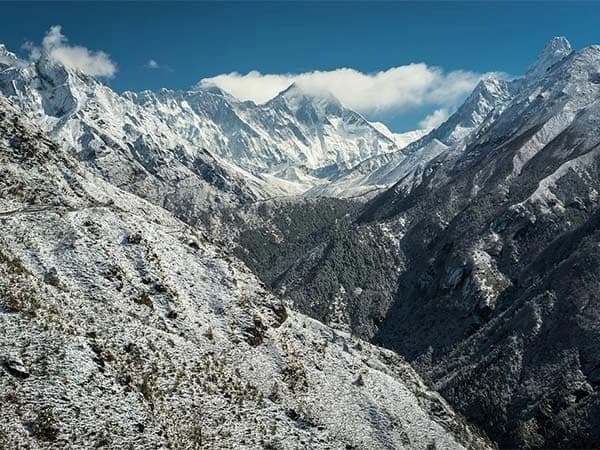
So, is Annapurna Circuit worth it? Yes, particularly for first-time Himalayan trekkers, photographers and travelers seeking landscape and cultural variety with comfortable teahouse infrastructure. If your priority is uninterrupted wilderness or virtually no road walking, Manaslu may be a better fit.
| Decision Factor |
2027 Assessment |
Why It Matters |
| Scenery |
Excellent |
Major landscape/climate-zone diversity |
| Culture |
Excellent |
Manangi, Gurung and Thakali communities |
| Road exposure |
Significant in two sections |
Biggest expectation issue |
| Wilderness |
Route-dependent |
High trails and upper circuit remain strong |
| Altitude |
Challenging |
Thorong La reaches 5,416 m |
| Infrastructure |
Well developed |
Teahouses and transport are widely available |
| Time |
10–18 days |
13–16 days is the practical sweet spot |
| Cost |
~$700–2,500 |
Depends heavily on service level |
| Best for |
Variety + high-altitude adventure |
Strong all-round Himalayan experience |
| Biggest drawback |
Road sections |
Less continuous wilderness |
✓
Immediate Verdict: Is the Annapurna Circuit Worth It?
Yes — if you value diverse landscapes, cultural variety, the challenge of Thorong La, and the comfort of teahouse trekking. Think twice if road walking significantly reduces your enjoyment. Choose another trek if your priority is continuous wilderness, a very short itinerary, or specifically experiencing Everest and Sherpa culture.
💡 Best for: Landscape variety • Culture • Thorong La • Teahouse comfort
Is the Annapurna Circuit Worth Your Time, Money and Effort?
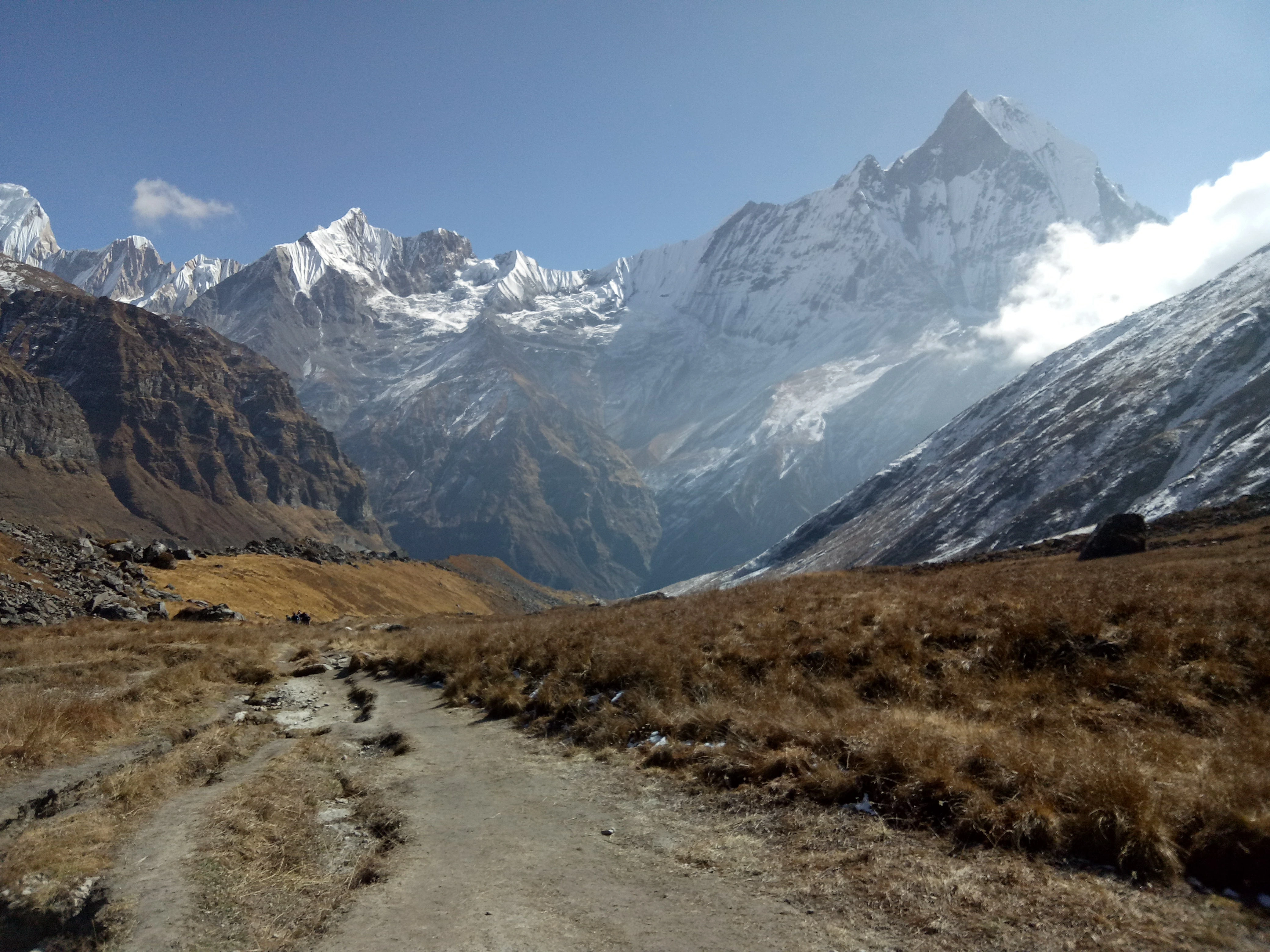
A useful Annapurna Circuit review should judge five things: experience, time, physical effort, financial value and personal fit. The trek is a strong match for diverse landscapes, high-altitude adventure, cultural variety, Thorong La and comfortable teahouse trekking; it deserves more caution for continuous wilderness, minimal road walking or short vacations.
For time, realistic itineraries range from about 10–18 days. Fast versions can take around 11 days by driving to Chame, while traditional Besisahar-start itineraries run 15–18 days. The research identifies 13–16 days as the most comfortable range. Physically, it is moderate to challenging, with roughly 5–7 hours of walking daily and an 8–10-hour Thorong La day.
Financially, current research indicates approximately US$700–2,500 per person, depending on whether you choose budget guided arrangements, standard guided-and-porter service, or private/full-service trekking. For personal fit, the decisive question is simple: does the experience you want outweigh the road exposure?
What Has Changed on the Annapurna Circuit by 2027?
The biggest change is transportation and road development, not the loss of the entire trekking experience. Besisahar–Manang now has a full jeep road; Chame–Pisang–Manang has road sections alongside trekking trails; and Muktinath–Jomsom–Beni is substantially road-based. Meanwhile, Manang–Thorong Phedi–Thorong La–Muktinath remains roadless.
Modern infrastructure also means better village access, medical and supply access, transportation options and more developed teahouse logistics. Wi-Fi is available at most teahouses but becomes patchy near the pass; charging commonly costs extra above Manang. Basic twin rooms and shared bathrooms remain standard, while attached bathrooms are available in some villages.
The practical result is a different Annapurna Circuit Trek 2027, not necessarily a worse one. Trekkers can drive the least appealing road-heavy sections, use the Ghyaru–Ngawal high route between Pisang and Manang, and potentially fly Jomsom–Pokhara in about 25 minutes instead of taking the western road. The key is choosing the route strategically rather than expecting the old road-free circuit.
For anyone asking “Is Annapurna Circuit still worth it?” the answer depends less on whether roads exist and more on whether you are willing to plan around them.
Has Road Construction Ruined the Annapurna Circuit?
No. The Annapurna Circuit is more road-accessible than its older reputation suggests, but its defining high-altitude section remains roadless. Roads mainly affect Besisahar–Manang and Muktinath–Jomsom–Beni; the Manang–Thorong Phedi–Thorong La–Muktinath section remains the core trekking experience.
| Section |
2027 reality |
Best approach |
| Besisahar–Manang |
Full jeep road; formerly 5–6 walking days |
Jeep if time/road walking is not your priority |
| Chame–Pisang–Manang |
Road parallels much of the route |
Take the Ghyaru–Ngawal high trail |
| Manang–Thorong La–Muktinath |
Roadless |
Walk |
| Muktinath–Jomsom–Beni |
Extensive jeep road |
Walk selectively or use transport |
| Jomsom–Pokhara |
Road or ~25-minute flight |
Fly to avoid the long road journey |
The roads removed roughly 4–5 days of quieter scenic walking from the traditional circuit, but they also improved medical access, supplies, transport and village connectivity.
Where Are the Best Road Alternatives?
The Ghyaru–Ngawal high route between Pisang and Manang adds about half a day but provides better views and a stronger trekking experience than following the road. The high-altitude section beyond Manang has no equivalent road shortcut.
Should You Walk Every Road Section?
No. If your goal is the best Annapurna Circuit Trek review rather than completing every kilometre on foot, use transport strategically. Preserve your energy for the high-altitude sections where the trekking experience is strongest.
A Jomsom–Pokhara flight takes about 25 minutes and is a practical way to avoid the western road section.
Who Will Be Disappointed by the Roads?
Trekkers expecting continuous, road-free wilderness may feel the circuit has lost something. If that is your priority, Manaslu is a better alternative. Trekkers who value landscape diversity, cultural variety, Thorong La, teahouse comfort and flexible transport may actually benefit from the modernization.
What Is the Annapurna Circuit Actually Like in 2027?
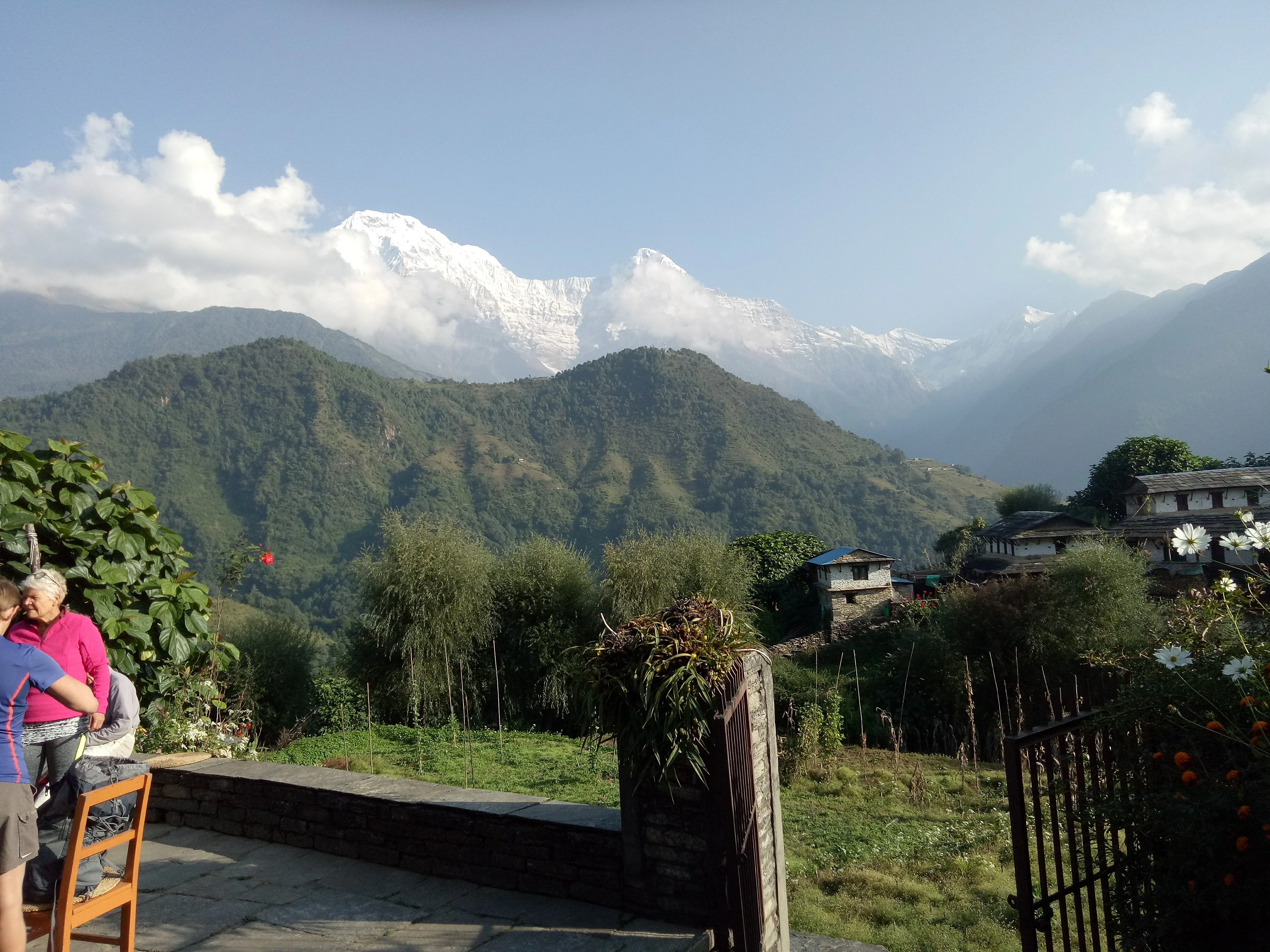
The Annapurna Circuit's biggest strength is its rapid landscape change: subtropical forest → pine forest → alpine terrain → high mountain desert → Trans-Himalayan rain-shadow landscape, culminating at Thorong La, 5,416 m (17,769 ft).
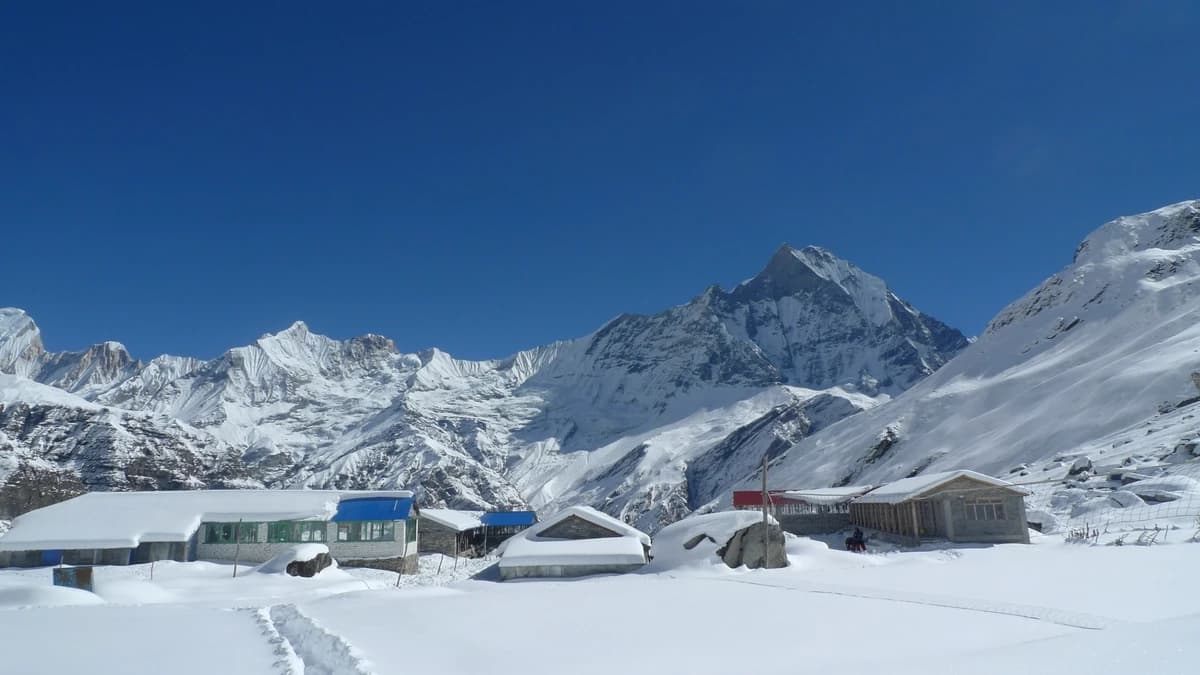
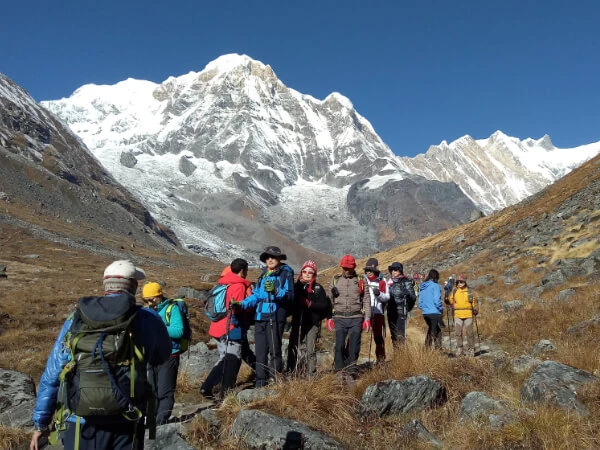
The Lower Marsyangdi Valley is greener, with forests, waterfalls and villages. Around Pisang, the higher Ghyaru–Ngawal trail delivers stronger mountain scenery. Manang at 3,519 m is the key acclimatization stop, with side hikes such as Ice Lake and Gangapurna viewpoint.
Beyond Manang, vegetation becomes increasingly sparse and the terrain more alpine. Thorong Phedi is the final major staging point before crossing Thorong La. After the pass, the descent to Muktinath leads into the drier Kali Gandaki Valley, eventually reaching the distinctly arid Mustang rain-shadow landscape.
How Does the Landscape Change?
Subtropical → Forest → Alpine → High Mountain → Trans-Himalayan/Rain Shadow
This extraordinary environmental progression is a major reason the Annapurna Circuit is worth doing despite its road sections.
ANNAPURNA CIRCUIT EXPECTATIONS VS REALITY
| You may expect |
What you actually get |
| Remote wilderness everywhere |
Remote high-altitude trekking, but roads near both ends |
| No roads |
Significant roads around Besisahar–Manang and Muktinath–Jomsom–Beni |
| Basic teahouses |
Established teahouse infrastructure; shared bathrooms remain common |
| Constant mountain views |
Excellent mountain scenery, but not uninterrupted views every day |
| Easy trekking because of lodges |
Moderate to challenging, mainly because of altitude |
| Quiet trails |
Quieter high trails, with vehicle traffic on road sections |
| Simple logistics |
Easier transport, but permits, guide requirements and acclimatization still matter |
| One landscape |
Major transition from subtropical forest to Trans-Himalayan desert |
| Completely traditional trekking |
Traditional villages and teahouses combined with modern road access |
So, is Annapurna Circuit still worth it? Yes provided you expect a modernized but still highly diverse Himalayan trek, rather than the completely road-free circuit described in older guides. That distinction is central to any honest Annapurna Circuit Trek 2027 decision.
Related Trek Guides
Annapurna Base Camp Trek in September
Everest Base Camp Trek in November
Manaslu Circuit Trek in November
Everest Base Camp Trek in October
Why Is the Annapurna Circuit Still Worth Doing?
Yes the Annapurna Circuit remains worth doing because few Nepal treks combine this much landscape and cultural change with one major high-altitude pass in 10–18 days. Its route moves from subtropical valleys and forests into alpine terrain, then across Thorong La at 5,416 m (17,769 ft) before dropping into the dry Kali Gandaki and Mustang rain shadow.
- Landscape diversity: The rapid shift from green lower valleys to pine forest, barren alpine terrain and Trans-Himalayan desert is the route's biggest advantage.
- Cultural diversity: Gurung, Manangi and Thakali communities provide more cultural variety than a single-region trek.
- Manang: At 3,519 m, it is both a cultural highlight and the key acclimatization stop.
- Thorong La: The defining achievement of the trek and its highest point at 5,416 m.
- Muktinath: A major cultural and pilgrimage destination after the pass.
- Mustang and Kali Gandaki: The landscape becomes dramatically drier as you enter the rain shadow.
- Mountain views: The higher trails around Pisang, Ghyaru and Ngawal provide strong Himalayan scenery.
- Teahouse experience: Established teahouses make the route more accessible without removing its high-altitude challenge.
- Route flexibility: You can combine walking with jeeps, shorten the lower road sections, or build a longer itinerary.
- Side trips: Tilicho Lake (4,919 m) adds 2–3 days; Nar Phu adds 4–5 days with a separate restricted permit.
How Difficult Is the Annapurna Circuit Really?
The Annapurna Circuit is moderate to challenging, but it is not a technical climb: ropes or climbing equipment are normally unnecessary. The main difficulty is altitude, combined with long walking days and the Thorong La crossing. Most days take 5–7 hours, while pass day can take 8–10 hours.
| Section |
Physical difficulty |
Altitude difficulty |
Main challenge |
| Lower section |
Moderate |
Low–moderate |
Distance/road |
| Pisang–Manang |
Moderate |
Moderate |
Climbing + altitude |
| Manang acclimatization |
Low walking |
High |
Adjusting at 3,519 m |
| Manang–Thorong |
Challenging |
High |
Altitude |
| Thorong La |
Challenging |
Very high |
5,416 m + long day |
| Pass descent |
Challenging |
High |
~1,600 m descent; knees |
Can a First-Time Trekker Do the Annapurna Circuit?
Yes, if reasonably fit and properly prepared. Research recommends around 8 weeks of preparation, including stairs/hill walking 3–4 times weekly, weekend 4–6-hour loaded-pack hikes, and being comfortable with 15–20 km of hilly walking before arrival. A beginner with little hiking experience should not confuse good fitness with altitude experience.
Also read: Is Annapurna Part of Everest?
ALTITUDE AND ACCLIMATIZATION
The highest point is Thorong La at 5,416 m (17,769 ft), making altitude more important than total distance when judging whether the trek is worth the effort.
Manang (3,519 m) should be treated as the essential acclimatization stop. Standard side hikes include Ice Lake and Gangapurna viewpoint; the research strongly advises against skipping this acclimatization day. Above 3,000 m, walk slowly and use a gradual itinerary. General guidance includes 3–4 L of water daily and the principle of climbing high while sleeping lower where practical.
Common altitude symptoms include headache, fatigue, dizziness and nausea. Confusion or breathlessness at rest are serious warning signs requiring descent rather than pushing onward. Do not continue upward when symptoms are worsening. Diamox should only be considered with appropriate medical advice; avoid alcohol and sleeping pills above 3,000 m.
For anyone asking “Should I trek Annapurna Circuit?” the key test is not simply fitness it is whether you can respect altitude, acclimatization and the 5,416 m pass.
How to Plan the Annapurna Circuit So It Is Actually Worth It
For the Annapurna Circuit Trek 2027, the best plan is usually 13–16 days: enough time for acclimatization without spending unnecessary days on road sections. Choose your starting point according to available time, use the Ghyaru–Ngawal high trail, keep Manang (3,519 m) as your acclimatization stop, cross Thorong La (5,416 m) without rushing, and keep a weather/health buffer.
Decision flow: Days available → fitness → altitude experience → road tolerance → side trips → route.
If you want a professionally organized option, Recreation Holidays currently offers an Annapurna Circuit package with a government-licensed English-speaking guide, permits, teahouse accommodation, meals and transport; its current package starts at US$840, with group pricing of $999 (1), $870 (2–4), $840 (5–8), and $799 (9–14).
WHICH ANNAPURNA CIRCUIT ROUTE IS BEST?
| Option |
Time |
Best for |
| Traditional/full Circuit |
15–18 days |
Maximum walking and gradual pace |
| Short/road-assisted |
~10–12 days |
Limited time, fit trekkers |
| Trail-focused |
13–16 days |
Less road, stronger trekking |
| Circuit + Tilicho |
+2–3 days |
Side-trip seekers |
| Circuit + Nar Phu |
+4–5 days |
More remote experience |
HOW MUCH DOES THE ANNAPURNA CIRCUIT TREK COST IN 2027?
Recreation Holidays offers the Annapurna Circuit Trek from US$840 per person, with group rates of US$999 for 1 person, $870 for 2–4, $840 for 5–8, and $799 for 9–14 people. The package includes teahouse accommodation, meals, Kathmandu/Pokhara accommodation, required transport, a government-licensed English-speaking guide, permits, first-aid kit, luggage storage, farewell dinner, taxes and official charges.
It excludes Nepal visa, international airfare, insurance, personal expenses, drinks, hot showers, Wi-Fi, charging, snacks and tips. Porter service costs US$240 per porter, generally one porter for every two trekkers. Confirm the final 2027 price and inclusions before booking.
Related reading: Annapurna Circuit Trek Map
PERMITS AND REGULATIONS
For 2027, foreign trekkers on the Annapurna Circuit must trek with a licensed guide and agency-issued TIMS card under the current Nepal Tourism Board rules. TIMS is currently NPR 2,000 for non-SAARC trekkers and NPR 1,000 for SAARC trekkers.
The ACAP fee is currently NPR 3,000 for foreign nationals and NPR 1,000 for SAARC nationals. Carry your permits through checkpoints and verify fees, guide rules, TIMS procedures and any 2027 changes with NTB or your registered agency immediately before departure. Current 2026 rules should not be presented as confirmed 2027 regulations.
This is also why “Is Annapurna Circuit worth the money?” depends heavily on what your package actually includes not simply its advertised starting price. Because you are already at ~2,266 words, I’m keeping this extremely compressed. The following sections are designed to add only the essential technical information, and we should do a final cut of the full article afterward to bring it under 2,200 words. I’m using the supplied research as the factual basis.
When Is the Annapurna Circuit Worth Doing?
Late September–November is the best overall window, with late October–early November particularly good for photography. Spring (March–May) is the second-best period. Winter requires experience because Thorong La can close after heavy snow, while monsoon brings mud, leeches and landslide risk below Chame.
| Month |
Conditions |
Verdict |
| January |
Very cold; snow can close Thorong La; High Camp may reach −15°C or lower |
Experienced only |
| February |
Cold, snow risk and possible high-teahouse closures |
Experienced only |
| March |
Spring begins; improving conditions and rhododendrons |
Good |
| April |
Warm, rhododendrons; increasing haze late month |
Good |
| May |
Warmer but pre-monsoon weather becomes less stable |
Good–fair |
| June |
Monsoon begins; muddy/leech-heavy lower trails |
Not recommended |
| July |
Wet lower valleys; landslide risk; upper Mustang remains drier |
Not recommended |
| August |
Similar monsoon conditions; rain-shadow upper valley is the exception |
Not recommended |
| September |
Post-monsoon improvement; conditions can still change temporarily |
Good late month |
| October |
Clear, stable and excellent visibility |
Best |
| November |
Clear and stable; colder later in month |
Best |
| December |
Increasing cold and snow risk |
Experienced only |
What Is Accommodation Really Like on the Annapurna Circuit?
Expect basic twin-bed teahouses with shared bathrooms. Some villages offer attached bathrooms for an additional charge, but these become rarer at higher elevations. Hot showers cost roughly NPR 300–500 higher on the route.
Most teahouses offer Wi-Fi for a small fee, although it becomes patchy near Thorong La. Charging is often paid above Manang, so carry a 20,000 mAh power bank. Higher-altitude lodges are more basic, and peak autumn/spring demand makes early booking particularly important. ATMs largely disappear after Besisahar/Chame, so carry sufficient Nepali rupees.
What Is a Typical Trekking Day Actually Like?
A typical day starts with breakfast, followed by 5–7 hours of walking, lunch on the trail, an afternoon arrival at the next teahouse, and an evening meal/rest. Pass day is substantially longer at around 8–10 hours. Above 3,000 m, slower walking and acclimatization become increasingly important.
What Food Can You Expect?
Dal bhat is the trekker staple, commonly with free refills. Other choices include thukpa/thenthuk, noodles, rice and momos; breakfast options vary by teahouse. Above Manang, meat is best avoided because refrigeration becomes less reliable. Around Marpha and Jomsom, apple products are a local specialty.
What Should You Pack for the Annapurna Circuit in 2027?
Pack for warm lower valleys and freezing high altitude: layered clothing, trekking boots, warm sleeping gear, insulated cold-weather clothing, rain protection, sun protection, a reliable water system, power bank/electronics, passport and permits, and basic first-aid/personal medicines. A 20,000 mAh power bank is particularly useful because charging becomes paid and less convenient above Manang.
You do not need technical climbing equipment for the standard Circuit; it is a trekking route rather than a technical mountaineering expedition. Keep luggage manageable and use a porter if preferred. The most important packing priorities are warmth, waterproofing, footwear, hydration, sun protection and documents.
Packing Checklist
| Essential |
Why it matters |
| Layered/warm clothing |
Large temperature change with altitude |
| Trekking boots |
Long walking days and variable terrain |
| Warm sleeping gear |
Freezing nights at altitude |
| Rain protection |
Spring/monsoon/post-monsoon showers |
| Sun protection |
Strong high-altitude UV |
| Water system |
Supports 3–4 L/day hydration guidance |
| 20,000 mAh power bank |
Paid/limited charging above Manang |
| Passport/permits |
Checkpoints and regulations |
| First-aid/personal items |
Basic trekking emergencies |
Final Verdict: IS THE ANNAPURNA CIRCUIT WORTH IT IN 2027?
Yes the Annapurna Circuit Trek is still worth it in 2027 if you want exceptional landscape diversity, cultural variety, teahouse comfort and the challenge of Thorong La at 5,416 m. Roads have changed parts of the route, but the high-altitude core remains roadless. Allow 13–16 days for the best balance of trekking, acclimatization and flexibility. If continuous wilderness is your priority, consider Manaslu instead.
Why Choose Recreation For The Annapurna Circuit Trek in 2027?
Recreation Holidays is a practical choice if you want the Annapurna Circuit organized with a government-licensed English-speaking guide, permits, accommodation, meals and transportation handled through one package. Their current Annapurna Circuit package starts from US$799–999 per person depending on group size, with porter service available separately. Confirm the final 2027 price and inclusions before booking.
If the Annapurna Circuit is not your ideal trek, you can also explore Recreation Holidays' other Nepal trekking options through internal links, including Everest Base Camp Trek, Annapurna Base Camp Trek, Manaslu Circuit Trek, Mardi Himal Trek, Langtang Valley Trek, Ghorepani Poon Hill Trek, Upper Mustang Trek and Nar Phu Valley Trek.
More Nepal Trekking Guides
Where Is Mount Everest Located in Asia?
Reasons to Visit Upper Mustang in Nepal
Everest Base Camp Food List
Is Kanchenjunga Base Camp Trek Worth It?
Sleeping Beauty of Mount Everest