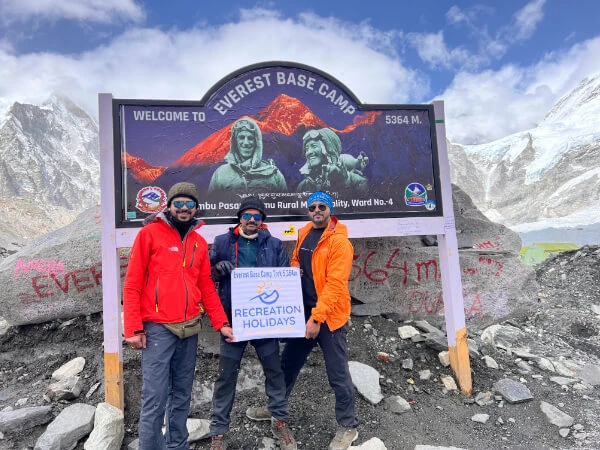
Planning an Everest Base Camp Trek in October? The answer is yes October is widely regarded as the best month for trekking to Everest Base Camp. The post-monsoon atmosphere brings crystal-clear skies, stable weather, dry trails, and exceptional Himalayan visibility. While it's the busiest trekking season with higher demand for flights and tea houses, the overall trekking conditions are difficult to match.
EBC Trek October Snapshot Scorecard
| Category |
Rating |
| Weather |
⭐⭐⭐⭐⭐ |
| Mountain Views |
⭐⭐⭐⭐⭐ |
| Crowds |
⭐⭐⭐⭐☆ |
| Photography |
⭐⭐⭐⭐⭐ |
| Wildlife |
⭐⭐⭐⭐☆ |
| Beginner Friendly |
⭐⭐⭐⭐☆ |
| Tea House Availability |
⭐⭐⭐☆☆ |
| Lukla Flight Reliability |
⭐⭐⭐⭐☆ |
Is October the Best Month for Everest Base Camp Trek?
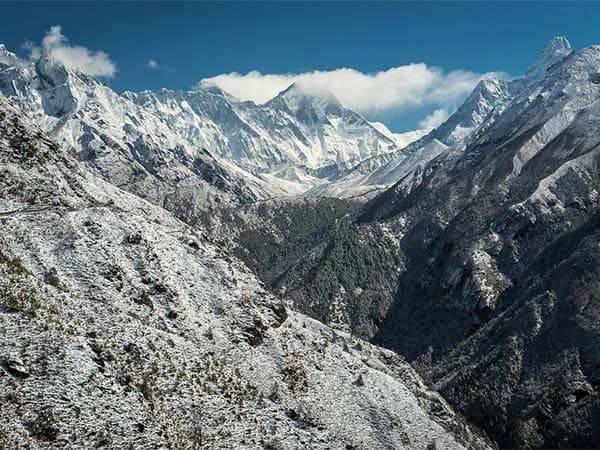
October consistently ranks as the best time for the Everest Base Camp Trek because it combines stable post-monsoon weather, excellent visibility, comfortable daytime temperatures, and reliable trekking conditions. Clear mornings provide outstanding views of Mount Everest, Ama Dablam, Lhotse, and Nuptse, while dry trails make walking safer and more enjoyable. The main trade-off is that October is Nepal's busiest trekking month, so flights, guides, porters, and tea house accommodation should be booked well in advance.
Everest Base Camp Trek in October at a Glance
| Feature |
October |
| Season |
Autumn (Post-Monsoon) |
| Average Day Temperature |
10–18°C (lower elevations), 3–10°C (higher elevations) |
| Average Night Temperature |
5°C to below -8°C depending on altitude |
| Rainfall |
Low |
| Snow Probability |
Low (higher near Kala Patthar & EBC) |
| Visibility |
Excellent |
| Sunrise |
Around 6:00–6:20 AM |
| Sunset |
Around 5:30–5:50 PM |
| Crowd Level |
High |
| Best For |
First-time trekkers, photographers, and autumn trekking |
| Main Challenges |
Busy trails, limited tea house availability, and advance booking required |
What Makes October Different From Every Other Month?
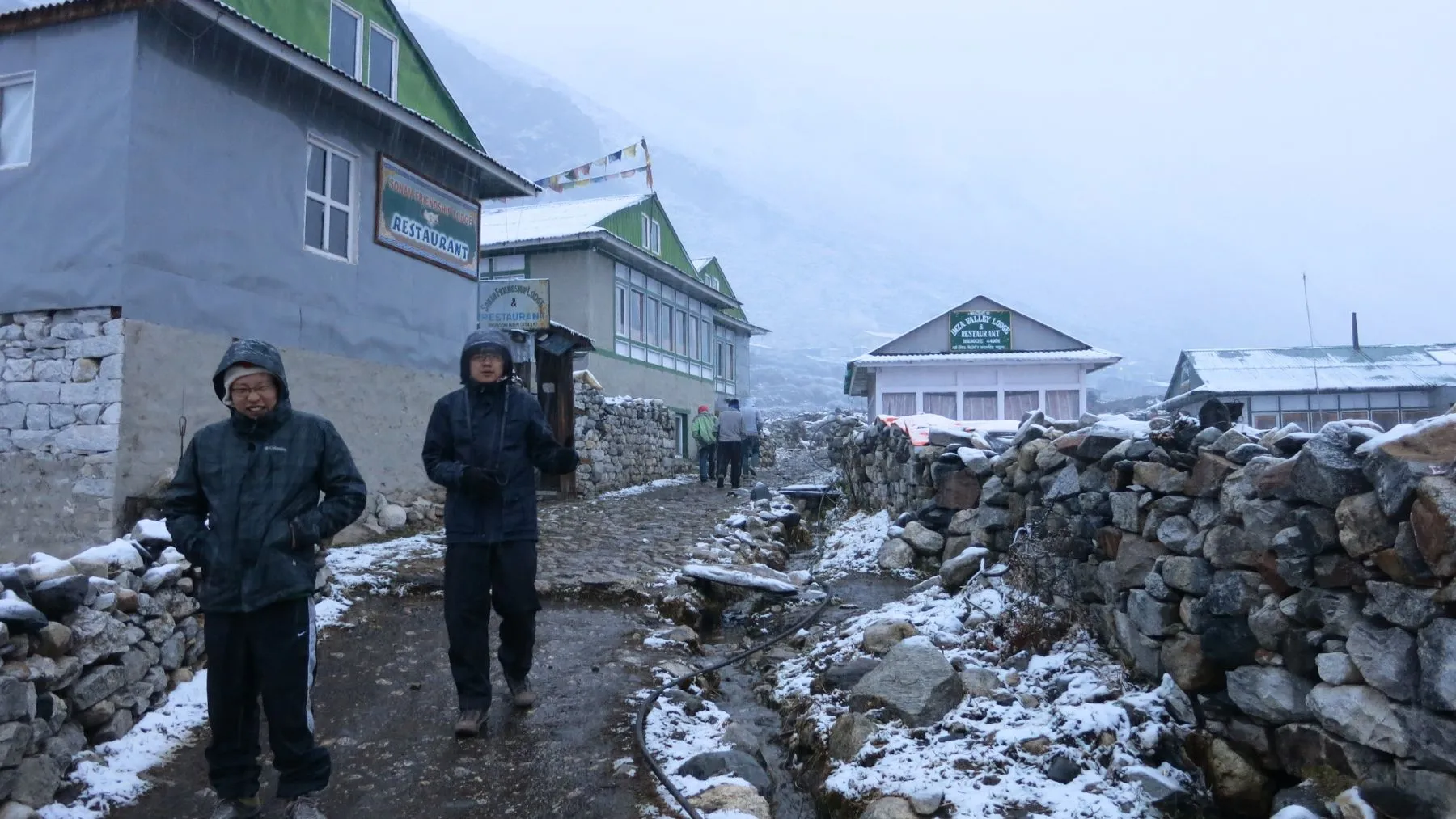
Unlike spring or the transitional conditions of September, October offers the most consistent trekking environment of the year. The retreating monsoon leaves the atmosphere exceptionally clean, producing crystal-clear skies, long-distance visibility, and dry trekking trails throughout the Khumbu Region. Comfortable daytime temperatures reduce heat stress at lower elevations, while cool nights create ideal conditions for acclimatization and mountain photography. October also coincides with Nepal's festive season, so trekkers may experience celebrations such as Dashain, with Tihar or Mani Rimdu depending on the year's lunar calendar.
Guide Insight: Our guides often describe October as the month when the Himalayas feel closest. The clean post-monsoon air consistently delivers some of the clearest panoramic views of the Everest region, especially during early mornings.
You May Also Like: Everest Base Camp Trek in September (2026–2027)
October Weather Explained (Not Just Temperatures)
🌅 Morning
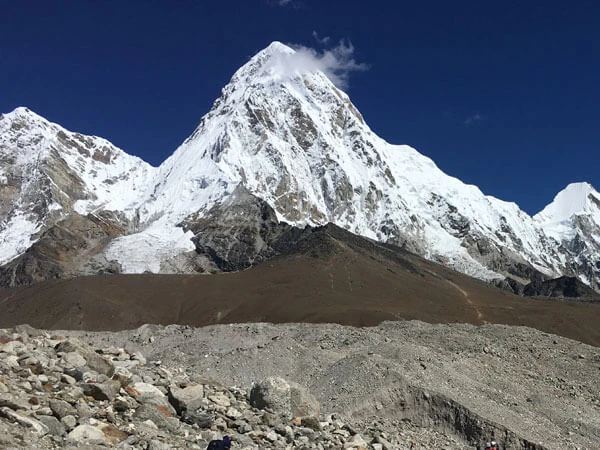
Mornings are typically cold and calm with the clearest visibility of the day. Frost is common above Dingboche, while sunrise offers spectacular views over Everest Base Camp, Kala Patthar, and the surrounding peaks. A warm down jacket and gloves are essential before the sun reaches the trail.
☀️ Midday
As temperatures rise, trekking becomes comfortable across most of the route. Although the air feels pleasant, strong Himalayan UV radiation at high altitude requires sunscreen, sunglasses, and adequate hydration.
🌤️ Afternoon
October afternoons generally remain stable with only occasional cloud development. Light valley winds are common, particularly near Lobuche, Gorak Shep, and exposed ridges, but rainfall is uncommon during the peak autumn season.
🌇 Evening
Temperatures fall rapidly after sunset, especially above 4,000 m. Trekking jackets, insulated layers, hats, and gloves become necessary once the sun disappears behind the surrounding peaks.
🌙 Night
Nights are cold throughout the Everest Base Camp Trek in October, with freezing temperatures common from Lobuche onward. Low humidity and clear skies increase overnight heat loss, making a proper layering system and a quality sleeping bag important for a comfortable night's rest.
Read More: Top 10 Best Waterfalls Near Kathmandu
Route-by-Route October Conditions
October offers the most stable weather of the year, but temperatures drop steadily with altitude. While lower valleys remain comfortable during the day, villages above Dingboche experience freezing nights, making a proper layering system essential.
| Location |
Altitude |
Day Temp |
Night Temp |
Typical Weather |
Crowd |
Clothing Recommendation |
| Lukla |
2,860 m |
13–18°C |
6–9°C |
Clear, mild, dry |
High |
Light layers, fleece |
| Phakding |
2,610 m |
14–19°C |
7–10°C |
Pleasant, stable |
Moderate |
Trekking clothes, light jacket |
| Namche Bazaar |
3,440 m |
11–16°C |
2–5°C |
Clear mornings, cool evenings |
High |
Fleece & insulated jacket |
| Tengboche |
3,860 m |
8–13°C |
0–3°C |
Dry with excellent visibility |
High |
Warm layers, gloves |
| Dingboche |
4,410 m |
6–11°C |
-3 to 0°C |
Cold, sunny days |
High |
Down jacket, thermal layers |
| Lobuche |
4,940 m |
4–8°C |
-7 to -4°C |
Windy, frosty mornings |
High |
Down jacket, winter accessories |
| Gorak Shep |
5,164 m |
2–7°C |
-10 to -6°C |
Cold, dry, windy |
Very High |
Full winter layering |
| Everest Base Camp |
5,364 m |
1–6°C |
Below -10°C |
Glacier environment, clear skies |
High |
Down jacket, insulated gloves |
| Kala Patthar |
5,545 m |
-2 to 4°C |
Well below -10°C |
Strong wind, exceptional visibility |
Very High |
Heavy down jacket, hat, gloves |
October Week-by-Week Guide
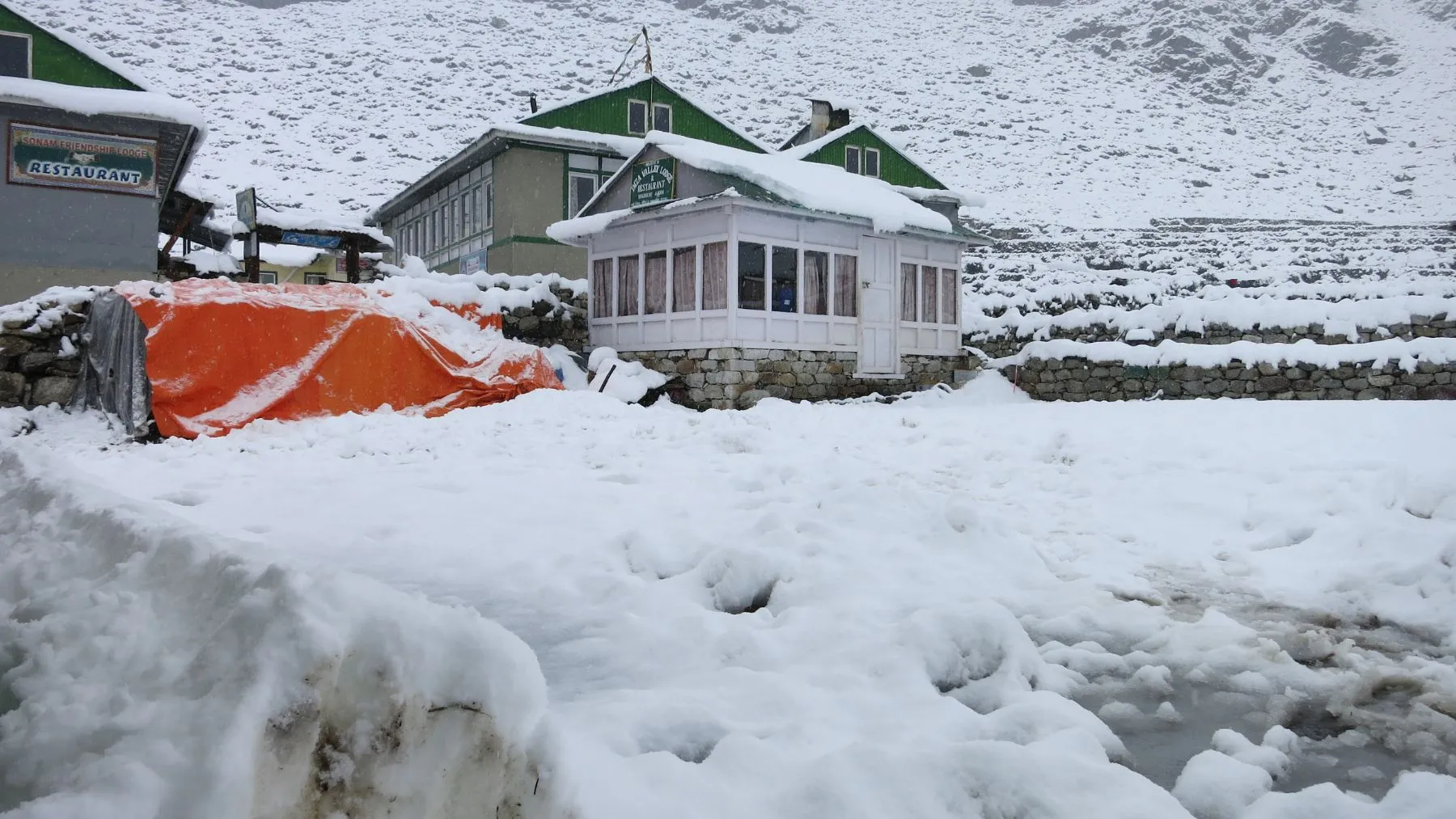
Early October (1–10)
Weather becomes consistently stable after the monsoon, with dry trails and improving visibility. Lukla flights are generally reliable, although trekking traffic begins increasing around the Dashain Festival. Excellent for photography thanks to lush valleys and clear mountain views.
Mid October (11–20)
Often considered the best period for the Everest Base Camp Trek in October. Crystal-clear skies, comfortable daytime temperatures, highly reliable flights, and outstanding panoramas of Everest, Ama Dablam, Lhotse, and Nuptse. Expect peak-season crowds and busy tea houses.
Late October (21–31)
Weather remains excellent, although nights become noticeably colder above Dingboche. Crowds remain high, accommodation fills quickly, and festivals such as Mani Rimdu may occur depending on the lunar calendar. Sunrise photography is exceptional.
Continue Reading: famous dead bodies mount everest
What a Typical Trekking Day Feels Like in October
| Time |
Experience |
| 5:00 AM |
Freezing temperatures, clear skies, and warm layers required. |
| 7:00 AM |
Spectacular Himalayan sunrise with excellent mountain visibility. |
| 10:00 AM |
Comfortable trekking weather with ideal walking conditions. |
| 12:00 PM |
Warm sunshine with intense UV exposure at high altitude. |
| 3:00 PM |
Cooler breezes develop along exposed sections and ridges. |
| 6:00 PM |
Temperatures drop quickly after sunset; tea houses become the main gathering point. |
| Night |
Freezing conditions above Lobuche, requiring insulated clothing and a quality sleeping bag. |
October Weather vs. Temperature vs. Wind Chill
During the Everest Base Camp Trek in October, the actual air temperature often feels much colder because of wind chill, altitude, and low humidity. For example, 2°C at Gorak Shep or Kala Patthar can feel well below freezing when exposed to strong mountain winds. Conversely, direct sunshine during the day can make similar temperatures feel surprisingly comfortable. This is why trekkers should rely on a layering system rather than temperature alone, adding or removing layers as weather, wind, and elevation change.
How Crowded Is Everest Base Camp in October?
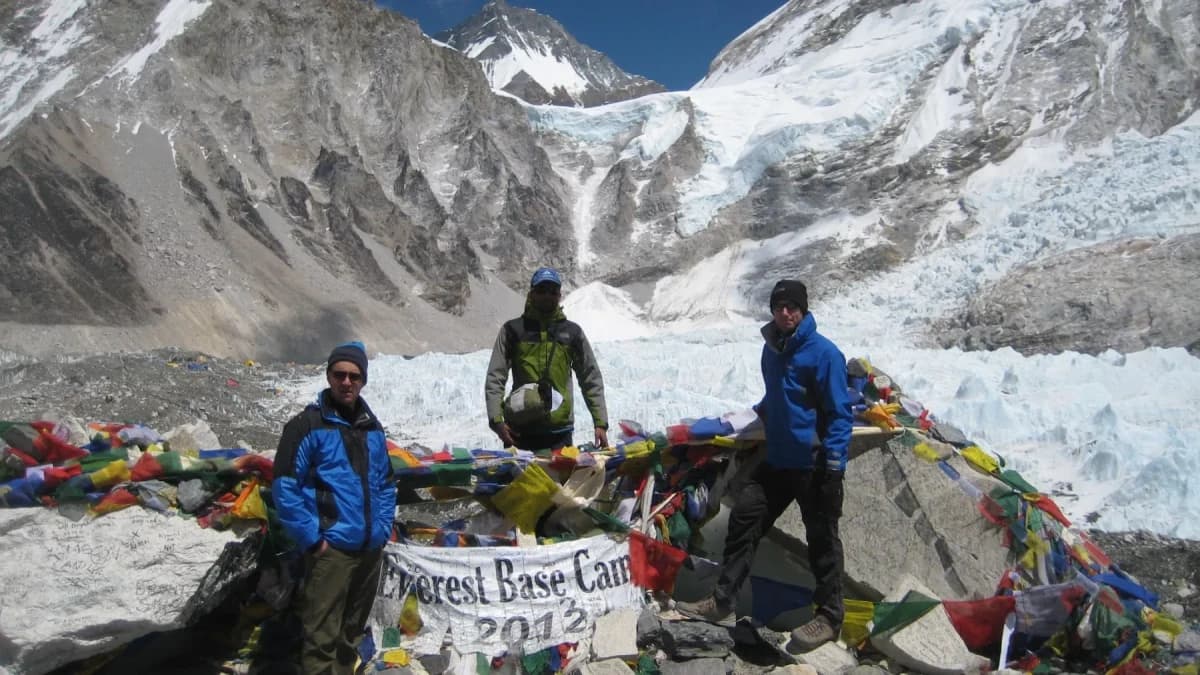
October is Nepal's peak trekking season, so popular villages such as Namche Bazaar, Tengboche, Lobuche, and Gorak Shep are busy throughout the month. Kala Patthar at sunrise, Everest Base Camp, and Lukla Airport experience the highest visitor numbers, while tea houses especially in Lobuche and Gorak Shep often reach full capacity during mid and late October.
To avoid the busiest periods, begin trekking early each morning, reserve flights, guides, and accommodation well in advance, and consider starting your trek in early October when conditions are excellent but slightly less crowded than the peak weeks later in the month.
Lukla Flights in October for Everest Base Camp Trek
October is the busiest month for Lukla flights, but it also offers some of the year's most reliable flying conditions. Most flights depart early in the morning when visibility is highest and winds are calm. During peak season, many flights operate from Ramechhap Airport (Manthali) instead of Kathmandu to ease air traffic congestion. Despite stable weather, flight schedules can still be affected by operational backlogs, making 1–2 buffer days highly recommended.
Helicopter charters are available if fixed-wing flights are delayed or cancelled, subject to weather and availability.
Should You Keep 2 Buffer Days? ✅ Yes. Even in October, buffer days are strongly recommended to accommodate possible flight delays or schedule changes.
EBC Accommodation in October
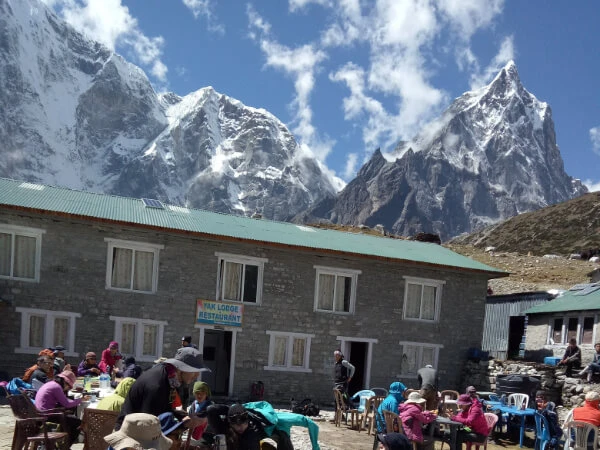
Tea houses are fully operational during October, but demand is at its highest. Popular villages such as Namche Bazaar, Lobuche, and Gorak Shep often fill up by early afternoon, so advance booking through a guide is recommended.
| Facility |
Availability in October |
| Twin Shared Rooms |
✅ Widely Available |
| Attached Bathrooms |
Limited (mainly Lukla & Namche) |
| Dining Halls |
✅ Heated communal areas |
| Blankets |
✅ Available (sleeping bag recommended) |
| Charging |
Paid service at most lodges |
| Hot Showers |
Paid, limited at higher elevations |
| Wi-Fi |
Available in many villages (paid) |
| Electricity |
Solar or hydro power; occasional outages |
Worth Reading: Sleeping beauty of mount everest
Food & Drinks During the October Trek
Tea houses offer extensive menus throughout October. Dal Bhat remains the most popular meal because it provides balanced nutrition and free refills in many lodges. Other common options include noodles, pasta, fried rice, potatoes, soups, pancakes, eggs, and bakery items in larger villages.
Drink 3–4 litres of water daily, especially above 4,000 m, to reduce dehydration and support acclimatization. Prices increase with altitude because supplies are transported by porters, yaks, or helicopters.
Everest Base Camp Trek Cost in October
The Everest Base Camp Trek cost in October varies depending on your trekking style and group size.
1. Standard Everest Base Camp Trek
| Group Size |
Price (Per Person) |
| 1 Pax |
US$1,670 |
| 2–4 Pax |
US$1,300 |
| 5–8 Pax |
US$1,190 |
| 9–14 Pax |
US$1,170 |
Starting from US$1,190 per person.
2. Luxury Everest Base Camp Trek
| Group Size |
Price (Per Person) |
| 1 Pax |
US$4,880 |
| 2–5 Pax |
US$3,790 |
| 6–9 Pax |
US$3,700 |
| 10–14 Pax |
US$3,630 |
Starting from US$3,700 per person.
3. Everest Base Camp Trek for Indian Citizens
| Group Size |
Price (Per Person) |
| 1 Pax |
US$1,260 |
| 2–4 Pax |
US$1,055 |
| 5–8 Pax |
US$999 |
| 9–14 Pax |
US$970 |
Starting from US$999 per person.
Estimated On-Trek Expenses
| Item |
Budget |
Mid-Range |
Premium |
| Flights |
✓ |
✓ |
✓ |
| Permits |
✓ |
✓ |
✓ |
| Accommodation |
Basic |
Standard |
Luxury |
| Meals |
✓ |
✓ |
✓ |
| Guide & Porter |
Optional |
Recommended |
Included |
| Charging & Wi-Fi |
Paid |
Paid |
Usually Included |
| Hot Showers |
Paid |
Paid |
Often Included |
| Snacks & Drinks |
Extra |
Extra |
Extra |
| Gear Rental |
If Required |
If Required |
Premium Gear |
| Emergency Cash |
Recommended |
Recommended |
Recommended |
| Tips |
Recommended |
Recommended |
Recommended |
| Helicopter Contingency |
Optional |
Recommended |
Recommended |
Complete October Packing Guide
A proper layering system is essential for the Everest Base Camp Trek in October, as daytime temperatures are comfortable while mornings and nights above Lobuche frequently drop below freezing.
| Item |
Essential |
Why Needed |
Rent? |
Priority |
| Down Jacket |
✅ |
Freezing mornings & evenings |
Yes |
High |
| Waterproof Jacket |
✅ |
Wind & occasional weather changes |
Yes |
High |
| Thermal Base Layers |
✅ |
Cold nights |
No |
High |
| Trekking Boots |
✅ |
Rocky terrain & glacier sections |
Limited |
High |
| Sleeping Bag (-10°C to -15°C) |
✅ |
Cold tea house nights |
Yes |
High |
| Trekking Poles |
Recommended |
Reduce knee strain |
Yes |
Medium |
| Gloves & Warm Hat |
✅ |
Wind chill at high altitude |
No |
High |
| Sunglasses & Sunscreen |
✅ |
Strong Himalayan UV |
No |
High |
| Headlamp |
Recommended |
Early morning starts |
No |
Medium |
| Backpack Rain Cover |
Recommended |
Extra protection |
No |
Medium |
Altitude Sickness in October
The risk of Acute Mountain Sickness (AMS) remains the same in October despite the excellent weather. Symptoms usually appear above 3,000 m and include headache, nausea, dizziness, fatigue, and loss of appetite. Proper acclimatization at Namche Bazaar and Dingboche, drinking 3–4 litres of water daily, and ascending gradually are the best prevention strategies. Some trekkers use Acetazolamide (Diamox) after consulting a doctor. Severe symptoms require immediate descent and, if necessary, helicopter evacuation under comprehensive travel insurance.
Festivals & Local Culture
October is Nepal's biggest festival season. Dashain is widely celebrated across the country, while Tihar or Mani Rimdu may fall in late October depending on the lunar calendar. Trekkers will experience warm Sherpa hospitality, decorated villages, family celebrations, and monastery ceremonies. Dress respectfully, ask permission before photographing people or religious rituals, and follow local customs inside monasteries.
Wildlife & Nature in October
October's dry weather makes wildlife easier to spot in Sagarmatha National Park. Trekkers may encounter Himalayan Thar, Blue Sheep, Himalayan Monal, Blood Pheasant, and various alpine birds, while Musk Deer are occasionally seen in forested areas. Autumn brings clear forests, golden vegetation, and outstanding mountain photography conditions.
Learn More: Where Is Nepal Located in Asia?
October vs Other Trekking Months
| Comparison |
October |
Other Month |
| October vs November |
Warmer days, more crowds |
Colder, quieter, equally clear views |
| October vs April |
Clear post-monsoon skies |
Rhododendron blooms, similar popularity |
| October vs March |
More stable weather |
Cooler mornings, fewer trekkers |
| October vs December |
Comfortable trekking conditions |
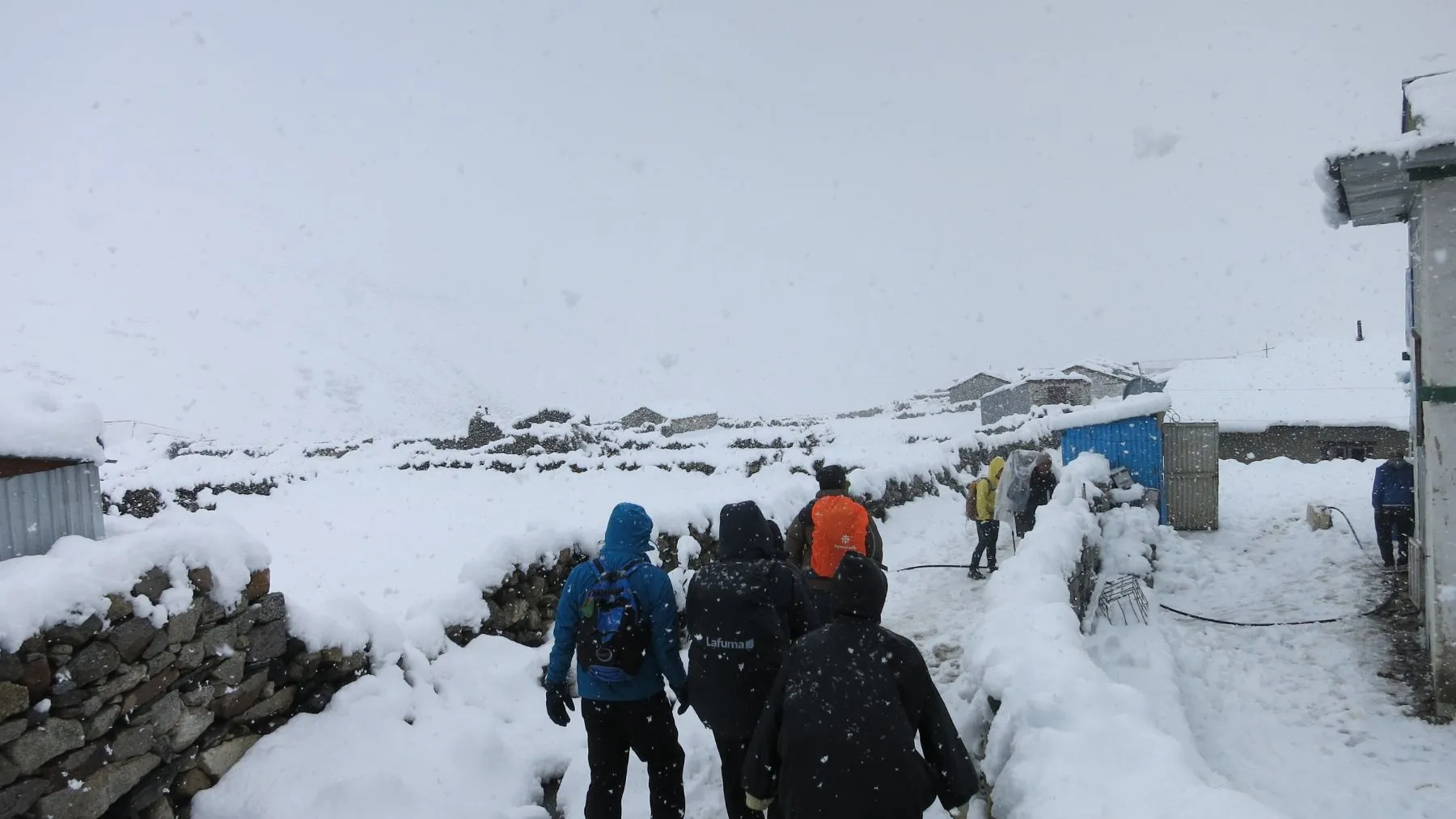
Much colder with possible snowfall |
Who Should Trek in October?
| Traveler |
Recommendation |
| Beginners |
⭐⭐⭐⭐⭐ |
| Families |
⭐⭐⭐⭐☆ |
| Photographers |
⭐⭐⭐⭐⭐ |
| Solo Travelers |
⭐⭐⭐⭐☆ |
| Luxury Trekkers |
⭐⭐⭐⭐⭐ |
| Budget Trekkers |
⭐⭐⭐☆☆ |
| Experienced Hikers |
⭐⭐⭐⭐⭐ |
October is ideal for trekkers seeking stable weather, exceptional mountain views, and a classic Himalayan trekking experience.
Explore More
Continue Your Nepal Adventure
From iconic Himalayan treks and scenic helicopter flights to cultural journeys and thrilling outdoor adventures, discover more unforgettable experiences with Recreation Holidays.
Who Should Avoid October?
October may not be the best choice for:
- Budget travelers looking for lower prices.
- Trekkers seeking quiet trails and empty tea houses.
- Photographers who prioritize solitude over peak conditions.
- Travelers unable to book flights, guides, or accommodation well in advance.
Pros & Cons of Trekking in October
| Pros |
Cons |
| Outstanding mountain visibility |
Peak-season crowds |
| Stable post-monsoon weather |
Tea houses fill quickly |
| Dry, comfortable trails |
Higher package and flight demand |
| Excellent photography |
Advance booking required |
| Reliable trekking conditions |
Busy Lukla Airport operations |
Common Mistakes October Trekkers Make
- Booking flights and accommodation too late.
- Not allowing 1–2 buffer days for Lukla flights.
- Underestimating freezing nights above Lobuche.
- Carrying excessive clothing instead of using an efficient layering system.
- Beginning the trek without adequate fitness preparation.
- Travelling without insurance covering high-altitude helicopter evacuation.
Local Guide's Insider Tips
- Leave Kala Patthar 45–60 minutes before sunrise for the best photography and fewer crowds.
- Start trekking by 7:00 AM to enjoy clear morning weather.
- Reserve accommodation early in Lobuche and Gorak Shep, which fill first during October.
- Stop at the bakeries in Namche Bazaar during acclimatization for fresh food and coffee.
- Order dinner soon after arriving at tea houses during peak season, as kitchens become busy in the evening.
Related Guide: K2 Mountain Himalayas
Sample October Itinerary
| Day |
Route |
Walking Hours |
Sleep Altitude |
Weather |
Highlight |
| 1 |
Lukla – Phakding |
3–4 hrs |
2,610 m |
Mild & clear |
Dudh Koshi Valley |
| 2 |
Phakding – Namche |
6–7 hrs |
3,440 m |
Sunny |
Hillary Suspension Bridge |
| 3 |
Acclimatization |
3–4 hrs |
3,440 m |
Excellent visibility |
Everest View Hotel |
| 4 |
Namche – Tengboche |
5–6 hrs |
3,860 m |
Dry |
Ama Dablam views |
| 5 |
Tengboche – Dingboche |
5–6 hrs |
4,410 m |
Cool |
Alpine landscapes |
| 6 |
Acclimatization |
3–5 hrs |
4,410 m |
Clear |
Nangkartshang viewpoint |
| 7 |
Dingboche – Lobuche |
5–6 hrs |
4,940 m |
Cold |
Khumbu Glacier |
| 8 |
Lobuche – EBC – Gorak Shep |
7–8 hrs |
5,164 m |
Stable |
Everest Base Camp |
| 9 |
Kala Patthar – Pheriche |
7–8 hrs |
4,240 m |
Freezing sunrise |
Everest panorama |
Guide Tip: Start early every morning, maintain a steady pace, hydrate consistently, and follow your acclimatization schedule. These are the most important factors for a safe and enjoyable Everest Base Camp Trek in October.
Conclusion
The Everest Base Camp Trek in October remains the benchmark for Himalayan trekking. Stable post-monsoon weather, crystal-clear mountain views, dry trails, and comfortable daytime temperatures create ideal trekking conditions across the Khumbu Region. Although October is the busiest month, planning ahead for flights, tea houses, and guides ensures a smooth experience. If you're looking for the classic Everest adventure with the highest chance of excellent weather and unforgettable panoramas, October is one of the best times of the year to trek to Everest Base Camp.
For More Information: Beauty of Lakuri Bhanjyang in Lalitpur
Related Trekking Resources
Manaslu Circuit Trek in October
Annapurna Base Camp Trek in September 2026-2027
Manaslu Circuit Trek in September
10 Best Peak Climbing in Nepal
Manaslu Circuit Trek Itinerary 2026-2027
Why Choose Recreation Holidays?
At Recreation Holidays, we combine experienced local guides, carefully planned acclimatization schedules, transparent pricing, and reliable on-ground logistics to deliver a safe, comfortable, and memorable Everest experience. From securing permits and Lukla flights to providing knowledgeable guides and dedicated support throughout your journey, we ensure every detail is professionally managed.
In addition to the Everest Base Camp Trek, we also offer the Luxury Everest Base Camp Trek, Everest Three Passes Trek, Gokyo Lakes Trek, Everest Base Camp Helicopter Return Trek, Everest Helicopter Tour with Kala Patthar Landing, Annapurna Circuit Trek, Annapurna Base Camp Trek, Manaslu Circuit Trek, Langtang Valley Trek, Mardi Himal Trek, and Upper Mustang Trek, along with a wide range of trekking, climbing, and cultural tours across Nepal.