Quick Decision Guide To EBC Trek
| Question |
Answer |
| Is September a good month? |
✅ Yes |
| Early September? |
⚠️ Occasional rain and flight delays are possible. |
| Late September? |
⭐ Excellent trekking conditions with clearer skies. |
| Mountain Views |
⭐⭐⭐⭐☆ → ⭐⭐⭐⭐⭐ |
| Crowds |
Moderate, increasing toward the end of September. |
| Lukla Flights |
Flight reliability improves progressively throughout September. |
| Good for Beginners? |
✅ Yes, with proper acclimatization. |
| Better than October? |
Depends on your priorities—September offers fewer crowds, while October generally provides the clearest mountain views. |
Quick Statistics
| Metric |
September |
| Typical Trek Duration |
12–14 Days |
| Best Departure Window |
15–30 September |
| Maximum Elevation |
Kala Patthar (5,545 m) |
| Day Temperature (Lukla) |
Approximately 13–18°C |
| Night Temperature (Gorak Shep) |
Around 0°C to below freezing |
| Flight Reliability |
Improves progressively throughout the month |
| Crowd Level |
Moderate at the beginning, becoming busy by late September |
Why September Is One of the Most Underrated Months for Everest Base Camp Trek?
The Everest Base Camp Trek in September marks the transition from the retreating monsoon to Nepal's peak autumn trekking season. Fresh rainfall leaves forests vibrant, waterfalls flowing, and mountain valleys remarkably green, while temperatures remain comfortable for long trekking days. Early September generally sees fewer trekkers than October, giving you a quieter experience around villages like Namche Bazaar, Tengboche, and Dingboche. As the month progresses, humidity decreases, visibility improves, and clear panoramas of Everest and the surrounding peaks become increasingly common.
Many experienced guides recommend departures between 15 and 30 September because they offer an excellent balance of improving weather, stable trail conditions, and manageable crowds. The key to planning successfully is understanding that September isn't one season it changes dramatically from the first week to the last.
Also read → Truth About Dead Bodies on Mount Everest
September at a Glance
| Factor |
Rating |
| Weather |
⭐⭐⭐⭐☆ |
| Mountain Views |
⭐⭐⭐⭐☆ |
| Lukla Flight Reliability |
⭐⭐⭐⭐☆ |
| Crowds |
⭐⭐⭐☆☆ |
| Photography |
⭐⭐⭐⭐⭐ |
| Wildlife & Landscapes |
⭐⭐⭐⭐☆ |
| Trail Conditions |
⭐⭐⭐⭐☆ |
| Overall Experience |
⭐⭐⭐⭐⭐ |
Early vs. Mid vs. Late September: When Should You Trek?
The Everest Base Camp Trek in September changes significantly throughout the month. Early September still experiences lingering post-monsoon conditions, while late September offers the stable weather and clear mountain views that define Nepal's autumn trekking season.
| Period |
Weather |
Lukla Flights |
Crowds |
Mountain Views |
Best For |
| Sept 1–10 |
Transitional weather with occasional rain and cloud cover. |
Moderate risk of delays. |
Quiet |
Mixed |
Trekkers seeking solitude and lush green landscapes. |
| Sept 11–20 |
Improving weather with lower humidity. |
Better reliability. |
Moderate |
Good to Very Good |
The best balance of pleasant weather and manageable crowds. |
| Sept 21–30 |
Stable autumn conditions with clear skies. |
Most reliable. |
Busy |
Excellent |
The overall best trekking experience with outstanding mountain scenery. |
- Cloud Cover: Mornings are generally clearer, while early September may still see afternoon cloud build-up.
- Rain Probability: Highest during the first week, gradually decreasing after mid-September as the monsoon retreats.
- Photography: Early September offers dramatic mist, waterfalls, and cloud-filled valleys, whereas late September delivers classic Everest panoramas and vibrant sunrises.
- Trail Conditions: Lower trails around Lukla and Phakding can be damp early in the month, but most routes become drier and firmer toward late September.
See also → 10 Facts About Lukla Airport
Everest Base Camp Weather in September
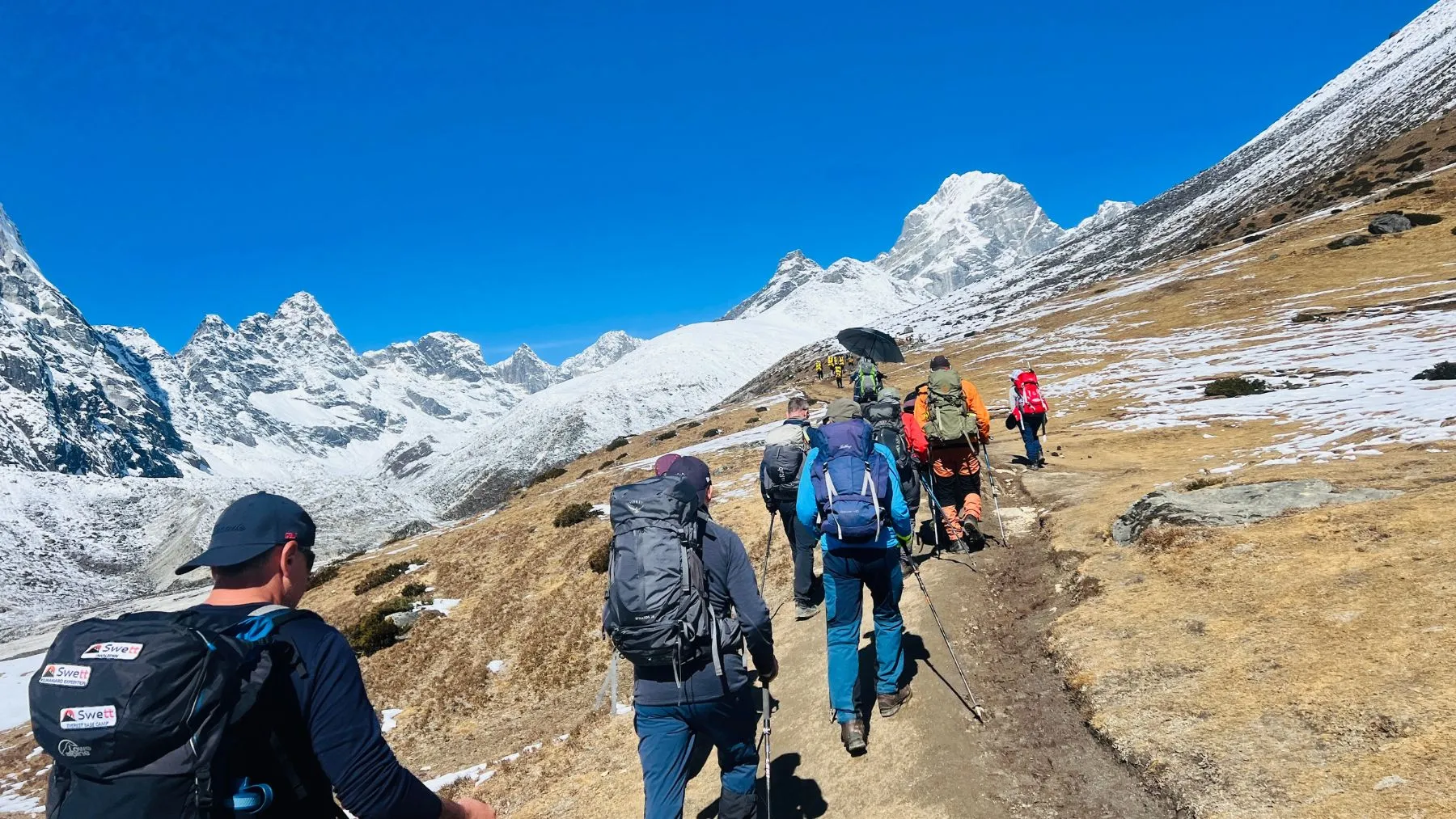
Rather than having one weather pattern, Everest Base Camp weather in September changes throughout the day.
Morning
Morning temperatures are cool but comfortable, with the clearest mountain views of the day. Higher villages such as Lobuche, Gorak Shep, and Kala Patthar often start near or below freezing, making layered clothing essential.
Afternoon
Clouds typically develop as temperatures rise, particularly during early September. Brief showers remain possible in the lower valleys, although rainfall becomes less frequent after mid-month.
Evening
Temperatures drop rapidly after sunset, especially above 4,000 m. Winds become more noticeable around exposed areas such as Lobuche, Gorak Shep, and Kala Patthar, so insulated layers are recommended.
Night
Nights remain cold throughout September. Gorak Shep and higher elevations commonly experience freezing or sub-zero temperatures, while lower villages stay considerably milder. Humidity gradually decreases through the month, creating more stable overnight conditions.
See details:
Village-by-Village Weather & Temperature Guide
| Village |
Elevation |
Day Temp |
Night Temp |
Typical September Conditions |
| Lukla |
2,860 m |
13–18°C |
8–10°C |
Mild and humid with occasional showers during early September. |
| Phakding |
2,610 m |
14–19°C |
9–11°C |
Warm valley climate with lush greenery and comfortable trekking conditions. |
| Namche Bazaar |
3,440 m |
11–16°C |
4–7°C |
Pleasant trekking weather with steadily improving mountain visibility. |
| Tengboche |
3,860 m |
9–14°C |
2–5°C |
Cool mornings with occasional afternoon cloud development. |
| Dingboche |
4,410 m |
7–12°C |
-1 to 3°C |
Dry alpine climate featuring crisp days and cold nights. |
| Lobuche |
4,940 m |
5–9°C |
-4 to -1°C |
Windier conditions with frequent overnight frost. |
| Gorak Shep |
5,164 m |
4–8°C |
-6 to -2°C |
Thin air, freezing nights, and strong mountain winds. |
| Everest Base Camp |
5,364 m |
3–7°C |
Below freezing |
Cold glacier environment with highly variable mountain weather. |
| Kala Patthar |
5,545 m |
0–5°C |
Well below freezing |
Strong winds and exceptional sunrise views under clear autumn skies. |
As you gain altitude, temperatures fall steadily while wind exposure increases. A layering system works best light trekking clothes for lower elevations, an insulated jacket for evenings, and a warm down jacket, gloves, and hat for Lobuche, Gorak Shep, Everest Base Camp, and Kala Patthar.
Guide: K2 Mountain Himalayas
What the Trail Looks Like in September?
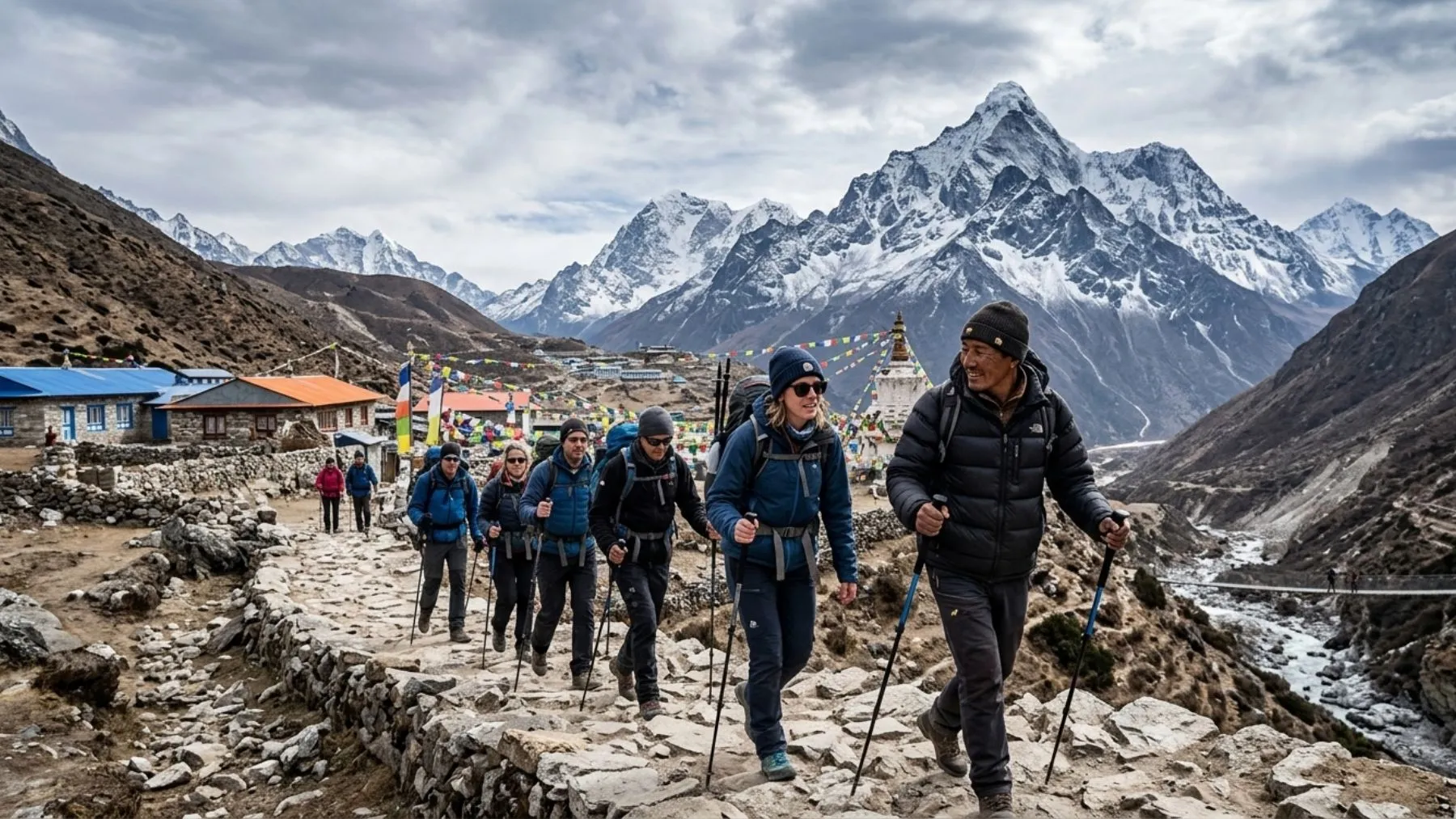
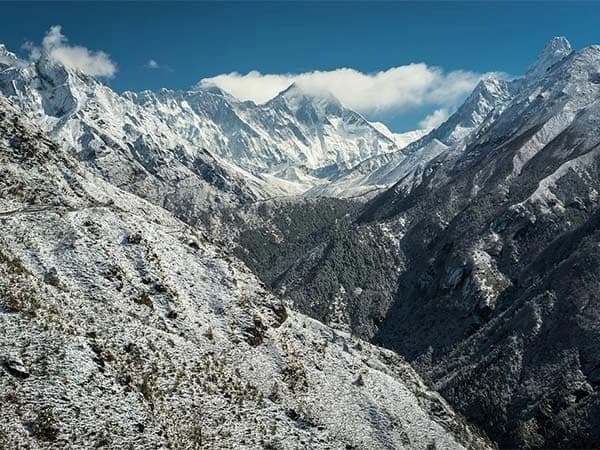
The Everest Base Camp Trek in September showcases the Khumbu region at its greenest. Post-monsoon forests below Namche Bazaar are vibrant, rivers flow strongly, and waterfalls are at their most impressive. Suspension bridges crossing the Dudh Koshi River are surrounded by fresh vegetation, while higher elevations transition into rocky alpine terrain and glacier moraine approaching Lobuche, Gorak Shep, and Everest Base Camp.
Early September can bring muddy sections on lower forest trails due to recent rainfall, but conditions improve noticeably after mid-month. Unlike spring, rhododendrons are not in bloom, although the forests remain lush and colorful. Guides also note that post-monsoon rain significantly reduces dust, creating cleaner air and excellent photography conditions, particularly once skies clear during the second half of September.
More on: Beauty of Lakuri Bhanjyang in Lalitpur
Lukla Flights in September: What to Expect
Weather is the biggest factor affecting Lukla flights in September. Flights operate in the early morning when winds are lighter and visibility is generally best. During early September, lingering monsoon cloud, low visibility, or rain may cause delays or cancellations, while reliability improves noticeably after mid-month as autumn conditions develop.
If you're trekking during September, allow at least one buffer day before and after your trek to account for possible flight disruptions. In peak trekking periods, many flights may operate via Ramechhap (Manthali Airport) instead of Kathmandu to reduce air traffic. Helicopter charters are also available when weather permits, although they are considerably more expensive than scheduled flights.
Is September Better Than October?
| Category |
September |
October |
| Greenery |
⭐⭐⭐⭐⭐ |
⭐⭐⭐☆☆ |
| Mountain Views |
⭐⭐⭐⭐☆ |
⭐⭐⭐⭐⭐ |
| Crowds |
Moderate |
High |
| Flight Reliability |
Improves throughout the month |
Very Reliable |
| Photography |
Dramatic clouds, vibrant forests, and lush landscapes |
Crystal-clear Himalayan panoramas with exceptional visibility |
| Tea House Availability |
Easier to secure accommodation |
More limited during peak trekking weeks |
Choose September if you prefer greener landscapes, fewer crowds, and dynamic photography. Choose October if your priority is consistently clear mountain views, stable weather, and the most reliable trekking conditions.
Check out → Tragic Story of Everest's Sleeping Beauty
Why Our Everest Guides Love September?
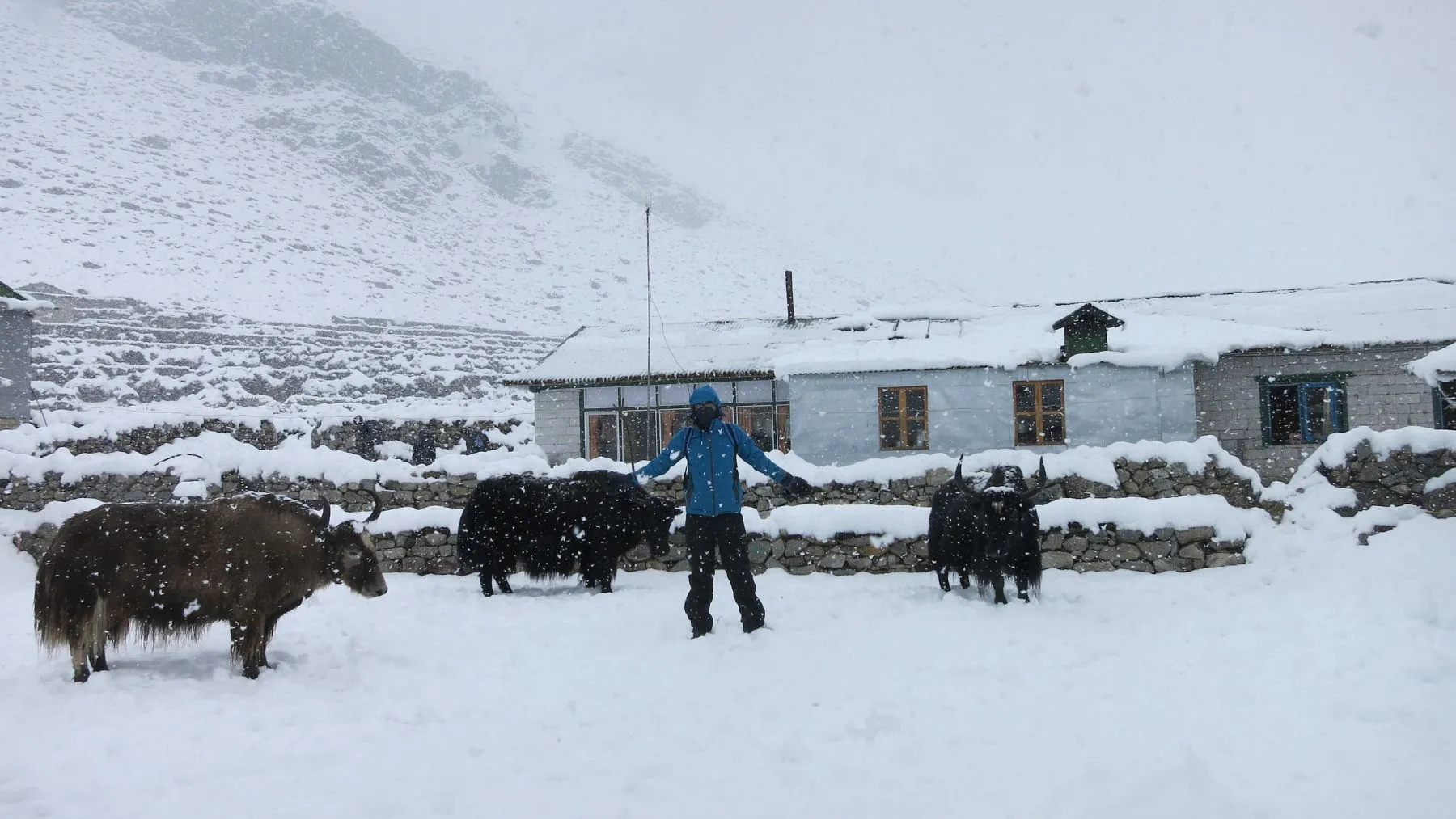
Our guides often recommend departures between 15–30 September, when the trails are greener, temperatures remain comfortable, and mountain visibility improves significantly. They also advise starting each trekking day early to enjoy the clearest skies before afternoon cloud develops. Adding one or two buffer days, carrying reliable waterproof gear, and following a proper acclimatization schedule at Namche Bazaar and Dingboche greatly improves the overall trekking experience.
Day-by-Day September Trek Experience
| Day |
Route |
Walking Hours |
Weather & Trail |
Difficulty |
| 1 |
Lukla – Phakding |
3–4 hrs |
Mild weather, lush green forests, and occasional showers during early September. |
Easy |
| 2 |
Phakding – Namche Bazaar |
6–7 hrs |
Humid lower trails with suspension bridges and gradually improving mountain views. |
Moderate |
| 3 |
Acclimatization (Namche Bazaar) |
3–4 hrs |
Usually clear mornings, perfect for Everest viewpoint hikes and acclimatization. |
Easy |
| 4 |
Namche Bazaar – Tengboche |
5–6 hrs |
Scenic forest trails, Tengboche Monastery, and possible afternoon cloud build-up. |
Moderate |
| 5 |
Tengboche – Dingboche |
5–6 hrs |
Cooler alpine terrain with broader Himalayan panoramas. |
Moderate |
| 6 |
Acclimatization (Dingboche) |
3–5 hrs |
Clear mornings offering excellent photography and acclimatization hikes. |
Easy |
| 7 |
Dingboche – Lobuche |
5–6 hrs |
Rocky alpine trail with colder temperatures and thinner air. |
Moderate |
| 8 |
Lobuche – Everest Base Camp – Gorak Shep |
7–8 hrs |
Glacier moraine, variable mountain weather, and the unforgettable Everest Base Camp experience. |
Challenging |
| 9 |
Kala Patthar – Pheriche |
7–8 hrs |
Stunning Everest sunrise, freezing morning temperatures, and a long downhill trek. |
Challenging |
Pros and Cons of Trekking in September
| Advantages |
Challenges |
| Lush post-monsoon landscapes |
Early September showers |
| Improving mountain visibility |
Possible Lukla flight delays |
| Comfortable daytime temperatures |
Damp lower trekking trails |
| Fewer trekkers during the early part of the month |
Transitional weather patterns |
| Excellent photography opportunities |
Afternoon cloud build-up during early September |
September Packing List
| Essential |
Recommended |
Optional |
| Waterproof jacket & trousers |
Trekking umbrella |
Gaiters |
| Down jacket |
Waterproof backpack cover |
Camera tripod |
| Quick-dry base layers |
Extra gloves |
Power bank |
| Waterproof trekking boots |
Dry bags |
Binoculars |
| Warm hat & gloves |
Camera rain cover |
Trekking sandals |
Layering is essential during the Everest Base Camp Trek in September, as temperatures range from warm, humid conditions around Lukla to freezing mornings at Gorak Shep and Kala Patthar.
Accommodation, Food & Facilities
Tea houses are fully operational throughout September, although availability becomes more limited during the second half of the month. Most lodges provide twin rooms, hearty meals, hot drinks, charging facilities (usually for an additional fee), Wi-Fi in many villages, and paid hot showers at lower elevations. Menus remain extensive, featuring dal bhat, noodles, pasta, rice dishes, soups, eggs, potatoes, and bakery items in larger villages such as Namche Bazaar.
Crowds & Trail Atmosphere
The atmosphere changes noticeably throughout September. Early September offers quieter trails and easier room availability, making it ideal for trekkers seeking a more peaceful experience. Mid-September brings a gradual increase in visitors as weather improves, while late September marks the start of Nepal's busy autumn trekking season. Popular viewpoints around Namche Bazaar, Kala Patthar, and Everest Base Camp become livelier, but the trails remain less crowded than during the peak weeks of October.
Festivals During September
Depending on the lunar calendar, September may coincide with some of Nepal's most vibrant festivals. Indra Jatra brings masked dances, chariot processions, and cultural celebrations to Kathmandu, while Teej sees thousands of women dressed in red gathering at temples such as Pashupatinath. In late September, trekkers may also notice villages preparing for Dashain, Nepal's biggest festival. If you arrive a few days before or after your Everest Base Camp Trek in September, these celebrations provide an excellent cultural experience. Festival dates vary each year according to the Nepali lunar calendar.
Altitude Sickness in September
September's comfortable daytime temperatures do not reduce the risk of altitude sickness. As you ascend above 3,000 m, proper acclimatization remains essential regardless of the season. Drink 3–4 liters of water daily, maintain a steady pace, follow the "climb high, sleep low" principle during acclimatization days in Namche Bazaar and Dingboche, and avoid ascending too quickly. Watch for early symptoms such as headache, nausea, fatigue, dizziness, or loss of appetite. Although early September can be more humid at lower elevations, humidity itself does not cause AMS it simply makes hydration even more important.
Common Mistakes September Trekkers Make
- Not including 1–2 buffer days for possible Lukla flight delays.
- Packing for October instead of September and forgetting quality waterproof clothing.
- Underestimating post-monsoon humidity and carrying too few quick-dry layers.
- Starting late each morning instead of taking advantage of clearer morning weather.
- Assuming the weather remains the same throughout September rather than recognizing the difference between early and late month conditions.
- Choosing inadequate travel insurance that doesn't cover helicopter evacuation above 5,000 m.
Who Should Trek in September?
| Traveler |
Recommendation |
| Beginner |
⭐⭐⭐⭐⭐ |
| Photographer |
⭐⭐⭐⭐⭐ |
| Solo Trekker |
⭐⭐⭐⭐☆ |
| Senior Traveler |
⭐⭐⭐⭐☆ |
| Family |
⭐⭐⭐⭐☆ |
| Luxury Trekker |
⭐⭐⭐⭐☆ |
The Everest Base Camp Trek in September is ideal for trekkers who appreciate greener landscapes, moderate crowds, and improving autumn weather while remaining flexible with flight schedules.
Recommended Adventures
Explore More Incredible Adventures in Nepal
Whether you're looking for thrilling outdoor activities, scenic Himalayan treks, helicopter experiences, or unforgettable cultural journeys, discover more handpicked adventures from Recreation Holidays.
Everest Base Camp Trek Cost in September
The Everest Base Camp Trek cost in September varies depending on your preferred trekking style and group size. Larger groups benefit from lower per-person rates.
Standard Everest Base Camp Trek
| Group Size |
Price (Per Person) |
| 1 Pax |
US$1,670 |
| 2–4 Pax |
US$1,300 |
| 5–8 Pax |
US$1,190 |
| 9–14 Pax |
US$1,170 |
Starting from US$1,190 per person.
Luxury Everest Base Camp Trek
| Group Size |
Price (Per Person) |
| 1 Pax |
US$4,880 |
| 2–5 Pax |
US$3,790 |
| 6–9 Pax |
US$3,700 |
| 10–14 Pax |
US$3,630 |
Starting from US$3,700 per person.
Everest Base Camp Trek for Indian Citizens
| Group Size |
Price (Per Person) |
| 1 Pax |
US$1,260 |
| 2–4 Pax |
US$1,055 |
| 5–8 Pax |
US$999 |
| 9–14 Pax |
US$970 |
Starting from US$999 per person.
Explore guide: Where Is Nepal Located in Asia?
Who Should Wait Until October?
October may be a better choice if your highest priority is consistently clear Everest panoramas, you have very limited flexibility for potential Lukla flight delays, or you prefer the most stable weather even if it means sharing the trail with significantly more trekkers.
September vs. Every Other Trekking Month
| Month |
Weather |
Mountain Views |
Crowds |
Recommendation |
| March |
Stable and cool |
Excellent |
Moderate |
⭐⭐⭐⭐⭐ |
| April |
Warm and dry |
Excellent |
Busy |
⭐⭐⭐⭐⭐ |
| May |
Warmer with occasional haze |
Good |
Moderate |
⭐⭐⭐⭐☆ |
| September |
Post-monsoon transition |
Very Good → Excellent |
Moderate |
⭐⭐⭐⭐⭐ |
| October |
Stable autumn conditions |
Outstanding |
High |
⭐⭐⭐⭐⭐ |
| November |
Cool and very clear |
Outstanding |
Moderate |
⭐⭐⭐⭐⭐ |
Final Verdict
The Everest Base Camp Trek in September is an excellent choice for trekkers seeking a balance of beautiful post-monsoon landscapes, comfortable temperatures, and improving Himalayan views. While early September may still experience occasional rain and Lukla flight delays, conditions become noticeably more stable from mid to late September as Nepal's autumn trekking season begins. If you prefer greener trails, fewer crowds than October, and an authentic Everest experience, September remains one of the best times to trek to Everest Base Camp.
Know more → 7 Best Casinos in Kathmandu
Why Choose Recreation Holidays?
At Recreation Holidays, we carefully plan every Everest Base Camp Trek in September with proper acclimatization, experienced local guides, reliable logistics, and flexible itineraries to help you make the most of the changing post-monsoon conditions. From pre-trip planning to on-trail support, our team is committed to providing a safe, well-organized, and memorable Himalayan adventure.
Beyond the Everest Base Camp Trek, we also offer the Everest Three Passes Trek, Gokyo Lakes Trek, Everest Base Camp Helicopter Return Trek, Annapurna Circuit Trek, Annapurna Base Camp Trek, Manaslu Circuit Trek, Langtang Valley Trek, Mardi Himal Trek, Upper Mustang Trek, Everest Helicopter Tour with Kala Patthar Landing, and a wide range of trekking, peak climbing, and cultural tours across Nepal. Whether you're planning your first Himalayan trek or your next great adventure, we're here to help you explore Nepal with confidence.
Related blogs you may missed
Best Waterfalls Near Kathmandu
Why is Annapurna 3 Unclimbed?
Who Cleans Mount Everest's Garbage?
White Gumba Kathmandu (Seto Gumba)
MICE Tourism in Nepal
Top 10 Reasons to Visit Upper Mustang in Nepal