Winter Trekking in Nepal
Winter trekking in Nepal is one of the most underrated experiences. While many assume it’s too cold or risky, the reality is completely different, clear skies, quiet trails, and some of the best mountain views of the year. The key is choosing the right trek. Not every route is suitable in winter. High passes can be blocked by snow, and extreme altitudes can become dangerous. But many treks, especially below 4,000 meters, remain safe, accessible, and incredibly rewarding. In this guide, you’ll discover the best winter treks in Nepal, carefully selected based on safety, experience level, and overall value, so you can confidently choose the right trek for your adventure.
Best Winter Treks in Nepal (Quick Comparison)
| Trek |
Why It’s Best in Winter |
Duration |
Max Altitude |
Temp Range (°C) |
| Poon Hill |
Best beginner-friendly trek with safe altitude and great views |
3–5 days |
3,210m |
5°C to 15°C / 0°C night |
| Mardi Himal |
Best short scenic trek with close-up mountain views |
5–7 days |
4,200–4,500m |
0°C to -10°C |
| Annapurna Base Camp |
Best overall winter trek with balanced altitude and scenery |
7–12 days |
4,130m |
0°C to -15°C |
| Langtang Valley |
Best mix of culture and mountain landscapes |
7–10 days |
4,773m |
5°C to -15°C |
| Langtang Gosaikunda |
Best for frozen lakes and spiritual experience |
10–14 days |
4,380m |
0°C to -15°C |
| Kopra Danda |
Best offbeat trek with peaceful trails and ridge views |
7–10 days |
3,660m |
5°C to -10°C |
| Tamang Heritage |
Best cultural trek with comfortable winter conditions |
6–8 days |
3,200m |
5°C to -5°C |
| Ruby Valley |
Best remote trek with raw and less explored routes |
7–10 days |
3,500–3,800m |
5°C to -8°C |
| Everest Base Camp |
Best for clear Everest views with fewer crowds |
12–14 days |
5,364m |
0°C to -20°C |
| Annapurna Circuit |
Best long adventure with diverse landscapes |
12–16 days |
5,416m |
-5°C to -20°C |
10 Best Winter Treks In Nepal (Must-Visit)
1. Everest Base Camp Trek
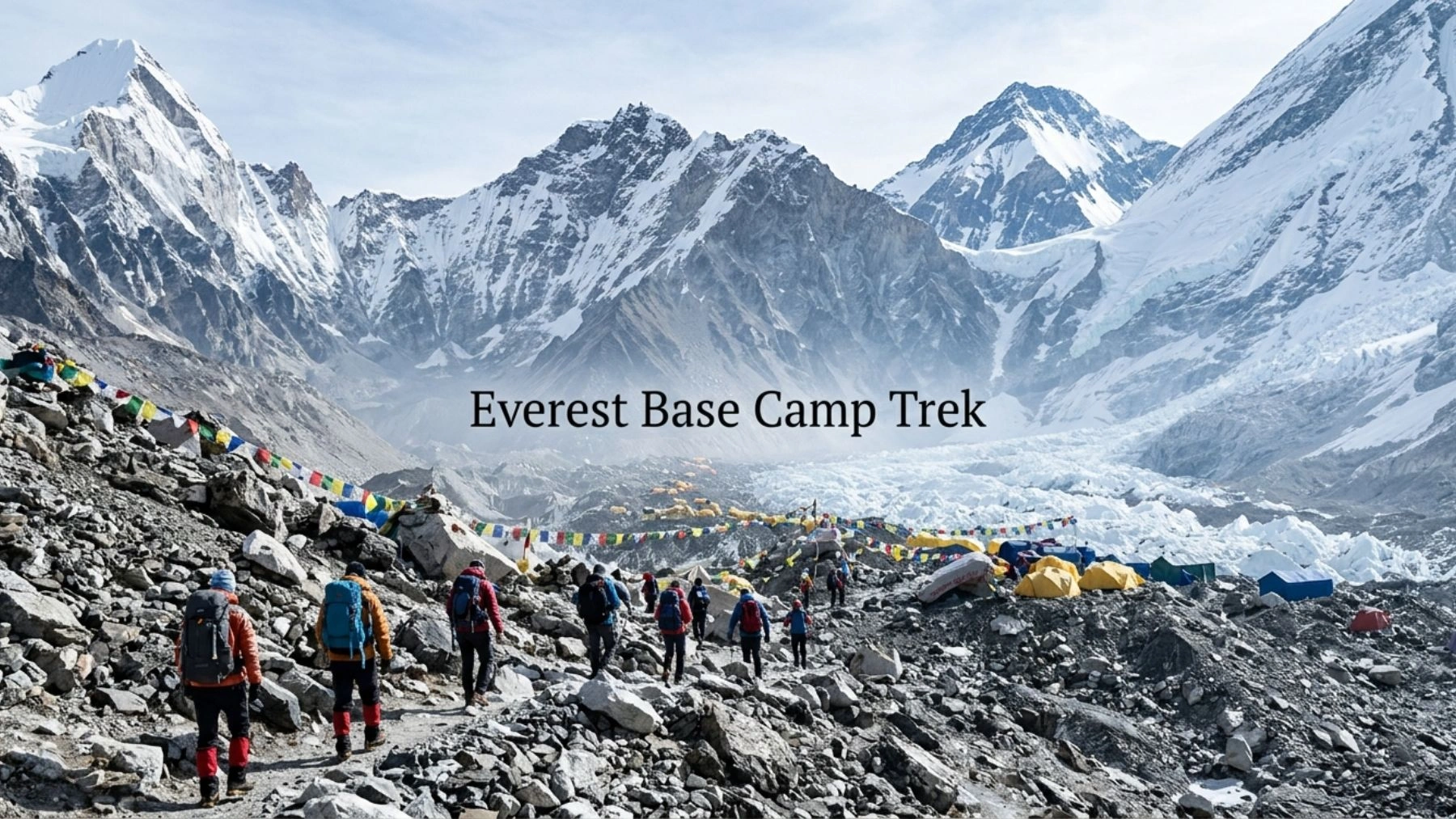
The Everest Base Camp Trek takes 12–14 days and reaches 5,364 meters, with temperatures dropping to -15°C to -20°C at night. It offers clear skies, snow-covered trails, and quiet routes, making it ideal for those wanting a more peaceful Everest experience. This trek is best suited for trekkers who want a classic Everest experience with fewer crowds and clearer views, especially those comfortable with multi-day high-altitude journeys.
Highlights
- Everest Base Camp (5,364m)
- Kala Patthar viewpoint (~5,545m)
- Snow-covered Khumbu Glacier and Icefall
- Crystal-clear mountain visibility
- Peaceful, uncrowded trails
- Rich Sherpa culture and monasteries
- Dramatic winter Himalayan landscapes
- Unique snow trekking experience
Insider Tip
Plan 1–2 extra days in your itinerary winter flights to Lukla can shift, and having buffer time keeps your trip stress-free.
Also read: Truth About Dead Bodies on Mount Everest
2. Annapurna Base Camp Trek
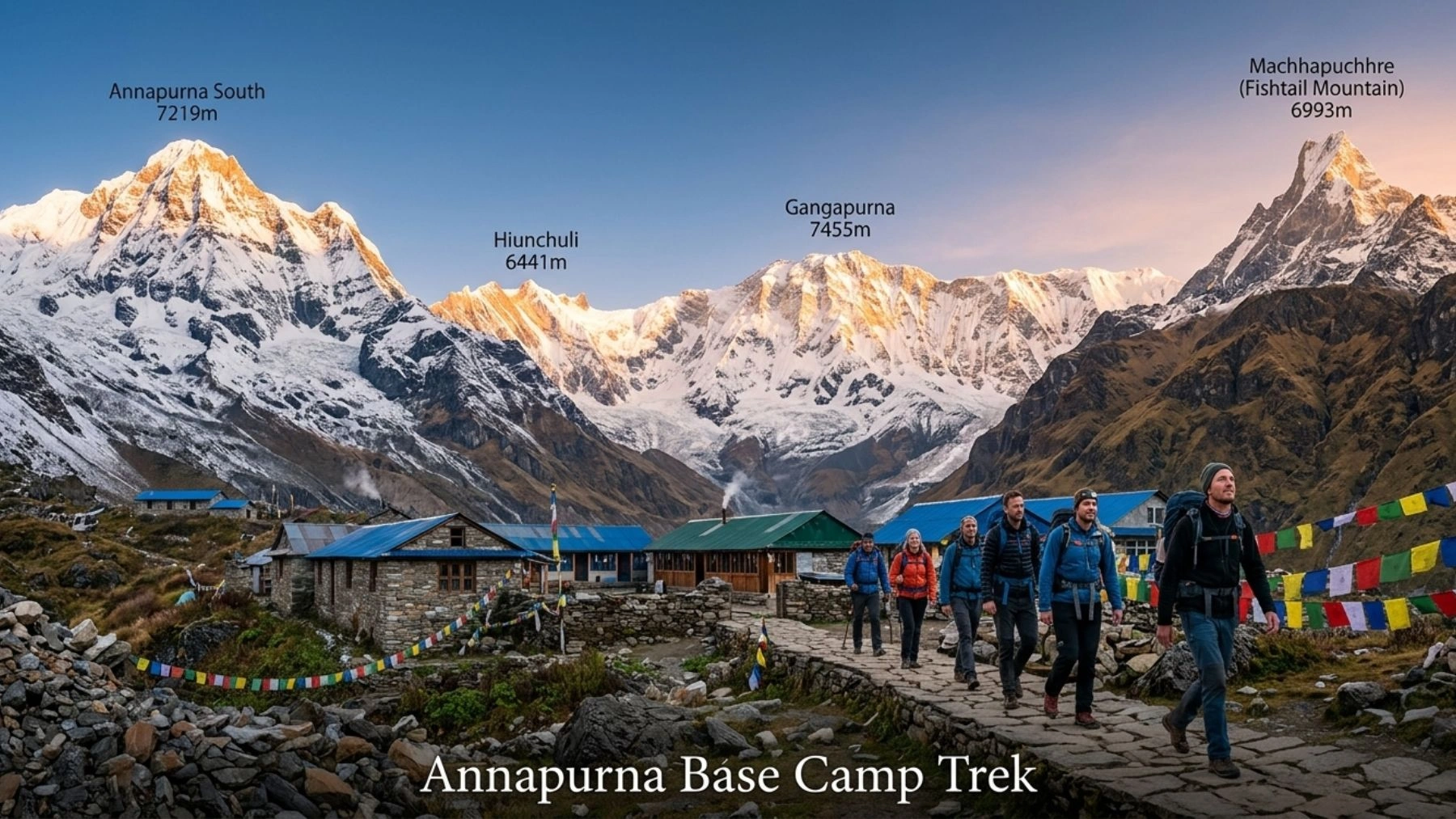
The Annapurna Base Camp Trek is a 7–12 day journey reaching 4,130 meters, with winter temperatures ranging from 0°C to 5°C during the day and -10°C to -15°C at night. It offers a perfect mix of snow-covered landscapes, clear mountain views, and accessible trails, making it one of the most reliable high-altitude treks in winter. The highlight is the Annapurna Sanctuary, surrounded by peaks like Annapurna I and Machapuchare.
This trek is ideal for those looking for a complete Himalayan experience in winter without going into extreme altitudes, making it one of the best all-round choices.
Highlights:
- Annapurna Base Camp (4,130m)
- Annapurna Sanctuary (360° mountain amphitheater)
- Snow-covered valleys and ice formations
- Views of Annapurna I, Machapuchare, Hiunchuli
- Peaceful winter trekking environment
- Traditional Gurung villages
- Rhododendron forests at lower elevations
- One of the most balanced winter treks
Insider Tip
Start your trek early in the day winter mornings offer the clearest mountain views before clouds form in the afternoon.
Recommended: Why is Annapurna 3 Unclimbed?
3. Annapurna Circuit Trek
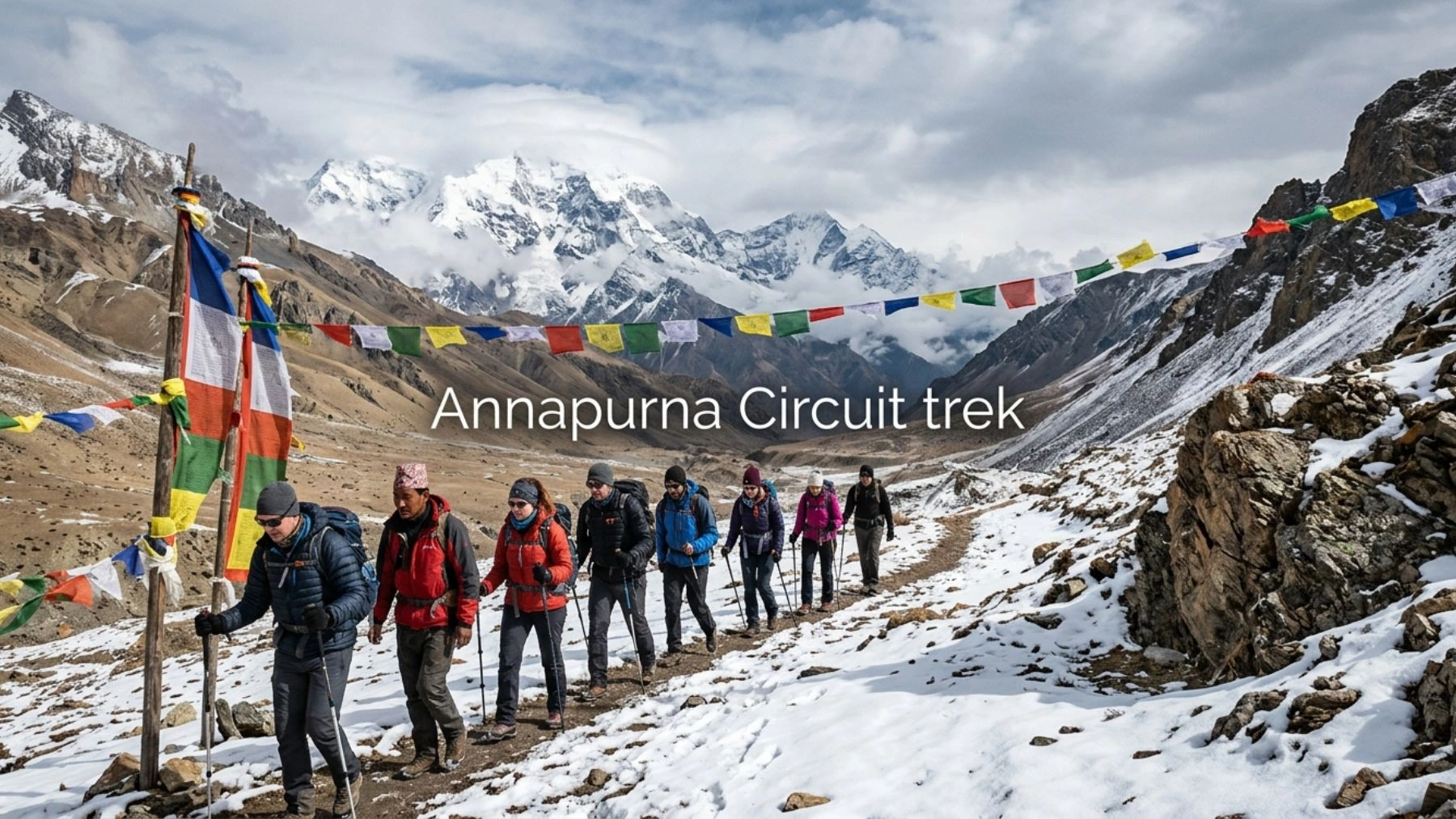
The Annapurna Circuit takes 12–16 days and reaches 5,416 meters (Thorong La Pass), where temperatures can drop below -20°C. Lower sections remain accessible in winter, offering diverse landscapes and cultural experiences, while higher sections require flexible planning.
Highlights
- Thorong La Pass (5,416m)
- Diverse landscapes from forest to alpine desert
- Views of Annapurna, Dhaulagiri, and surrounding peaks
- Traditional Gurung, Thakali, and Tibetan cultures
- Peaceful trails with fewer trekkers
- Entry into the unique Mustang region
- One of Nepal’s most complete trekking routes
- Stunning winter mountain scenery
Insider Tip
If you’re trekking in peak winter (Jan–Feb), plan a flexible itinerary and focus on the lower circuit sections for the best overall experience.
Find out more: Is Annapurna Part of Everest?
4. Ghorepani Poon Hill Trek
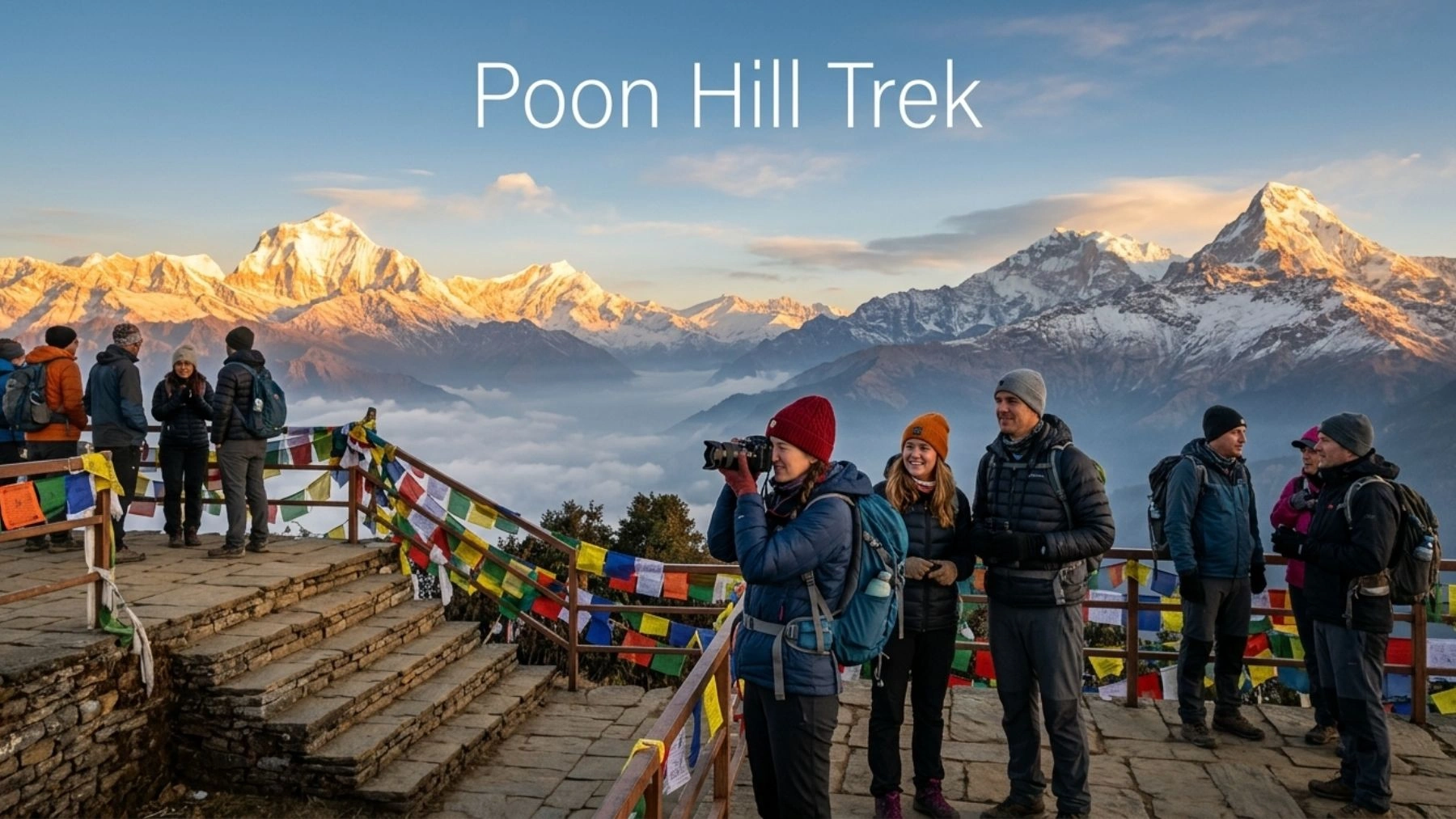
The Poon Hill Trek is a short 3–5 day trek reaching 3,210 meters, with temperatures between 5°C and 15°C during the day. It’s the best beginner-friendly winter trek, known for its sunrise views and snow-covered forests.
Highlights
- Poon Hill sunrise (3,210m)
- Snow-covered rhododendron forests
- Panoramic views of Annapurna and Dhaulagiri
- Short and easy trekking route
- Well-developed trails and teahouses
- Beautiful Gurung and Magar villages
- Clear winter skies and excellent visibility
- Perfect introduction to Himalayan trekking
Insider Tip
Start your hike to Poon Hill early (before sunrise) winter mornings offer the clearest skies and the most dramatic golden mountain views.
Also read: How Difficult Is the Ghorepani Poon Hill Trek?
5. Kopra Danda Trek
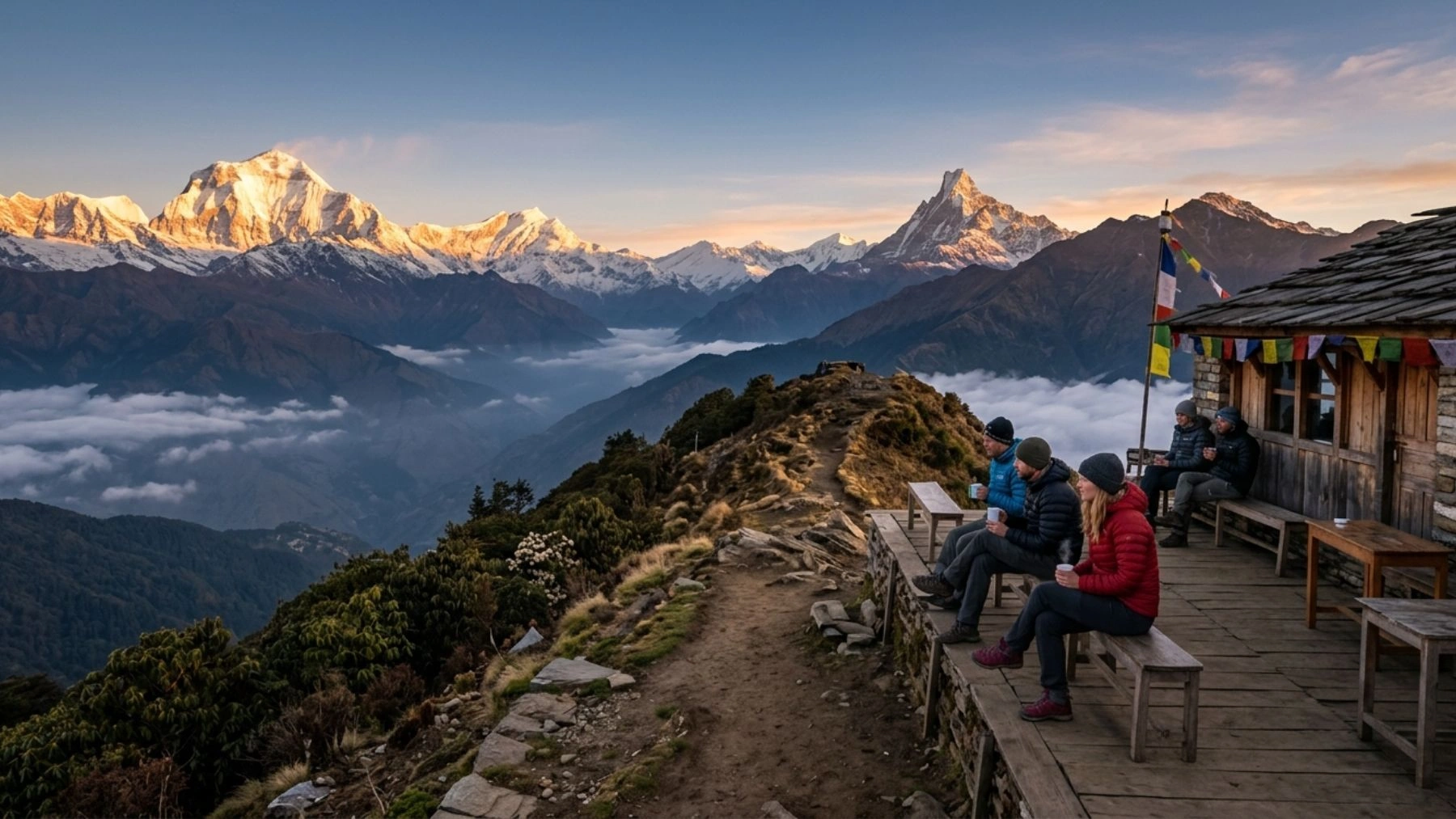
The Kopra Danda Trek takes 7–10 days and reaches 3,660 meters, with winter temperatures around 5°C to -10°C. It offers peaceful trails, views of Dhaulagiri and Annapurna, and the unique experience of visiting Kaire Lake, making it a great offbeat winter trek.
Highlights
- Kopra Ridge (~3,660m) panoramic viewpoint
- Views of Dhaulagiri (8,167m), Annapurna South, Machapuchare
- Kaire Lake reflection experience
- Peaceful, less crowded trails
- Community lodge-based trekking
- Snow-covered ridge landscapes
- Strong cultural interaction with locals
- Unique alternative to Annapurna routes
Insider Tip
Stay overnight at Kopra Ridge winter skies are often crystal clear, making both sunrise and stargazing experiences exceptional.
6. Mardi Himal Trek
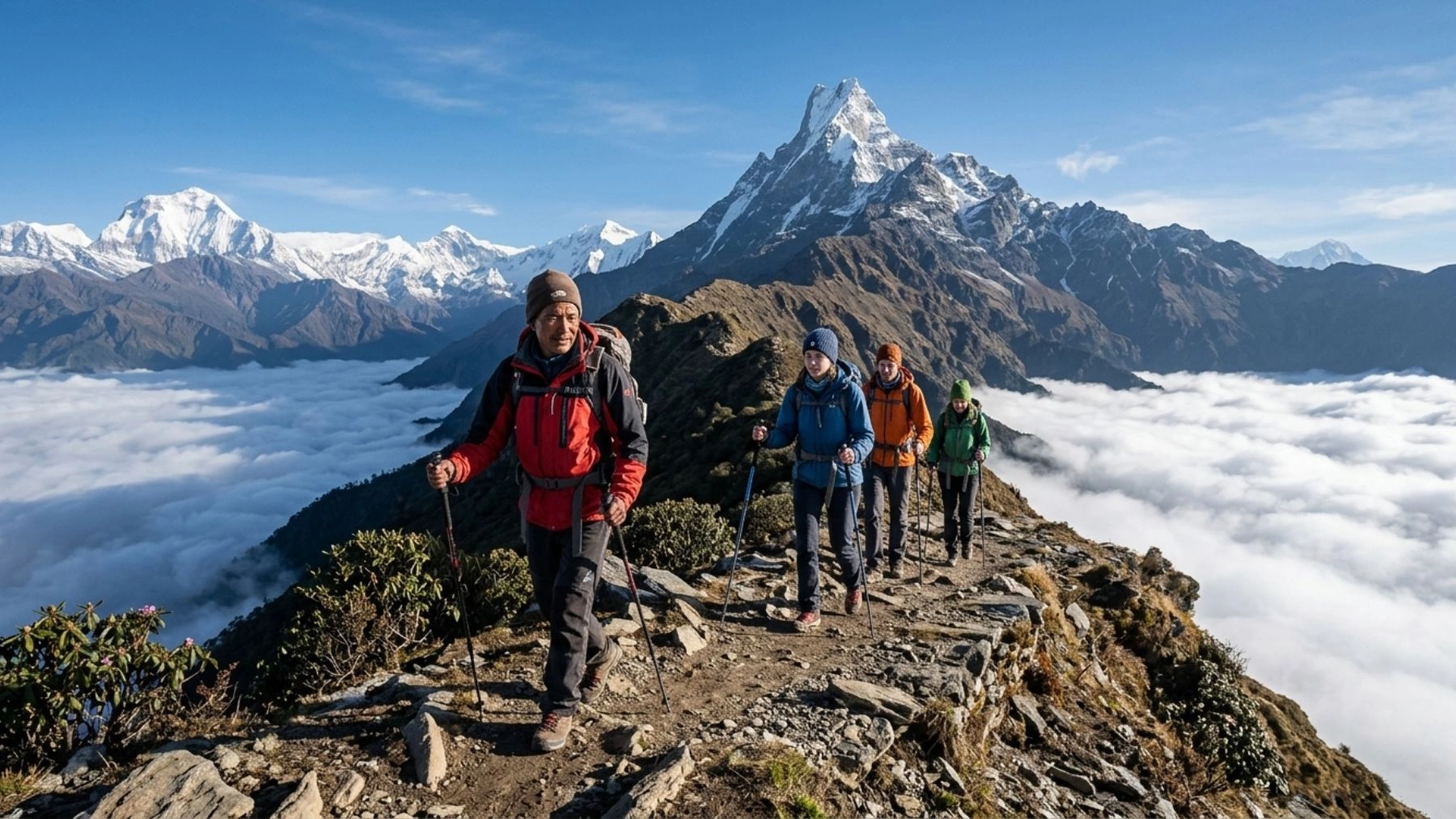
The Mardi Himal Trek is a short 5–7 day trek reaching 4,200–4,500 meters, with temperatures from 0°C to -10°C at higher elevations. It offers close-up views of Machapuchare and quiet ridge-line trekking, making it one of the best short scenic winter treks.
Highlights
- Mardi Himal Base Camp / Upper Viewpoint (~4,200–4,500m)
- Close-up views of Machapuchare (Fishtail)
- Ridge-line trekking with panoramic views
- Snow-covered forests and alpine landscapes
- Peaceful, less crowded trails
- Views of Annapurna South and Hiunchuli
- Short duration with high scenic reward
- One of Nepal’s best hidden gem treks
Insider Tip
If weather is clear, start early from High Camp winter mornings offer the sharpest views before clouds build up.
7. Langtang Valley Trek
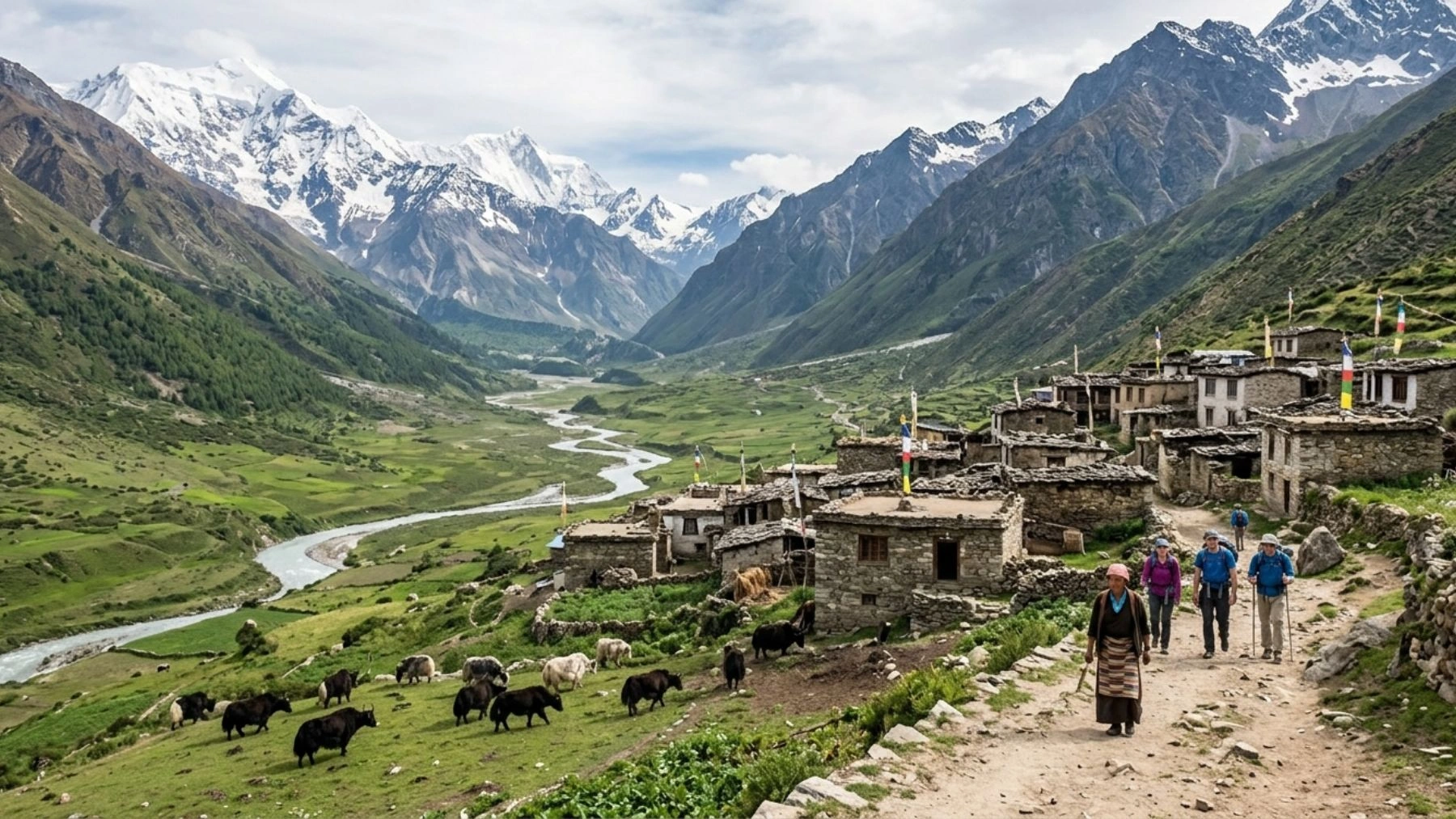
The Langtang Valley Trek is a short and scenic winter trek completed in 7–10 days, reaching around 4,773 meters. Winter temperatures range from 5°C during the day to -10°C to -15°C at night. The trek offers a mix of snow-covered valleys, frozen waterfalls, and strong Tamang culture, all within easy access from Kathmandu. It’s a balanced option for those wanting both nature and cultural experience in winter.
Highlights
- Kyanjin Gompa and Kyanjin Ri (~4,773m)
- Views of Langtang Lirung (7,227m)
- Frozen waterfalls and glacial landscapes
- Snow-covered alpine valleys
- Rich Tamang culture and local villages
- Peaceful trails with fewer crowds
- Short access from Kathmandu (no flights needed)
- Balanced winter trekking experience
Insider Tip
Spend an extra day at Kyanjin Gompa, the sunrise hike to Kyanjin Ri in winter offers some of the clearest mountain views in Nepal.
8. Langtang Gosaikunda Trek
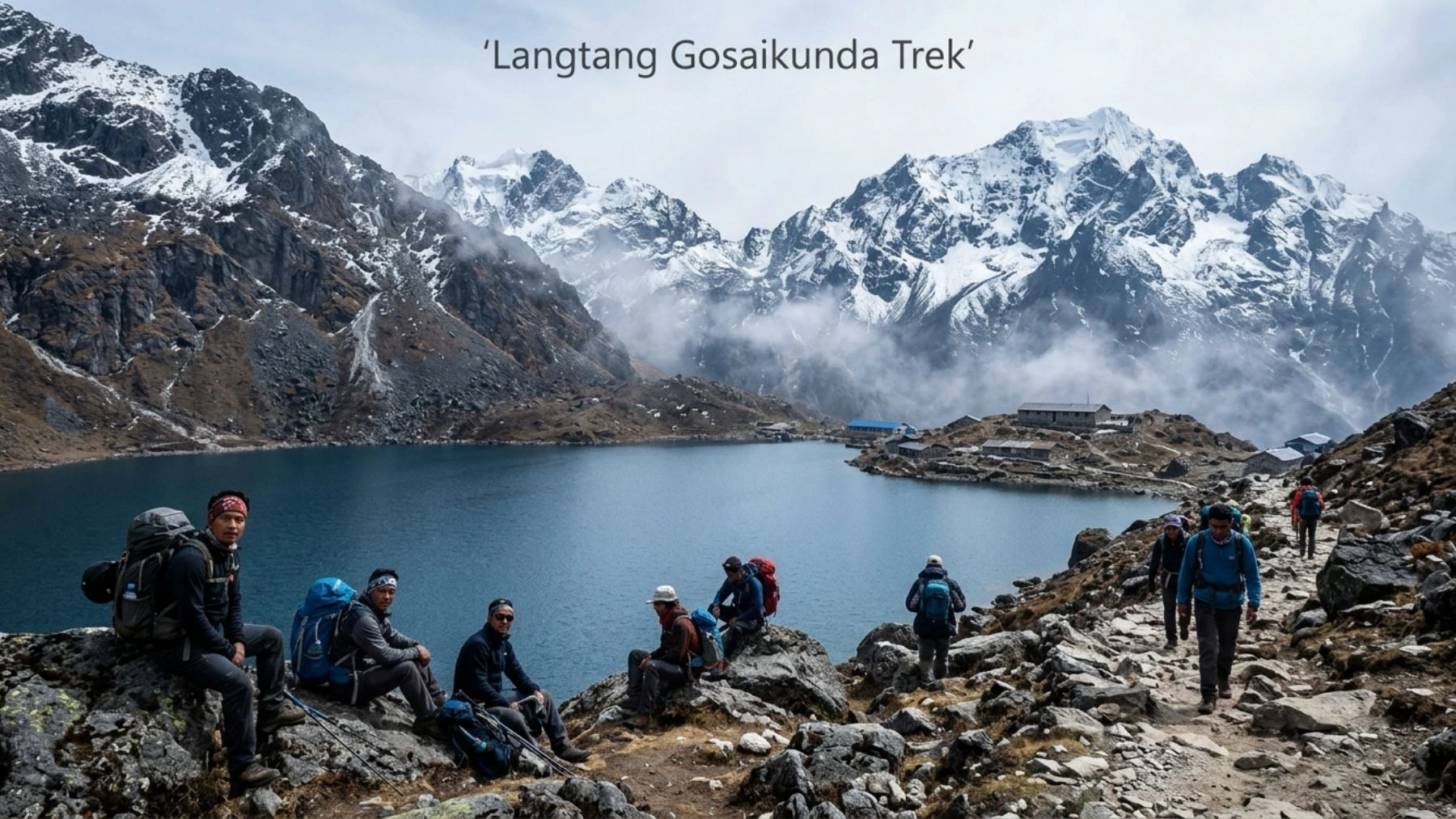
The Langtang Gosaikunda Trek takes 10–14 days and reaches 4,380 meters at Gosaikunda Lake, with temperatures around 0°C to 5°C in the day and -10°C to -15°C at night. In winter, the lakes freeze, creating a unique and peaceful landscape combined with strong spiritual significance. It’s ideal for those looking for a more adventurous and meaningful winter trek.
Highlights
- Gosaikunda Lake (4,380m) frozen in winter
- Sacred pilgrimage site with deep cultural significance
- Snow-covered alpine landscapes
- Combination of Langtang valley and high-altitude lakes
- Peaceful, less crowded trails
- Views of surrounding Himalayan peaks
- Unique winter lake experience
- Strong cultural and spiritual connection
Insider Tip
Time your visit around sunrise at Gosaikunda the frozen lake reflecting early light creates one of the most unique visual experiences in Nepal.
9. Tamang Heritage Trail
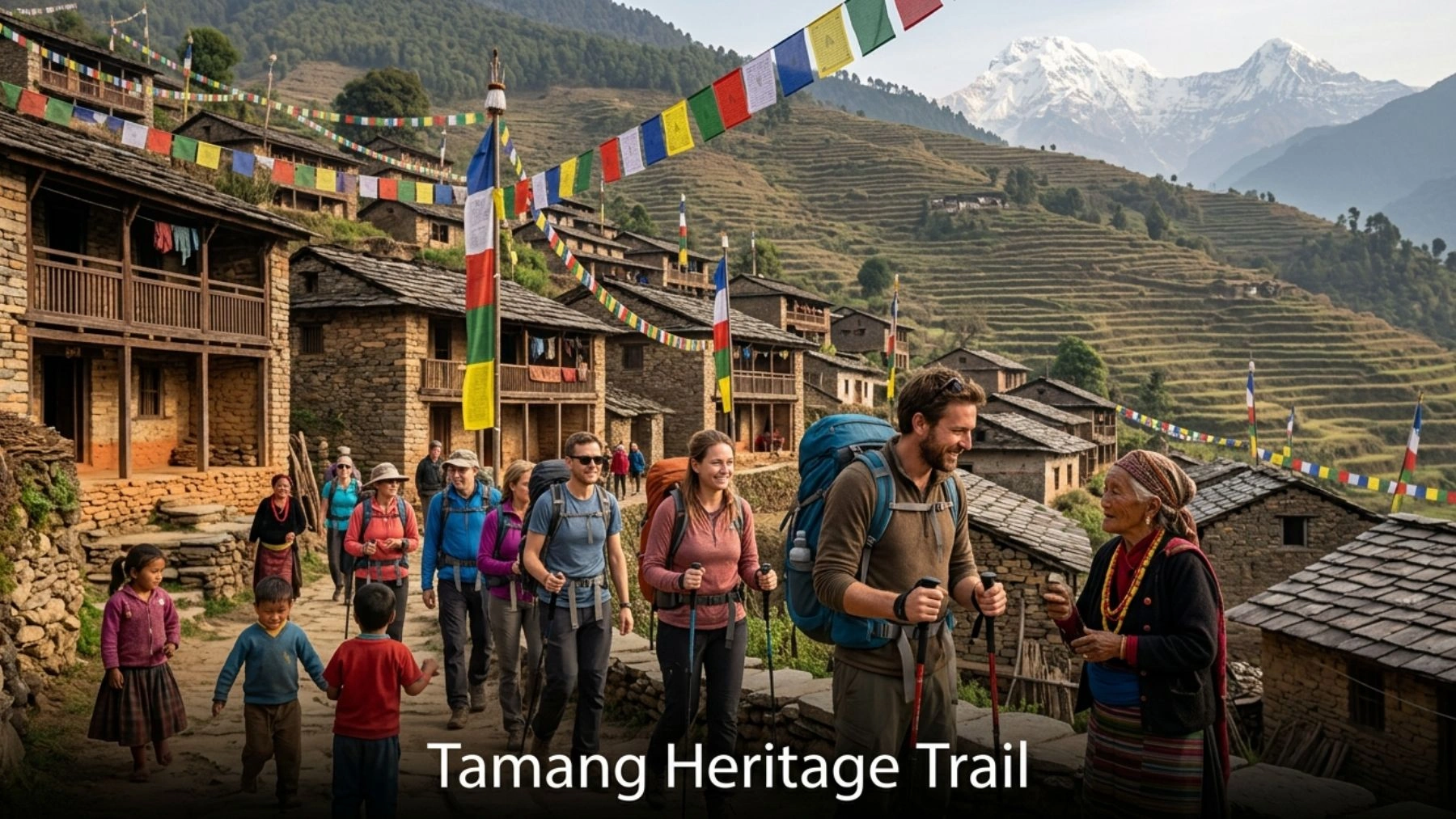
The Tamang Heritage Trail is a 6–8 day trek reaching around 3,200 meters, with winter temperatures ranging from 5°C to 15°C during the day and 0°C to -5°C at night. It focuses on local culture, traditional villages, and mountain views, making it one of the best low-altitude winter treks. The route also includes relaxing stops like natural hot springs at Tatopani, adding comfort during colder days.
This trek is ideal for those who want a culturally rich, relaxed winter trek without going to high altitude.
Highlights
- Traditional Tamang villages and culture
- Snow-dusted landscapes and peaceful trails
- Natural hot springs at Tatopani
- Views of Langtang and Ganesh Himal ranges
- Comfortable altitude for winter trekking
- Authentic homestay and local experience
- Less crowded and more immersive
- Perfect cultural alternative to popular treks
Insider Tip
Take time to stay in local lodges winter is the best season to experience genuine hospitality and cultural interaction.
10. Ruby Valley Trek
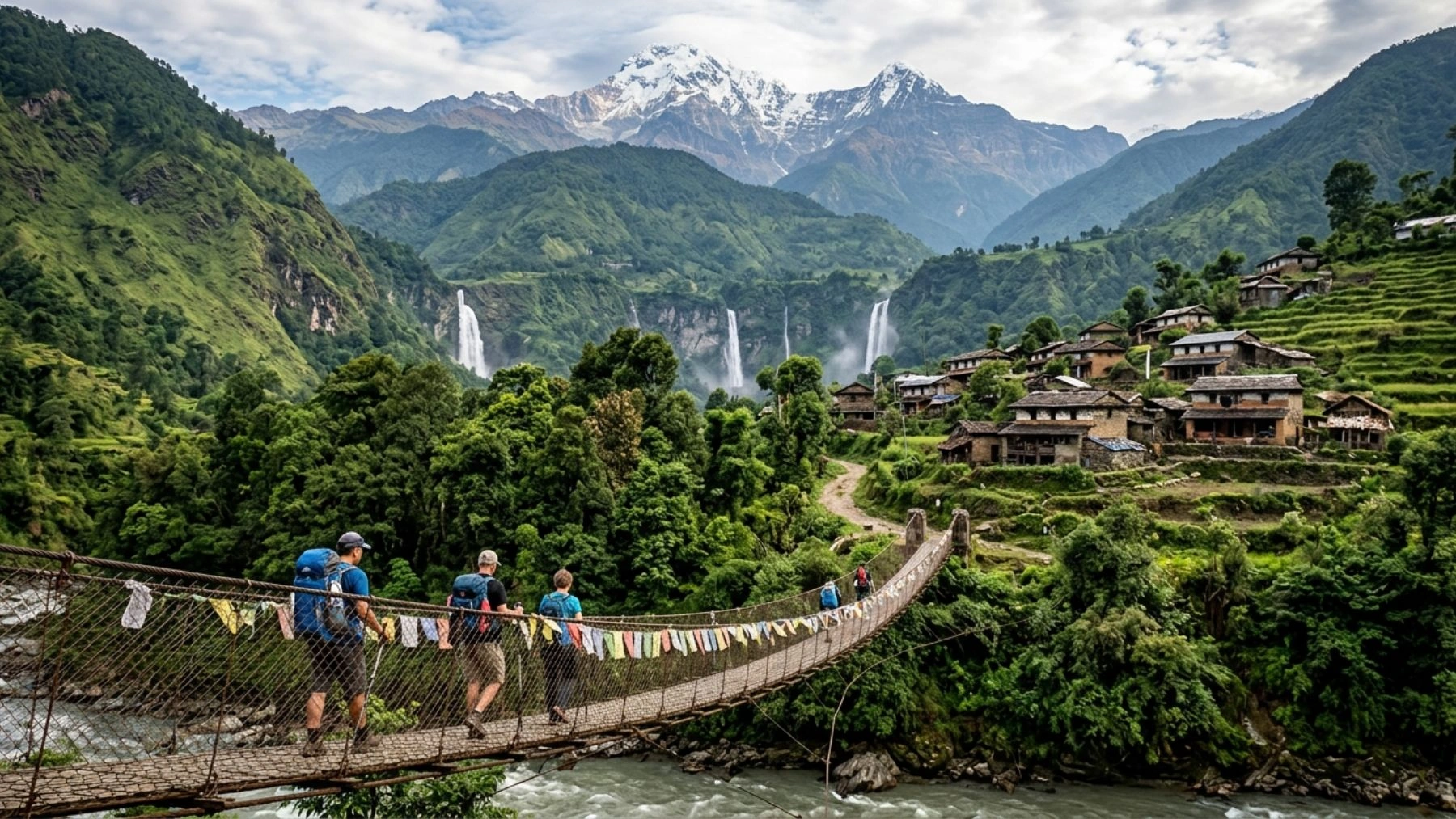
The Ruby Valley Trek is a remote 7–10 day trek reaching around 3,500–3,800 meters, with winter temperatures ranging from 5°C to 12°C during the day and -5°C to -8°C at night. Located between Langtang and Manaslu, it offers a mix of quiet trails, traditional villages, and views of Ganesh Himal, making it a great off-the-beaten-path winter experience.
This trek is best suited for trekkers looking for a remote, less crowded winter adventure with cultural depth.
Highlights
- Remote and less-explored trekking route
- Views of Ganesh Himal and Langtang ranges
- Mix of Tamang and Gurung cultures
- Peaceful trails with very few trekkers
- Forests, ridges, and traditional villages
- Authentic and raw trekking experience
- Moderate altitude suitable for winter
- Unique alternative to popular regions
Insider Tip
Go with a local guide, routes are less marked, and guides enhance both safety and cultural understanding.
Read next: Top 10 Best Treks in Nepal
Safety, Conditions & What to Expect in Winter
Winter trekking in Nepal is safe and rewarding when you understand the conditions and prepare accordingly. At higher altitudes above 3,500 meters, your body may take slightly longer to adjust due to colder temperatures, so maintaining a steady pace and allowing time for acclimatization is important for a comfortable experience. Cold weather is one of the main factors to consider, with temperatures often dropping to -10°C to -20°C at higher elevations, especially at night. However, with proper layering including a down jacket, thermal clothing, gloves, and a good sleeping bag these conditions are manageable and become part of the overall adventure.
Trail conditions in winter are generally stable, but you can expect snow-covered sections and occasional icy patches, particularly in shaded areas or on stone steps. Wearing proper trekking boots and, if needed, using microspikes can make walking much easier and safer. Winter trekking is best enjoyed with a bit of flexibility. While most routes remain open, it’s ideal to avoid trekking during heavy snowfall or sudden weather changes at higher elevations. With proper planning and guidance, winter becomes one of the most peaceful and visually stunning times to trek in Nepal.
Don’t miss: Top 10 Places to Visit in Kathmandu
Ultimate Winter Packing List for Nepal Trekking
| Category |
5°C to 15°C (Lower Altitude) |
0°C to -10°C (Mid Altitude) |
-10°C to -20°C (High Altitude / Night) |
| Base Layers |
Light moisture-wicking t-shirt |
Thermal top & bottom (midweight) |
Heavy thermal base layers (merino/wool) |
| Mid Layer |
Fleece or light insulated jacket |
Thick fleece or insulated jacket |
Heavy fleece + insulated layering |
| Outer Layer |
Windproof jacket |
Waterproof + windproof shell |
Heavy-duty waterproof insulated jacket |
| Down Jacket |
Optional (lightweight) |
Essential (medium-weight down) |
Essential (high-quality heavy down jacket) |
| Trekking Pants |
Lightweight trekking pants |
Thermal-lined or layered pants |
Insulated pants or layered system |
| Footwear |
Trekking shoes |
Waterproof trekking boots |
Insulated waterproof boots (good grip) |
| Socks |
Light trekking socks |
Wool socks (2–3 pairs) |
Thick thermal socks (multiple pairs) |
| Gloves |
Light gloves (optional) |
Insulated gloves |
Heavy thermal + waterproof gloves |
| Headwear |
Cap / sun hat |
Warm hat / beanie |
Thermal hat + face cover/balaclava |
| Sleeping Gear |
Light sleeping bag (optional) |
Sleeping bag (-5°C to -10°C) |
Sleeping bag (-10°C to -20°C) |
| Accessories |
Sunglasses, sunscreen |
Neck buff, lip balm |
Goggles (optional), strong sunscreen |
| Trekking Gear |
Daypack, water bottle |
Trekking poles, headlamp |
Microspikes (optional for icy trails)
|
Most Common Packing Mistakes
Many trekkers either overpack or miss key essentials. The most common mistake is underestimating the cold at higher altitudes, especially at night, which makes proper layering essential. Another common issue is bringing heavy gear instead of focusing on lightweight, layered clothing that can be adjusted throughout the day. Trekkers also often overlook small but important items like good gloves, warm socks, and proper footwear, which make a big difference on snow or icy trails. Packing smart and not heavy is the key to enjoying winter trekking comfortably.
Dreaming of trekking Nepal in winter? Discover your perfect snowy adventure with Recreation Holidays and plan a safe, scenic Himalayan journey.
Conclusion
Winter trekking in Nepal offers clear skies, snow-covered landscapes, and fewer crowds, making it one of the most peaceful times to explore the Himalayas. From easy treks like Poon Hill to scenic routes like Annapurna Base Camp and Mardi Himal, there are great options for every level. With proper planning and guidance from Recreation Holidays, you can enjoy a safe, smooth, and unforgettable winter adventure.
Related Blogs To Read
When is The Best Time to Visit Nepal?
How Long is the Gokyo Lake Trek?
Francys Arsentiev– The Tragic Story
Who is Annapurna Mata?
FAQs on Winter Treks in Nepal
What are the best winter treks in Nepal for beginners?
The best winter treks for beginners are Ghorepani Poon Hill, Tamang Heritage Trail, and Mardi Himal Trek. These routes are lower in altitude, safer, and easier while still offering beautiful mountain views.
What is the best trek in December in Nepal?
The best treks in December include Annapurna Base Camp, Poon Hill, and Langtang Valley. These treks offer clear skies, stable weather, and great visibility during early winter.
Is the Langtang Trek good in winter?
Yes, the Langtang Valley Trek is a great option in winter. It offers snow-covered landscapes, fewer crowds, and strong cultural experiences, making it one of the best winter treks in Nepal.